

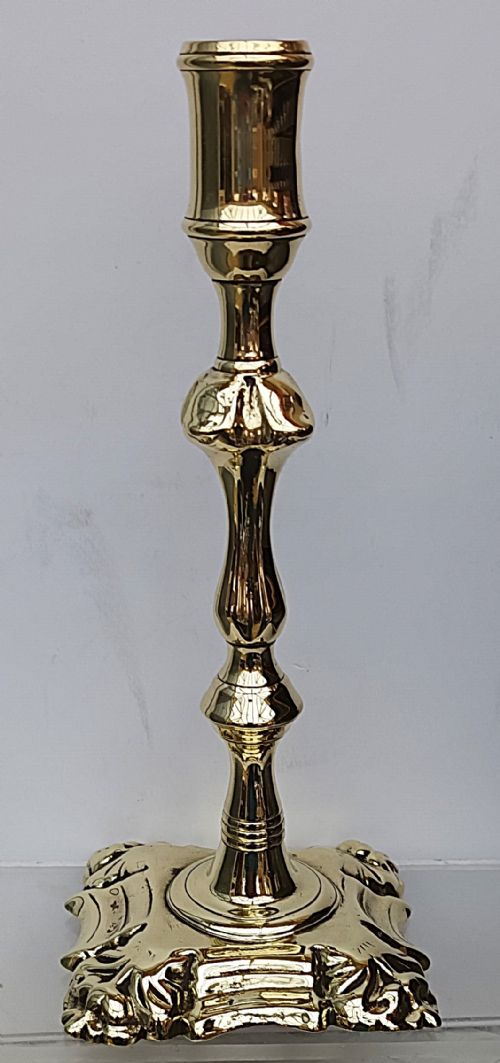


Traditional Brass Candleholders
Traditional brass candleholders bring genuine weight and period warmth to a room, ranging from simple Georgian columns to ornate Victorian pairs.

Traditional Brass Candleholders
Traditional brass candleholders encompass functional lighting pieces produced across the eighteenth, nineteenth, and early twentieth centuries. When searching for traditional brass candleholders, a buyer encounters candlesticks, desk lamps, wall sconces, and student lights spanning Georgian, Victorian, and Edwardian periods.
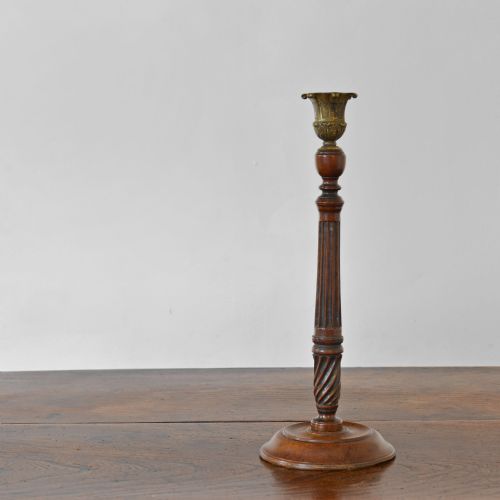
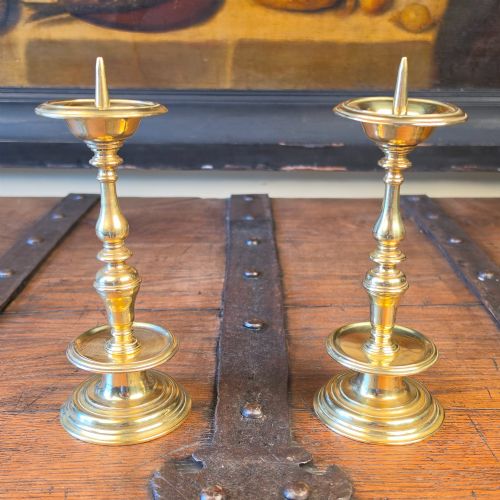
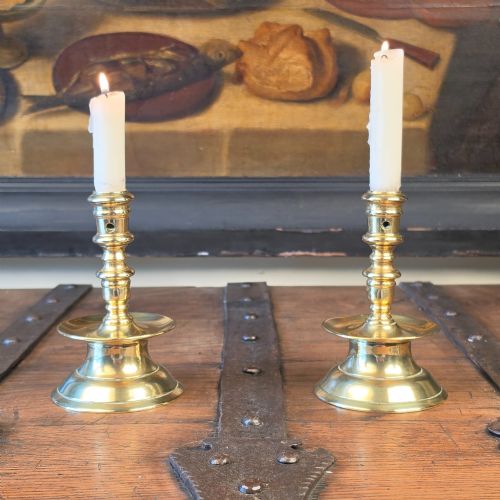
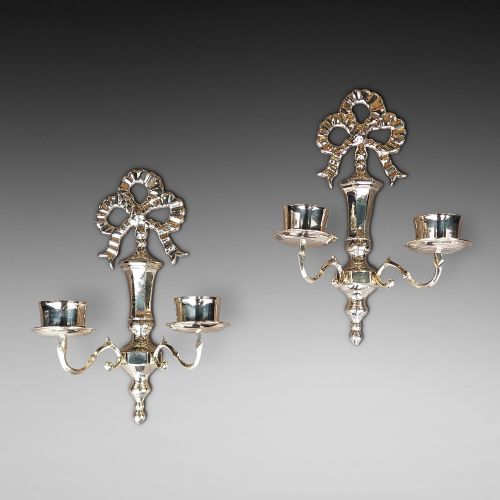
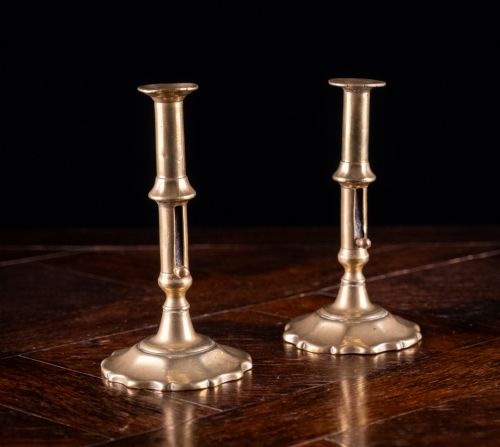
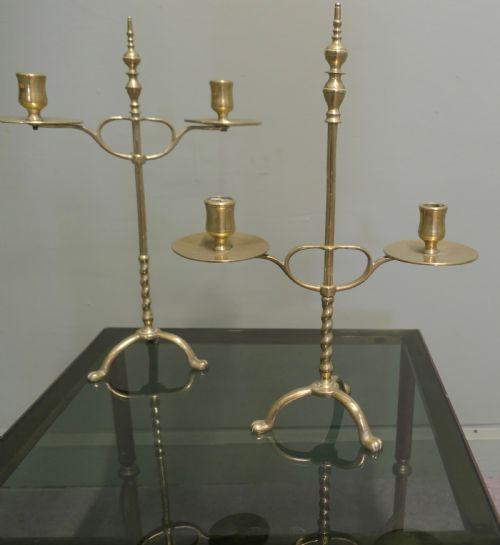
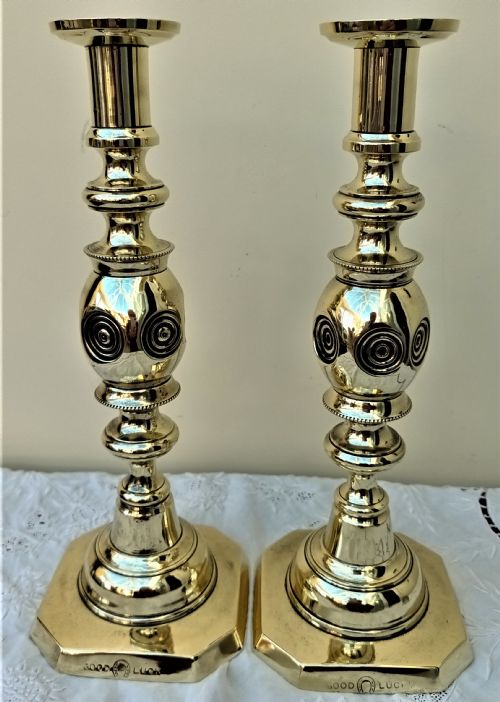
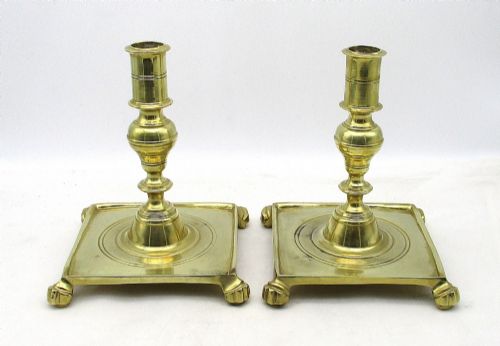
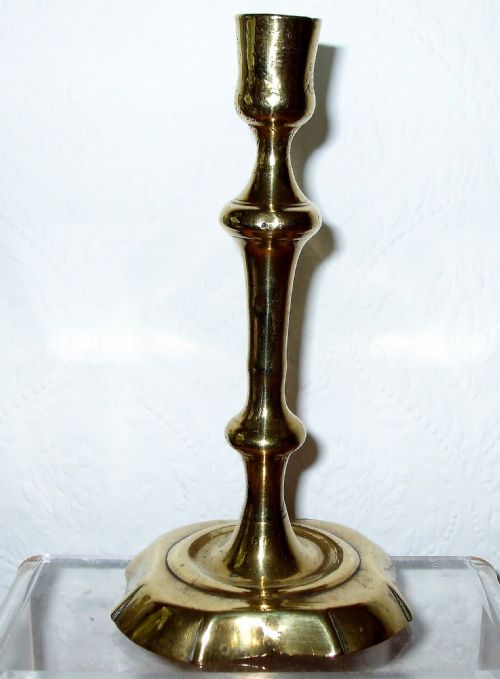
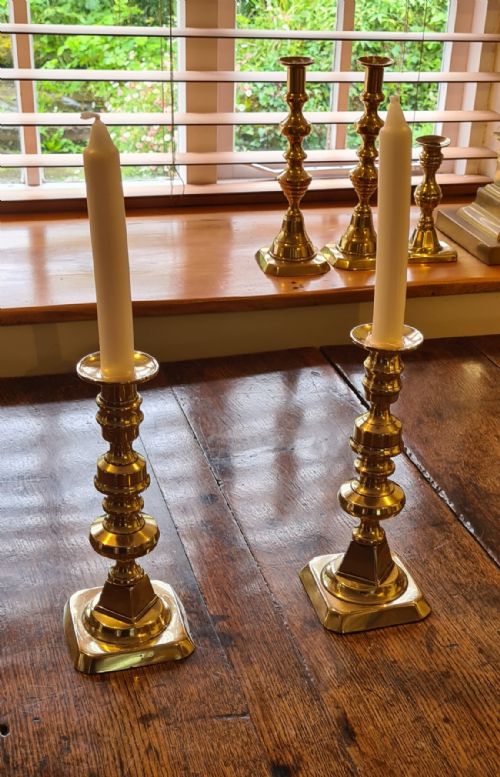
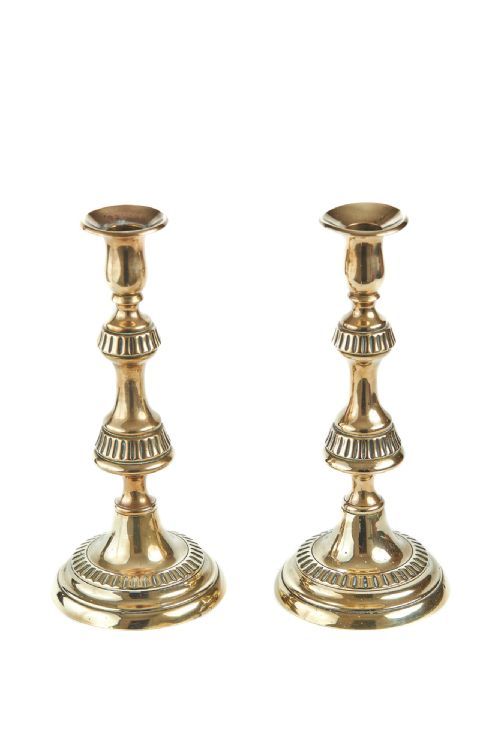
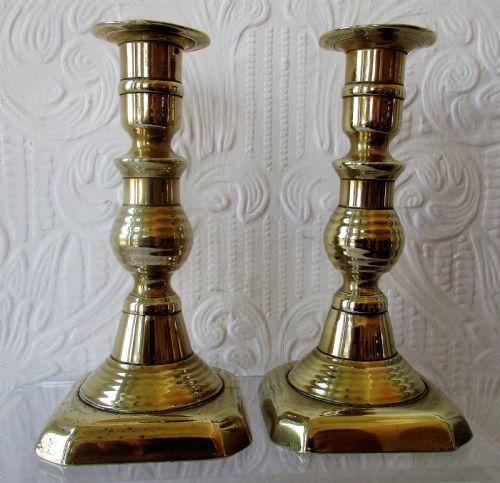
The inventory on this page consists predominantly of Victorian and Georgian examples, often found in pairs. Forms vary from simple column designs to petal bases, ejector mechanisms, and twisted shafts.
Materials extend beyond solid brass to include cast brass, bronze, and occasional combinations with mahogany, oak, hardwood, and glass. Origin points range from English workshops to North India.
How they were made
Metalworking techniques evolved from eighteenth-century casting methods to nineteenth-century seaming and turning processes. Makers utilised solid brass and bronze, shaping metal through casting, lathe-turning, and hand-finishing.
Many nineteenth-century items incorporated functional mechanical elements such as ejector stems to push out remnants of wax, or adjustable arms on student lamps. Secondary materials like mahogany, oak, and glass appear in bases and fitted trays.
Traditional Brass Candleholders Retail Price Guide 2026
Typical asking prices for traditional brass candleholders among the pieces listed under this phrase on Sellingantiques today, from the lower quarter to the upper quarter. They describe what is for sale here now, not the wider market.
What varies in quality
Quality rests on the crispness of casting detail, the weight of the metal, and the integrity of the proportions. Superior examples display sharp definition in decorative motifs and balanced, stable construction.
Subtleties in surface finish and the complexity of form distinguish standard utility pieces from finer decorative items. Desirable variations include twisted stems, petal bases, and operational ejector mechanisms that demonstrate superior craftsmanship.
James Clews
The Traditional Brass Candleholders Glossary
- Ejector candlestick
- A design featuring an internal push-rod mechanism to raise and remove remaining candle stubs. This innovation emerged during the Victorian era to improve convenience.
- Petal base
- A candlestick foot shaped like overlapping flower petals, commonly found on eighteenth-century examples. This scalloped profile provides both decorative flair and a stable footprint.
- Student lamp
- An adjustable desk or table light intended for reading or working. These pieces often include movable arms or shades.
- Column candlestick
- A form modelled after classical architectural columns with a defined base, shaft, and capital. They reflect Georgian and Revival aesthetic interests.
- Seamed bronze
- Construction involving metal sheets joined together rather than poured as a single solid casting. This method was frequently utilised in the nineteenth century.
Traditional Brass Candleholders: Frequently Asked Questions
What are ejector brass candlesticks?
Ejector candlesticks contain a sliding internal stem operated by a small side thumb-piece. Pushing this lever up raises the remaining wax stub for easy removal.
This practical nineteenth-century invention kept hands clean and avoided the need to dig wax out of the socket.
Were brass candleholders always sold in pairs?
Many traditional candleholders were manufactured and sold as matched pairs to flank fireplaces, sideboards, or dining tables. Single examples also appear frequently, often surviving from larger sets or desk lamps.
Pairs generally hold stronger appeal for symmetrical interior display.
How should I clean antique brass?
Antique brass benefits from gentle dusting and minimal intervention to preserve its historic patina. Harsh chemical polishes strip away the aged surface character that collectors value.
Warm water and a soft cloth suffice for removing surface grime without damaging the metal.