


Traditional Brass Candle Holders
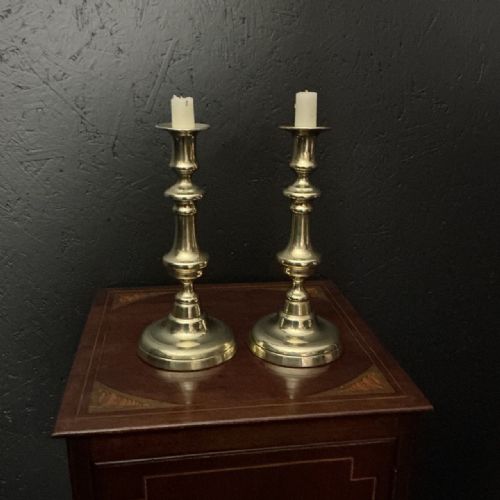
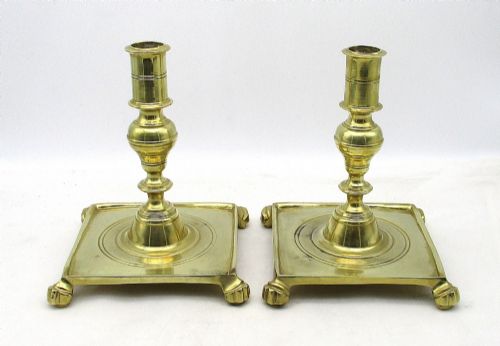
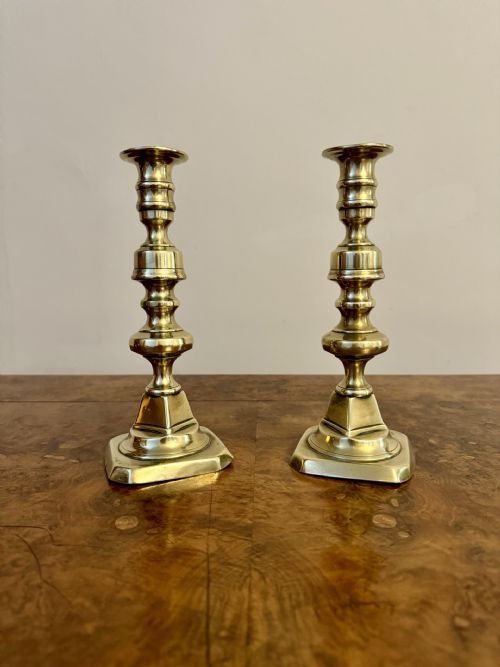
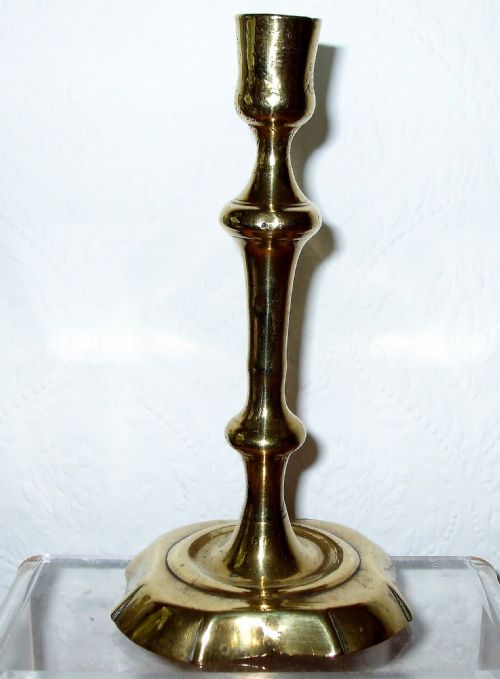
Traditional brass candle holders bring centuries of warm illumination and weight into a room, spanning Georgian elegance and Victorian ornament.
Traditional Brass Candle Holders
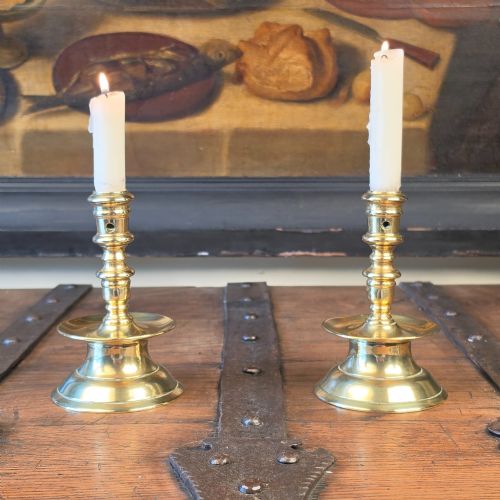
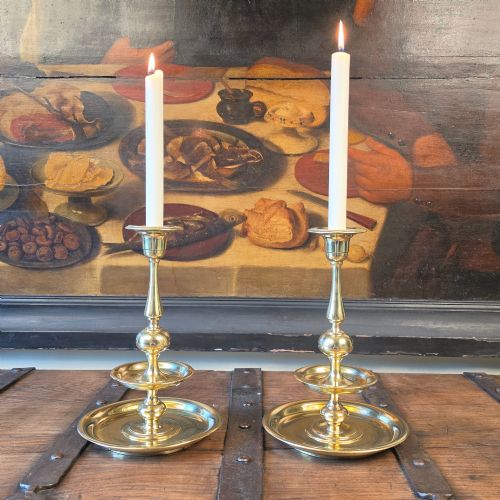
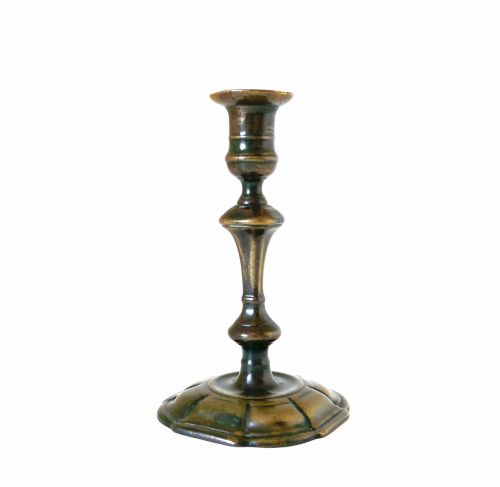
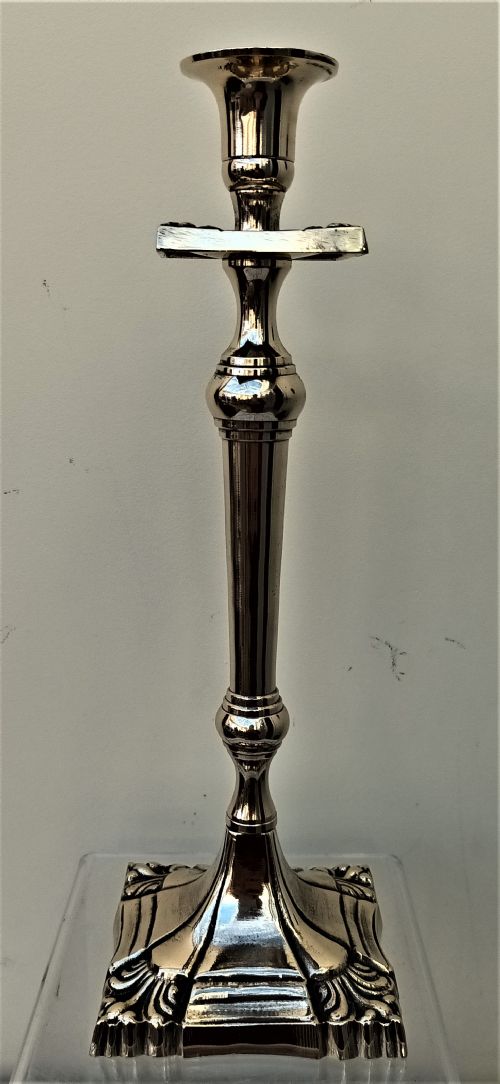
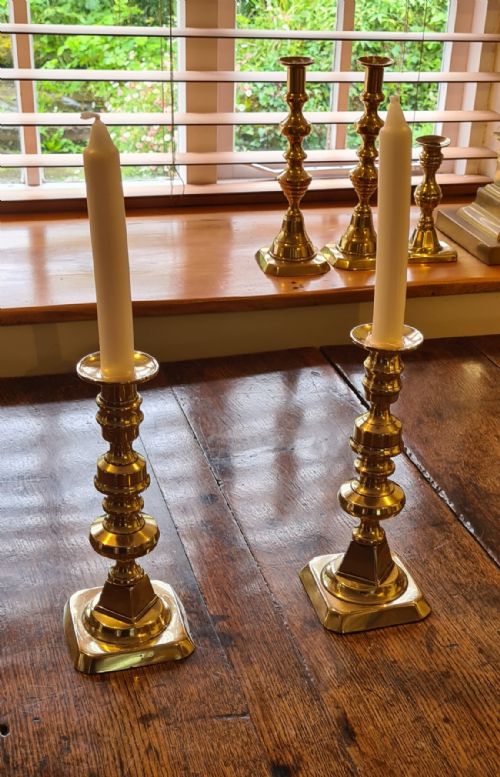
Traditional brass candle holders encompass candlesticks, wall sconces, and candle lamps produced across the eighteenth and nineteenth centuries, alongside revival pieces referencing earlier eras. When searching for traditional brass candle holders, buyers encounter domestic table items, tall church altar pieces, and paired wall brackets designed for interior illumination before the spread of electric lighting.
The selections on this page lean heavily towards nineteenth-century Victorian examples and eighteenth-century Georgian forms, supplemented by Edwardian and early twentieth-century variations. Common configurations include simple single sticks, ejector mechanisms for clearing spent wax, twisted stems, and column designs in polished or patinated metal.
Construction and materials
Makers utilised cast and sheet brass, frequently incorporating seamed construction where components were shaped and joined together before finishing on a lathe. Bronze and cast brass provide significant weight to the base, ensuring stability during use.
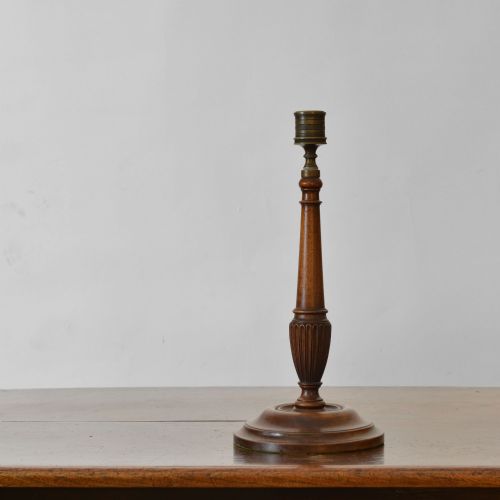
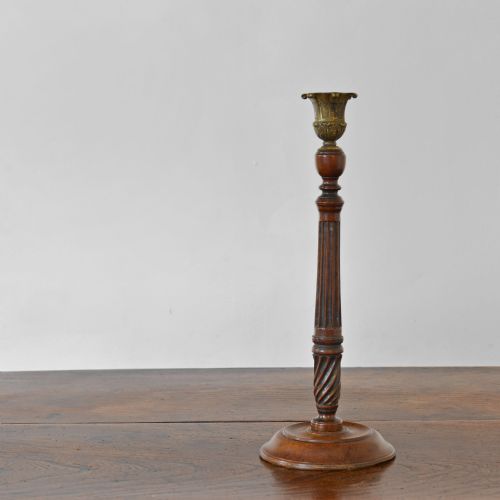
Secondary materials appear in specific designs, pairing the metal with mahogany, oak, hardwood, and glass shades. These mixed-media pieces combine turned wood columns with brass fittings, or mount reflective glass sconces to amplify the flicker of a flame.
Victorian households illumination included wall sconces featuring glass griffin shades alongside standard table candlesticks.
Factors determining quality
Substantial gauge metal and clean casting detail separate superior examples from lighter, mass-produced items. Crisp turning on the stem and a heavy, well-balanced base indicate careful workshop production rather than hurried output.
Surface patination and the integrity of original components define the character of older pieces. Minimal wear to structural joints and functional ejector mechanisms preserve the mechanical and aesthetic integrity of the object.
J.T. & Co
The Traditional Brass Candle Holders Glossary
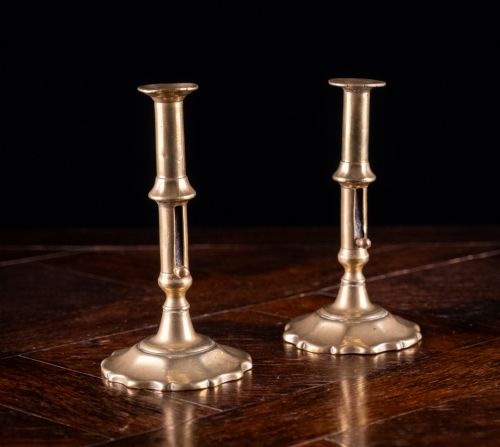
- Ejector candlestick
- A candlestick fitted with an internal spring or sliding button mechanism designed to push the spent wax stump upward for removal. This invention became common in nineteenth-century domestic lighting.
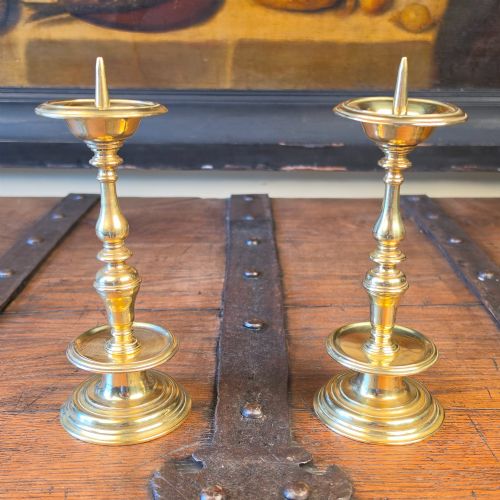
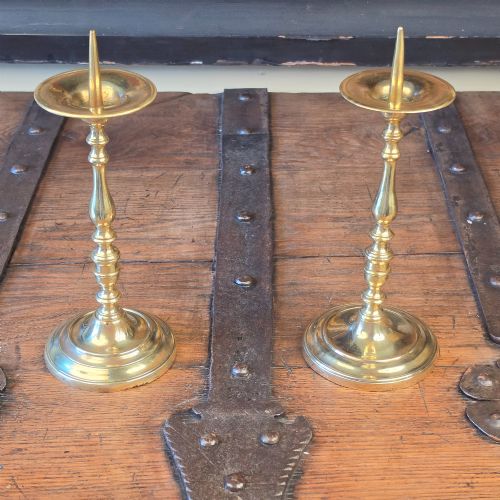
- Pricket candlestick
- A candlestick that holds a candle upon a sharp metal spike rather than inside a socket. These forms often appear in church or ecclesiastical settings.
- Cast brass
- Molten brass poured into a mould to create complex, three-dimensional shapes and heavy bases. It differs from sheet brass formed by hammering or rolling.
- Barley twist
- A spiral carving or metal turning resembling the twisted grain of barley. This decorative motif appears on stems from various revival periods.
- Sconce
- A candle holder designed to be fixed to a wall rather than placed upon a table or floor. They frequently incorporate reflective brass or mirrored backplates.
Traditional Brass Candle Holders: Frequently Asked Questions
How do I date an old brass candlestick?
Dating relies on manufacturing techniques, base construction, and stylistic cues such as moulding profiles. Eighteenth-century examples often feature solid casting and wider drip pans, whereas nineteenth-century pieces frequently utilise seamed construction or internal ejector mechanisms.
Examining the wear patterns on the underside and the composition of the brass alloy helps distinguish Georgian forms from later Victorian revivals or Edwardian productions.
What is an ejector candlestick?
An ejector candlestick contains a hidden internal rod or sliding thumbpiece that pushes the remaining candle stub out of the socket. This practical device prevented burnt fingers and made cleaning out residual wax much simpler.
Most surviving examples of this mechanism date from the nineteenth century, reflecting an era focused on domestic convenience and refined household management.
Can I still burn candles in antique holders?
Most antique candle holders remain fully functional for burning tapers, provided the socket size matches the candle diameter. Securing loose candles with a small piece of beeswax or foil prevents wobbling.
Care should be taken to extinguish the flame before it reaches the metal socket to avoid overheating and potential damage to the historic surface patination.
How should I clean antique brass?
Routine dusting with a soft, dry cloth preserves the stable oxide layer known as patination. Aggressive chemical polishes strip away the aged surface character that collectors value.
If cleaning is necessary, mild soap and warm water applied sparingly remove accumulated grime without altering the historic colour of the metal.