





Traditional Blue Area Rug
When you select a traditional blue area rug, you are choosing a hand-knotted floor covering that anchors a room with enduring patterns and vegetable dyes.
Traditional Blue Area Rug
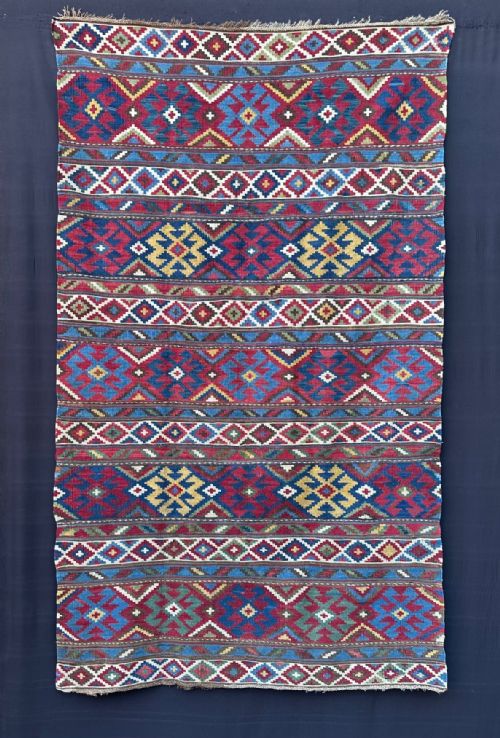
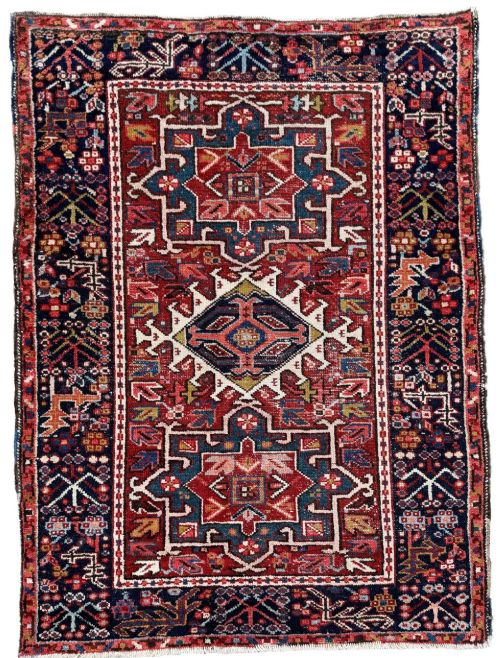
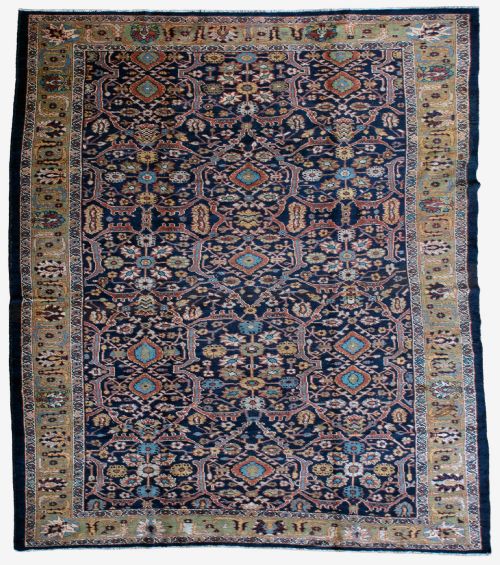
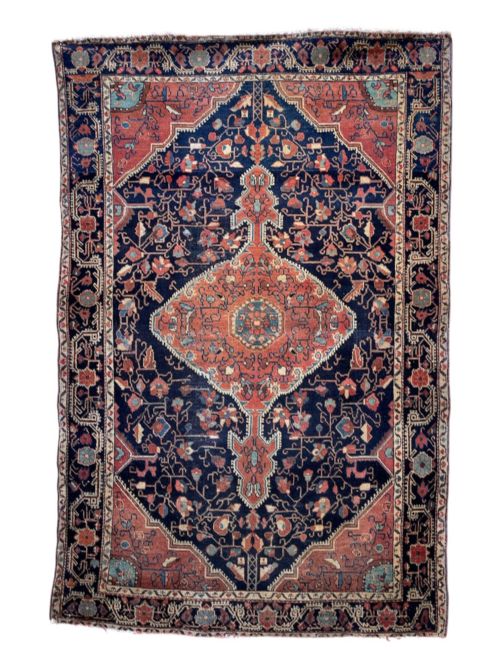
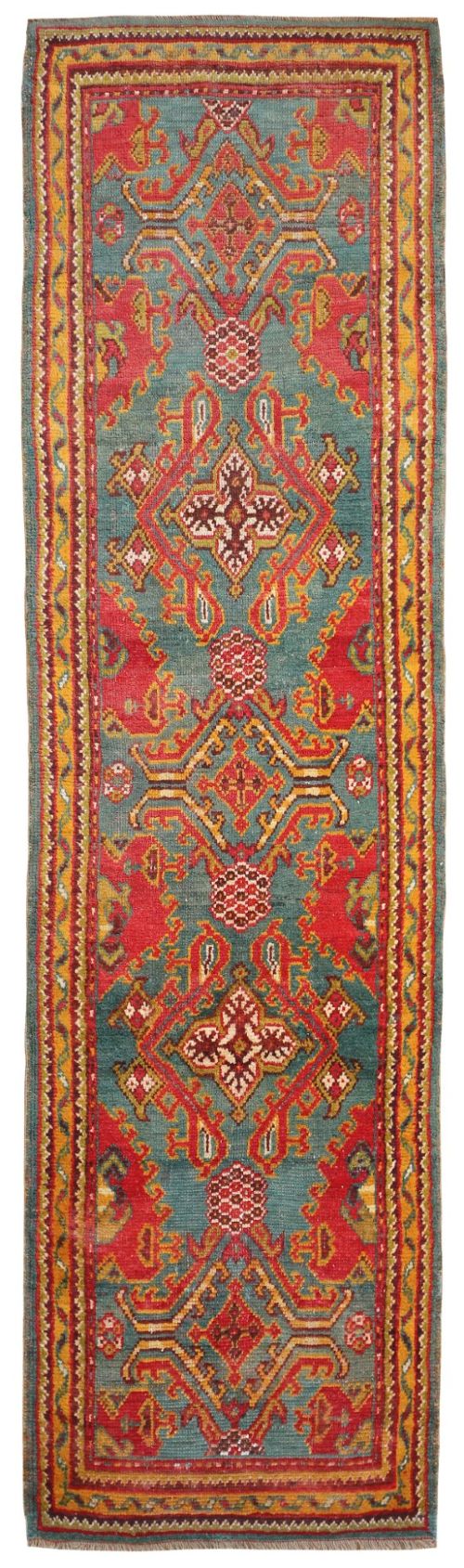
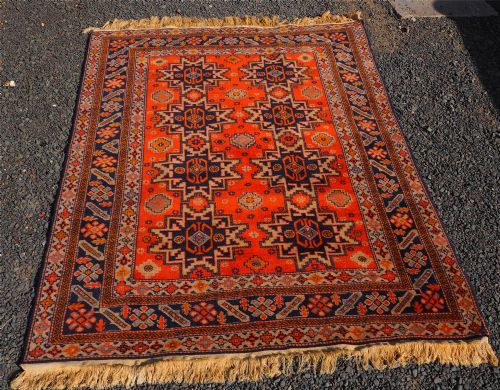
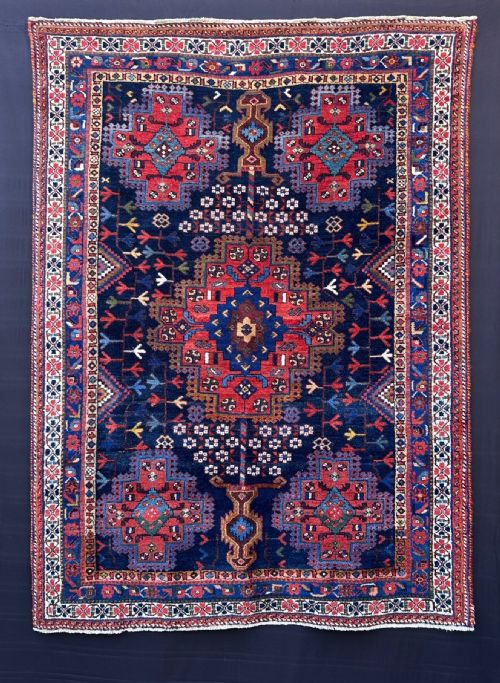
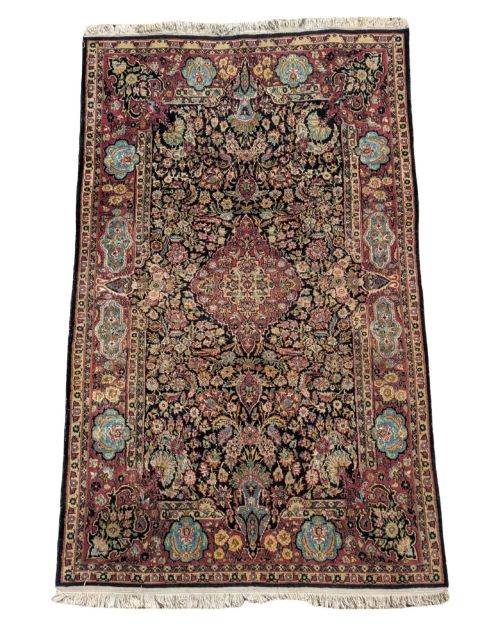
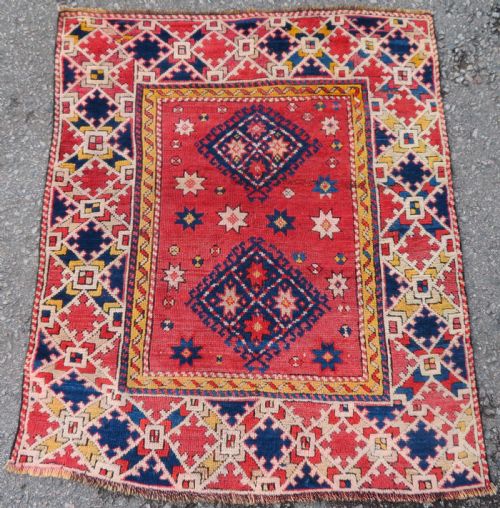
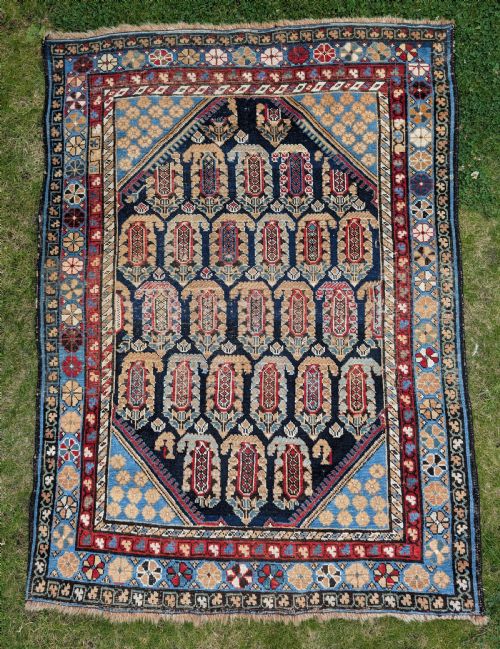
A traditional blue area rug encompasses hand-knotted carpets and runners originating from Persian, Caucasian, and Anatolian weaving traditions. These pieces span the late nineteenth century through to the mid-twentieth century, showing regional motifs from Heriz, Kazak, Khamseh, and Bakhtiar workshops.
Buyers will encounter room-sized carpets alongside smaller scatter rugs, hearth-sized formats, and long runners. The palette relies heavily on indigo and softer blue tones derived from natural colourants, often contrasted with madder red and ivory.
Regional variations dictate the geometry and pictorial elements found within the field. Tribal pieces display bold, angular medallions, while city carpets offer intricate floral scrolling and central panels.
What varies in quality
Quality rests in the precision of the knotting and the integrity of the foundation materials. A well-constructed piece maintains structural tension, allowing the rug to lie flat and endure foot traffic without distorting its original geometry.
The sophistication of the dye work also separates examples. Skilful use of natural indigo yields rich saturation and tonal complexity, whereas inferior dyeing lacks depth and uniform penetration through the wool pile.
Some runners are affectionately sized for hearths, keeping toes warm by the fire since the Victorian era.
The Traditional Blue Area Rug Glossary
- Medallion
- A central ornamental design motif found in the middle of the rug field. This geometric or floral focal point structures the surrounding composition.
- Pile
- The vertical or slanted cut loops of wool, cotton, or silk that form the surface of the carpet. Its thickness and density determine how the rug feels underfoot.
- Warp
- The stationary lengthwise threads stretched on the loom before knotting begins. The visible fringes at either end of the rug are extensions of these structural cords.
- Weft
- The horizontal threads passed across the warp strands between rows of knots to secure them in place. Beating the weft down tightly creates a firm, durable fabric.
- Natural Dyes
- Colourants derived from plants, insects, and minerals rather than synthetic chemical sources. These materials produce complex, harmonious shades that age gracefully over time.
Traditional Blue Area Rug: Frequently Asked Questions
How do I clean an old wool rug?
Gentle surface vacuuming without the beater bar removes loose grit safely.
Professional immersion washing remains necessary for deep cleaning to protect the natural fibres and dyes.
Will these rugs work with modern furniture?
The geometric designs and indigo tones bridge traditional and contemporary interior schemes effectively.
Their subdued palette allows them to ground minimalist rooms with texture and historical depth.
How do I identify a tribal rug?
Tribal pieces display bold, rectilinear motifs, stepped polygons, and asymmetrical details.
Nomadic weavers worked from memory rather than precise paper cartoons, resulting in charming irregularities.
What causes colour variation in the blue wool?
Natural indigo batches and hand-spinning techniques create subtle shifts in shade known as abrash.
Exposure to light over generations also softens the original tones into mellow patinas.