

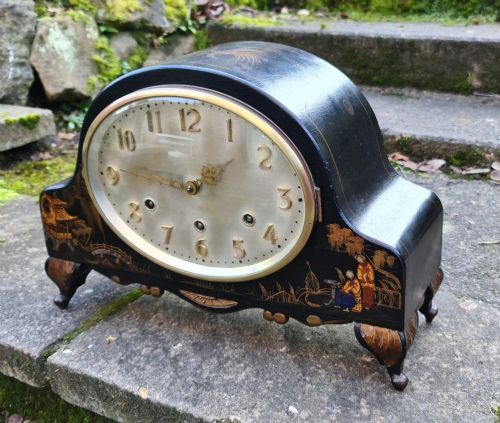
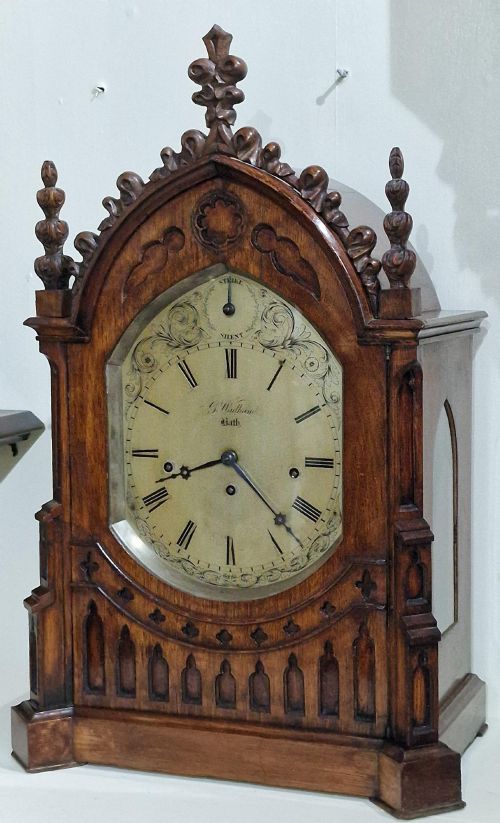
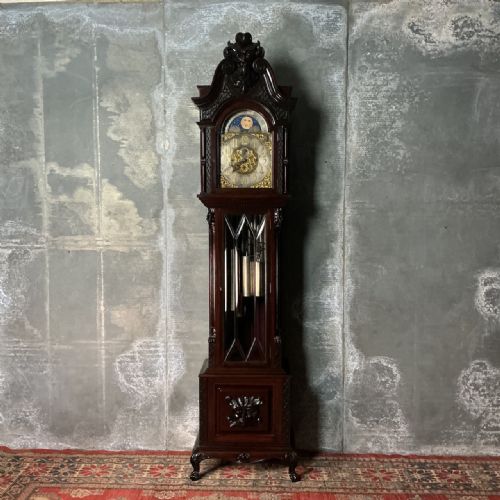
Traditional Clock
A traditional antique clock brings mechanical timekeeping into a room, offering brass dials and timber cases shaped by centuries of craftsmanship.
Traditional Clock
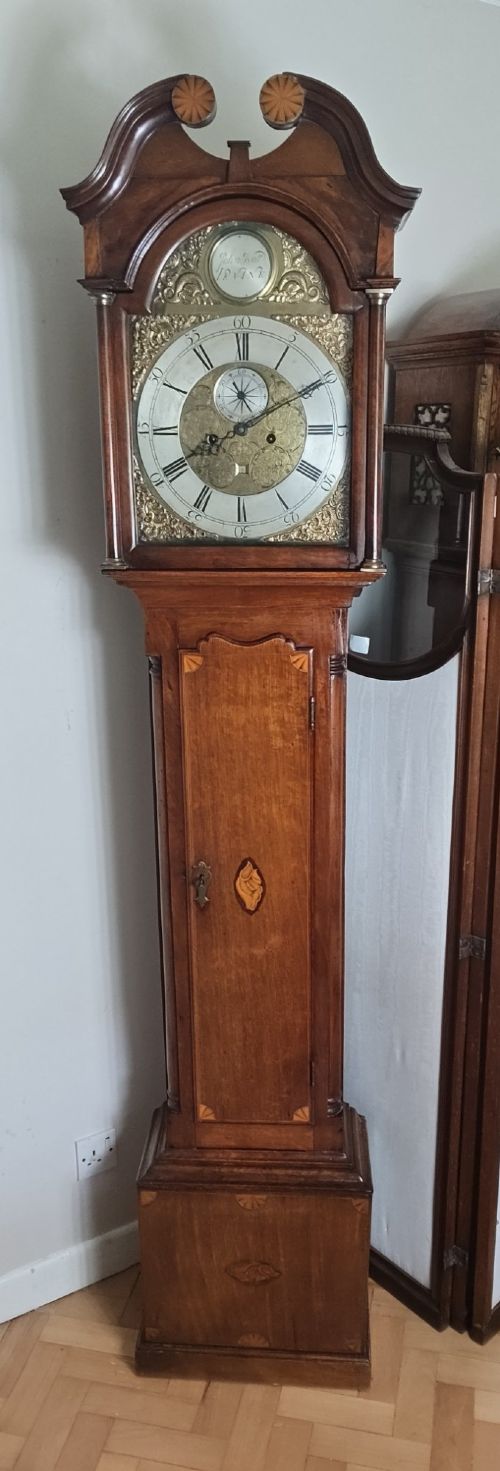
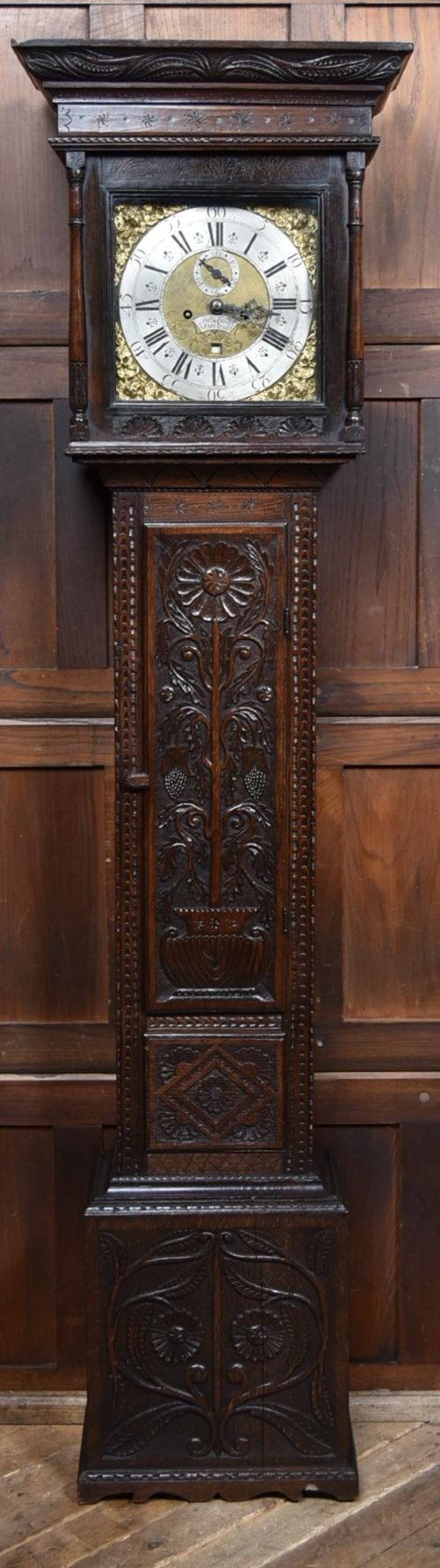
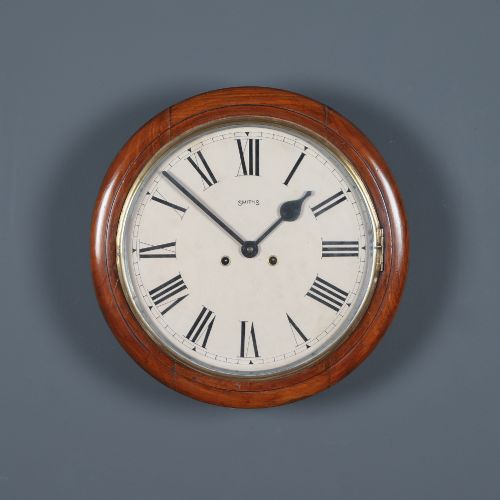
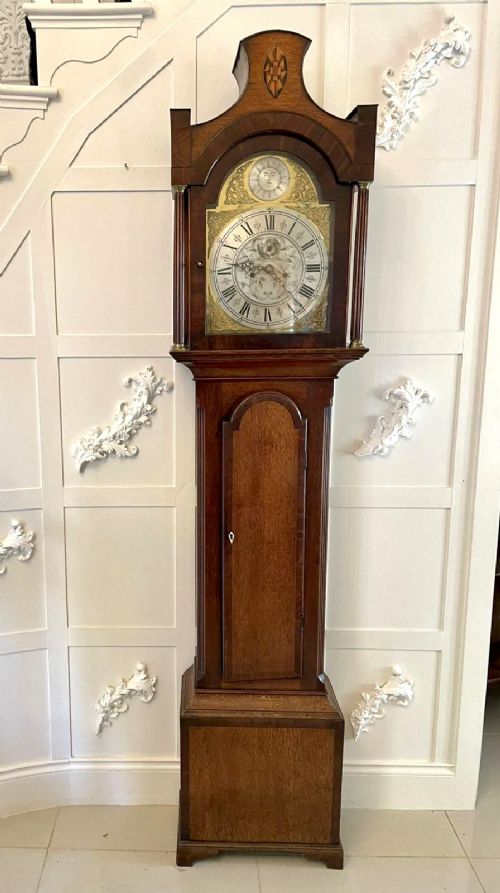
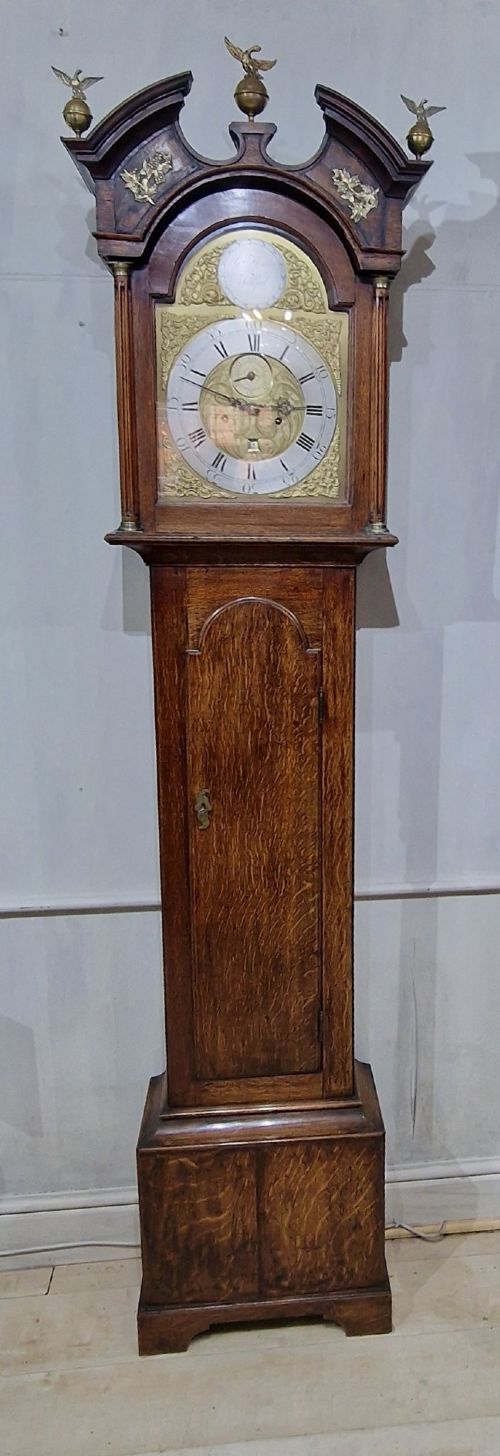
A traditional antique clock covers tallcase timepieces, wall dials, and smaller mantel or bracket pieces made primarily during the 18th, 19th, and early 20th centuries. These objects served essential domestic and public functions, tracking hours and striking quarters in domestic parlours, hallways, and railway stations alike.
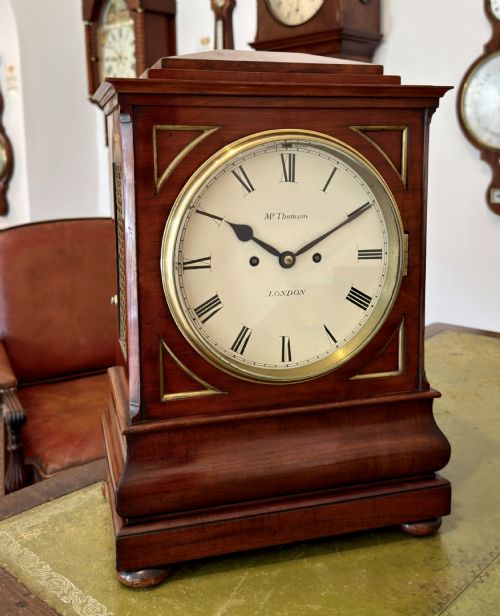
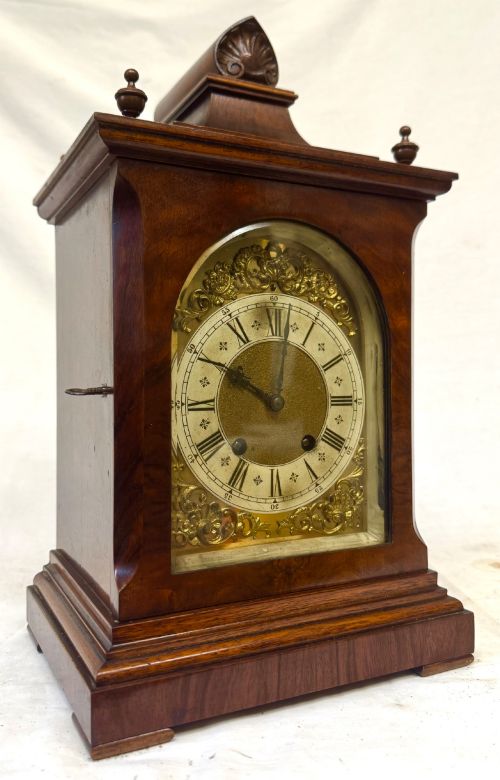
The selections encountered most frequently on this page span Georgian, Victorian, and Edwardian periods, constructed in timber carcases with mechanical movements. Buyers will find towering longcase clocks alongside smaller bracket clocks and circular wall dials suited to varied interior spaces.
Originating from British and continental workshops, these pieces showcase regional cabinet-making traditions alongside specialised clockmaking centres. From Scottish longcases to London bracket clocks, each regional school imparts distinct proportions and decorative details.
How they were made
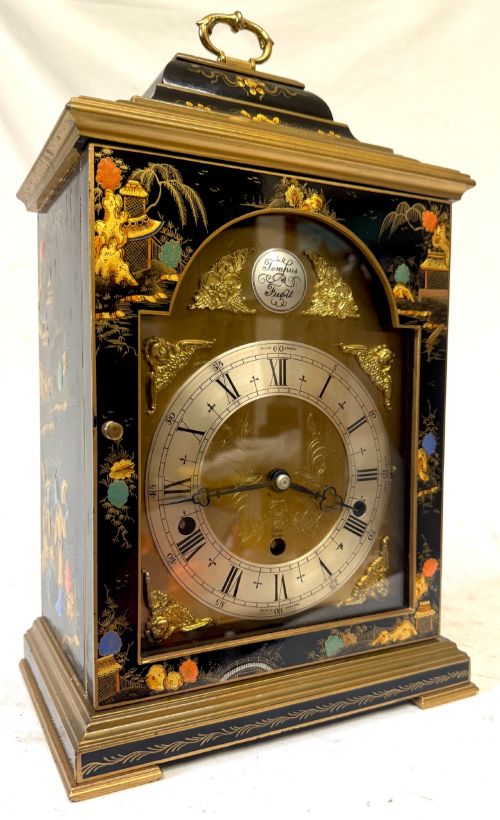
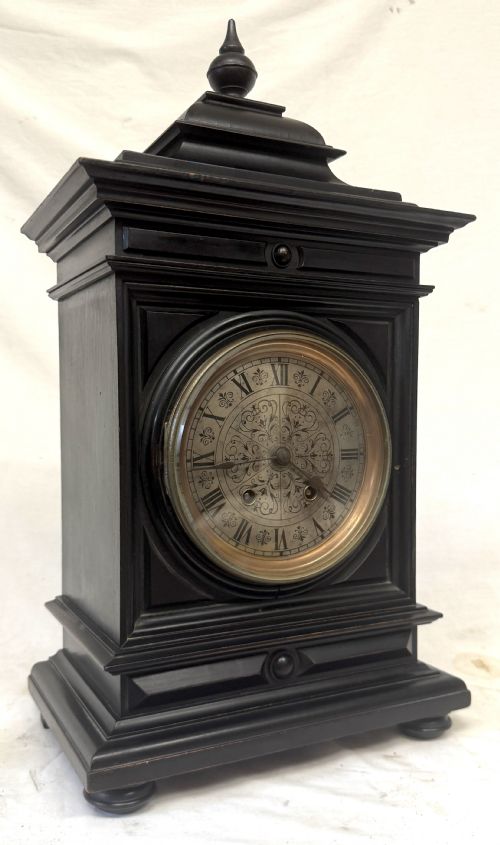
Cases rely on cabinet timbers such as mahogany, oak, and walnut, often shaped with inlaid paterae, ebonised detailing, or lacquered finishes. Joinery and French polishing techniques give these structural housings durability and varied surface textures.
Movements utilise brass gear trains, steel arbors, and glass face covers, driven by weights or spring-loaded fuses. Dials combine cast brass, enamelled plates, and silvered brass rings with hand-engraved or painted numerals.
Periods represented span from the 18th century through the Georgian, Victorian, Edwardian, and early 20th century eras.
What varies in quality
Quality separates through the crispness of movement engraving, the selection of timber veneers, and the architectural proportion of the case. Maker signatures on the dial or movement backplate often indicate higher workshop standards and better-preserved mechanical complexity.
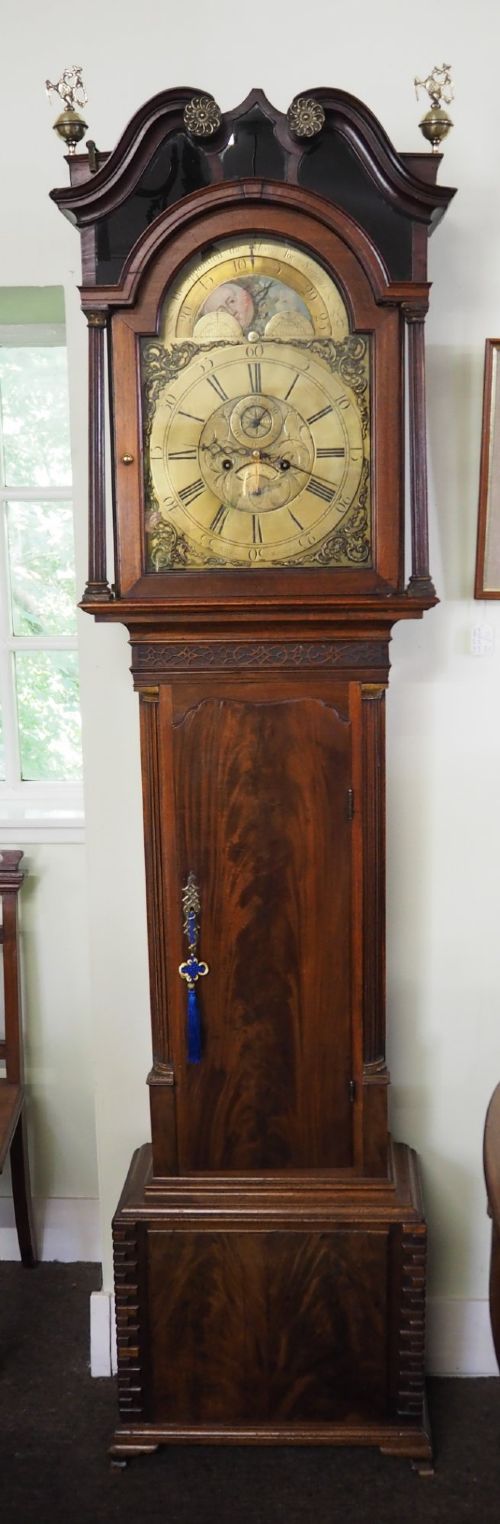
The integration of secondary functions, such as moon phases, strike-silent levers, or multiple musical bells, distinguishes standard timepieces from ambitious workshop productions. Surviving original dial faces and uncompromised internal gear trains preserve historical integrity.
Thomson of London·H.A.C.·Lenzkirch·Smiths·James Hendrie·George Wadham·Seth Thomas·Brockbanks and Atkins·Mappin and Webb·Parkinson Bros
The Traditional Clock Glossary
- Longcase clock
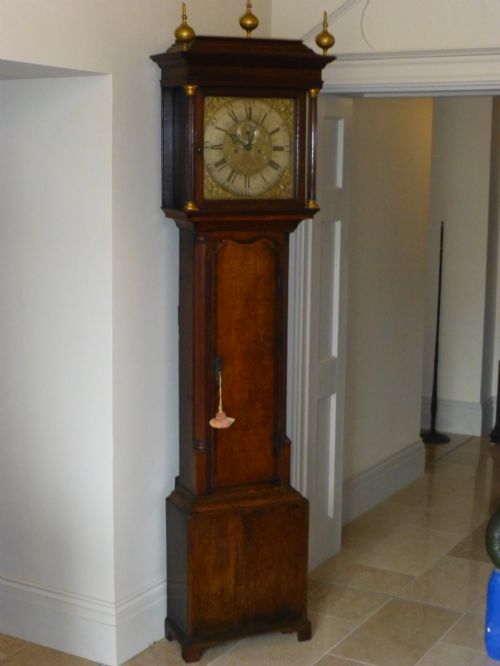
- A tall pendulum timekeeper housed in a wooden floor-standing case, commonly referred to as a grandfather clock. These housing structures protect the weighted movement and allow the pendulum adequate swing length.
- Fusee
- A conical pulley used in spring-driven clocks to equalise the torque of the mainspring as it unwinds. This mechanism maintains consistent power delivery to the gear train for accurate timekeeping.
- Bracket clock
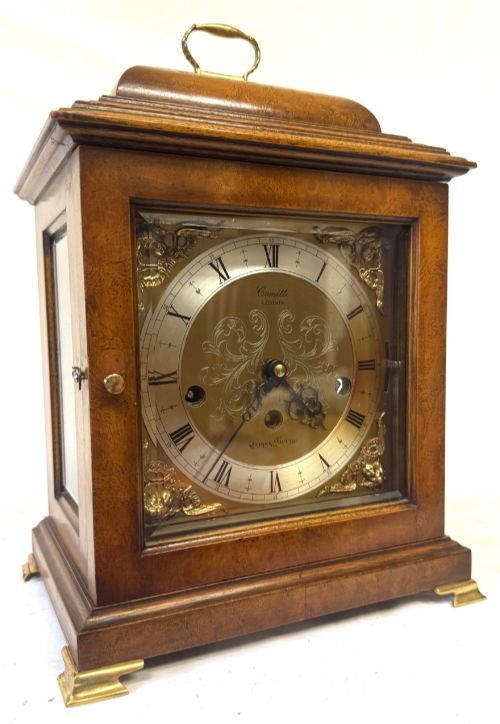
- A portable table or shelf clock traditionally designed to sit on a wall bracket or tabletop. They frequently feature carrying handles and glazed side panels to display the movement.
- Verge movement
- An early type of escapement mechanism that controls the release of the gear train using a crown wheel and a pivoted rod with pallets. It represents traditional mechanical engineering before the widespread adoption of anchor escapements.
- Moon phase
- A dial complication that tracks the lunar cycle through a rotating painted disk showing the phases of the moon. This feature appeared on higher-status longcase clocks.
Traditional Clock: Frequently Asked Questions
How do I wind a traditional antique clock?
Winding requires a key or crank matched to the square arbors on the dial face, turning gently until resistance meets the spring or weight stop.
Care must be taken not to over-wind, and striking trains should be allowed to complete their sequence without manual interference.
Where should I place a longcase clock?
Longcase clocks need a stable, dry interior wall away from direct sunlight, central heating vents, and heavy foot traffic that causes floor vibrations.
A level surface ensures the pendulum swings evenly and the escapement maintains its regular beat.
How do I identify the age of a clock?
Age is assessed through a combination of case timber, dial construction, and the signature of the maker inscribed on the brass face or movement.
Stylistic cues such as Georgian bracket feet or Victorian dial lettering narrow down the production decade.
What is the difference between a bracket and mantel clock?
Bracket clocks historically sat upon wall brackets and incorporate fine timber cases with brass carrying mounts and visible escapements.
Mantel clocks emerged later in larger quantities, designed specifically to rest on fireplace shelves without wall supports.