


Tin Glazed Wall Plate
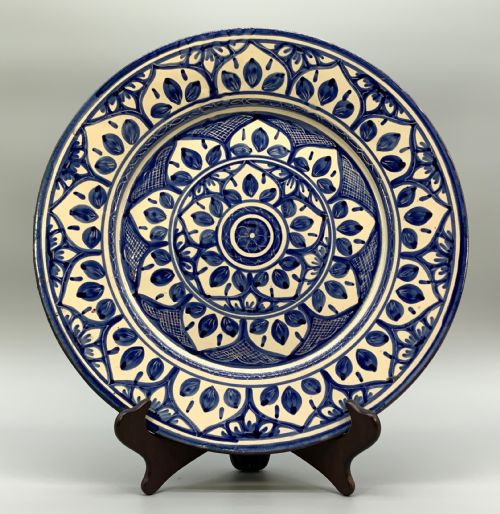
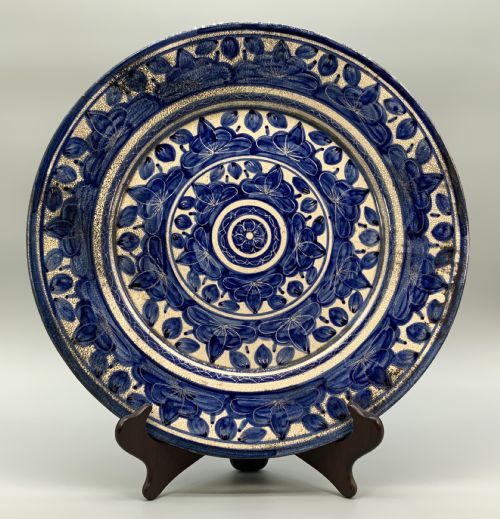
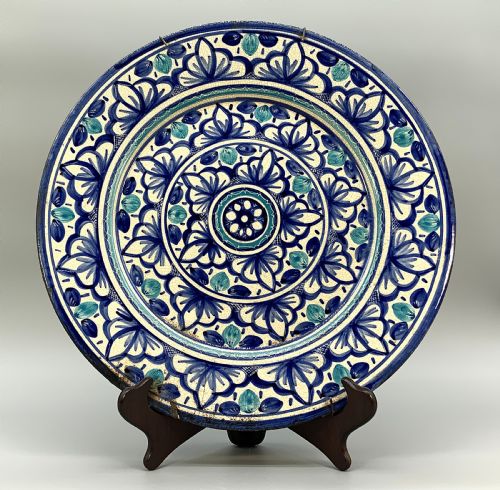
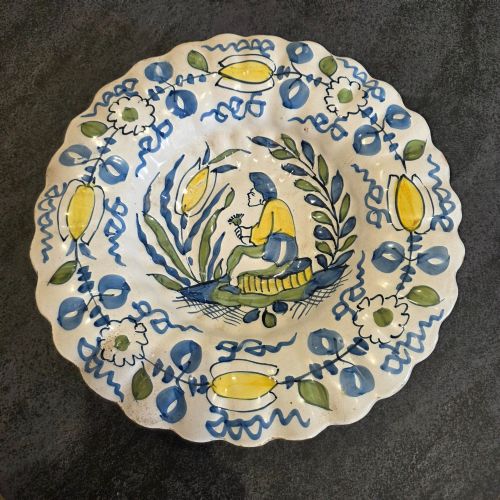
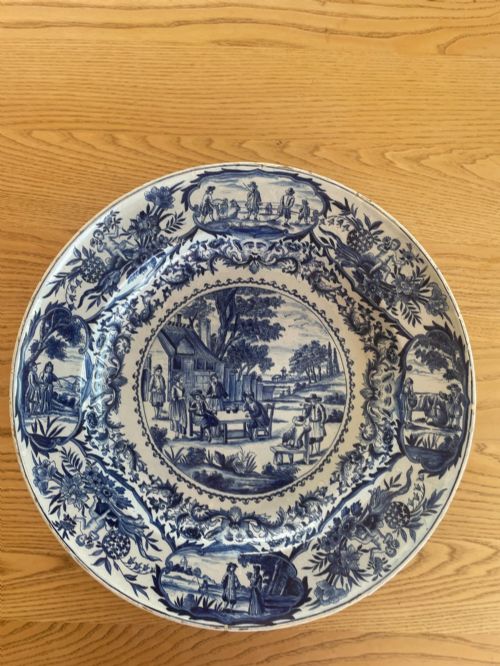
A tin glazed wall plate brings hand-painted earthenware with rich blue and white pigments straight to vertical display.
Tin Glazed Wall Plate
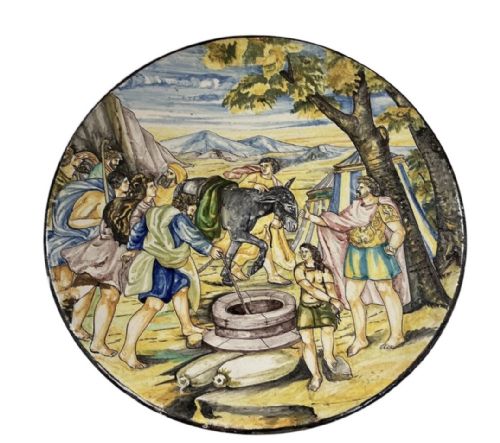
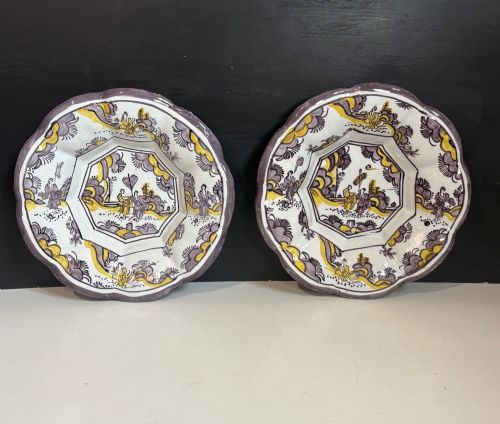
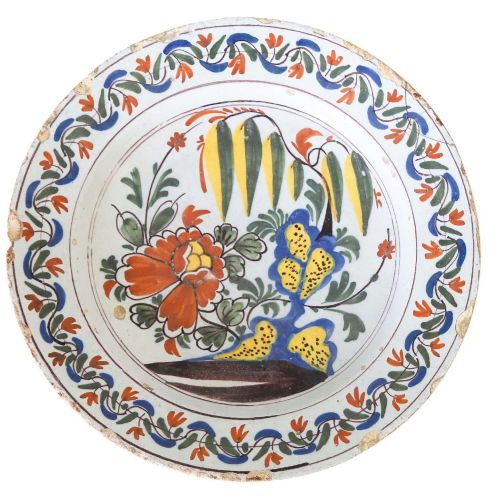
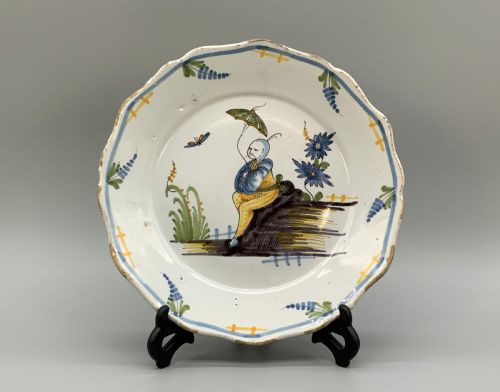
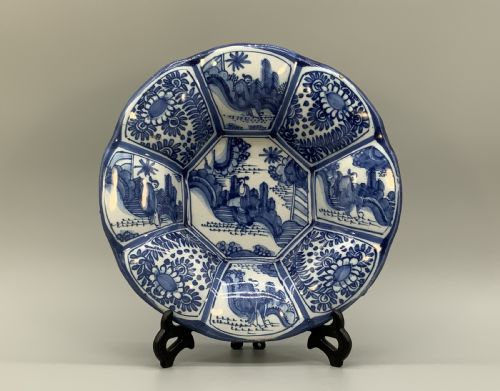
A tin glazed wall plate combines absorbent earthenware bodies with an opaque white metallic glaze designed for dramatic decorative display. These pieces appear primarily as large chargers and circular dishes produced across European and Continental workshops.
The inventory on this page spans domestic and regional traditions from the seventeenth, eighteenth, and nineteenth centuries. Dutch Delftware and English examples dominate the selection, alongside French faience, Italian maiolica, and Spanish Catalana productions.
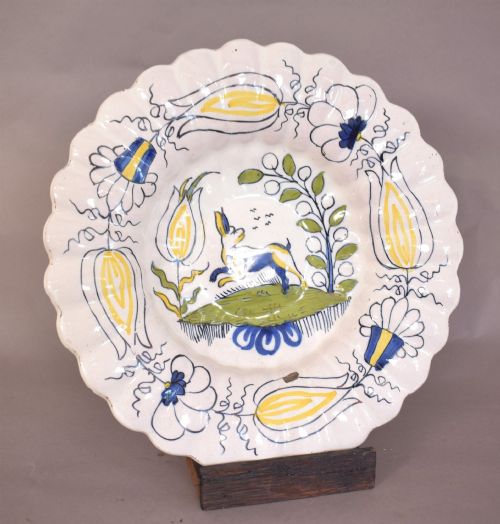
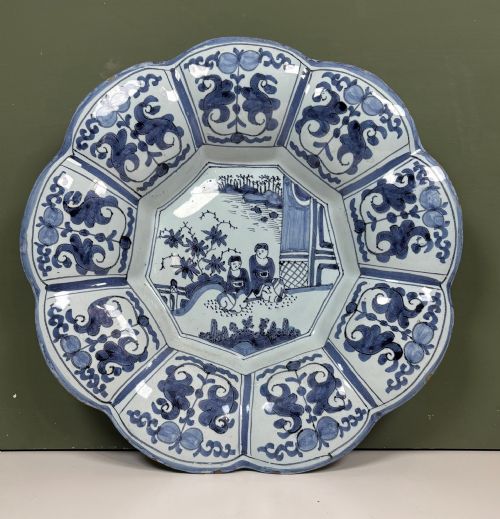
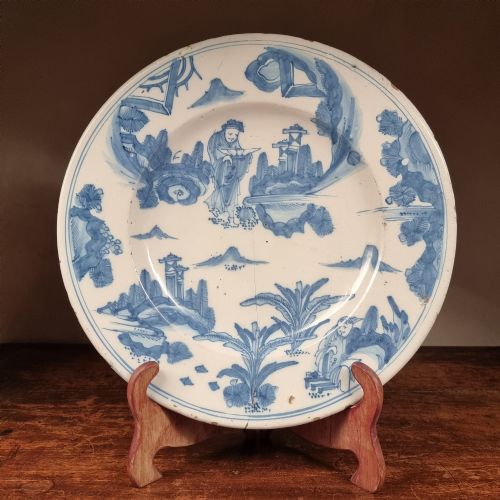
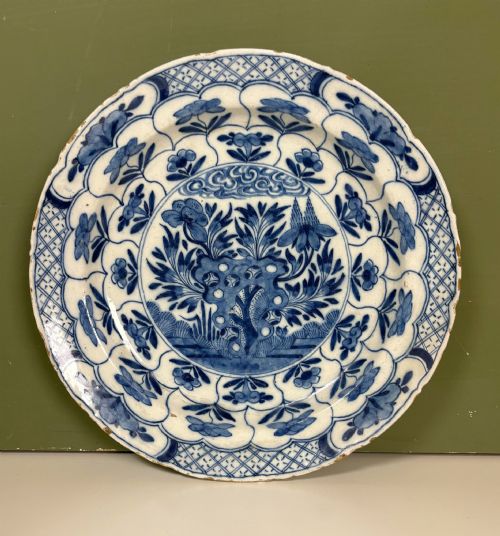
Buyers encounter distinct stylistic groups ranging from traditional blue and white floral motifs to polychrome Chinoiserie and Moorish Revival patterns. Most surviving examples retain suspension holes or mountings originally intended for wall hanging.
Materials and production methods
Potters formed the vessels from local earthenware clays before coating the fired biscuit body in a white tin oxide glaze that provided an opaque ground. This absorbent surface allowed painters to apply metallic oxides directly without room for correction.
Cobalt pigment provided the deep blues, whilst manganese, yellow, and other mineral oxides created polychrome palettes on pieces like English and French chargers. Firing in kilns set the pigments permanently into the glossy surface layer.
Listings span seventeenth-century origins through to 1940s revivals, uniting earthenware bodies with cobalt pigment and tin glazes.
Factors of distinction
Quality rests upon the crispness of the hand-painted brushwork and the complexity of the narrative or floral composition across the face. Master painters achieved fluid lines and depth, whereas lesser workshops produced stiff and repetitive motifs.
The stability and gloss of the tin glaze itself distinguish superior plates, alongside the overall thinness and potting skill of the earthenware body. Preservation of the painted colours and the structural integrity of the large charger format govern desirability.
The Tin Glazed Wall Plate Glossary
- Tin-Glazed Earthenware
- Earthenware pottery covered with a lead glaze made opaque by the addition of tin oxide. This technique forms the white background characteristic of European faience and delftware.
- Charger
- A large decorative plate intended primarily for display on a wall or dresser rather than dining use. These large formats often showcase elaborate painted scenes.
- Chinoiserie
- European interpretations of Chinese artistic motifs and styles, popular on eighteenth-century tin-glazed dishes. The style employs imagined landscapes and figures.
- Polychrome
- Decoration utilising multiple colours rather than a single pigment like blue. These palettes frequently incorporate manganese, yellow, and green alongside cobalt.
Tin Glazed Wall Plate: Frequently Asked Questions
How do I hang a heavy charger safely?
Most antique chargers feature pre-drilled footring holes or were fitted with historical wire mounts by previous collectors. Modern brass spring clips that grip the rim distribute the weight evenly against the wall.
Ensure any hanging wire engages securely with the footring rather than relying on the glazed surface alone. Professional framing or specialist wall hooks provide the necessary support for heavy earthenware bodies.
Can I use these plates for serving food?
Antique tin-glazed wall plates are intended strictly for decorative display rather than culinary use. The soft earthenware and porous historical glazes absorb moisture and acids easily.
Furthermore, historic glazes may contain trace materials unsuited for modern food contact. Preserving the fragile painted surface requires keeping them safely mounted on walls or cabinets.
How do I tell Dutch delft from English delftware?
Dutch delftware often exhibits a distinctly blue-tinted glaze known as 'list' alongside refined botanical and maritime painting. English delft, produced in centres like Lambeth or Bristol, frequently displays warmer tones and distinct regional palette preferences.
Examining the footring and glaze pooling on the reverse provides additional clues regarding workshop origin. Clay bodies also vary slightly in density and colour between Continental and British kilns.
What does grand feu mean on a delft plate?
Grand feu refers to firing the painted tin glaze and the clay body together at high temperatures in the kiln. This traditional method fuses the pigments deeply into the molten glaze layer.
The technique results in a soft blurring of the brushstrokes where the cobalt sinks into the white surface. It contrasts with low-temperature overglaze painting methods common in later ceramics.