

Tilting Tea Table
A tilting tea table is a flexible surface designed to hinge flat against a wall when not in use.
Tilting Tea Table
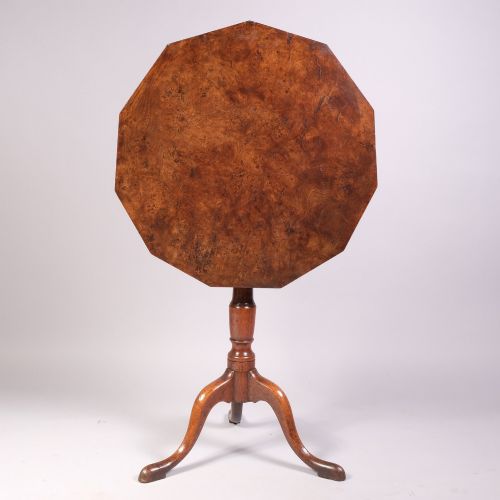
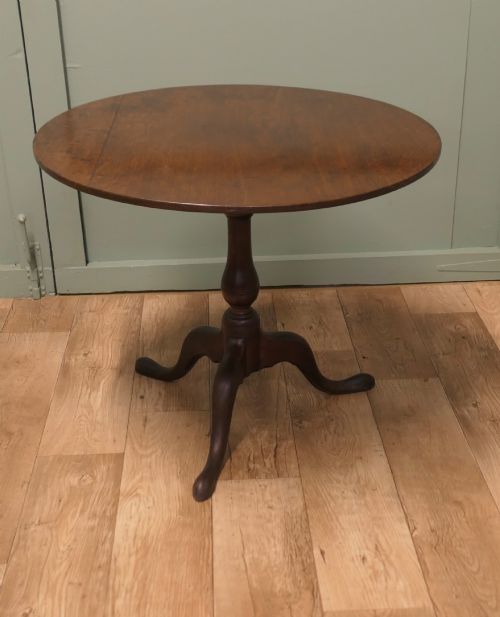
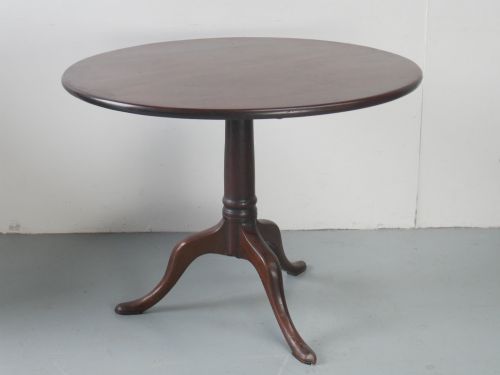
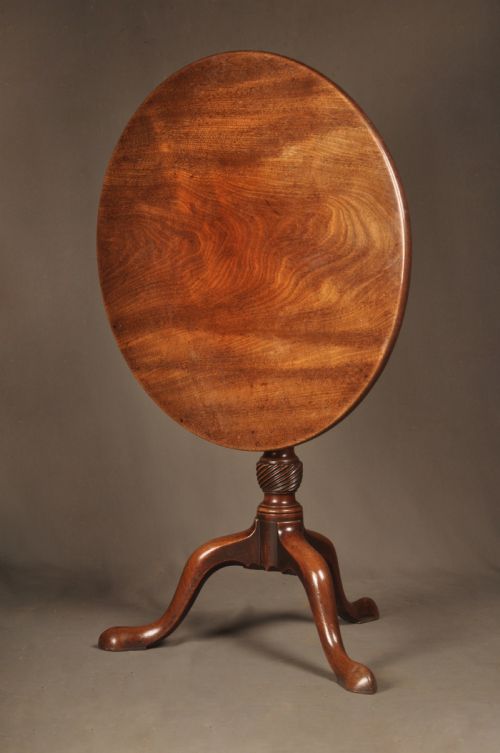
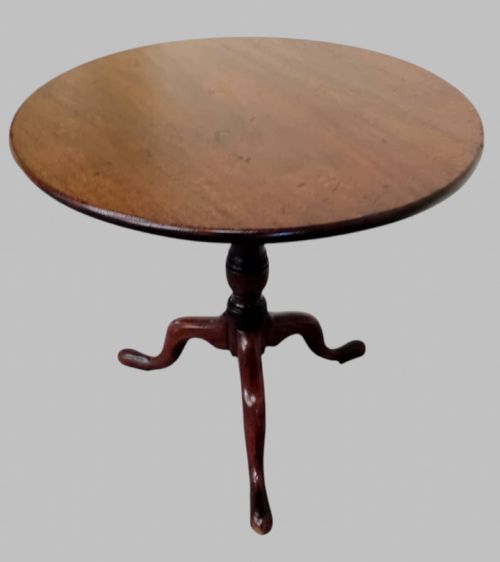
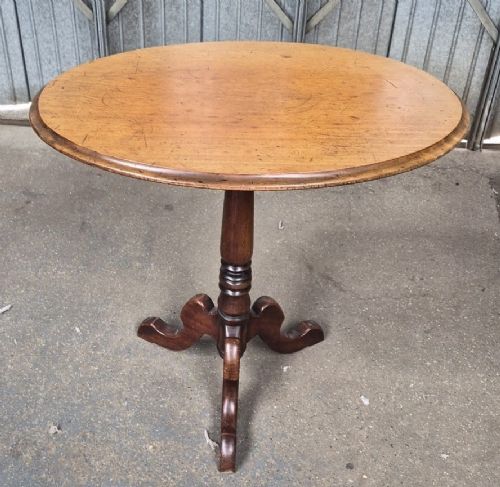
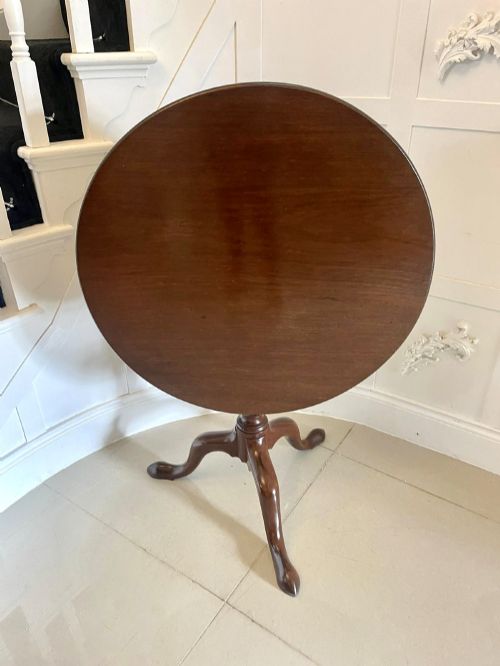
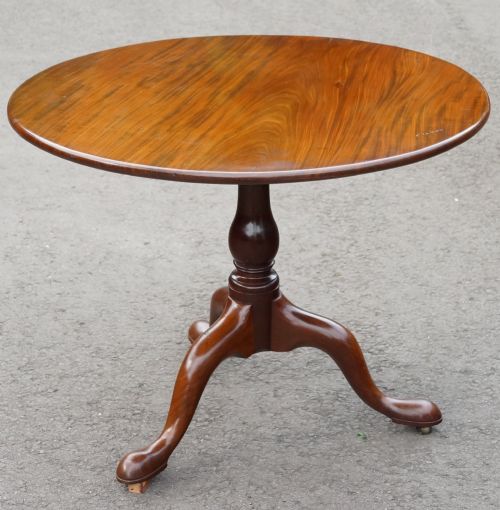
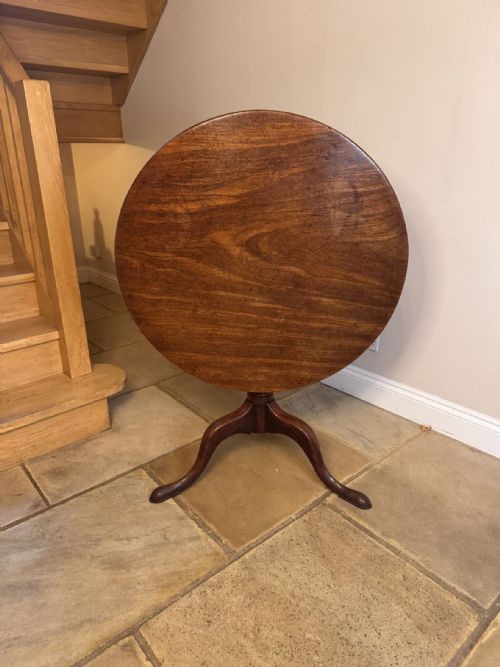
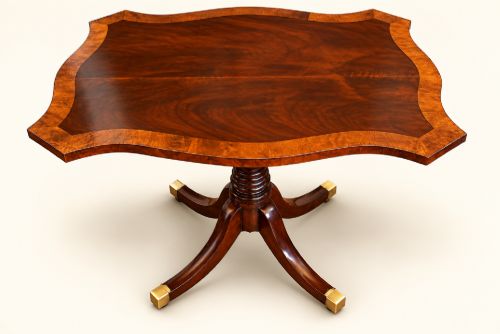
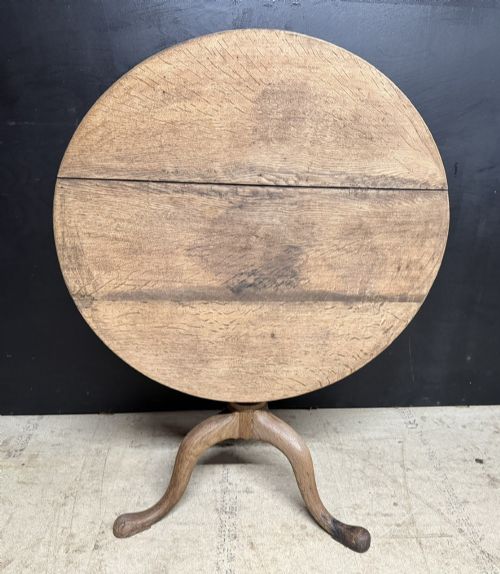
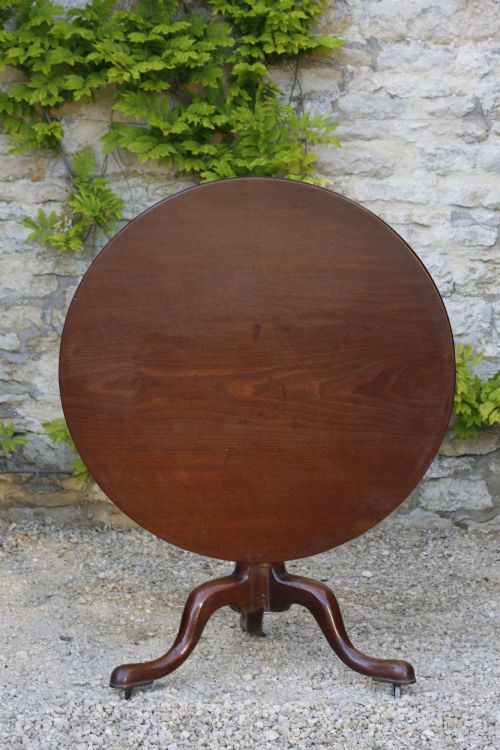
A tilting tea table serves as a convenient surface for social gatherings, featuring a top that pivots on a central pillar for compact storage. These pieces appear most frequently in Georgian, Regency and Victorian periods, taking forms such as tripod tables, wine tables and supper tables.
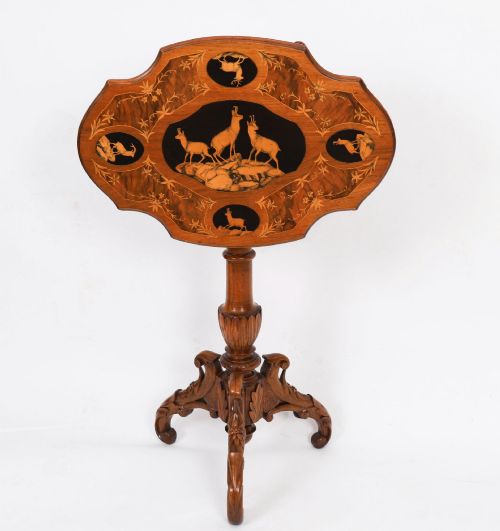
The materials span traditional timbers including mahogany, oak, walnut and rosewood, often supported by brass castors or iron mechanisms. Buyers encounter circular, oval and pie-crust designs suited for occasional use in domestic interiors.
Timbers and mechanics
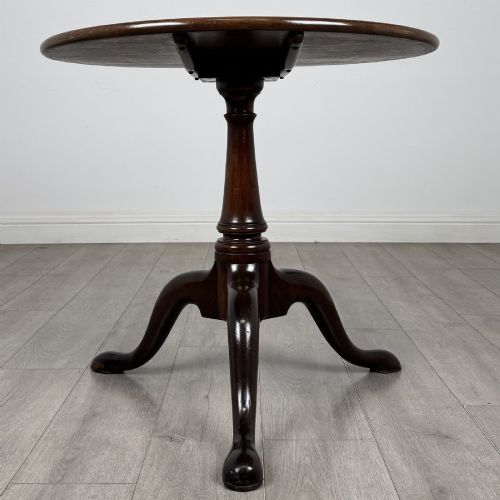
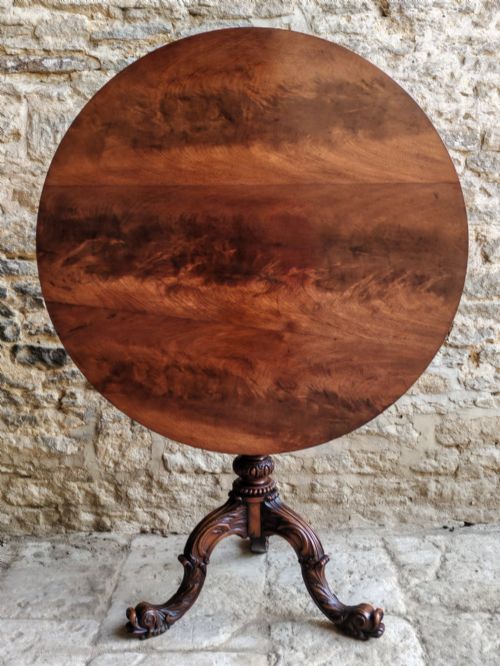
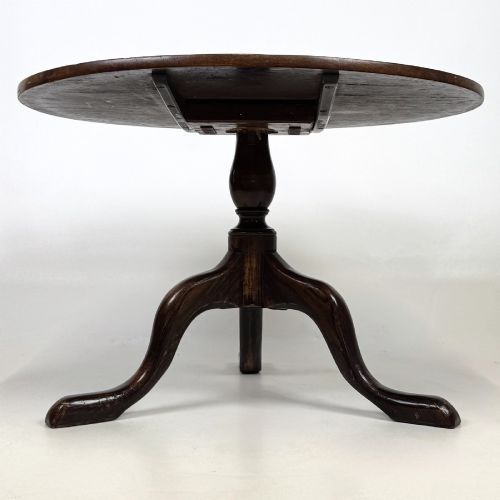
Cabinetmakers utilised dense hardwoods like mahogany, walnut and oak, selecting figured grains for prominent table tops. Many examples incorporate a birdcage mechanism beneath the surface, allowing the top to both revolve and tilt.
Tripod bases terminate in pad feet or carved legs, sometimes enhanced with brass fittings, inlay or marquetry details in later Victorian interpretations.
Tilting Tea Table Retail Price Guide 2026
Typical asking prices for tilting tea table among the pieces listed under this phrase on Sellingantiques today, from the lower quarter to the upper quarter. They describe what is for sale here now, not the wider market.
Listings span the Georgian, Regency and Victorian eras, utilising mahogany, oak, walnut, rosewood and fruitwood.
Judging construction and finish
The distinction between standard and superior pieces lies in the crispness of the carving, particularly around pie-crust edges and tripod legs. Finely constructed examples display well-figured timber grain and smooth action in the tilting mechanism.
Proportion and stability define the better proportioned tables, where the pillar and legs maintain balance without clumsy repairs or replacement brass work.
The Tilting Tea Table Glossary
- Tilt-top table
- A table with a hinged top that rotates to a vertical position when not in use.
- Birdcage
- A timber framework beneath the table top that enables the surface to rotate as well as tilt.
- Tripod table
- A small freestanding table supported by a central pillar resting on three legs.
- Pie-crust edge
- A raised, carved moulding shaped in undulating curves around the perimeter of a circular top.
- Pad foot
- A simple rounded foot found at the base of cabriole legs on Georgian furniture.
Tilting Tea Table: Frequently Asked Questions
What is a tilting tea table?
A tilting tea table is a portable wooden table designed with a hinged mechanism so the top can pivot vertically against a wall.
They emerged to save floor space in domestic rooms when tea service concluded.
How were these tables used originally?
They functioned as movable surfaces for serving tea, dining or holding lamps during the evening.
The tilting mechanism allowed servants or homeowners to tuck the furniture neatly aside.
How do I identify a Georgian tilt top?
Georgian examples typically feature solid mahogany or oak timbers, often supported by tripod legs with pad feet.
Many incorporate a birdcage box under the circular top for rotational movement.
Can I use a tilt top table daily?
These tables adapt well as occasional lamp or coffee tables in modern reception rooms.
Care should be taken with moisture and heat placed directly on the polished timber surface.