

Occasional Coffee Table
An occasional coffee table brings adaptable surface space and period character into a room without dominating the floor.
Occasional Coffee Table
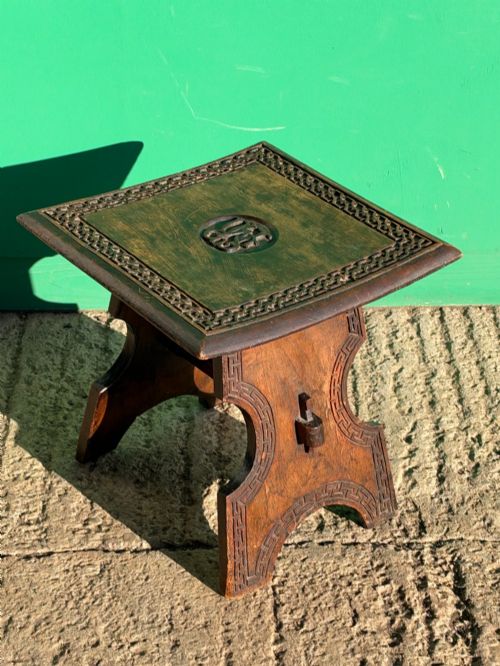
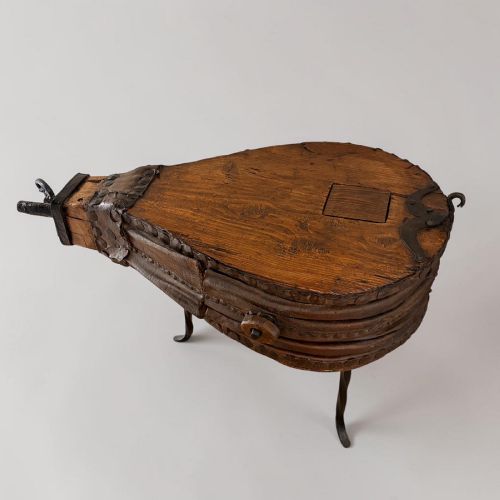
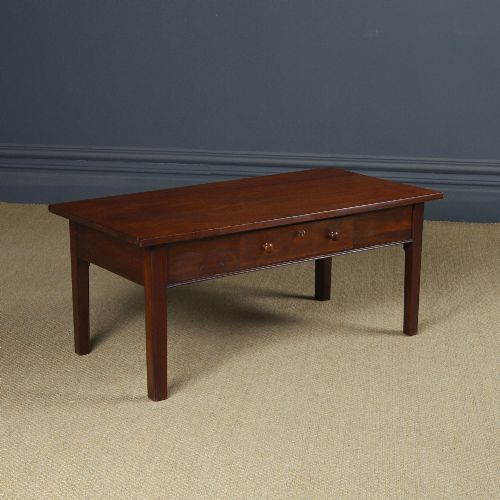
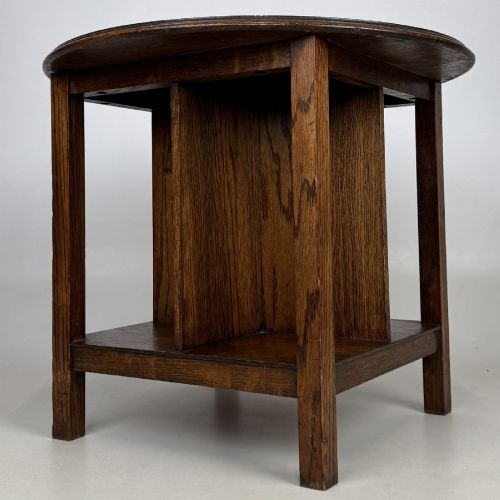
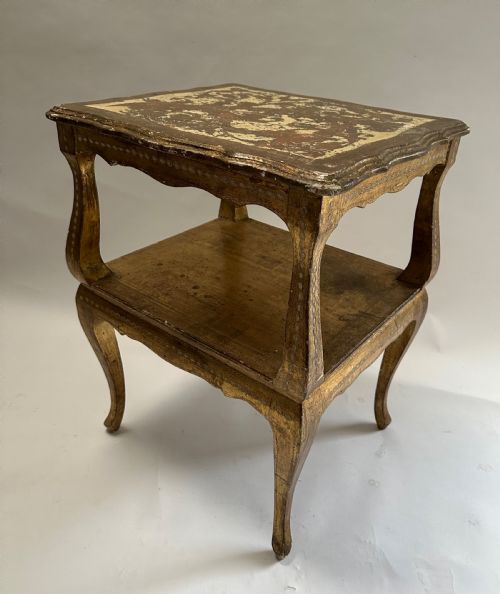
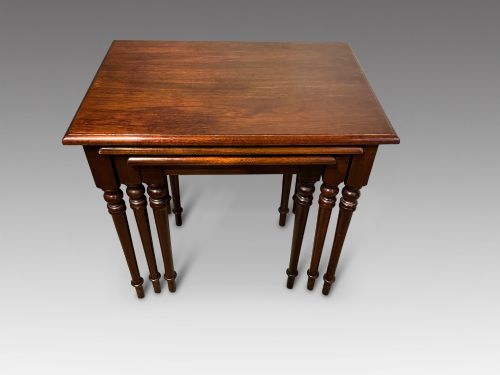
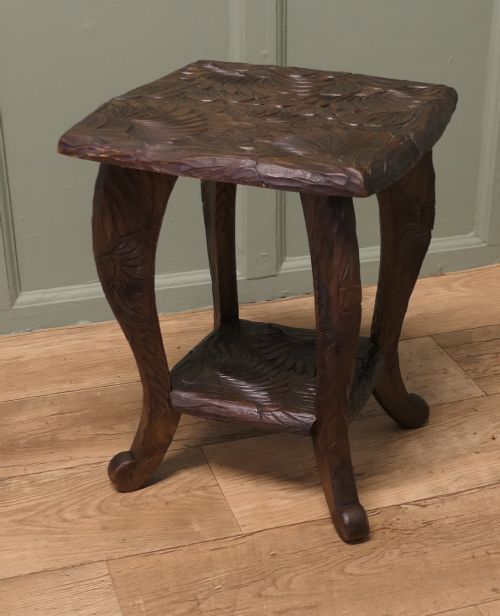
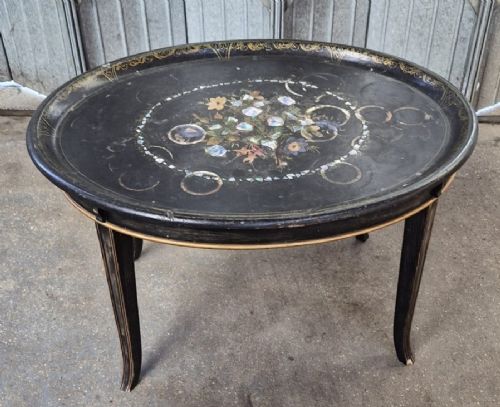
An occasional coffee table serves as a flexible low surface, appearing across styles from Edwardian drawing rooms to Art Deco sitting rooms. These pieces encompass diverse forms, including nests of tables, tray tables on stands, and low pedestals adapted for daily use.
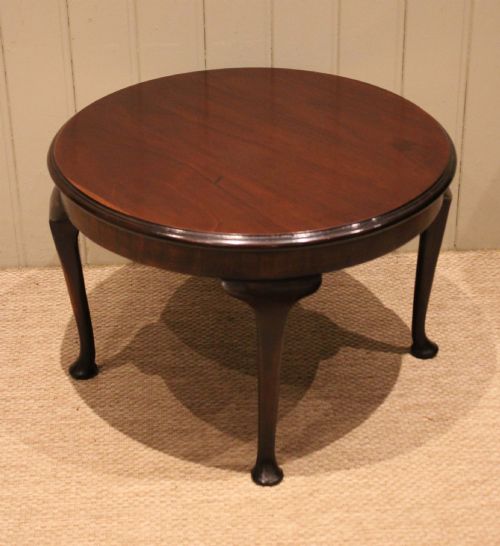
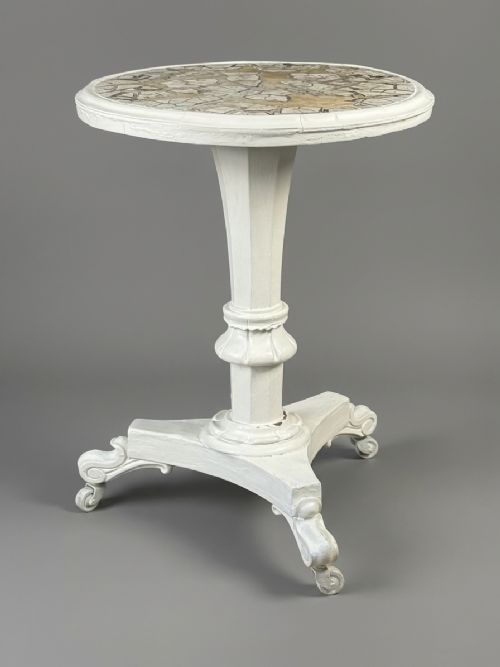
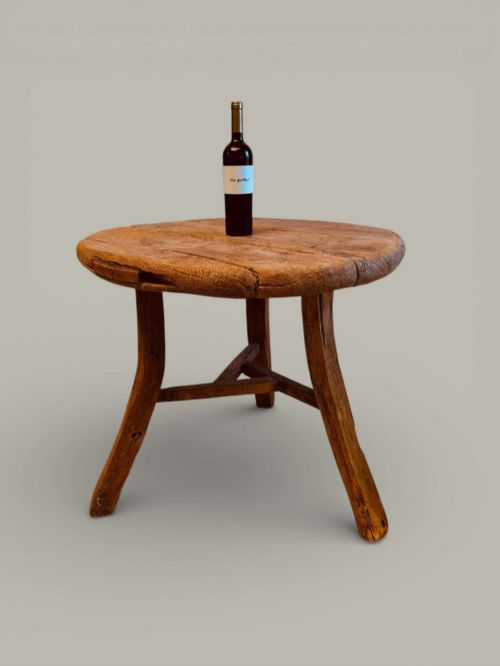
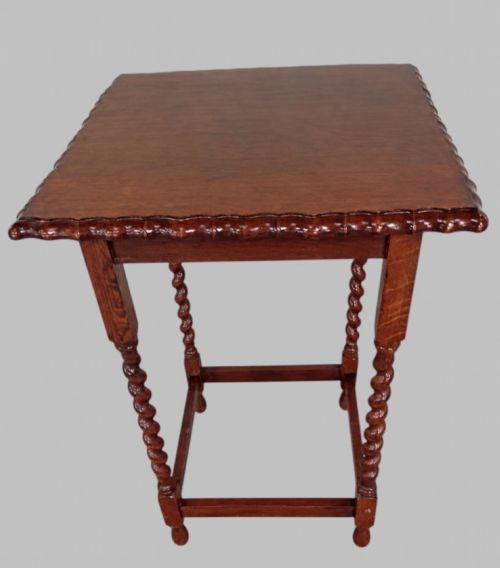
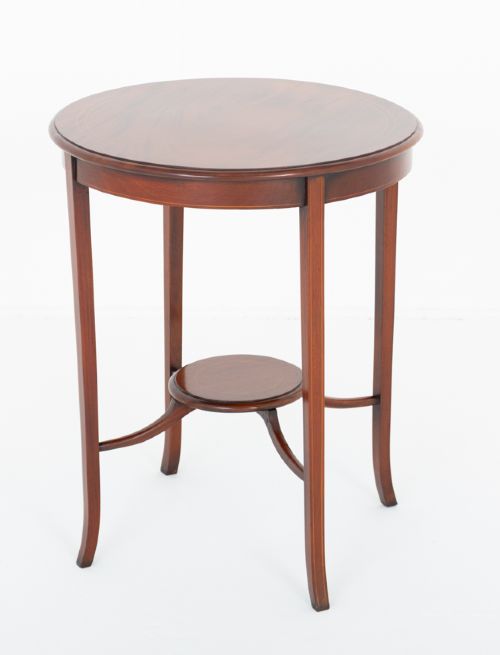
The pieces on this page lean heavily toward Edwardian and Victorian designs alongside 1930s Art Deco examples. Buyers frequently encounter mahogany and walnut constructions, often featuring multiple tiers or nesting capabilities that suit modern living spaces.
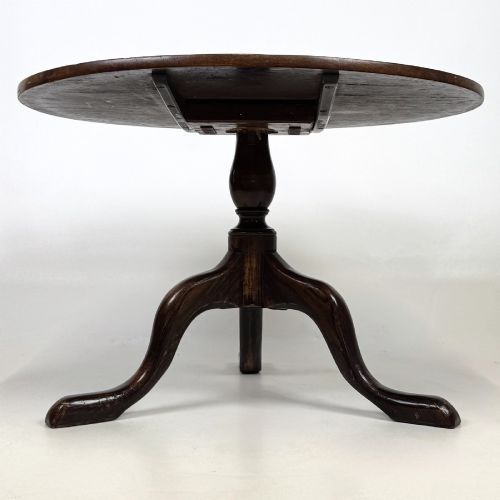
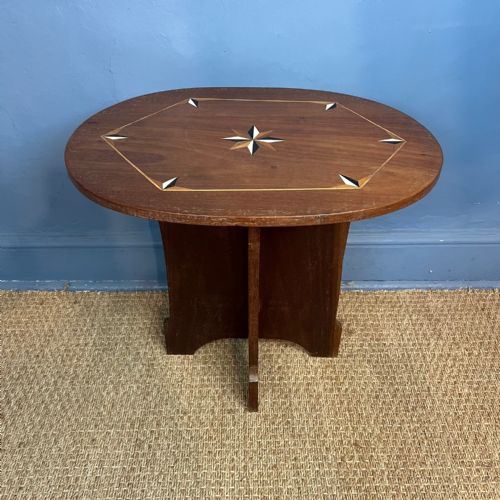
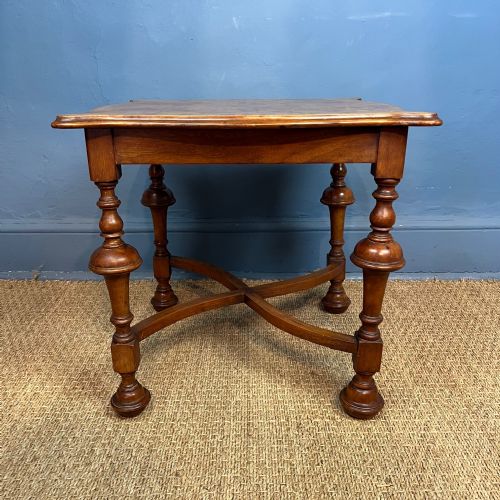
Formats range from square low tables and oval tilt-top designs to octagonal shelved stands and quartetto sets. Each variation provides a distinct footprint while maintaining the mobility inherent in traditional occasional furniture.
Materials and Construction Methods
Cabinet makers utilised dense hardwoods such as mahogany, oak, and walnut, frequently applying burr walnut or walnut veneer to enhance table tops. Structural integrity relied on traditional joinery, cabriole legs, and turned stretchers.
Decorative detailing incorporates satinwood inlay, mother of pearl, copper inserts, and papier-mâché. Marble and slate tops also appear on specific nineteenth-century and mid-century low tables, adding weight and durable surface textures.
Occasional Coffee Table Retail Price Guide 2026
Typical asking prices for occasional coffee table among the pieces listed under this phrase on Sellingantiques today, from the lower quarter to the upper quarter. They describe what is for sale here now, not the wider market.
Listings feature woods spanning mahogany, walnut, oak, and rosewood, alongside marble and slate table tops.
Markers of Quality and Craft
Distinctions in quality rest upon the selection of timber grains, such as matched burr walnut veneer or finely figured mahogany. Superior pieces display crisp inlay work and carefully carved stretchers rather than stamped ornamentation.
The structural execution of nesting sets and folding stands dictates longevity, where tight joints and smooth sliding actions separate standard production from superior workshops.
The Occasional Coffee Table Glossary
- Quartetto
- A set of four graduating tables designed to nest together. They stack neatly when floor space is required.
- Cabriole leg
- A furniture leg that curves out and then in, resembling an animal's leg. This form appears frequently on Edwardian and Victorian tables.
- Butler tray
- A removable wooden tray with hinged or handled sides placed upon a folding stand. It originated for domestic serving purposes.
- Stretcher
- A horizontal support connecting the legs of a table for added stability. Carved variations often indicate finer craftsmanship.
- Inlay
- A technique where contrasting materials like satinwood or mother of pearl are embedded into the wood surface to form patterns.
Occasional Coffee Table: Frequently Asked Questions
What is an occasional coffee table?
An occasional coffee table is a portable or compact surface designed to be moved around a room as needed. These pieces encompass side tables, low low-slung pedestals, and nesting sets.
They adapt easily to seating arrangements where a fixed centre table would crowd the floor space.
How were nest of tables used?
Nests of tables provided extra surfaces for tea, books, or writing that could be stacked away into a single footprint. Households deployed the smaller tiers individually when guests visited.
Sets of three or four graduating tables appear commonly in Edwardian and Art Deco inventories.
How do I identify an Edwardian table?
Edwardian tables often feature light mahogany frames, delicate satinwood stringing, and tapered or cabriole legs. Their construction emphasises lightness and refined domestic utility.
Makers working in this era frequently produced quartetto nesting sets and inlaid occasional pieces.
Can I use a tray table for daily coffee?
Tray tables with folding stands offer a stable, removable surface well suited to everyday use. The raised edges prevent items from sliding off.
Mahogany and oak versions from the Edwardian and Victorian periods blend practical utility with period charm.