



Brown Wood Supper Table
These brown wood supper table examples offer versatile dining and gathering spaces, crafted primarily in mahogany and walnut across Georgian and Regency periods.
Brown Wood Supper Table
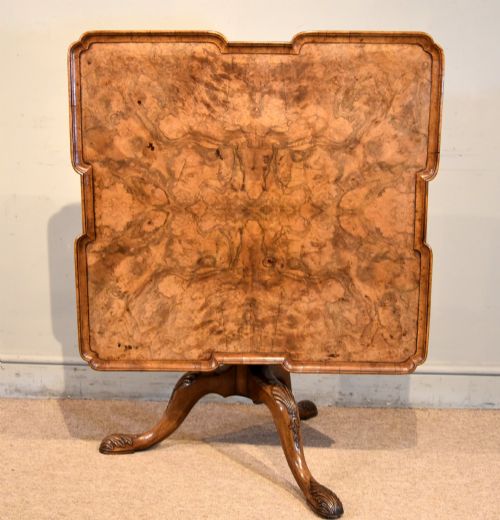
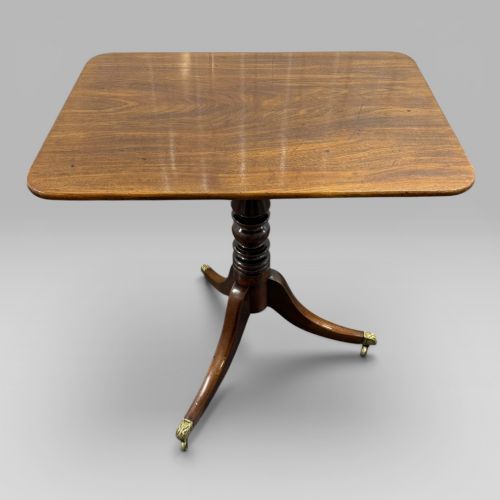
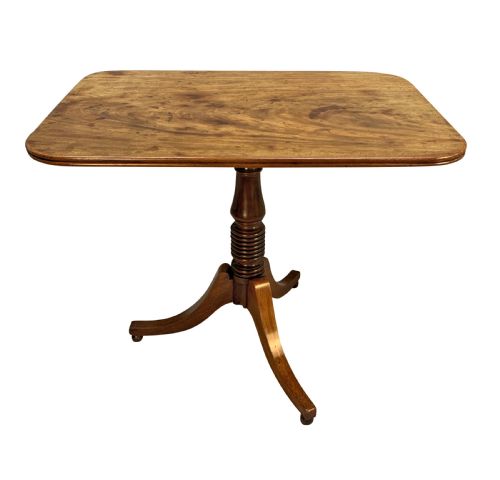
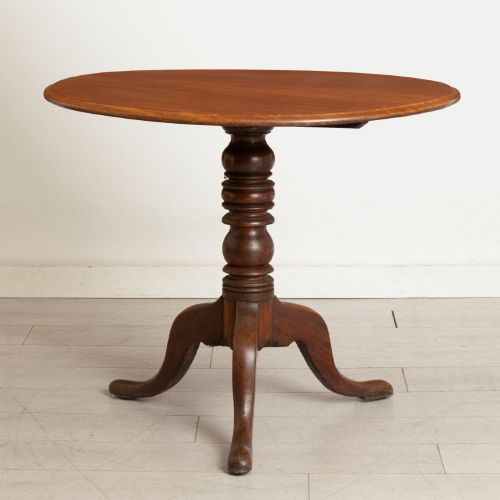
A brown wood supper table serves as a flexible surface for dining or occasional use, frequently taking the form of a tilt-top or breakfast table. These pieces emerge predominantly from the Georgian, Regency, and nineteenth-century periods, built to accommodate gatherings or fold away compactly.
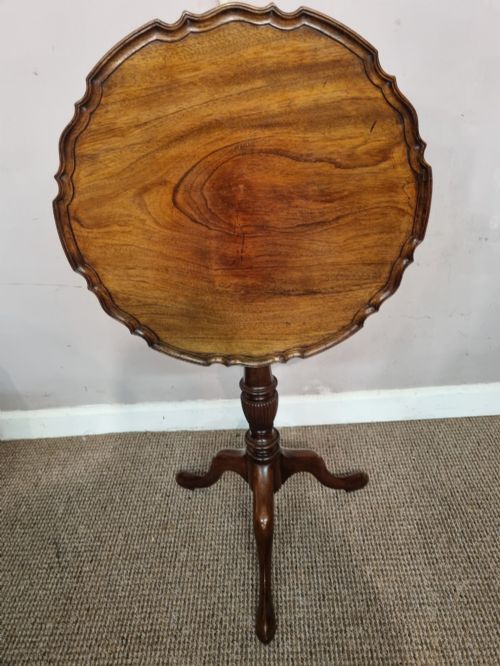
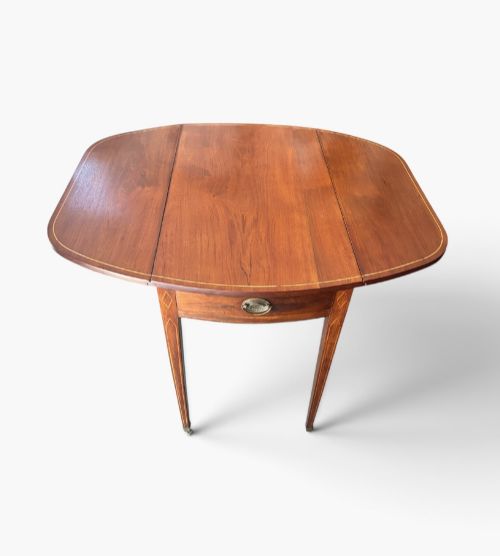
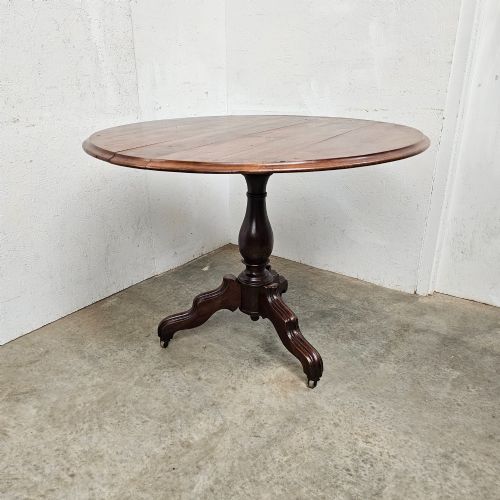
The most common form encountered on this page is the tilt-top tripod table in mahogany or walnut, designed with a pivoting mechanism for convenient storage. Alongside these, buyers find pembroke tables, extending dining formats, and oak drop-leaf variations reflecting diverse domestic needs.
Origins span formal eighteenth-century workshops through to nineteenth-century interpretations, showing how dining habits evolved. Whether designed for four seated guests or as an occasional centre table, each piece balances utility with traditional cabinet-making forms.
Materials and construction methods
Makers relied heavily on dense tropical hardwoods like mahogany and walnut, occasionally accented with boxwood inlay, satinwood, or cherry wood details. These timbers provided the structural stability required for tilting mechanisms and pedestal bases.
Tripod bases and turned pedestals support the tops, sometimes incorporating brass casters for mobility on nineteenth-century examples. Pie crust edges, snap-top catches, and drop-leaf hinges demonstrate specialised carpentry developed to manage heavy timber tops.
Brown Wood Supper Table Retail Price Guide 2026
Typical asking prices for brown wood supper table among the pieces listed under this phrase on Sellingantiques today, from the lower quarter to the upper quarter. They describe what is for sale here now, not the wider market.
Listings feature mahogany predominantly, alongside walnut, oak, and cherry wood, spanning periods from the eighteenth century to the early twentieth century.
Determining quality and craftsmanship
Quality rests in the choice of timber grain and the precision of the pivoting mechanism, where tighter tolerances indicate superior workshop execution. Tables featuring figured mahogany or burr walnut veneers demonstrate greater ambition from the maker.
Proportion and carving detail separate standard utility items from finer parlour pieces, particularly in the shaping of tripod legs and pedestal turnings. The crispness of edge mouldings, such as pie crust borders, reveals the hand of a skilled artisan.
The Brown Wood Supper Table Glossary
- Tilt-top table
- A table with a hinged top that pivots vertically to allow compact storage against a wall when not in use. This mechanism is common among eighteenth and nineteenth-century examples.
- Tripod table
- A small freestanding table supported by a central pillar resting on three spreading feet. This design ensures stability on uneven floors.
- Pembroke table
- A drop-leaf table featuring hinged flaps on two opposing sides and frequently containing a drawer. It functioned as a versatile breakfast or occasional surface.
- Pie crust edge
- A raised, decoratively carved rim shaped in gentle undulations along the perimeter of a circular wooden top. It is typically associated with Georgian craftsmanship.
- Snap top
- A spring-loaded or brass catch mechanism that locks a tilting table top securely into the horizontal position during use.
Brown Wood Supper Table: Frequently Asked Questions
How do I use a tilt top table?
The top pivots on a horizontal axis, allowing you to swing the surface from a vertical storage position down into a flat horizontal plane.
A secure catch underneath locks the board in place so the table functions safely for dining or holding objects during the day.
Are these tables suitable for daily dining?
Many of these pieces were specifically built as breakfast or supper tables, making them practical for everyday meals in modern spaces.
Pedestal and tripod versions offer flexible legroom, though extending formats provide more permanent seating capacity for households.
How do I distinguish Georgian from Victorian tables?
Georgian examples often display restrained classical proportions, finer timber selection, and handcrafted pillar joints typical of the eighteenth century.
Victorian pieces tend to introduce heavier pedestals, alternative secondary woods like oak, and practical additions such as brass casters for easier movement.
What is the difference between a supper table and a breakfast table?
In historical usage, names often overlapped depending on the size and whether the top tilted for storage between meals.
Both terms generally describe versatile occasional or dining surfaces designed to be moved easily around domestic rooms.