


Three Leg Console Table
A three leg console table brings functional elegance to hallways and compact spaces through traditional timber construction.
Three Leg Console Table
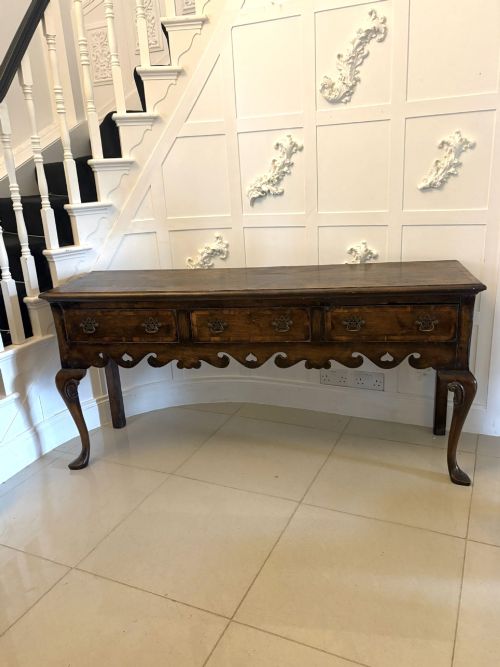
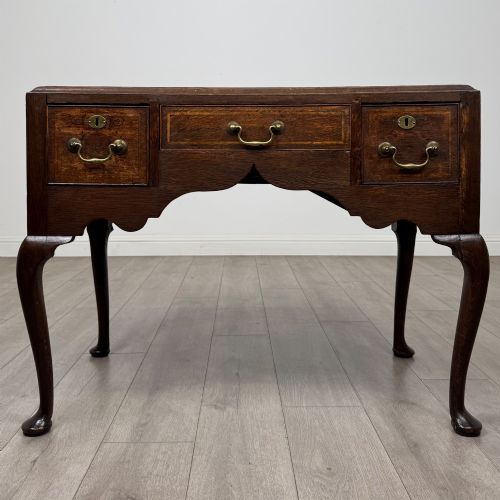
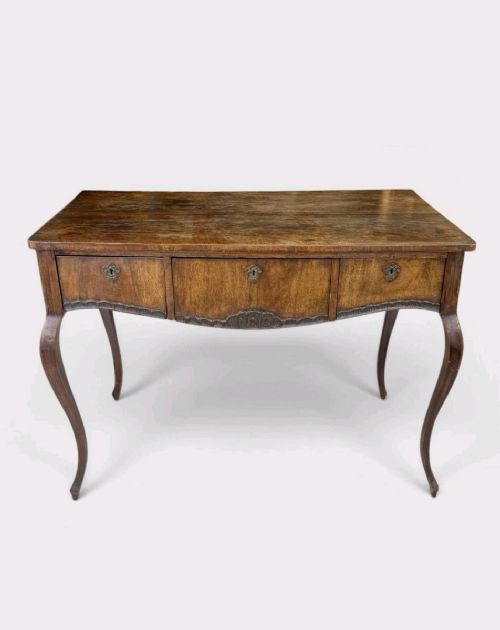
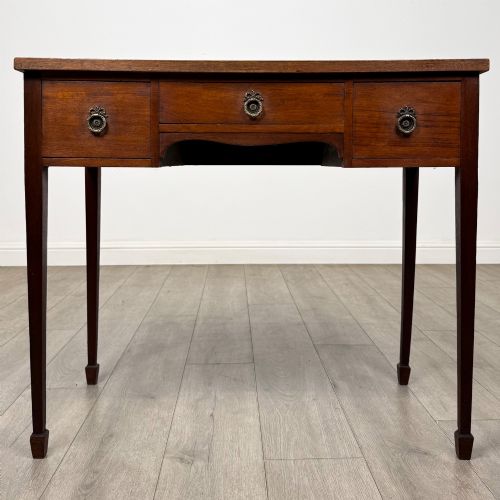
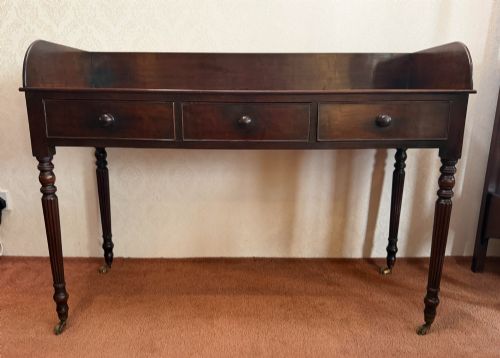
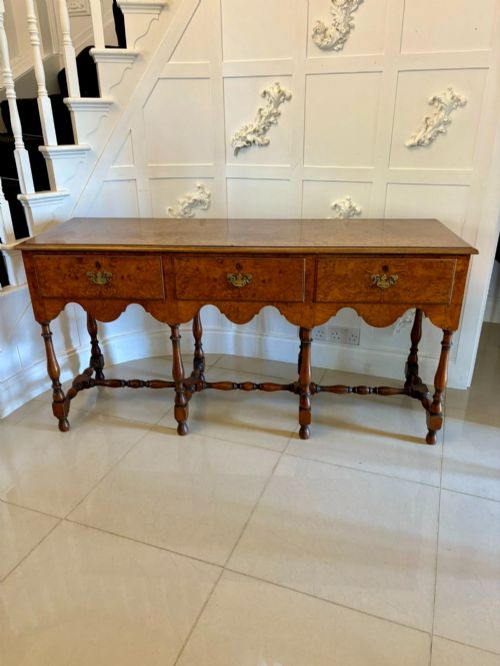
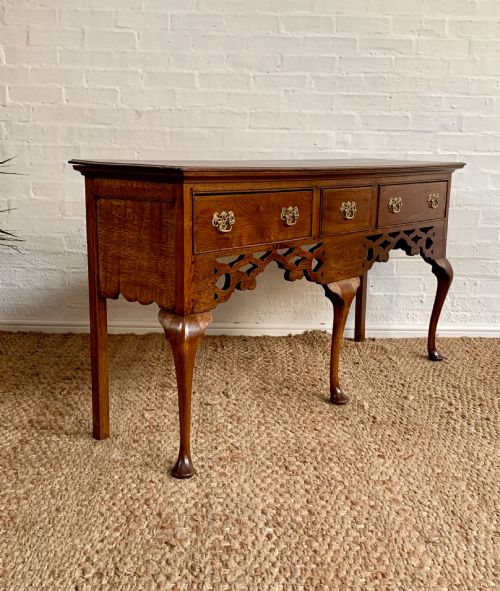
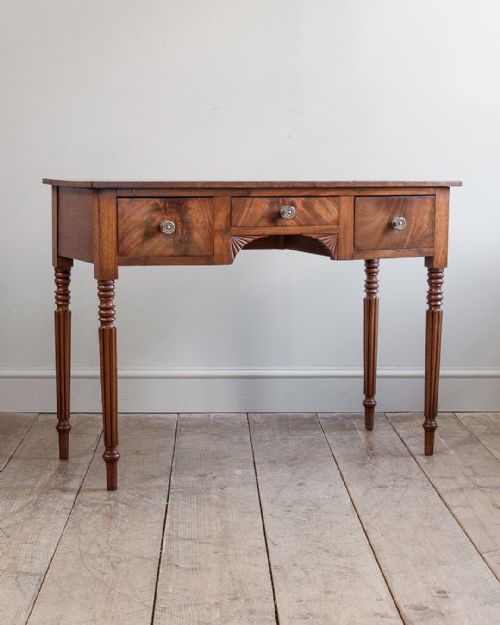
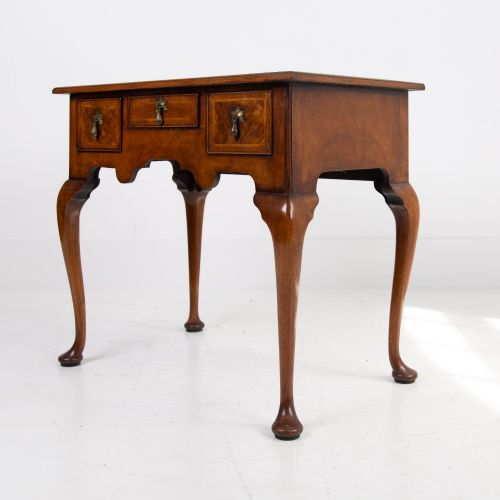
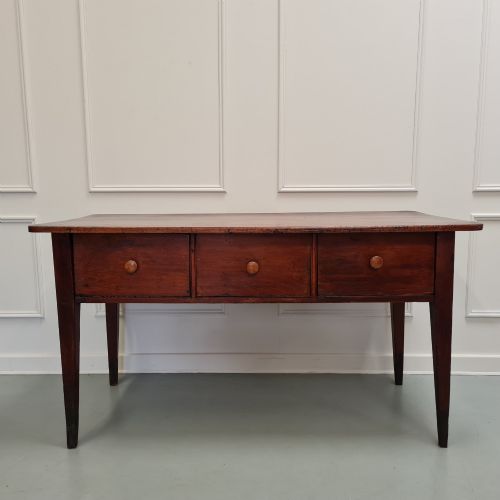
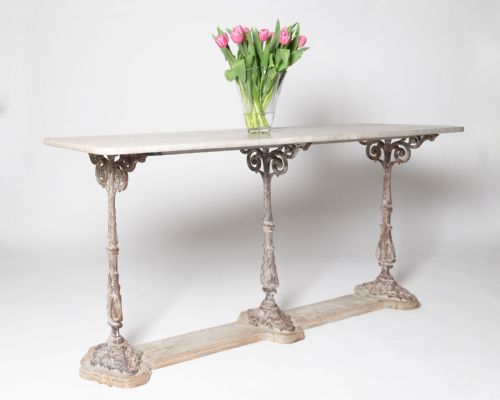
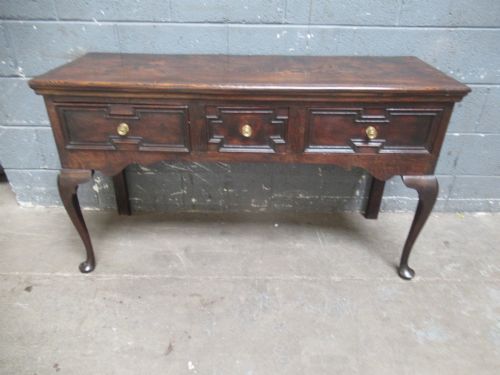
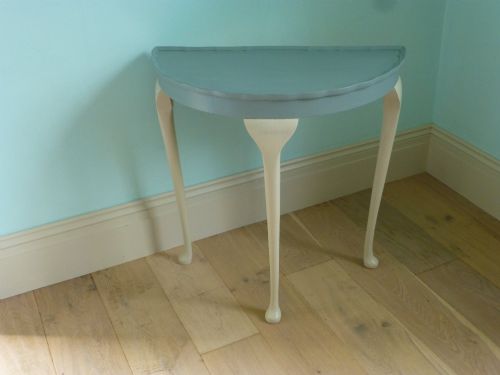
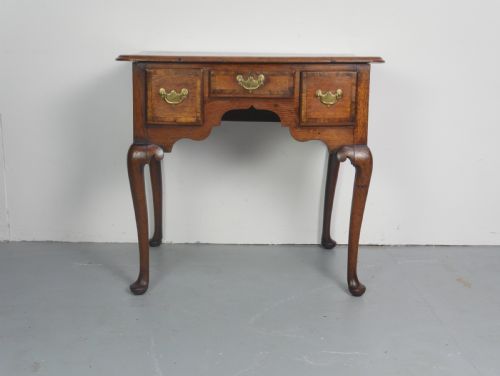
A three leg console table in this collection typically appears as a lowboy, side table, or demi-lune hall table. These forms serve rooms where depth is restricted, standing flush against walls or tucked into narrow entryways.
The pieces span periods from the eighteenth century through the twentieth century, encompassing original Georgian and Victorian examples alongside later revival styles. Oak, mahogany, and walnut dominate the selection, often featuring single or multiple drawers beneath a polished top.
Materials and construction methods
Cabinetmakers utilised solid timbers such as oak, mahogany, and walnut, frequently applying burr walnut veneers or feather banding to decorative surfaces. Painted wood, pine, and cherrywood also appear across the selection, paired occasionally with marble inserts.
Joinery methods rely on traditional cabinet construction, supporting legs that range from straight tapered profiles to cabriole supports. Brass handles and drawer pulls finish the structural composition of the tables.
Several tables arrive with hidden nooks designed for seventeenth-century secrets that nobody wrote down.
Judging the standard of execution
Quality rests upon the selection of timber figures and the crispness of carved details like cabriole legs or feather banding. Superior examples display careful grain matching on drawer fronts and smooth operation within the drawer chambers.
The integrity of the original structure and the preservation of patination separate finer antique pieces from later revival items. Consistency in timber ageing and minimal intervention during past restorations maintain the visual value of the table.
The Three Leg Console Table Glossary
- Lowboy
- A small table with one or more drawers, originating in the eighteenth century and commonly used as a dressing table or side table.
- Demi-lune
- A half-moon shaped furniture form designed to stand flat against a wall.
- Cabriole leg
- A furniture leg that curves outward and then tapers inward, finishing in a pad or foot.
- Feather banding
- A decorative inlay technique using veneer strips arranged in a herringbone pattern around drawer perimeters.
Three Leg Console Table: Frequently Asked Questions
What is a lowboy?
A lowboy is a small table equipped with drawers, standing on relatively short legs. Eighteenth-century makers designed them primarily for domestic storage in bedrooms or reception rooms.
Over time, these tables moved into hallways and living spaces as convenient surfaces for lamps and decorative objects while retaining their traditional drawer arrangements.
Where should I place a console table?
Console tables fit well in entrance halls, narrow corridors, and reception rooms where floor space is limited. Their shallow depth allows them to sit against walls without obstructing pathways.
They function effectively beneath mirrors or artwork, providing a steady surface for keys, post, and small decorative items.
How do I identify oak furniture?
Oak furniture displays a prominent, open grain pattern with characteristic medullary rays visible across the surface. This durable timber ranges in tone from pale straw to deep golden brown.
Older oak pieces often exhibit hand-planed surfaces and pegged mortise and tenon joinery rather than modern metal fasteners.
What distinguishes Georgian from Victorian styles?
Georgian furniture, produced during the eighteenth and early nineteenth centuries, favours proportion, classical restraint, and understated walnut or mahogany veneers. Decorative carving remains disciplined and structural.
Victorian pieces from the later nineteenth century often introduce heavier proportions, diverse revival influences, and darker finishes that reflect industrial manufacturing advances.