

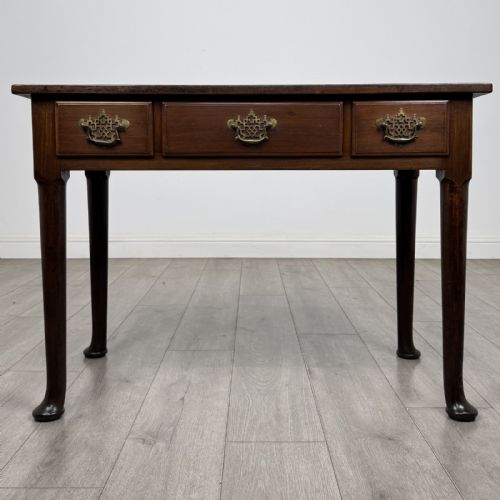
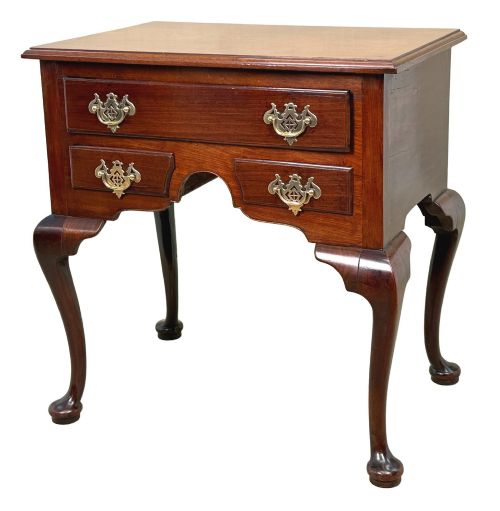
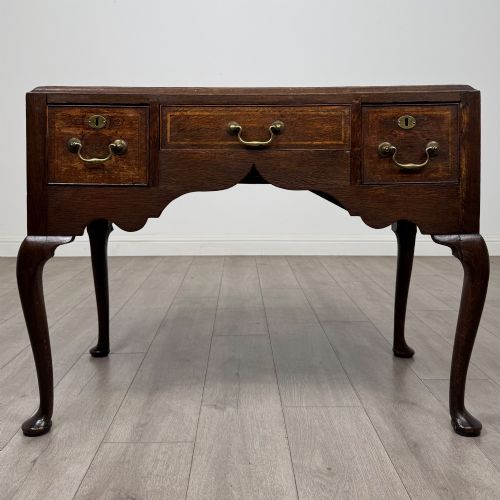
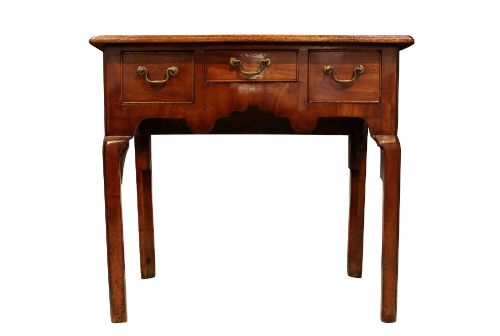
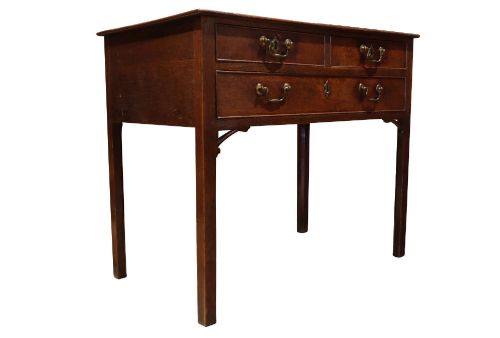
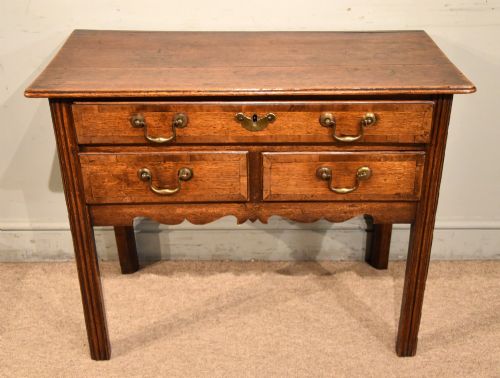
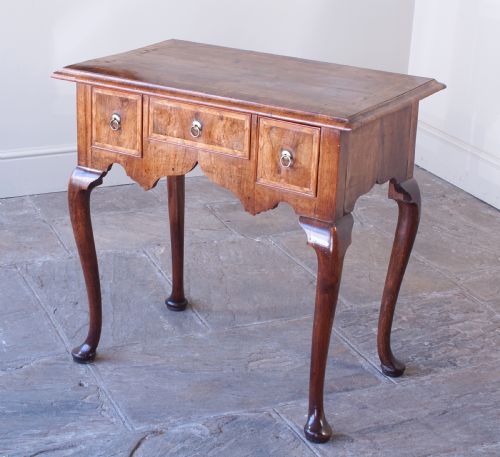


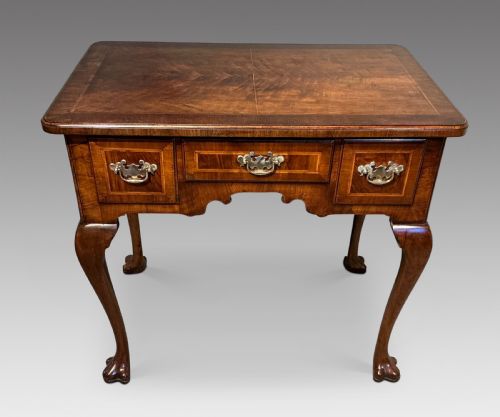


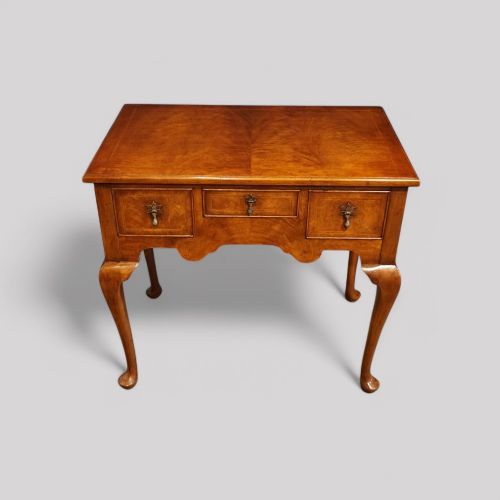
Three Drawer Lowboy Desk
A three drawer lowboy desk offers compact elegance and practical surface space, making it a versatile writing table or dressing table for any room.
Three Drawer Lowboy Desk
When you search for a three drawer lowboy desk, you examine low-standing tables equipped with drawer storage beneath the surface, frequently utilised as writing desks, dressing tables or side tables.
The version you are most likely to meet on this page dates from the eighteenth century, encompassing George I, George II and George III periods, alongside later Georgian Revival examples.
Constructed predominantly in oak, mahogany and walnut, these items often display a configuration of one wide drawer above two smaller ones or three drawers in a row.
How they were made
Cabinet makers utilised solid timbers such as oak, mahogany, walnut and fruitwood, occasionally applying burr walnut veneer or feather banding to enrich the surface appearance.
Construction techniques involved traditional joinery for the frames and drawers, complemented by brass hardware for handles and drawer pulls.
Three Drawer Lowboy Desk Retail Price Guide 2026
Typical asking prices for three drawer lowboy desk among the pieces listed under this phrase on Sellingantiques today, from the lower quarter to the upper quarter. They describe what is for sale here now, not the wider market.
These nimble tables often moonlighted as makeshift dressing stations where powdered wigs met their daily match.
What varies in quality
The refinement of the timber selection distinguishes standard pieces from superior examples, with highly figured burr walnut or rich mahogany commanding greater appreciation.
The intricacy of the leg design, ranging from straightforward cabriole legs to simpler turned supports, alters the formal character of the lowboy.
The Three Drawer Lowboy Desk Glossary
- Lowboy
- A small table with drawers, standing on relatively tall legs, commonly used as a dressing table or writing desk.
- Cabriole leg
- A furniture leg that curves out and then in, resembling the leg of an animal in motion.
- Feather banding
- A decorative inlay technique using veneer strips arranged in a herringbone pattern around drawer edges.
Three Drawer Lowboy Desk: Frequently Asked Questions
What is a lowboy used for?
A lowboy serves multiple domestic functions depending on its placement in the home. Historically, people utilised them as writing desks, dressing tables or side tables in reception rooms.
Today, buyers place them in hallways or bedrooms where surface space is limited but refined storage remains necessary.
How do I date an antique lowboy?
Dating relies heavily on observing the primary timbers, construction methods and stylistic markers present in the piece. Eighteenth-century examples often display specific regional characteristics in their oak or walnut framing.
Later revival pieces from the twentieth century mimic these earlier Georgian forms but reveal different secondary woods and joinery upon closer inspection.
Are all lowboys fitted with three drawers?
While many lowboys feature a layout of three drawers, others possess a single long drawer or a configuration of side drawers. The three-drawer arrangement typically includes a central shallow drawer flanked by two deeper ones.
This specific layout provided convenient storage for writing materials or grooming items in period chambers.
Which woods appear most frequently?
Oak and mahogany form the vast majority of surviving examples, reflecting the dominant cabinet-making materials of the eighteenth century. Walnut and fruitwood appear somewhat less frequently but offer distinct decorative variations.
Craftsmen also utilised burr walnut veneer and decorative banding to enhance the visual appeal of walnut tables.