
Thonet Style Hall Tree
A thonet style hall tree brings light, curved woodwork and practical hanging space into the entrance hall.
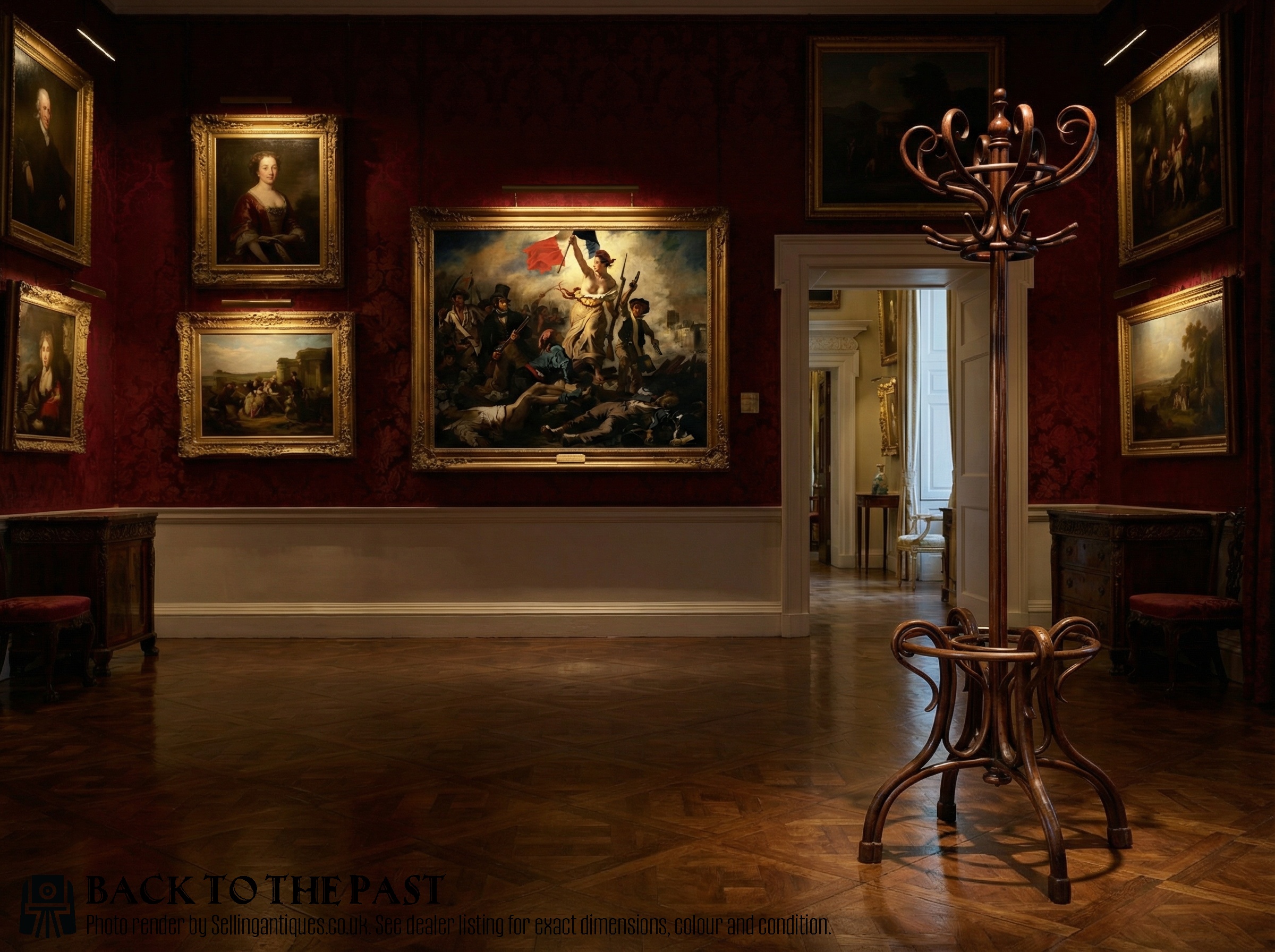
Thonet Style Hall Tree
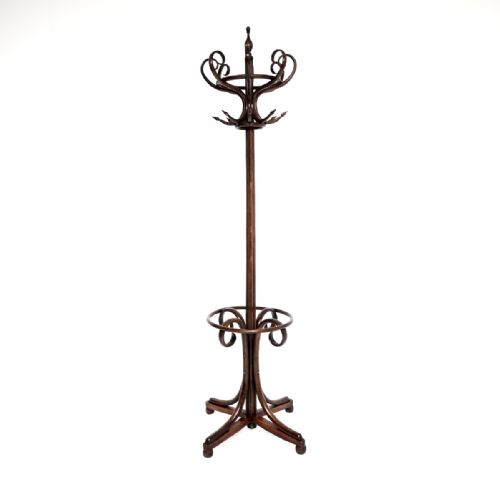
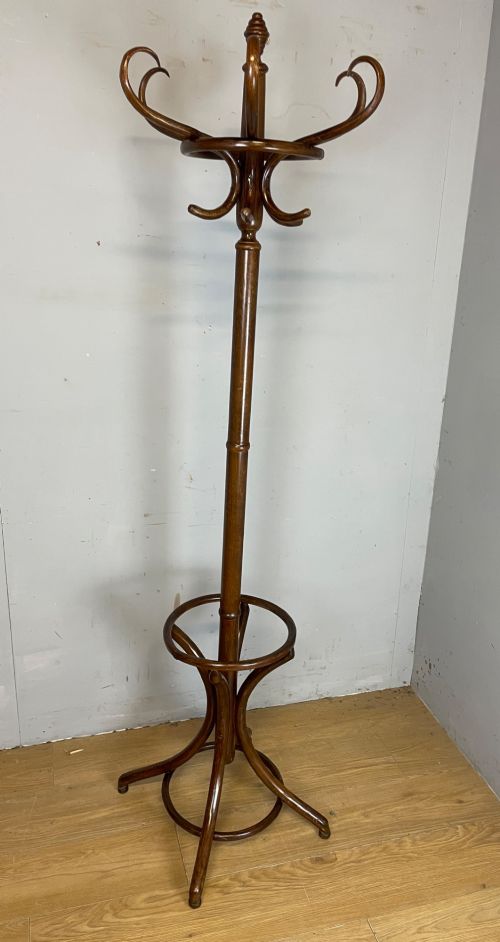
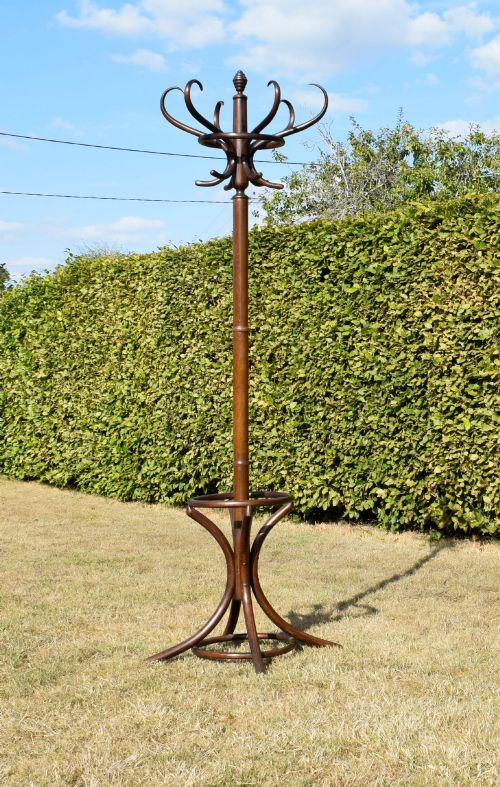
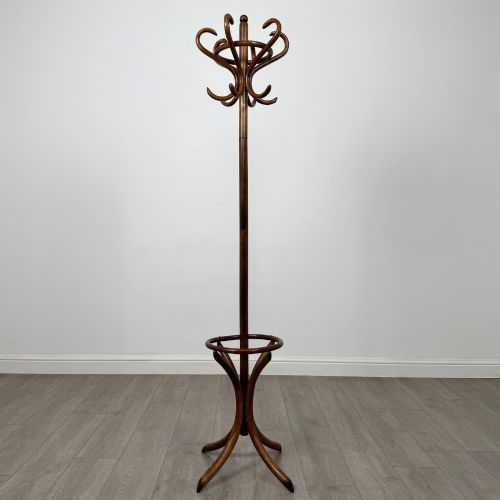
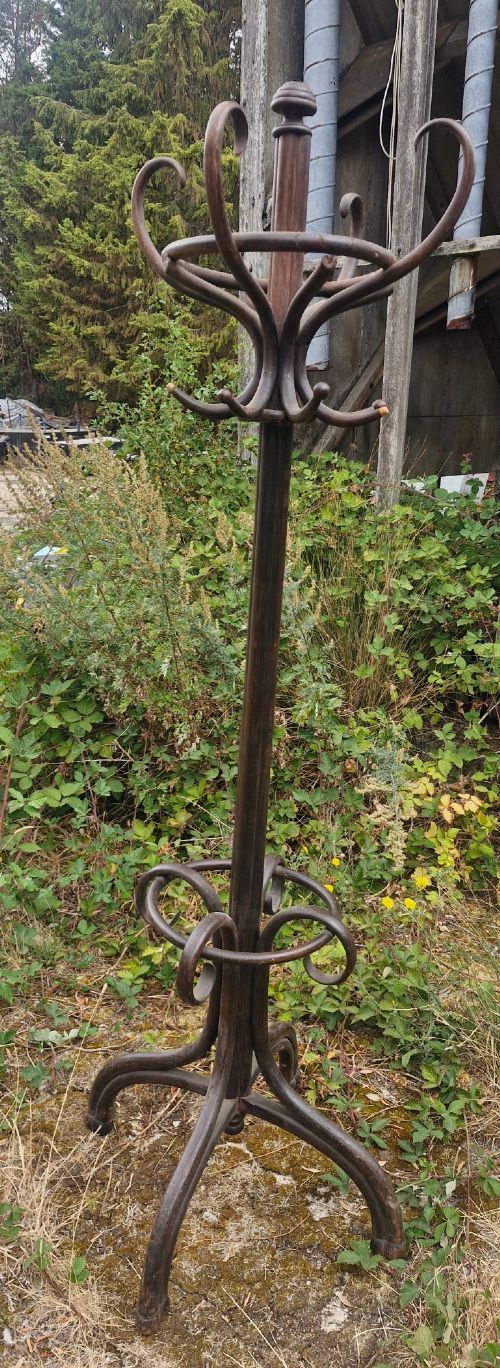
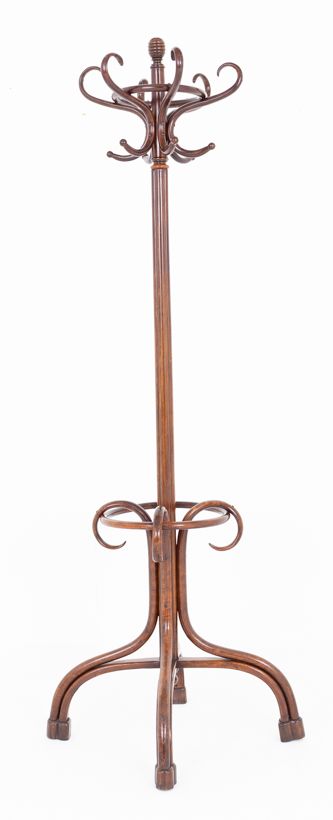
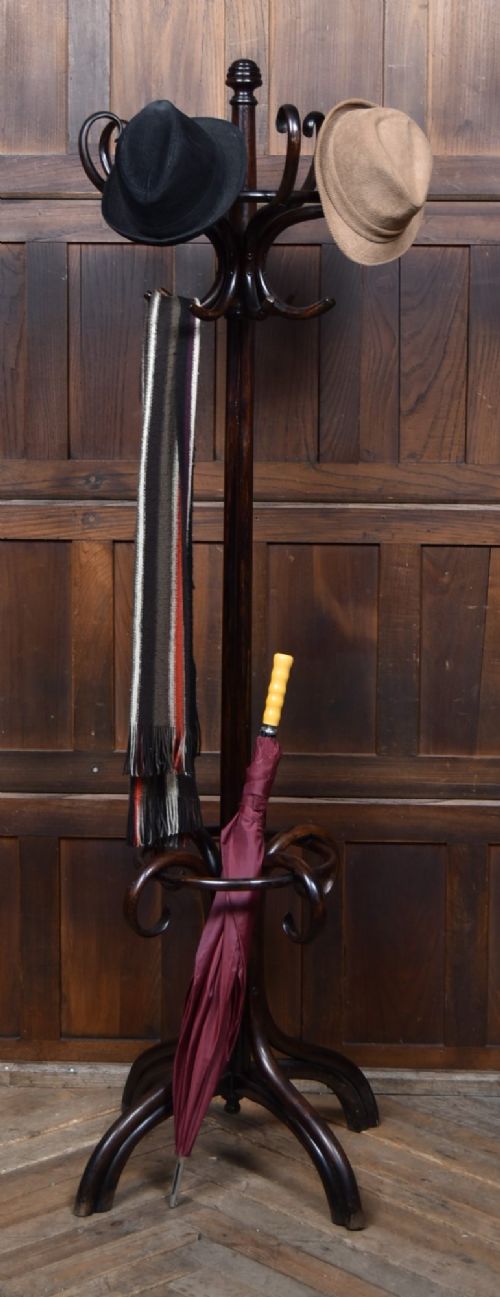
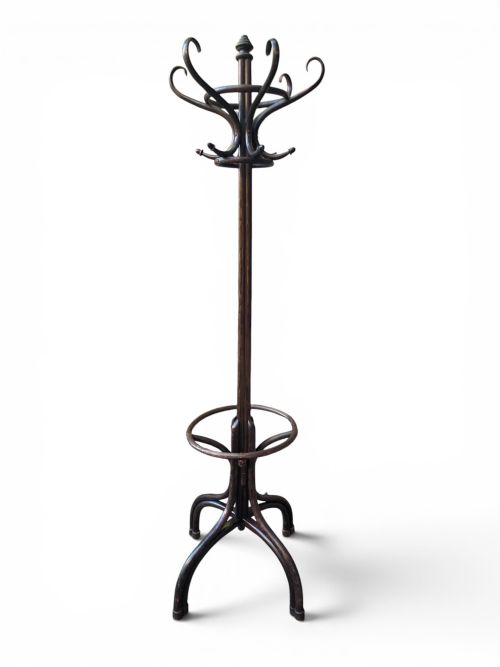
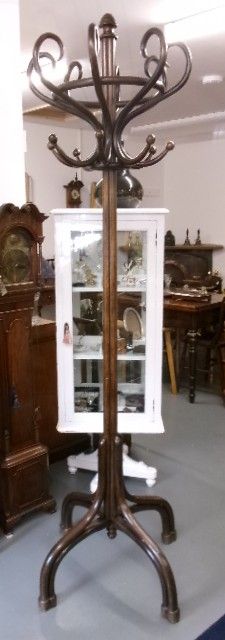
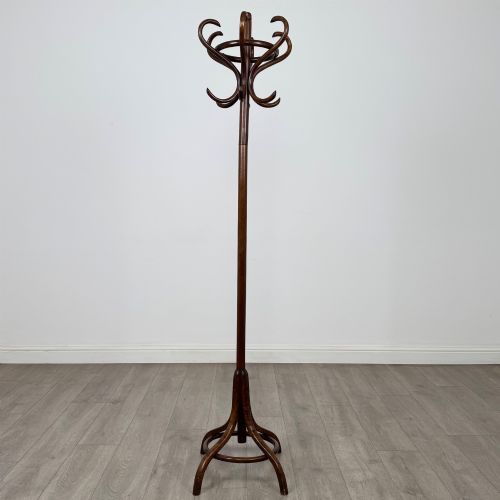
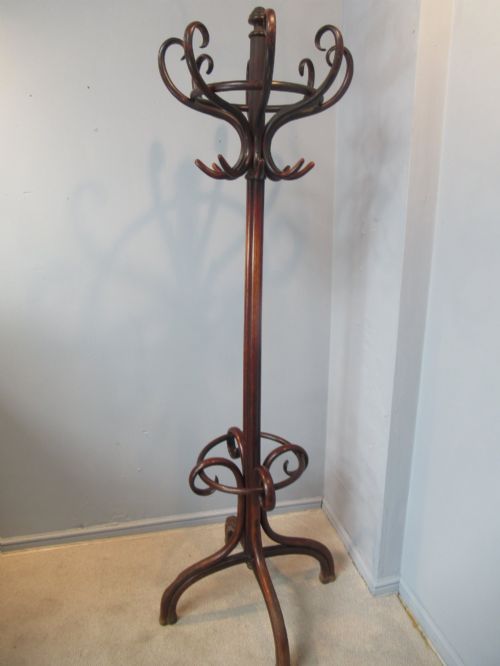
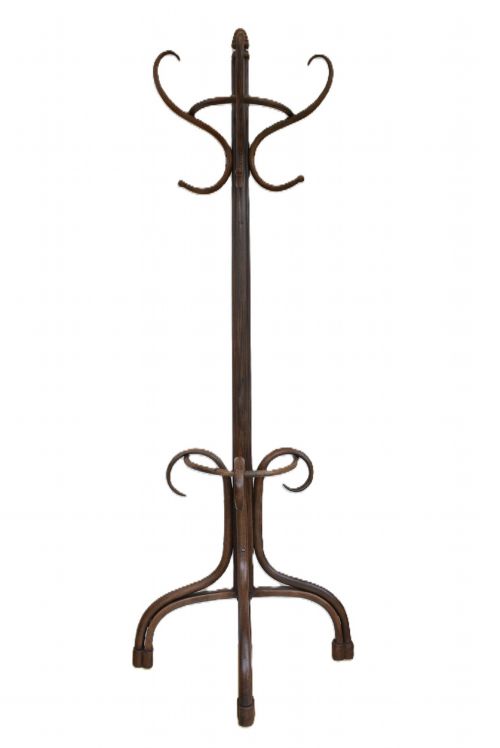
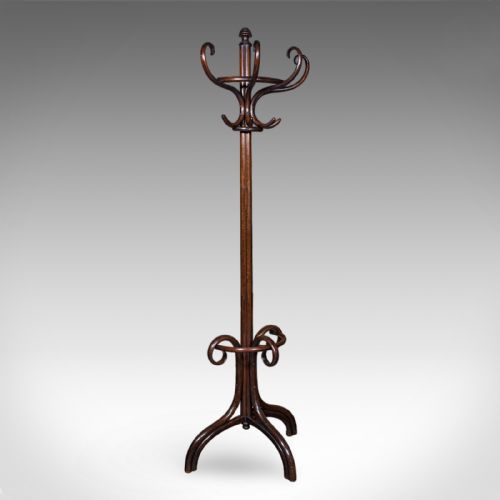
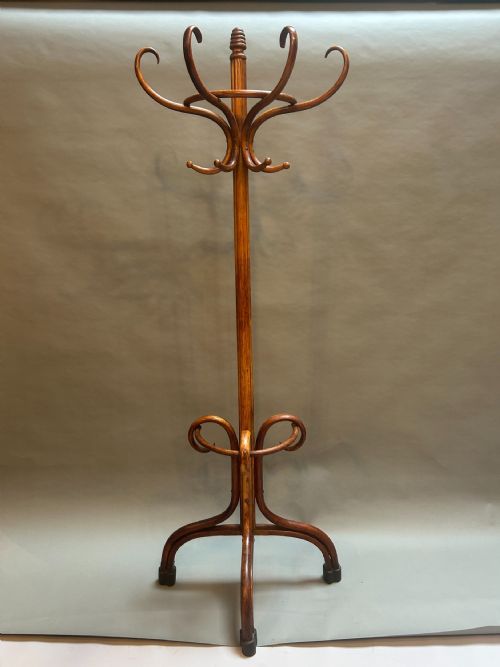
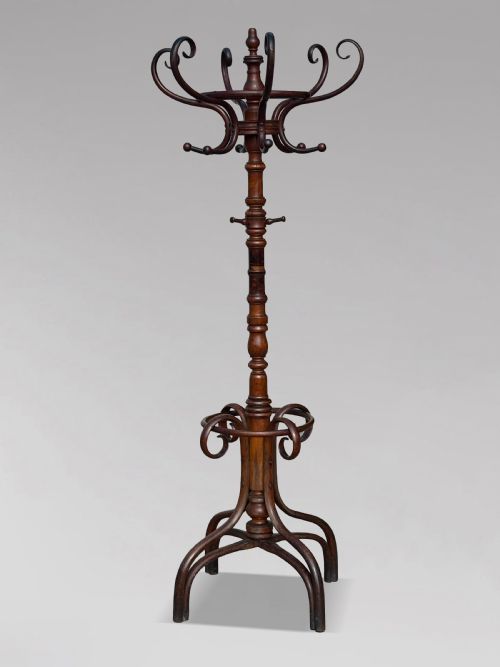
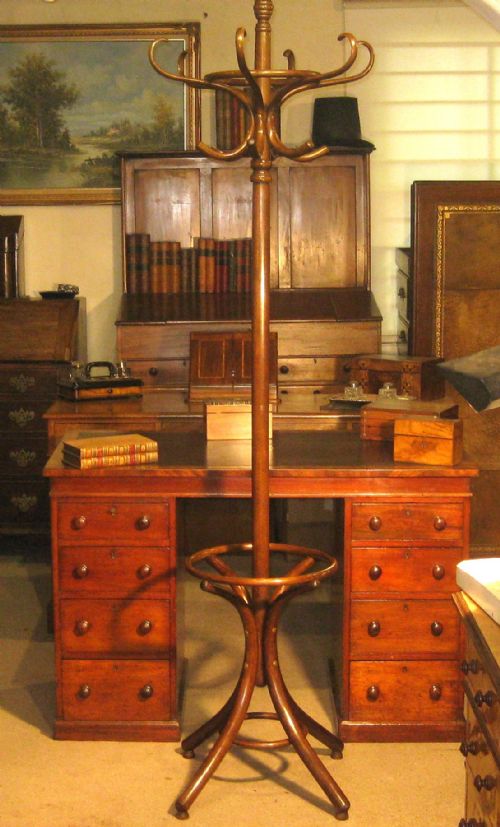
A thonet style hall tree combines upright posts with curved wooden loops designed to hold hats, coats and sticks in an entrance hall. The pieces seen here span the Victorian, Edwardian and early twentieth century periods, with significant representation from nineteen hundred and nineteen ten.
Most examples take the form of freestanding coat stands or hatstands, alongside half round and demi lune configurations meant to sit flush against a wall. The construction relies primarily on bentwood and beech, executed in Austrian bentwood and Victorian styles.
How They Were Made
The method relies on steamed beechwood, where solid timber undergoes heat and moisture treatment to bend into curves without snapping. Craftsmen then assemble the curved components into structural frames using traditional joints and metal fixings.
Finishing touches include wood stain and protective wood finish applied to the bentwood surface to highlight the natural grain. Some pieces incorporate glass elements or specific maker labels from firms such as Fischel.
Listings feature beech and steamed beechwood constructed into coat stands, hall stands and hatstands across Victorian and Edwardian periods.
What Varies in Quality
The distinction between standard production and top quality pieces lies in the complexity of the bentwood loops and the robustness of the double top construction. Heavier gauge timber and refined turning on the central column indicate superior craftsmanship.
Makers such as Fischel command attention through crisp execution and durable joinery that withstands daily use in a busy hallway. The richness of the wood stain and the integrity of the steam bent curves further separate ordinary stands from exceptional ones.
Fischel
The Thonet Style Hall Tree Glossary
- Bentwood
- Wood that has been shaped by heating it with steam and bending it into curved forms. This technique creates strong, lightweight frames characteristic of nineteenth and twentieth century seating and coat stands.
- Demi Lune
- A half moon shape used for hall stands designed to sit flat against a wall. This profile saves floor space in narrow corridors.
- Steamed Beechwood
- Beech timber treated with steam to increase its flexibility prior to bending. It serves as the primary material for constructing durable bentwood furniture.
- Hall Tree
- A freestanding piece of furniture placed in an entrance hall to hold hats, coats and walking sticks. These objects often include integrated umbrella rings or mirrors.
Thonet Style Hall Tree: Frequently Asked Questions
How do I date a bentwood hall tree?
Dating relies on stylistic clues, construction methods and occasionally paper labels or stamps left by makers. Pieces span the late nineteenth century through the nineteen thirties.
Victorian and Edwardian examples often display heavier timber sections and traditional finishing techniques compared to later twentieth century iterations.
Can these stands support heavy winter coats?
Bentwood stands are engineered to distribute weight evenly across multiple curved wooden hooks. Robust examples handle heavy daily use with ease.
Distributing coats evenly around the revolving or fixed top prevents tipping and maintains balance on freestanding models.
How should I care for bentwood furniture?
Maintain the wood finish by dusting with a soft cloth and avoiding excessive moisture. Keep the stand away from direct heat sources to prevent the wood from drying out.
Occasional application of appropriate wood care products preserves the lustre of the stained beech surface.