


Curved Wood Coat Rack
A curved wood coat rack brings organic warmth to an entrance, offering practical hanging space shaped by steam and pressure.
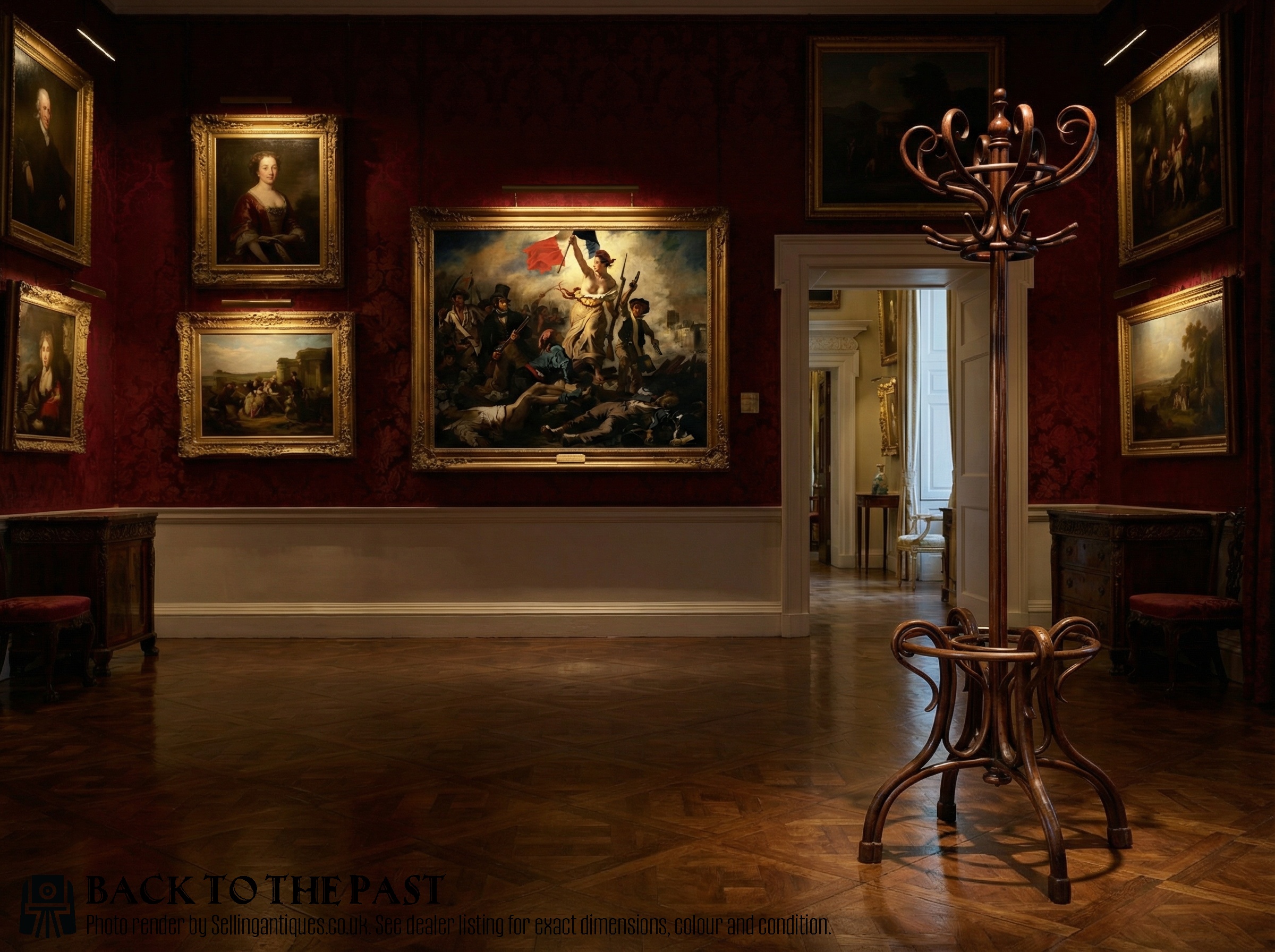
Curved Wood Coat Rack
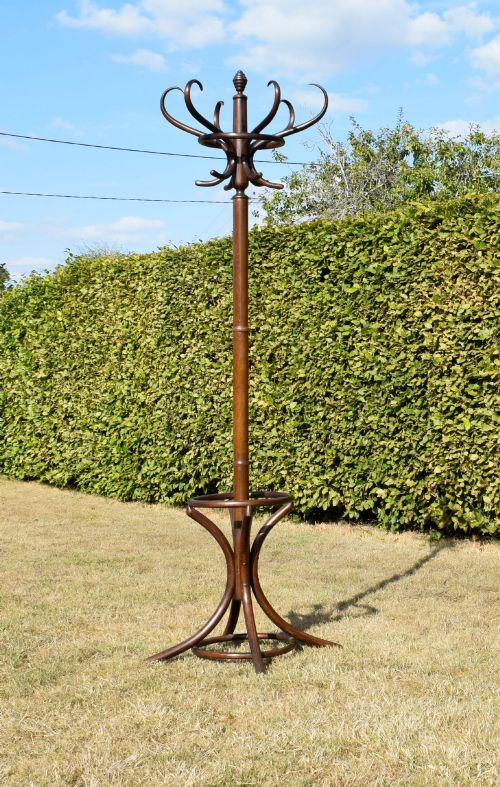
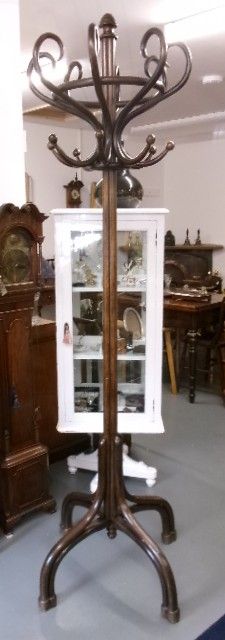
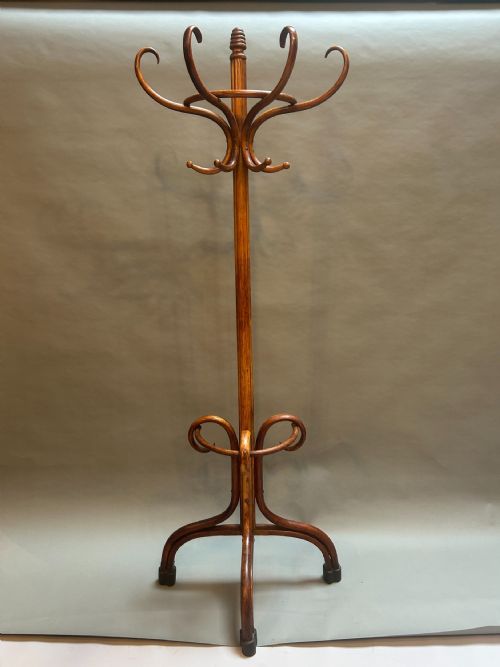
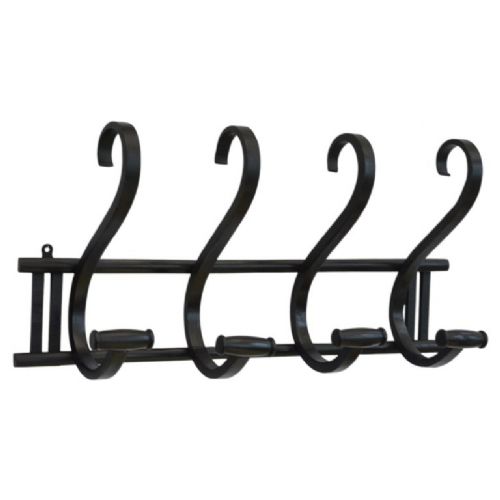
When you search for a curved wood coat rack, you encounter functional hallway furniture designed to hold hats, coats and garments. The pieces available here encompass freestanding hat stands, wall-hanging racks and combined hall stands.
The versions you are most likely to meet on this page hail from the Victorian, Edwardian and early twentieth-century periods. They take the form of upright floor-standing poles with arched upper hooks or wall-mounted rails.
Originating largely from Austrian workshops and the Thonet tradition, these designs use curved timber to maximise hanging capacity within a slender footprint. They suit narrow corridors and entrance halls where floor space is limited.
How they were made
These items rely primarily on beech and beechwood, chosen for its strength and grain structure. Craftsmen subjected the timber to steam treatment to soften the fibres before bending them into graceful, sweeping arcs.
Many examples utilise bentwood techniques popularised in the nineteenth century, securing the curved components with screws and internal metal brackets where necessary. Ebonised finishes and stained wood coatings appear frequently to darken the surface and protect the grain.
Early hall stands doubled as social gatekeepers, greeting visitors with sweeping wooden arms before they even reached the drawing room.
What varies in quality
The distinction between ordinary and superior pieces rests on the weight of the timber and the complexity of the turnings. Heavier gauges of bentwood provide greater stability at the base, preventing the stand from tipping under heavy winter coats.
Finishing details also separate the tiers of quality, visible in the smoothness of the steam-bent curves and the retention of the original ebonised or stained surface. Well-preserved brass or metal hardware adds to the integrity of the construction.
The Curved Wood Coat Rack Glossary
- Bentwood
- Wood that has been shaped by applying steam and pressure to create permanent curves. This technique allows for lightweight yet rigid furniture frames.
- Ebonised
- Timber treated with a dark stain or finish to imitate ebony wood. It provides a uniform, glossy black appearance.
- Demi Lune
- A half-moon shape used in the design of certain hall stands and wall brackets. This profile allows the furniture to sit flat against a wall.
- Hall stand
- A piece of furniture placed in an entrance area for coats, hats and accessories. These often combine vertical hanging hooks with umbrella holders or mirrors.
- Thonet
- A style of bentwood furniture associated with the pioneering manufacturing methods developed in the nineteenth century. It is defined by clean, flowing circular lines.
Curved Wood Coat Rack: Frequently Asked Questions
Where should I place a curved wood coat rack?
These pieces belong in hallways, porches and entrance lobbies where coats and hats are deposited upon arrival. Their narrow footprints allow them to fit into confined spaces without blocking passageways.
Freestanding versions require a stable floor surface, while wall-hanging variants need secure fixings into solid masonry or studwork to bear the weight of heavy garments.
How do I date a curved wood coat rack?
Dating relies on construction methods, timber types and stylistic markers recorded across the Victorian and Edwardian eras. Earlier pieces often feature heavier solid timber sections and distinct turnings at the base.
Twentieth-century examples tend toward lighter frames and standardised bentwood components. Comparing the curvature and finish helps narrow down the decade of manufacture.
Can these racks hold heavy winter coats?
Most sturdy examples handle heavy garments easily, provided the base is wide and heavy enough to maintain balance. Wall-mounted versions distribute weight directly into the wall, offering high load capacity.
Distributing coats evenly around freestanding poles prevents tipping and strain on individual curved wooden hooks.
How do I clean and maintain bentwood?
Maintenance involves dusting with a soft, dry cloth to prevent dirt accumulation in the tight curves of the bent timber. Avoid excessive moisture, which can degrade the vintage stained or ebonised finish.
Applying a suitable wood wax periodically preserves the sheen and nourishes the beech without altering the original patina.