



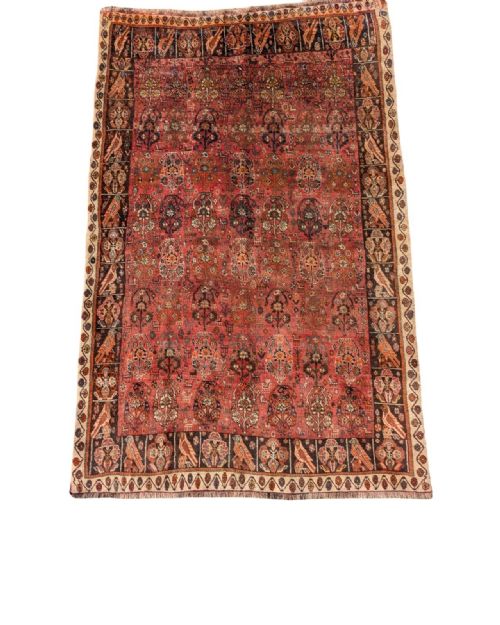
Terracotta Wool Persian Rug
A terracotta wool persian rug brings grounded warmth and centuries of nomadic weaving tradition directly onto a wooden floor.
Terracotta Wool Persian Rug
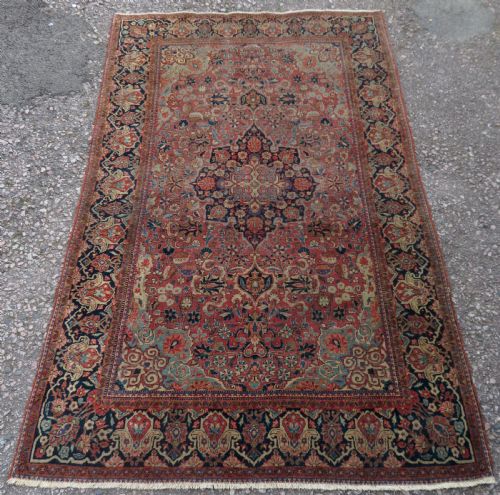
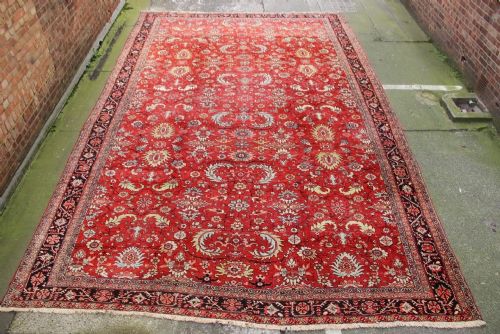
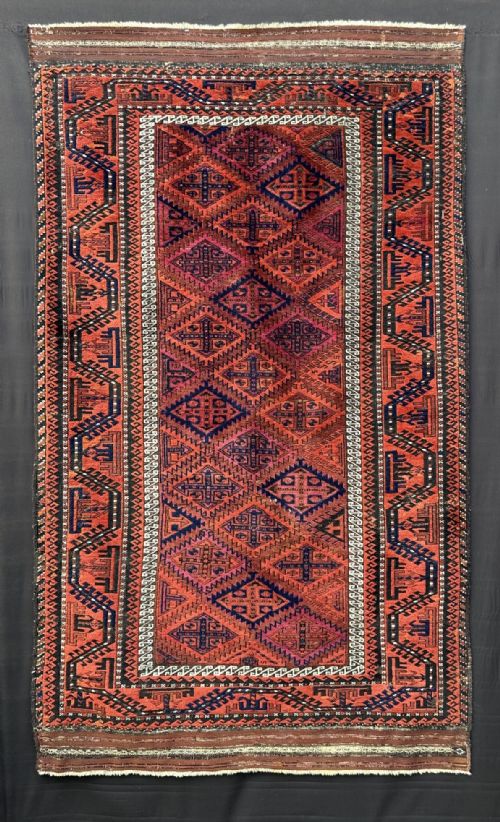
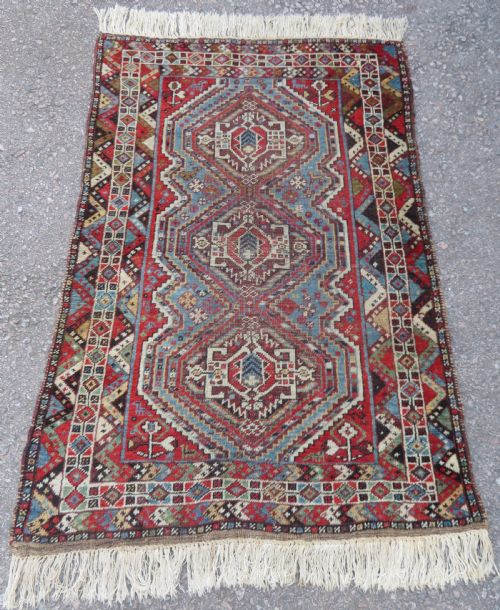
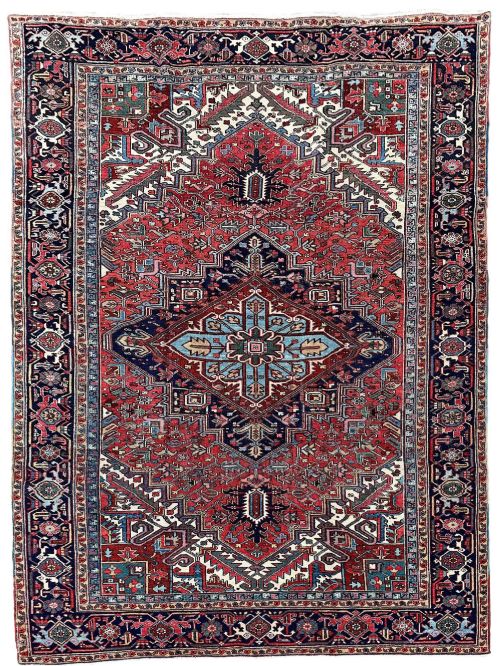
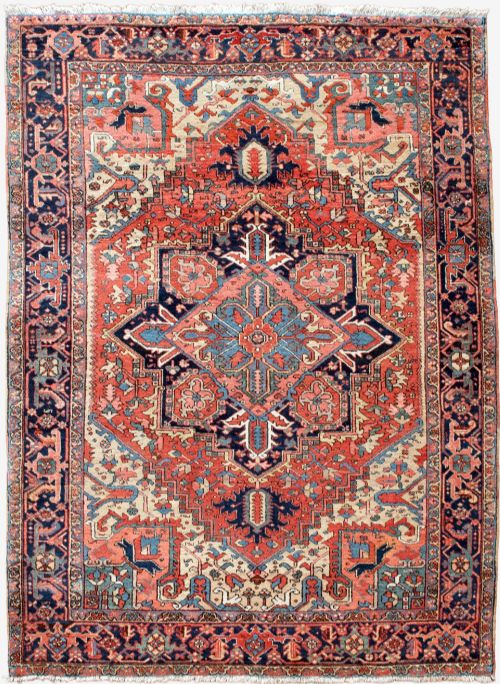
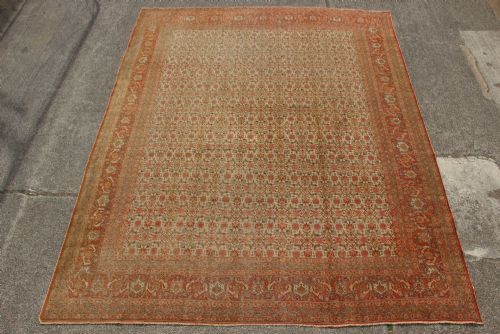
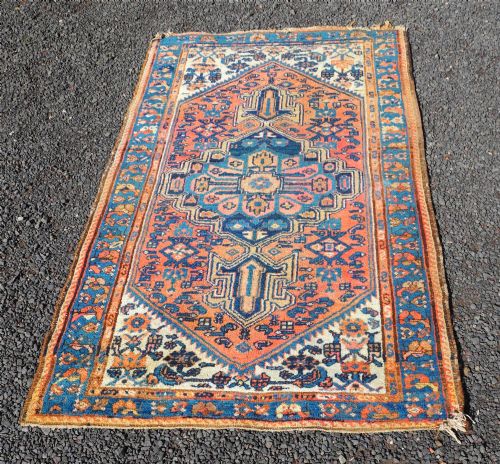
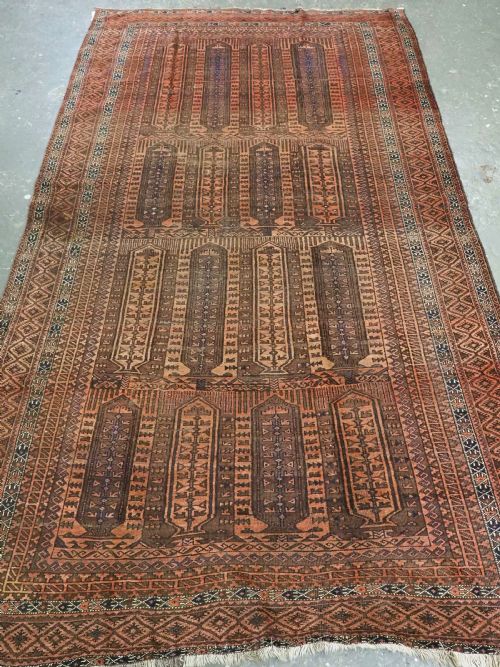
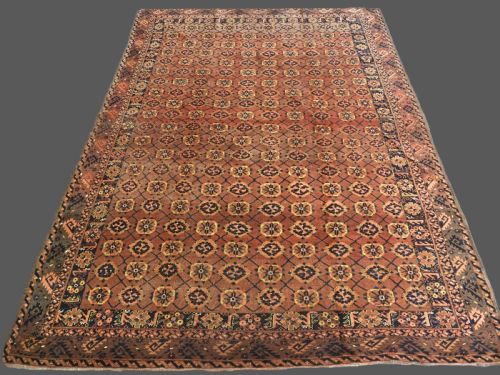
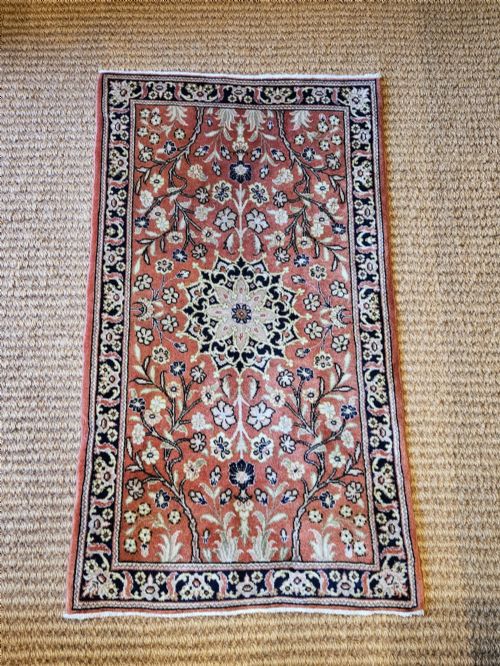
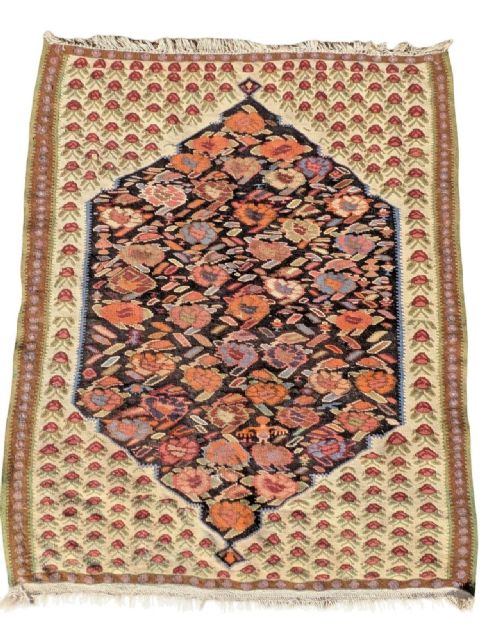
A terracotta wool persian rug represents a diverse group of woven floor coverings originating from Persia and neighbouring tribal regions, typically rendered in earthy red and orange terracotta hues. Buyers searching for a terracotta wool persian rug will encounter pieces ranging from large Heriz and Serapi carpets to smaller village and tribal formats such as Baluch, Afshar, and Hamadan rugs.
The pieces listed here span the late nineteenth century through to the early decades of the twentieth century, capturing distinct regional weaves and nomadic traditions. Formats vary widely from room-sized carpets and runners down to hearth-sized rugs, bagfaces, and saddle-bags produced across Persian workshops and tribal confederacies.
How they were made
These floor coverings are constructed primarily from hand-spun wool pile knotted onto cotton or wool foundations, utilising durable natural dyes to achieve rich terracotta and earthy colour palettes. Certain nomadic pieces also incorporate camel hair within the weave for natural tone and texture.
Weavers employed traditional hand-knotting techniques specific to their region or tribe, creating geometric medallions, repeating tribal motifs, and intricate field patterns designed to withstand heavy daily use.
The listings span production dates from 1870 through the 1930s, featuring wool, cotton, natural dyes, and camel hair across various regional formats.
What varies in quality
Quality in these woven pieces rests upon the fineness of the knotting, the precision of the geometric or floral drawing, and the depth achieved by natural dyes. Superior examples demonstrate a balanced composition and tight structural foundation that maintains structural integrity across decades of foot traffic.
The choice of wool and the integrity of the pile also determine longevity, with denser, well-tucked piles distinguishing finer tribal and workshop carpets from simpler utility runners.
The Terracotta Wool Persian Rug Glossary
- Medallion
- A central ornamental motif dominating the field of the rug. It serves as the primary focal point for symmetrical designs.
- Pile
- The dense, vertical yarn surface of the rug formed by knotted wool threads. This is the soft surface that receives the direct wear of footsteps.
- Runner
- A long, narrow carpet format traditionally used in hallways, corridors, or alongside beds. These rectangular formats adapt well to restricted spaces.
- Bagface
- The decorative front panel of a nomadic storage bag, repurposed into a small decorative wall hanging or mat. These pieces display concentrated tribal weaving.
- Natural Dyes
- Colourants derived from plant, root, and insect sources rather than synthetic chemicals. They yield softer, more complex tones that age gracefully over time.
Terracotta Wool Persian Rug: Frequently Asked Questions
Where should I place a runner rug?
Runner rugs suit long, narrow spaces such as hallways, corridors, and galley kitchens. They add warmth and texture while protecting high-traffic wooden floors from wear.
Position them with adequate clearance on either side to allow floorboards to show, creating an inviting pathway through the home.
How do I clean an antique wool rug?
Regular gentle vacuuming without a rotating brush roll helps remove embedded dust and grit from the wool pile. Professional specialist cleaning is recommended for deeper maintenance to protect natural dyes.
Avoid chemical spot treatments or excessive moisture, which can distort the wool and cause dye bleeding across the cotton foundation.
What is a tribal carpet?
Tribal carpets are woven by nomadic or village groups using memory-based patterns passed down through generations rather than formal workshop cartoons. These pieces often feature geometric motifs and spontaneous design shifts.
Their character reflects the specific region, materials, and cultural heritage of the weavers who produced them.
How do I identify village and city weaves?
City workshop carpets like Heriz or Tabriz usually display symmetrical, balanced floral designs and refined symmetry. Village and nomadic weaves tend toward bolder, geometric interpretations and asymmetric quirks.
Examining the knot density, foundation materials, and border motifs helps distinguish structured city workshops from decentralized tribal production.