

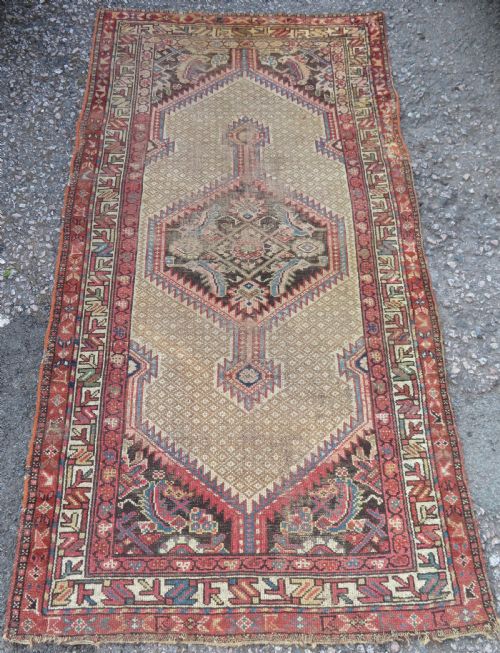

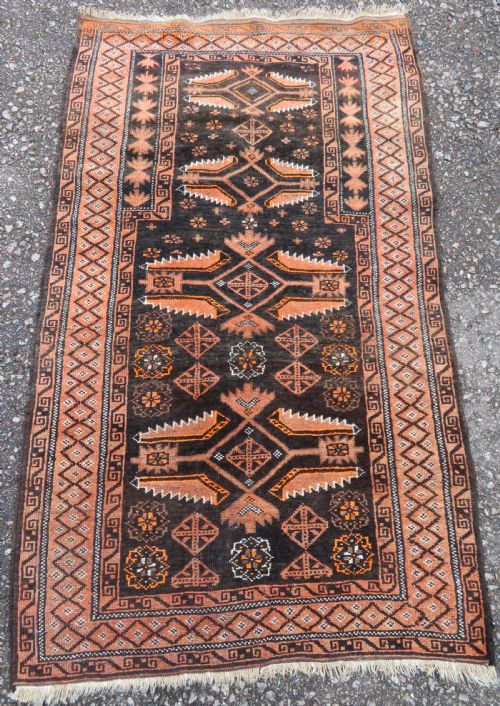
Terracotta Persian Runner
A terracotta persian runner brings warmth and pattern to long hallways and narrow rooms through time-tested weaving traditions.
Terracotta Persian Runner
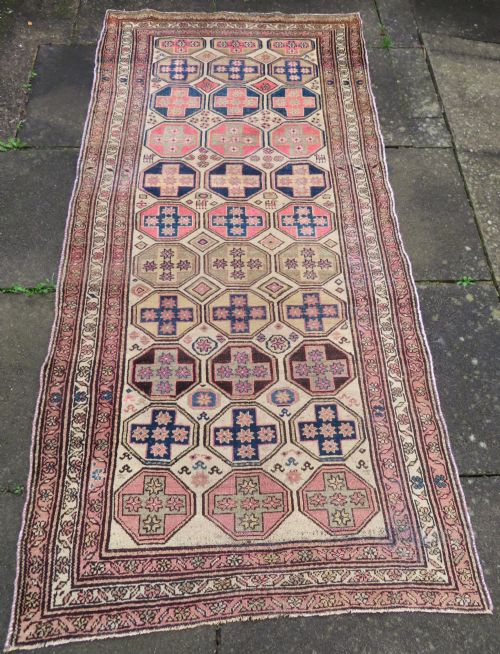
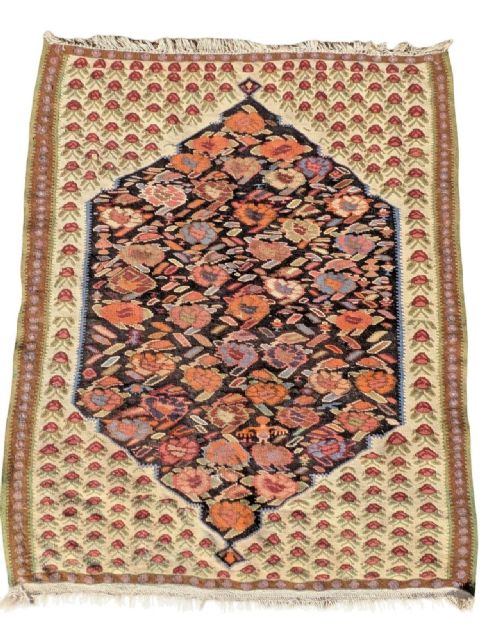
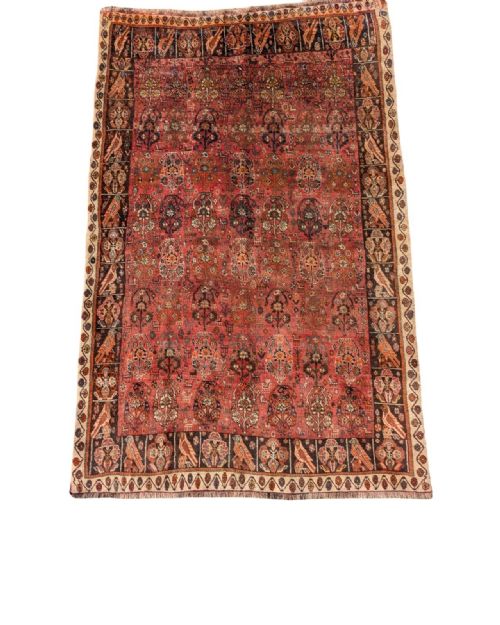
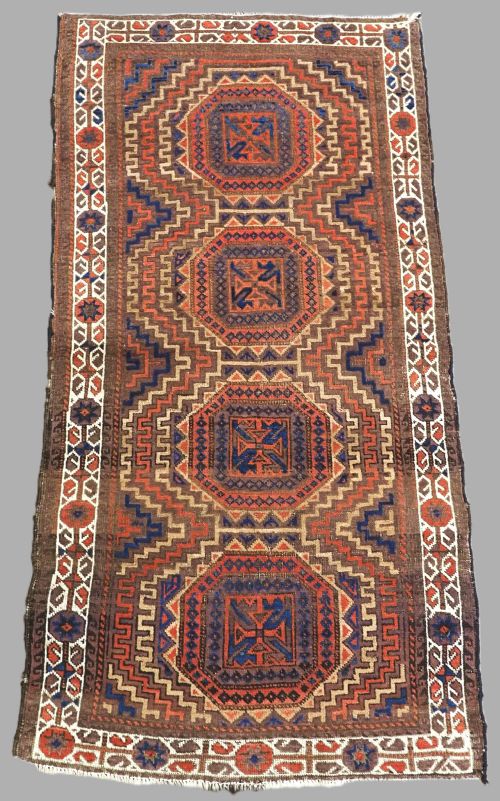
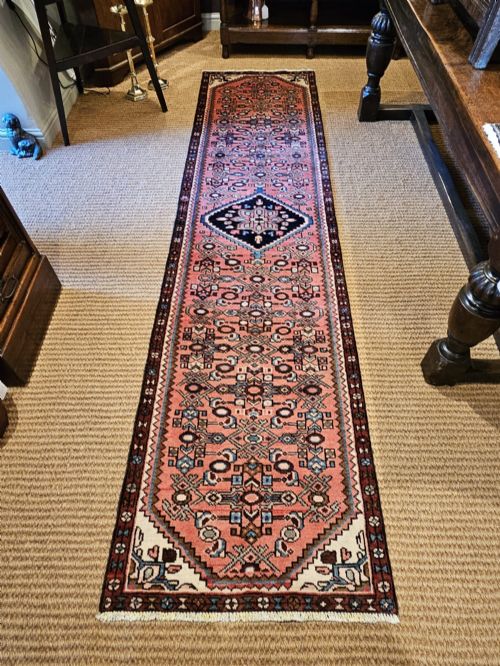
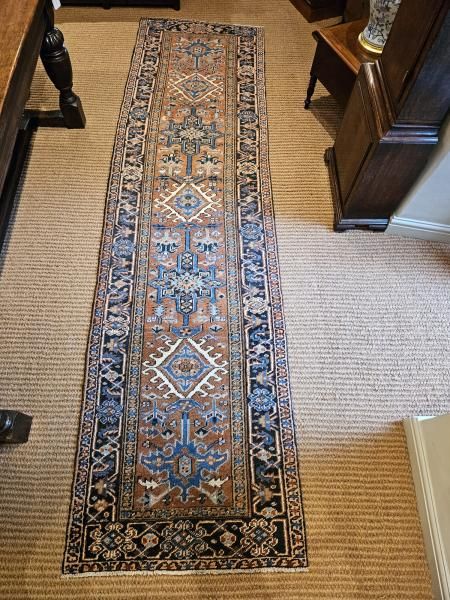
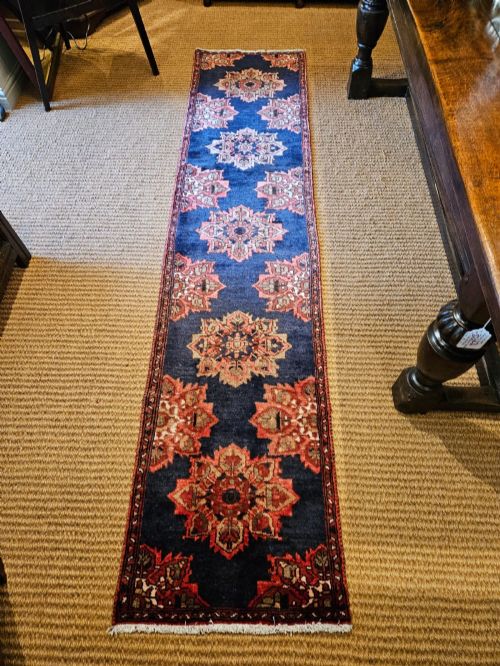
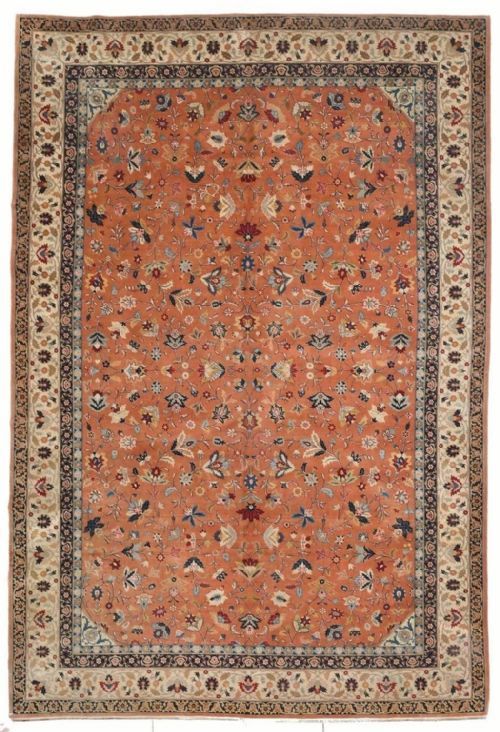
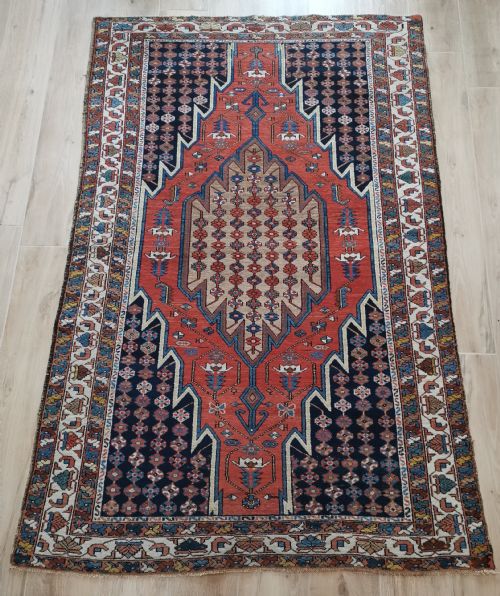
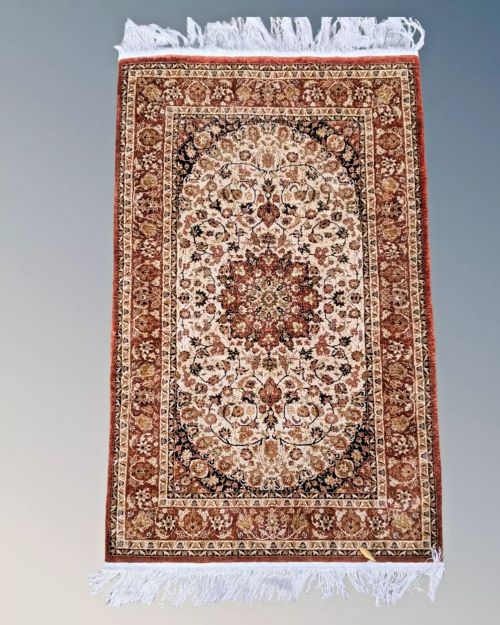
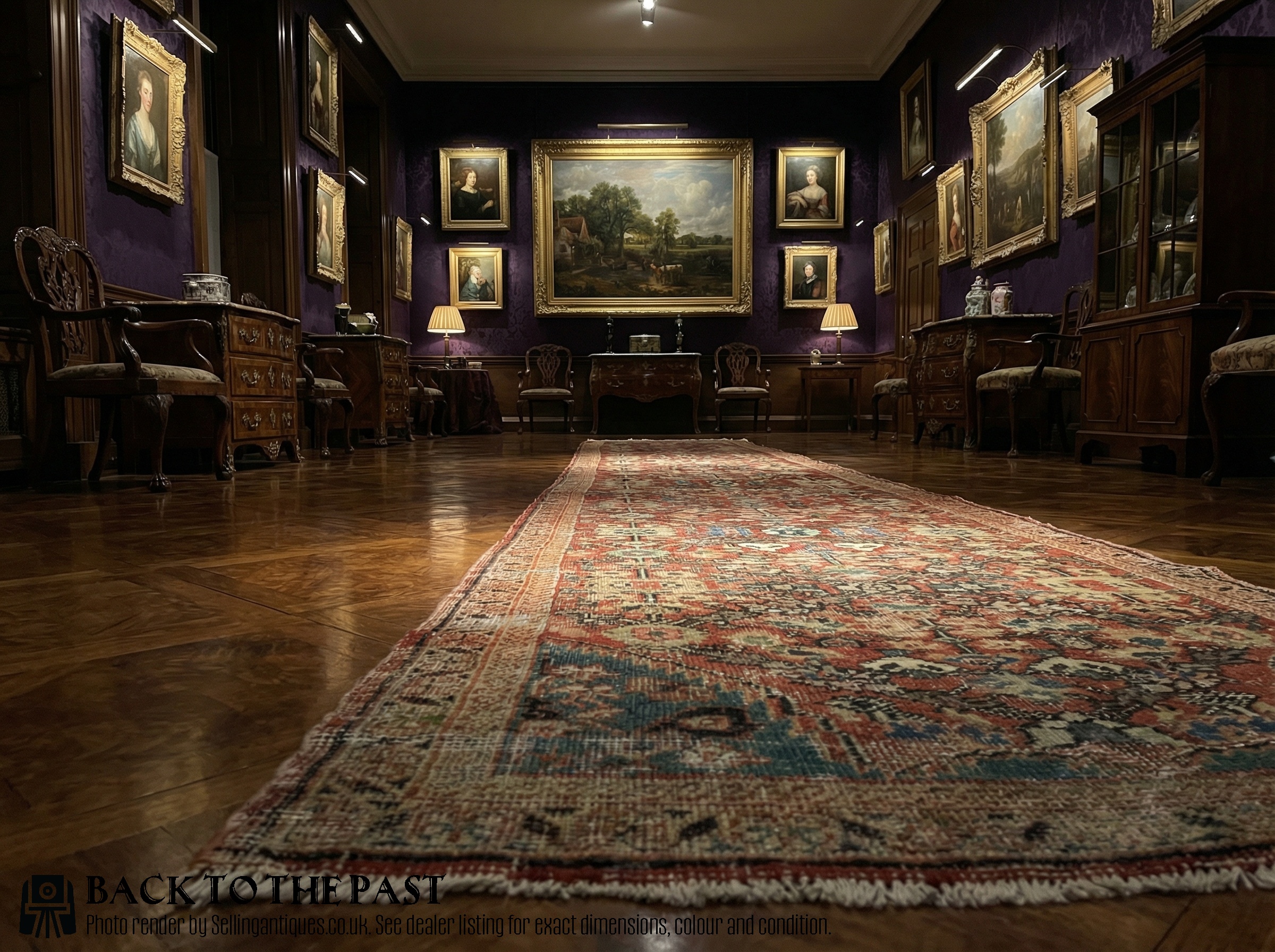
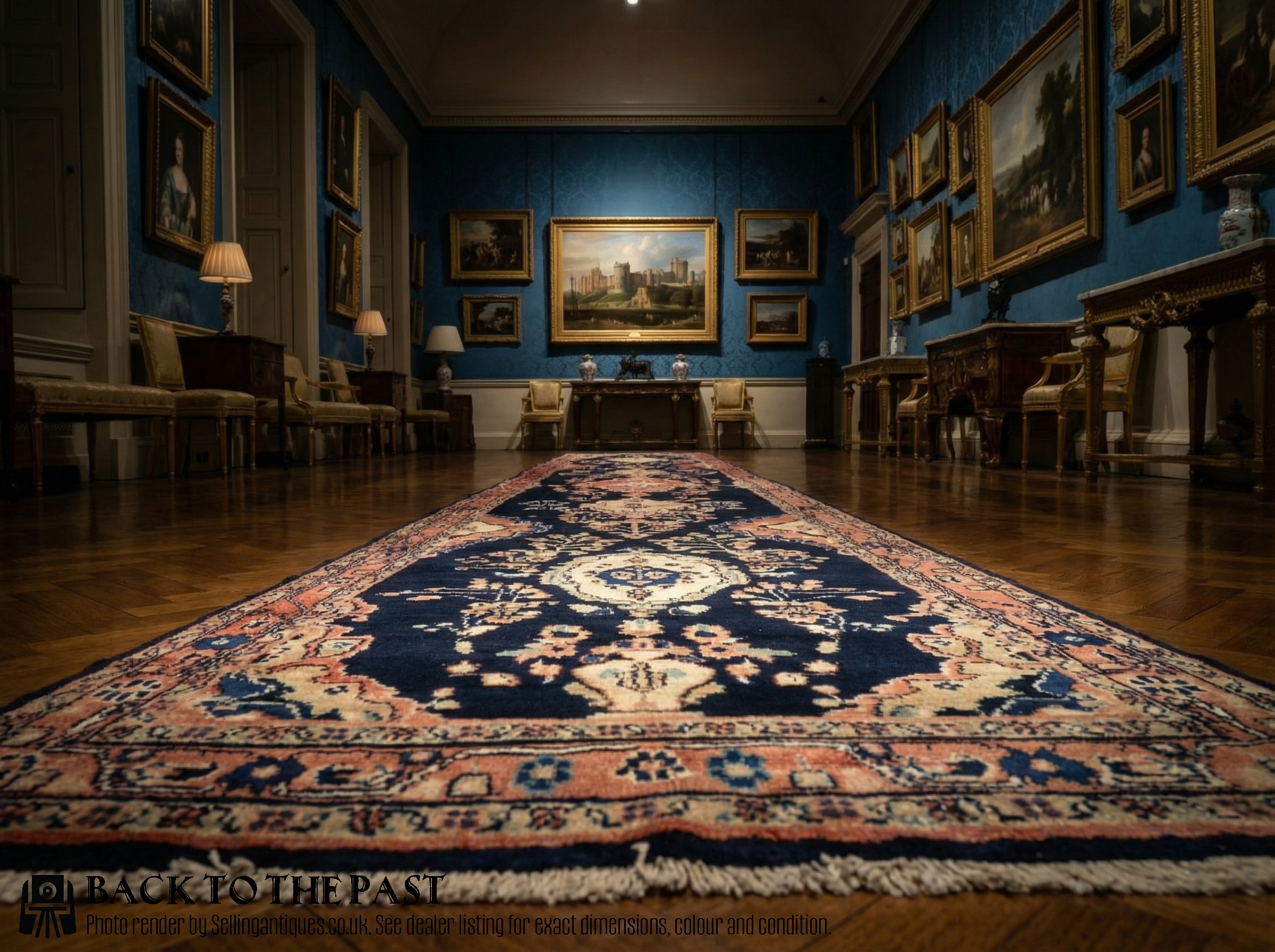
A terracotta persian runner brings linear warmth and traditional artistry to long hallways, narrow corridors, and transitional spaces within the home. When you search for a terracotta persian runner, you encounter hand-knotted wool and cotton carpets originating from various regions of Persia and surrounding tribal areas.
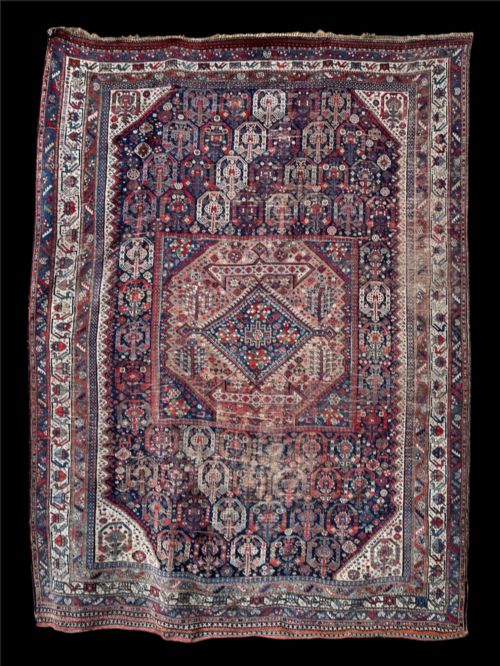
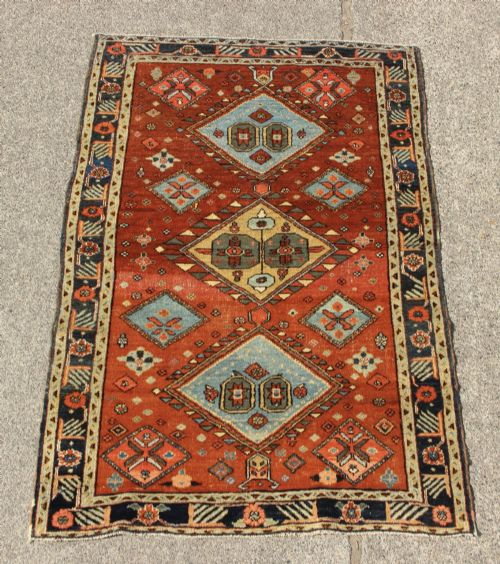
The selection includes pieces spanning from the late nineteenth century through the early twentieth century, showing distinct regional aesthetics such as Heriz, Bakshaish, and Kurdish designs. These narrow formats serve practical purposes while displaying complex geometric and floral motifs passed down through generations of weavers.
How They Were Made
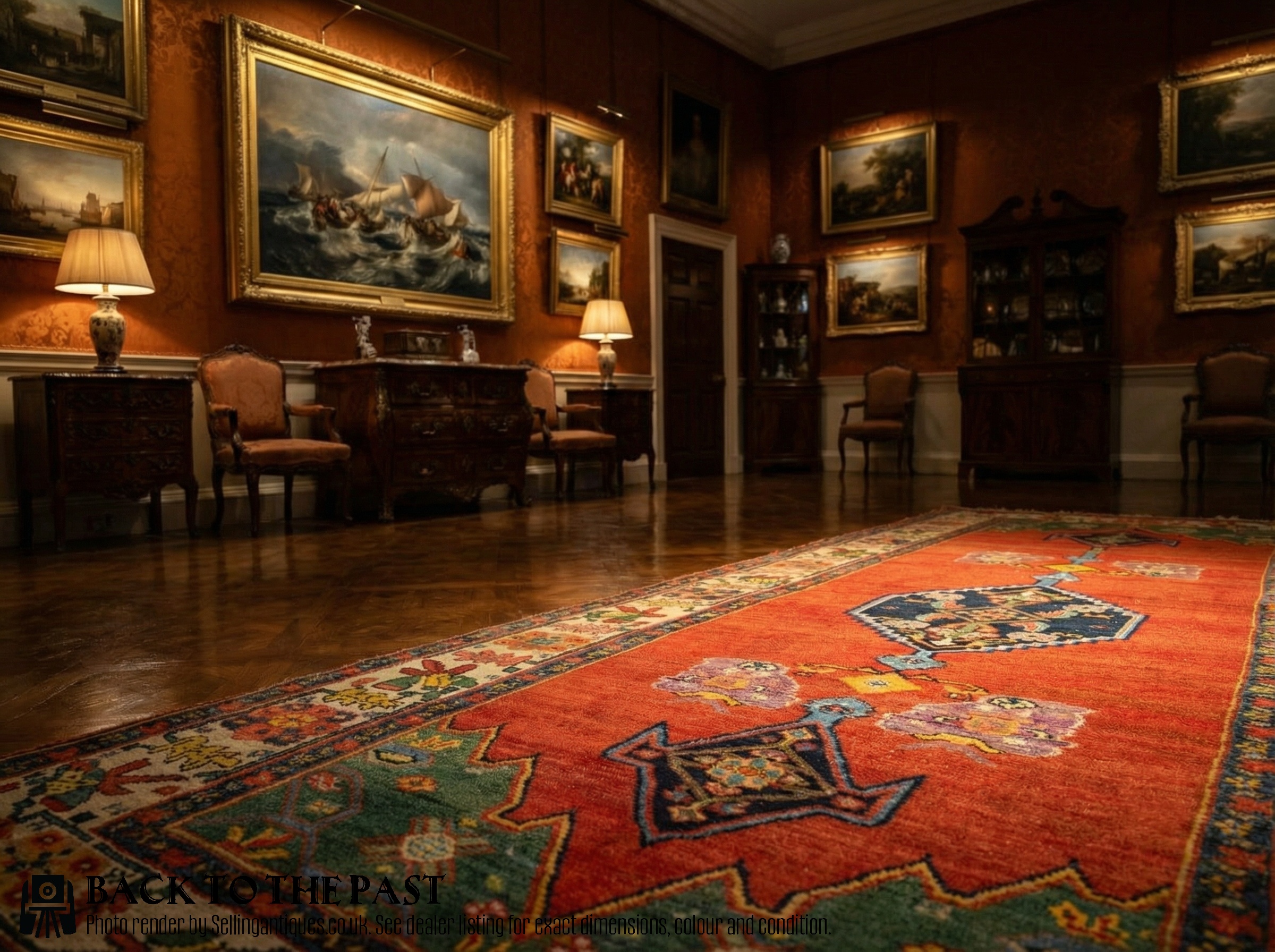
These carpets rely on sturdy wool foundations and piles, occasionally incorporating natural dyes, camel hair, goat hair, or silk to create varied texture and depth. Artisans executed hand-knotted techniques using hand-spun wool and cotton, anchoring the dense pile securely to withstand heavy foot traffic in domestic settings.
Weavers constructed each runner on traditional vertical looms, tying individual knots by hand to form intricate patterns. The integration of durable materials ensured longevity, allowing these textiles to retain their structural integrity across decades of use.
Terracotta Persian Runner Retail Price Guide 2026
Typical asking prices for terracotta persian runner among the pieces listed under this phrase on Sellingantiques today, from the lower quarter to the upper quarter. They describe what is for sale here now, not the wider market.
Listings span from the 1870s to the 1930s, featuring wool, cotton, silk, and natural dyes across tribal and traditional Persian styles.
What Varies in Quality
Quality rests upon knot density, the precision of the geometric or floral layout, and the clarity of the natural or traditional dyes utilised across the field. Higher grade examples exhibit greater fineness in the weave, which allows complex medallion and boteh motifs to render with exceptional sharpness.
The selection of fleece also dictates the handle and resilience of the pile, with finer hand-spun wool yielding a softer touch and superior lustre. Regional origin further influences desirability, as certain village and tribal workshops achieved greater renown for their distinctive colour saturation and composition.
The Terracotta Persian Runner Glossary
- Boteh
- A traditional teardrop or almond-shaped motif representing a floral spray or cypress tree, frequently repeated across the field of these carpets.
- Kelleh
- A large rectangular carpet format, typically longer than it is wide, bridging the proportions between a standard room-size rug and a runner.
- Kilim
- A flat-woven carpet produced without a pile, created by tightly interweaving warp and weft strands to form geometric patterns.
- Gul
- A medallion or repeating octagonal stamp motif often associated with tribal weaving traditions from Central Asia and Persia.
- Warp
- The stationary vertical threads stretched onto a loom that form the structural foundation upon which the knots are tied.
Terracotta Persian Runner: Frequently Asked Questions
Where should I place a runner?
These long carpets suit narrow corridors, staircases, entryways, and galleys where foot traffic benefits from floor protection and warmth.
They also define pathways through larger open rooms or provide a grounding element beside beds and furniture.
How do I clean an antique runner?
Regular gentle vacuuming without a rotating beater bar removes surface dust and prevents grit accumulation within the wool pile.
Professional textile conservation cleaning remains the safest method for addressing deeper soils or spills on older hand-knotted pieces.
What materials make up these rugs?
The construction typically involves a wool pile set onto cotton foundations, though some examples incorporate camel hair, goat hair, or silk.
Natural dyes provide the underlying palette, creating rich terracotta, blue, and neutral tones that age gracefully over time.
How can I date an old rug?
Examining the specific wool characteristics, dye saturation, structural wear, and stylistic regional motifs helps narrow down the period.
Pieces seen here date from the nineteenth century up through the 1930s, reflecting the aesthetic standards of their respective decades.