


Tekke Tribal Carpet
A tekke tribal carpet brings the geometric mastery of Central Asian nomads directly into your interior, offering rich tones and intricate guls.
Tekke Tribal Carpet
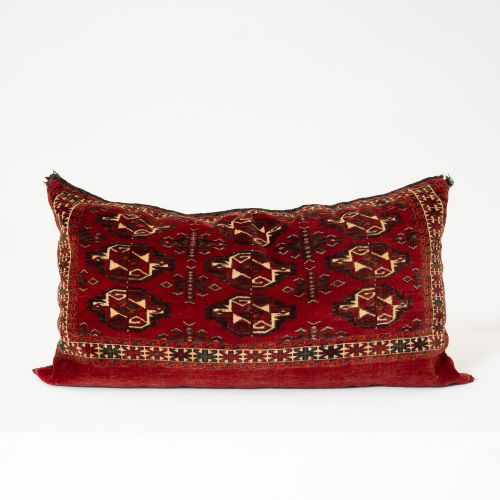
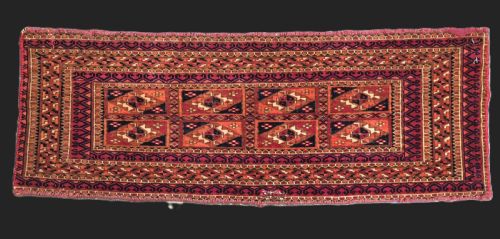
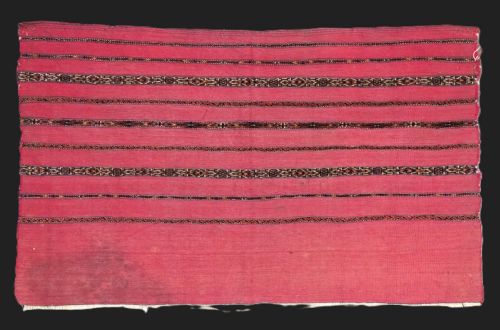
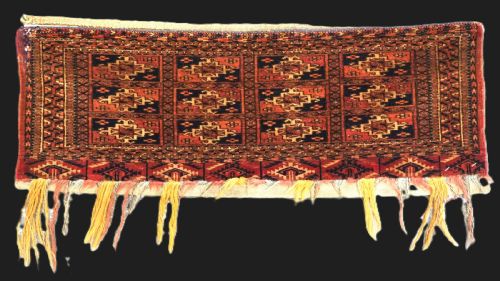
A tekke tribal carpet embodies the weaving traditions of the Turkmen tribes originating from Central Asia, including nomadic tent bands, rugs, and storage bags. When you explore this selection, you encounter domestic items such as chuval faces and torba bags alongside larger carpets dating from the nineteenth and early twentieth centuries.
Materials and construction
Weavers constructed these textiles using hand-spun wool for both the pile and the foundational warps and wefts, occasionally incorporating cotton for structure or silk for subtle highlights. Natural dyes provided the distinctive deep red, madder, and ivory colour palettes seen across the pieces.
The knotting technique resulted in a dense, low pile with exceptionally fine weave counts, particularly on smaller bag faces and dowry pieces. Plain weave backs and kilim ends frequently completed the functional edges of storage sacks.
Nomads wove intricate camel-transport bags so horses and camels travelled in properly coordinated tribal style.
Assessing quality and execution
Knot density and structural fineness dictate the tier of execution, with tightly packed wool creating durable surfaces that hold crisp geometric lines. Pieces featuring scarce variations, such as ivory grounds or unusual gul arrangements, demonstrate superior design ambition.
Condition and completeness elevate individual items, especially when original plain weave backs and side cords remain intact on torbas and chuvals. Depth and saturation of natural dye colours further separate standard examples from masterworks.
The Tekke Tribal Carpet Glossary
- Gul
- The primary octagonal medallion motif repeated across Turkmen carpets. Different tribes utilised distinct gul designs to signal identity and lineage.
- Chuval
- A large tent storage bag used by nomadic groups for household goods. Surviving examples often appear as decorative bag faces.
- Torba
- A smaller rectangular storage bag produced by Turkmen weavers. These pieces frequently hung inside nomadic tents for personal items.
- Ensi
- A tribal door rug designed to hang at the entrance of a yurt. They typically feature a distinctive candelabra layout divided into four quadrants.
- Mafrash
- A trapezoidal storage box or compartment bag used in transit. Fragments and complete faces appear frequently in nomadic textile collections.
Tekke Tribal Carpet: Frequently Asked Questions
What is a tekke tribal carpet?
A tekke tribal carpet is a hand-knotted textile created by the Tekke Turkmen tribe of Central Asia. These pieces are traditionally characterised by geometric gul patterns and deep red wool foundations.
They reflect the nomadic heritage and functional domestic craft of the region, encompassing floor coverings, tent hangings, and storage bags.
How were these carpets used?
Nomadic families utilised these textiles for practical daily living inside tents and portable dwellings. Large carpets lined the floor spaces, while smaller bags stored blankets, clothing, and household provisions.
Door rugs served as thermal and symbolic barriers at yurt entrances, and tent bands secured the structural framework of the nomadic home.
How do I live with a tribal carpet?
These textiles function effectively as floor coverings in low-traffic zones or as wall hangings to display their intricate geometry. Placing them away from direct sunlight protects the natural madder dyes from fading.
Pairing them with appropriate underlays preserves the historical wool pile and prevents sliding on hard flooring.
How can I tell different periods apart?
Nineteenth-century examples generally display finer knot counts, richer natural dye variations, and softer wool patination. Early twentieth-century pieces often shift toward slightly broader weaving and different chemical dye influences.
Structural details such as selvedges, foundation materials, and backings also provide clues regarding the era of production.