





Tapestry Top Table
A tapestry top table brings together functional woodwork and detailed textile art, offering a decorative surface set beneath glass or left exposed for daily use.
Tapestry Top Table
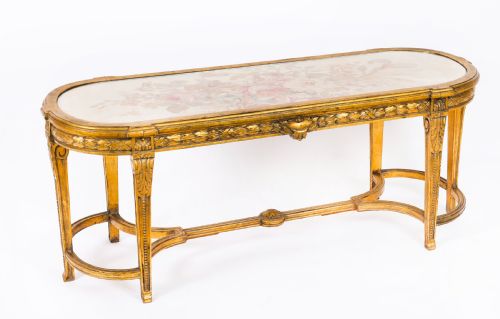
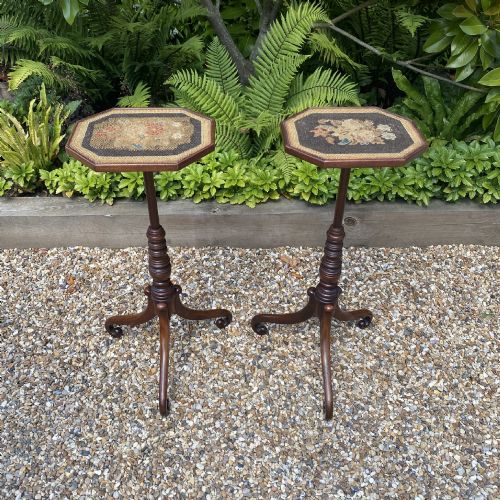
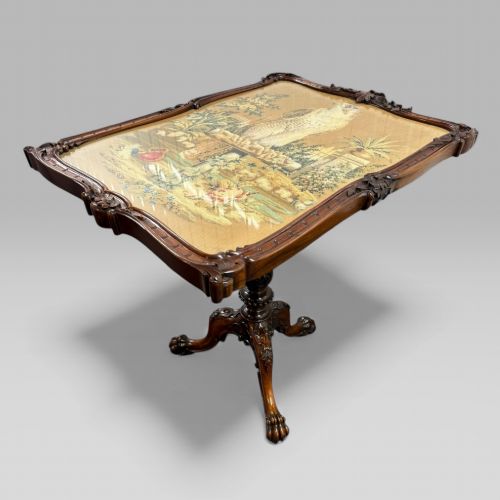
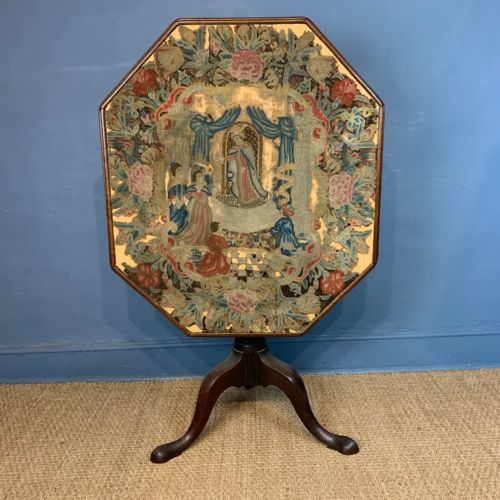
A tapestry top table incorporates needlepoint, embroidery, or Aubusson textile panels into its design, serving as side tables, coffee tables, chess tables, and occasional furniture.
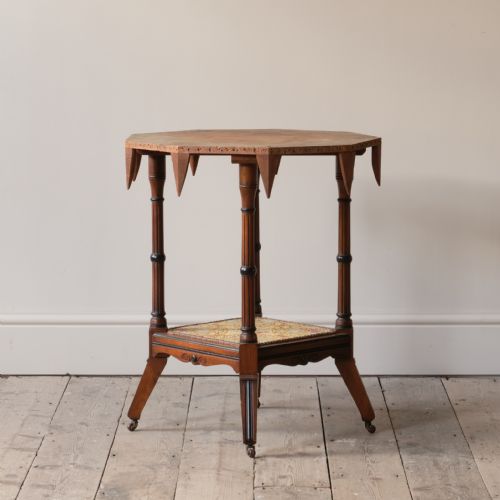
The selections span from the Georgian era through the Victorian period and into the early twentieth century, showing influences such as Louis XVI Revival, William IV, and Queen Anne style.
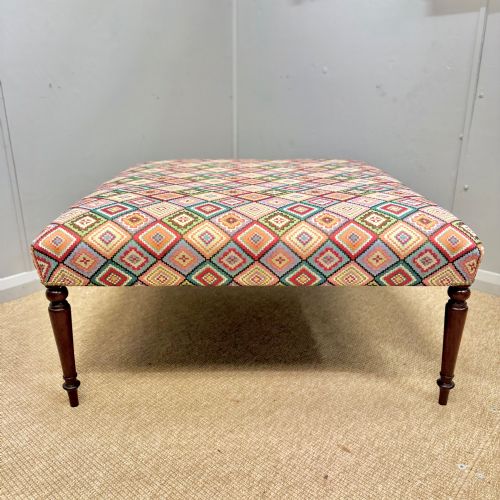
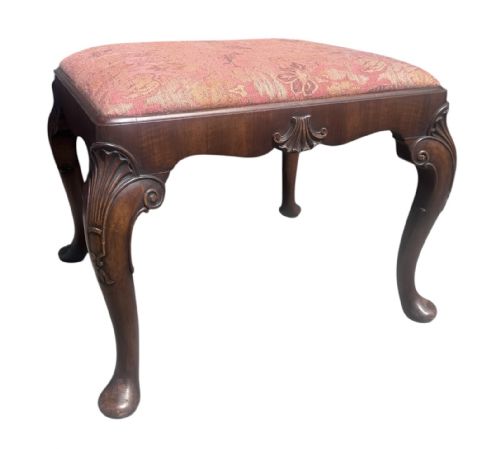
Many examples protect the textile beneath a fitted glass panel, while others expose the needlework directly on footstools, benches, and folding credence tables.
Materials and construction
Craftsmen built the frames using timber species such as mahogany, walnut, rosewood, ebonised wood, and giltwood, occasionally incorporating brass fittings.
The decorative surfaces utilise textile, needlepoint, and glass, combining cabinet making with detailed hand embroidery.
One past piece managed to squeeze both a tapestry panel and a circular watercolour painting together beneath its glass top.
Assessing quality and craftsmanship
The distinction between standard and superior pieces rests on the tightness of the timber joinery and the fineness of the needlepoint stitches within the textile panel.
Richer timber grain, precise carving on the legs and frame, and the condition of the protective glass or textile elevate the overall standard of the furniture.
Gillows·H Ogden of Manchester
The Tapestry Top Table Glossary
- Aubusson
- A style of tapestry originating from the French town of Aubusson, known for floral and pictorial scenes used in panels and upholstery.
- Needlepoint
- A type of canvas work embroidery stitched with yarn, frequently applied to the tops of tables and footstools.
- Tilt top
- A tabletop mechanism that pivots on a central pillar to allow vertical storage when not in use.
- Giltwood
- Timber that has been coated with a thin layer of gold leaf or gilt pigment for decorative effect.
- Credence table
- A folding table with a hinged top supported by a swing leg, often utilised for display or serving.
Tapestry Top Table: Frequently Asked Questions
How do I clean a tapestry top table?
Dust the wooden frame regularly with a dry cloth and keep the textile protected from direct sunlight to prevent fading.
If the textile sits beneath glass, wipe the glass surface with a gentle cleaner without allowing moisture to seep underneath.
Can I use a tapestry top table daily?
Tables featuring protective glass panels withstand normal daily use as side or coffee tables quite well.
Exposed needlepoint surfaces require more care to avoid spills and wear on the delicate yarn stitches.
What is the difference between Victorian and Georgian styles here?
Georgian and George II examples tend to feature simpler mahogany or walnut timber frames with tripod bases.
Victorian and revival pieces often introduce darker rosewood, ebonised finishes, elaborate needlepoint, and glass protective covers.
Are these tables sturdy enough for drinks?
Tables with glass tops provide a flat, stable surface suitable for placing cups and glasses.
Needlepoint tops without glass require coasters or trays to prevent liquid damage to the underlying textile.