
Tall Mahogany Stand
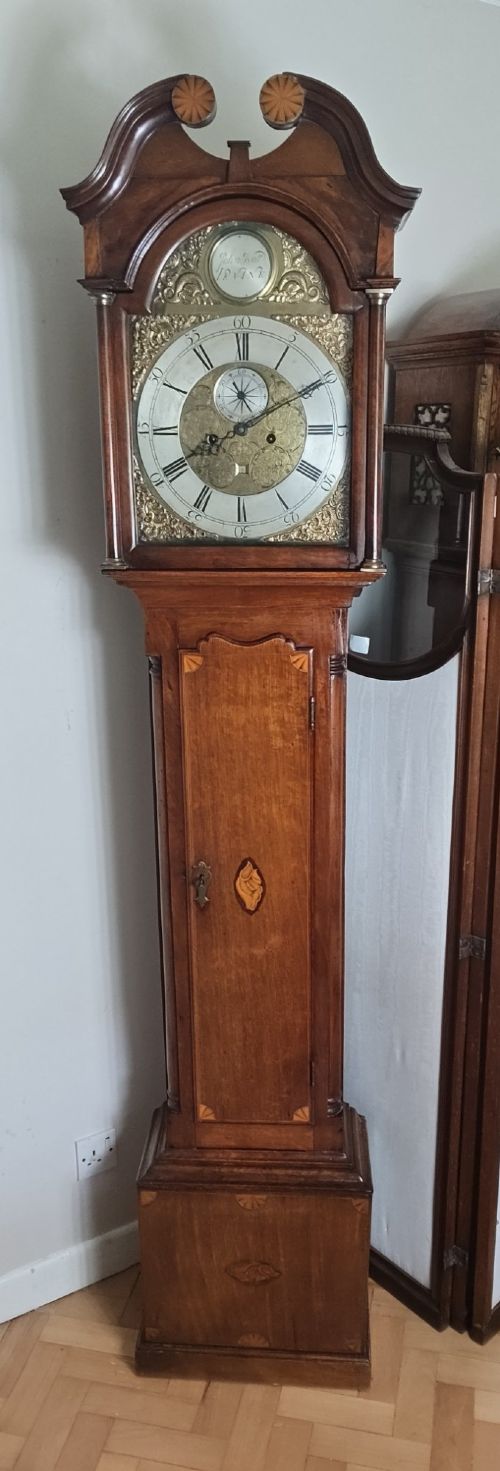
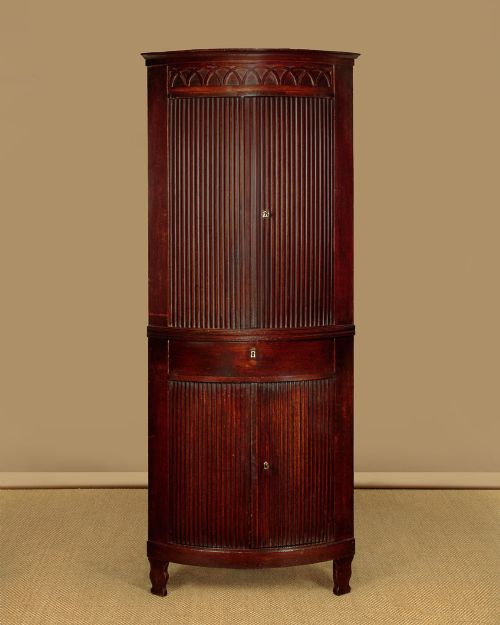
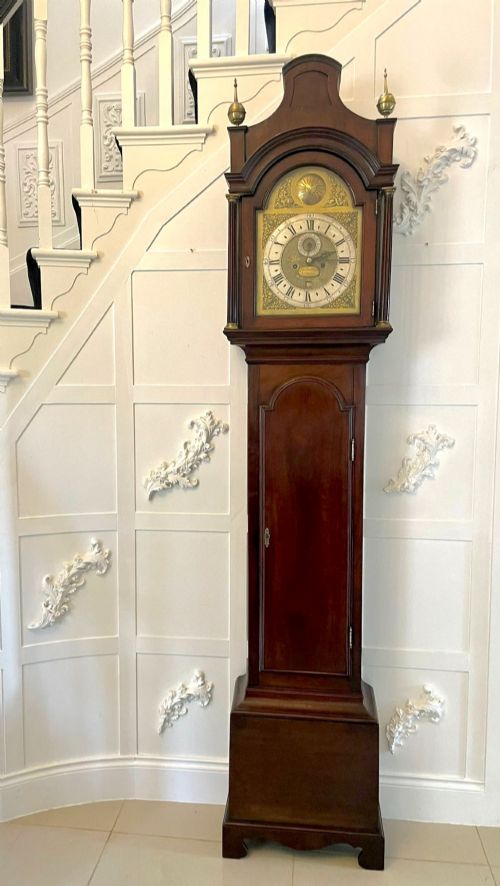
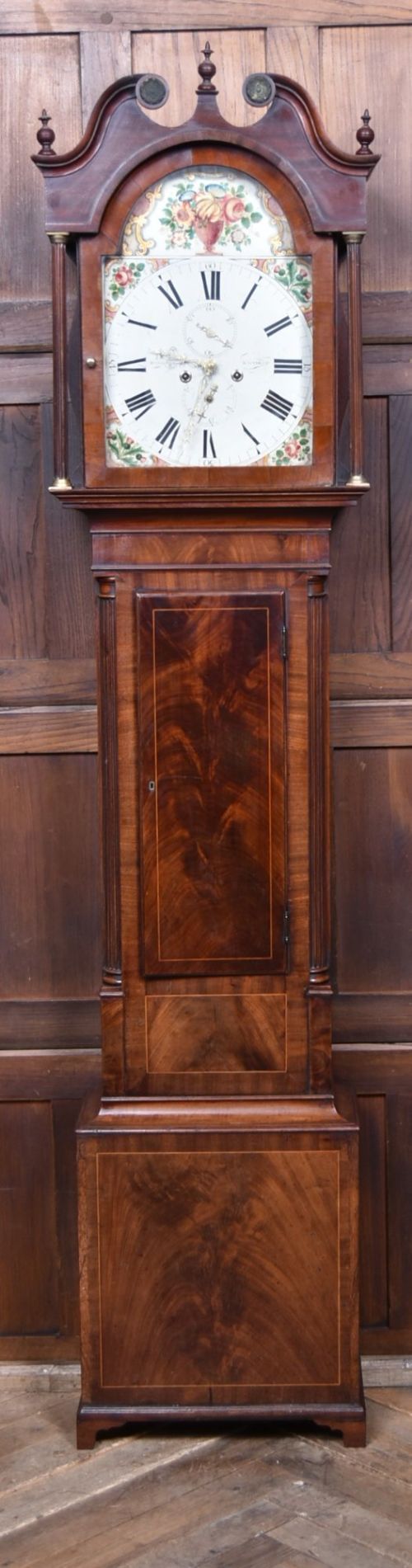
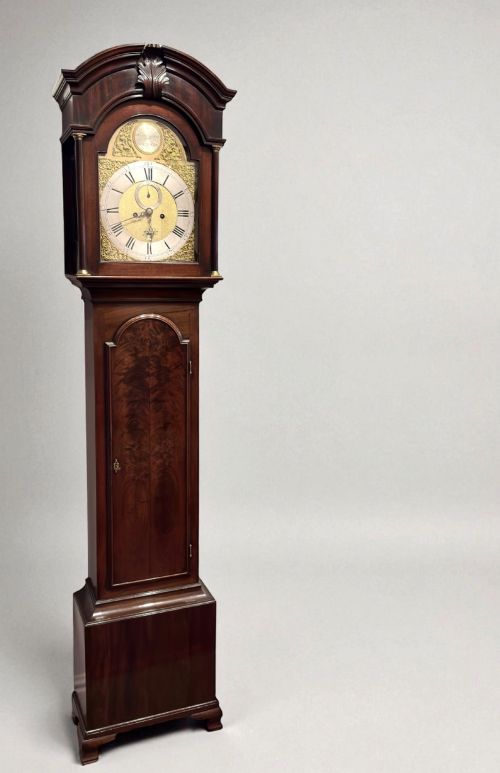
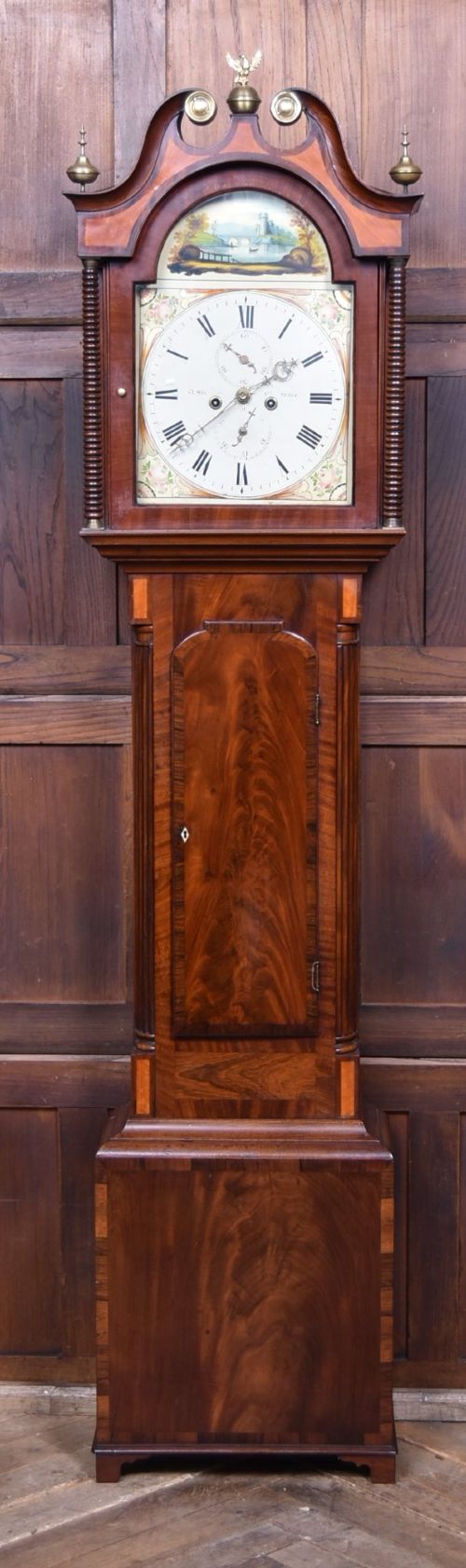
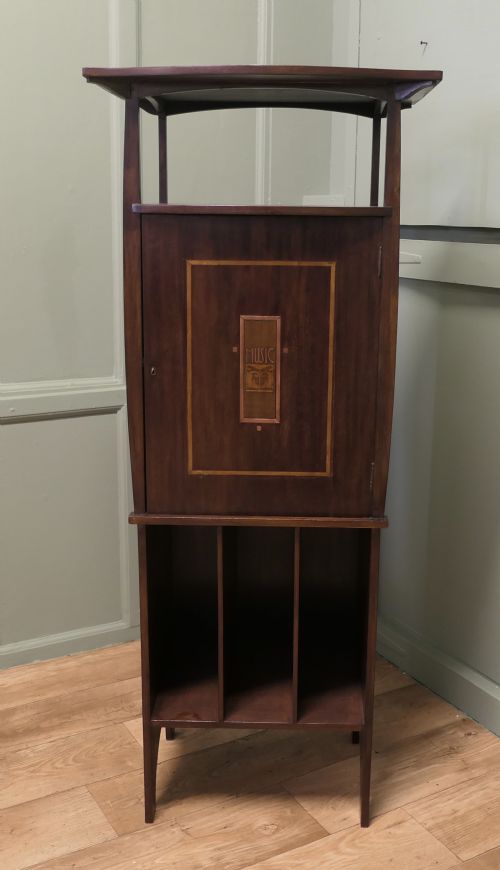
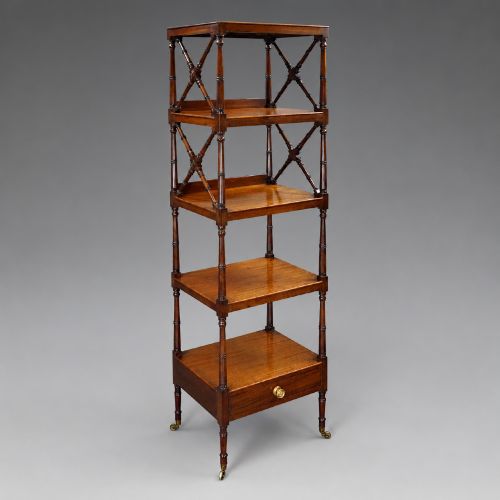
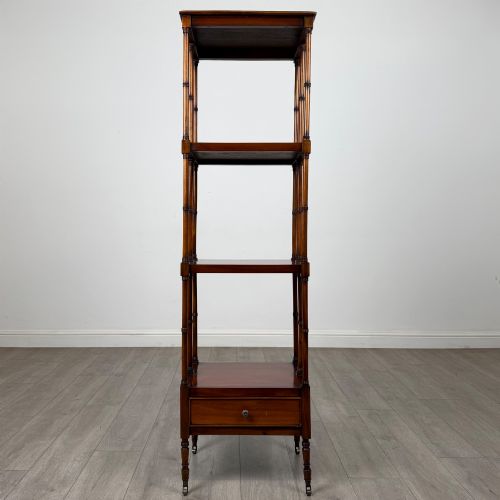
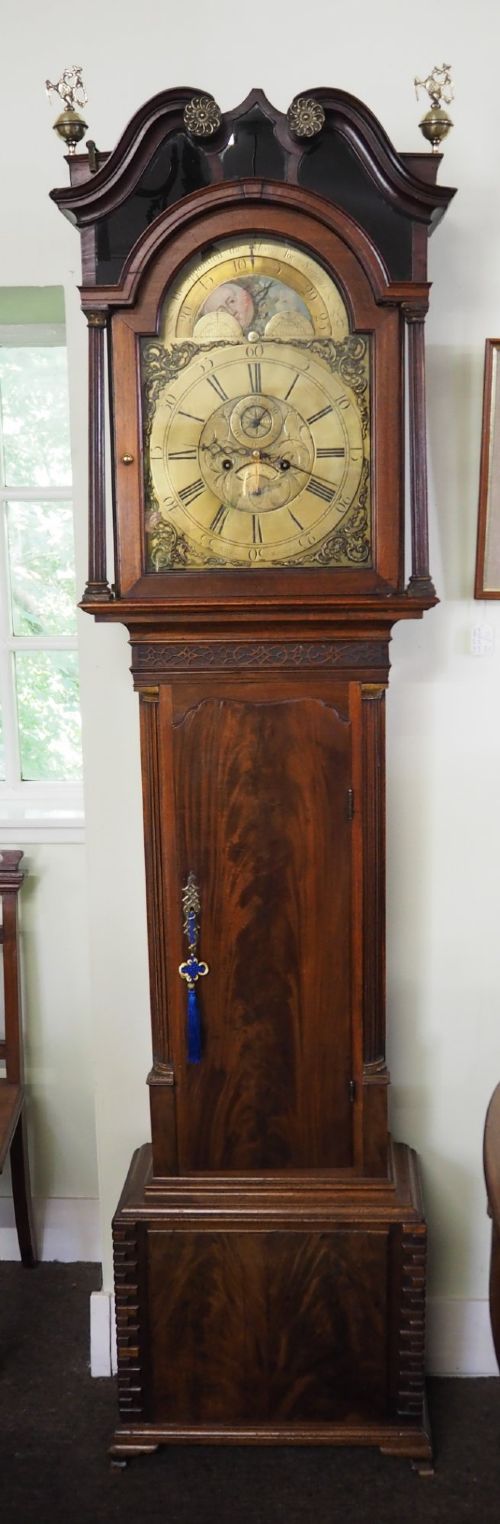
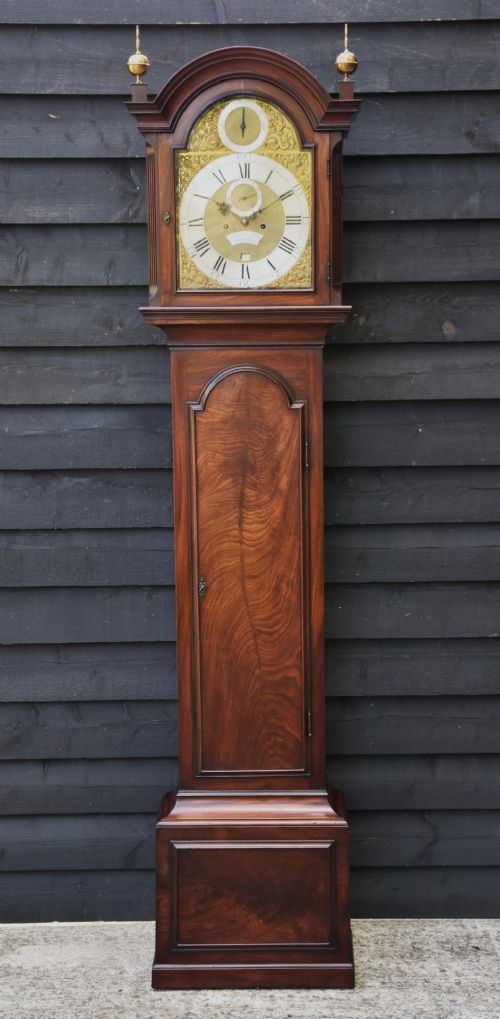
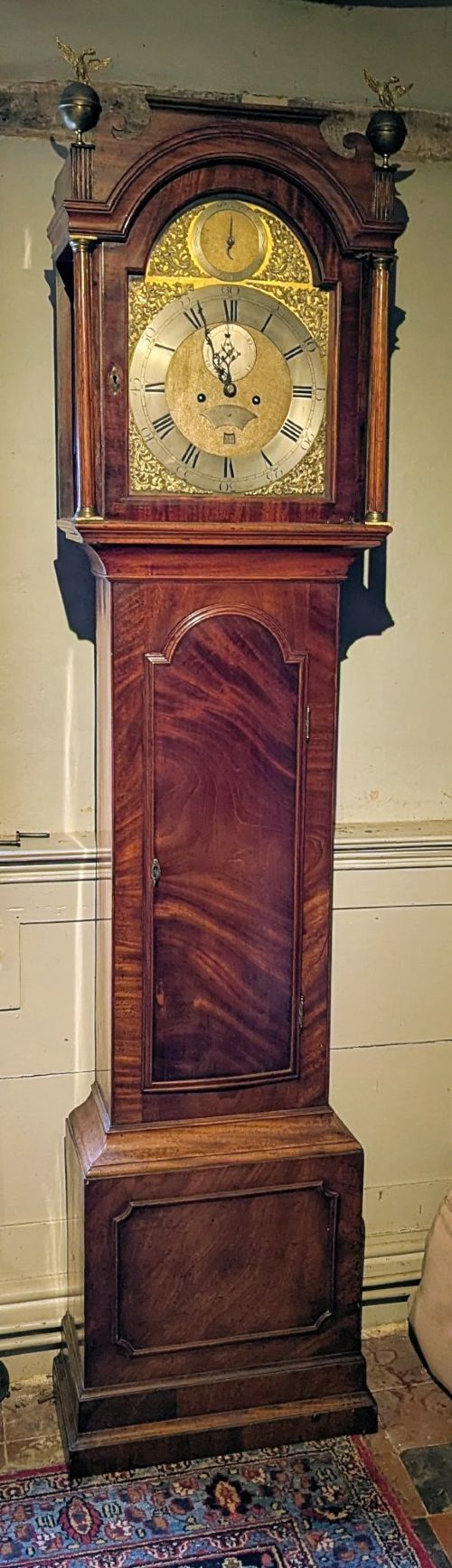
These tall mahogany stand pieces bring architectural height and warm timber grain to a room, offering practical display surfaces for plants, lighting and decorative objects.
What a tall mahogany stand is
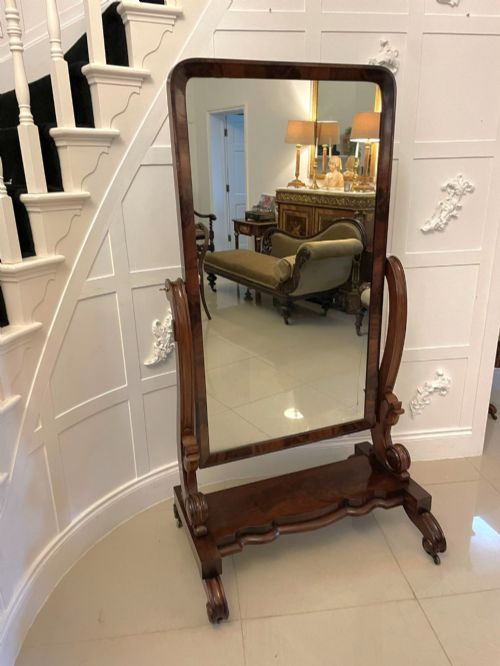
When searching for a tall mahogany stand, a buyer encounters a diverse group of elevated furnishings spanning plant stands, torcheres, nightstands and display pedestals.
The selections on this page draw from nineteenth century, William IV, Victorian and Edwardian periods, reflecting varied domestic uses from holding ferns to supporting lamps.
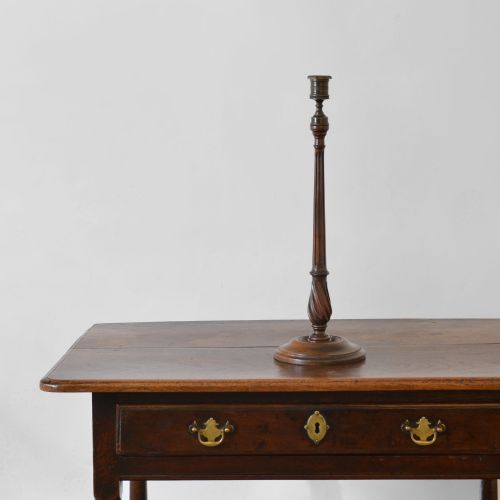
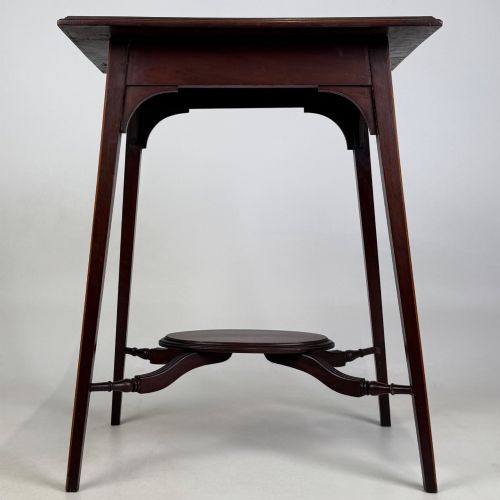
Plant stands and torcheres appear frequently alongside occasional tables and converted washstands, demonstrating the versatility of tall timber forms in traditional interiors.
Materials and construction
The primary timber across these pieces is mahogany, sometimes enhanced with contrasting satinwood inlay or fitted with brass elements.
Joinery methods follow period conventions, utilising turned uprights, carved details and structural supports designed to maintain stability at height.
Retail Price Guide 2026
Typical UK retail prices for tall mahogany stand, calculated from the Sellingantiques database of over a million retail prices indexed since 2003. This retail price guide relies exclusively on Sellingantiques data; no external sources or auction records are used, so the figures do not describe the wider market.
Some tall stands spent their early days quietly holding ferns before transitioning to lamp duties.
Distinctions in quality
Quality rests upon the selection of figured mahogany timber, the crispness of turned or carved ornamentation, and overall structural proportion.
Superior examples show careful attention to detail in inlay work and stable joins, whereas simpler pieces rely on plain turned shafts and functional form.
The Tall Mahogany Stand Glossary
- Torchere
- A tall ornamental stand designed to support a lamp or candle, often featuring a slender column and a small top surface. These elevate lighting above floor level.
- Jardiniere stand
- A tall piece built specifically to hold a plant container or flower pot, sometimes lined or fitted with a protective gallery. These protect surrounding surfaces from moisture.
- Satinwood
- A lustrous, yellowish timber utilised for contrasting inlay and decorative banding on dark woods like mahogany. It creates bright visual accents.
- William IV
- A British design period spanning the early nineteenth century characterised by robust classical forms, heavy turned columns and scrolled supports. Pieces from this era display substantial presence.
Frequently Asked Questions
What rooms suit a tall mahogany stand?
These elevated pieces fit well in corners, narrow hallways and beside seating areas where floor space is limited. They provide vertical interest without cluttering the room.
Living rooms and entrance halls make ideal locations for displaying ceramics, lamps or potted plants at eye level.
How do I care for mahogany stands?
Keep timber surfaces clean using a soft, dry cloth to remove dust and maintain the natural sheen of the wood. Avoid placing stands in direct sunlight or near heat sources to prevent timber cracking.
Applying occasional appropriate wax preserves the depth of the mahogany grain over decades of use.
Can these stands support heavy plants?
Most torcheres and plant stands are engineered for standard decorative pots, but stability varies by design and base weight. Slender shafts suit lighter botanical arrangements.
Items with wider bases or heavier turned supports offer better stability for larger ceramic planters or lamps.
How are Edwardian stands different?
Edwardian pieces often incorporate lighter proportions, subtle inlay work, and sometimes Art Nouveau stylistic touches. They reflect a shift towards more delicate domestic furnishings.
Earlier nineteenth-century versions typically showcase heavier turned columns and bolder classical proportions.