
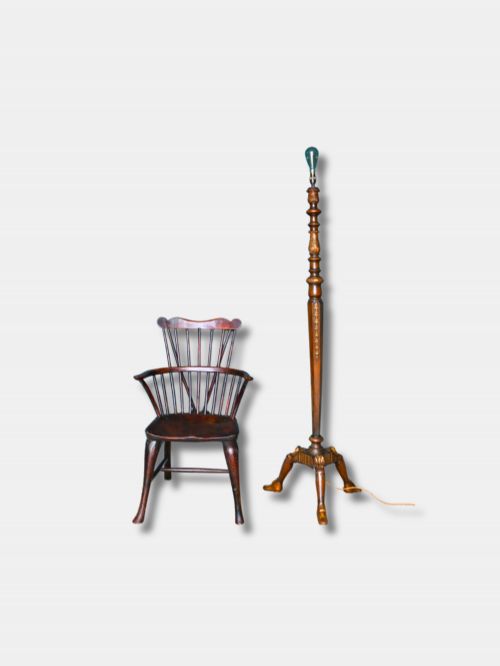


Tall Carved Walnut Stand
A tall carved walnut stand brings height and grain to a room, holding everything from torcheres to grandfather clocks.
Tall Carved Walnut Stand
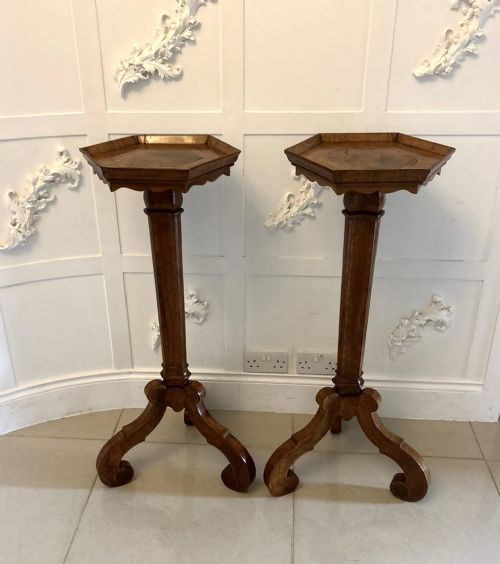
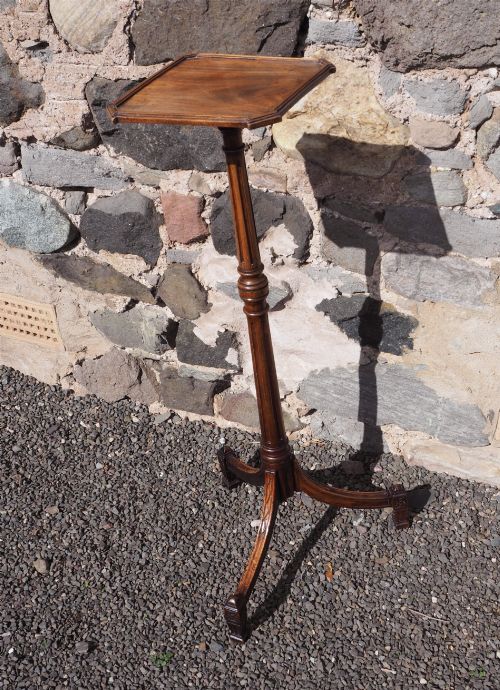
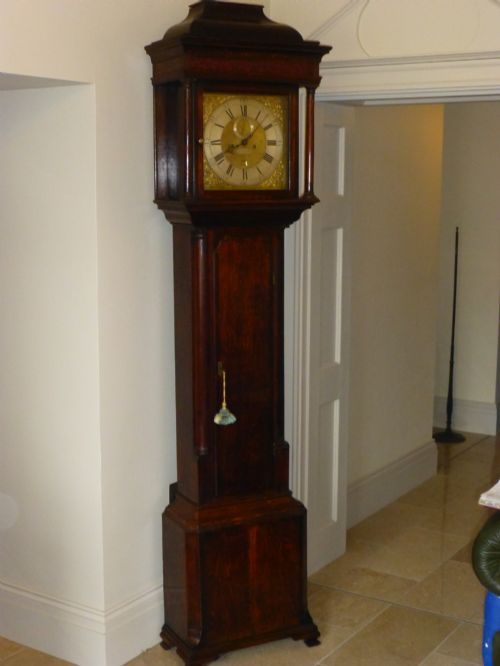
When you search for tall carved walnut stand, you encounter a varied group of vertical pieces spanning centuries and forms. The selection includes plant stands, torcheres, standard lamps, pedestals, and tall clocks, alongside cabinets and chests on stands.
Most examples date from the seventeenth century through to the art deco period of the nineteen thirties. Walnut is the primary timber, often enhanced by burr walnut, oak, mahogany, brass, glass, and gilt details.
The English and continental pieces range from Georgian and Victorian designs to William and Mary revivals and art deco standard lamps. Plant stands and torcheres appear frequently among the listings alongside tall longcase clocks.
What varies in quality
The standard of carving determines much of the character in these vertical forms, separating fluid hand-cut detail from rigid or flat execution. Crispness in the foliage, drapery, or geometric motifs reveals the skill of the maker.
Timber selection creates a clear distinction between standard walnut surfaces and richly figured burr walnut veneers. The depth of colour and the integration of secondary woods like oak or mahogany also mark the distinction between everyday items and masterwork pieces.
Among the towering timepieces and elegant stands sits a motoring-inspired French walnut piece dubbed the Rolls Royce.
Richard Corless of Stockport·Edin Burgis of London·Harry and Lou Epstein·Edward East·Samuel Young Nantwich and Bunbury·Edward Stanton·Joseph Windmills·Joseph Oxley
The Tall Carved Walnut Stand Glossary
- Torchere
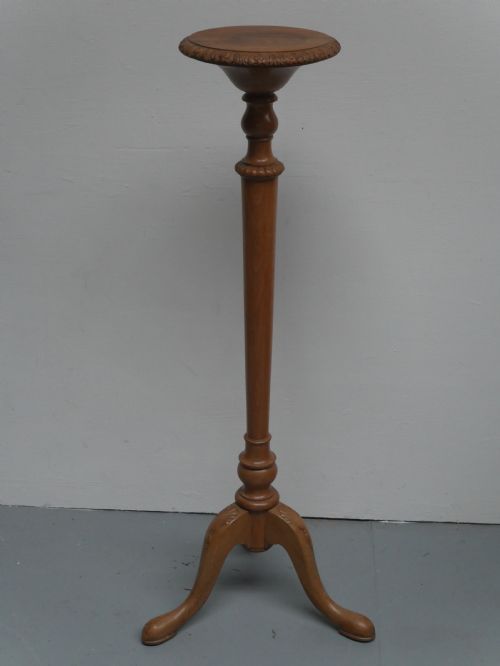
- A tall ornamental stand designed to hold a light or a decorative object. These slender wooden pillars frequently feature carved tripods or column shafts.
- Burr walnut
- A prized timber harvested from walnut tree growths, yielding intricate swirling grain patterns. Cabinet makers utilised these veneers on prominent surfaces of stands and clock cases.
- Longcase clock
- A tall pendulum clock enclosed in a wooden case resting on the floor. These tall vertical timepieces often combine oak and walnut construction with brass dials.
- Jardiniere stand
- A tall piece of furniture designed to support a plant container or planter bowl. They appear in walnut with carved details or marble tops.
- Tripod base
- A three-legged support structure commonly found beneath standard lamps, torcheres, and plant stands. This configuration provides stability for tall vertical items.
Tall Carved Walnut Stand: Frequently Asked Questions
What is a torchere used for?
A torchere serves as an elevated platform for displaying decorative objects, figures, or lamps. Their slender proportions allow them to occupy tight corners without cluttering a room.
Historically, they held candles or oil lamps to illuminate specific areas before electric lighting became common. Today, they function primarily as architectural accents that draw the eye upward.
How do I identify seventeenth century walnut pieces?
Seventeenth century pieces display deep patination in the walnut timber, often combined with sturdy oak internal construction. The carving tends to be robust and sculptural, reflecting the William and Mary style.
Joinery techniques from this era involve pegged tenons and hand-cut mouldings rather than modern machine production. The presence of original brass hardware further aids in period identification.
Where should I place a tall stand?
Tall stands work well in empty corners, narrow hallways, or flanking doorways where vertical interest is needed. Their elevated design prevents them from taking up excessive floor space.
Ensure the base rests evenly on the floor to maintain stability, particularly with taller items like standard lamps or heavy torcheres.
What is burr walnut?
Burr walnut comes from a growth on the walnut tree where the grain has grown in a deformed, swirling pattern. Cabinet makers slice this wood into thin veneers to cover prominent flat surfaces.
This material creates complex, highly decorative patterns that catch the light differently than straight-grained walnut. It was frequently reserved for the finest furniture and clock cases.