


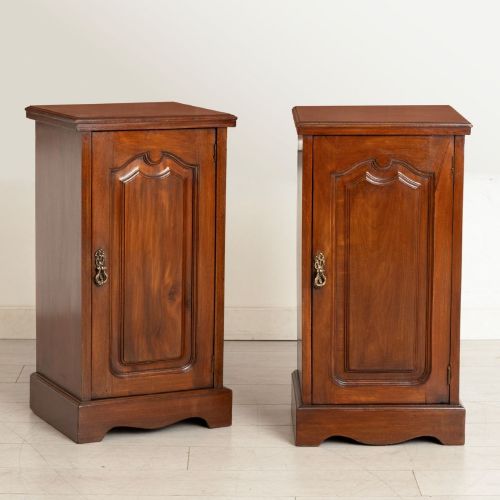
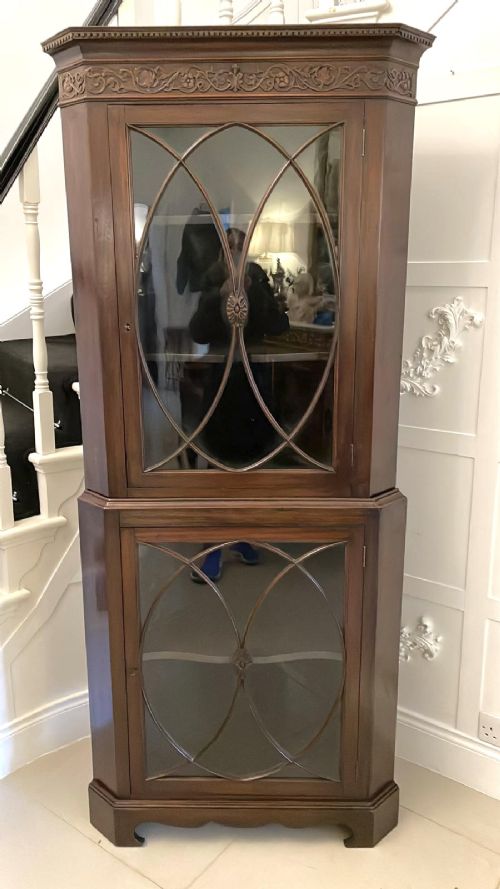
Carved Cupboard Stand
A carved cupboard stand brings architectural presence to a room, uniting enclosed storage with an elevated timber or gilt frame.
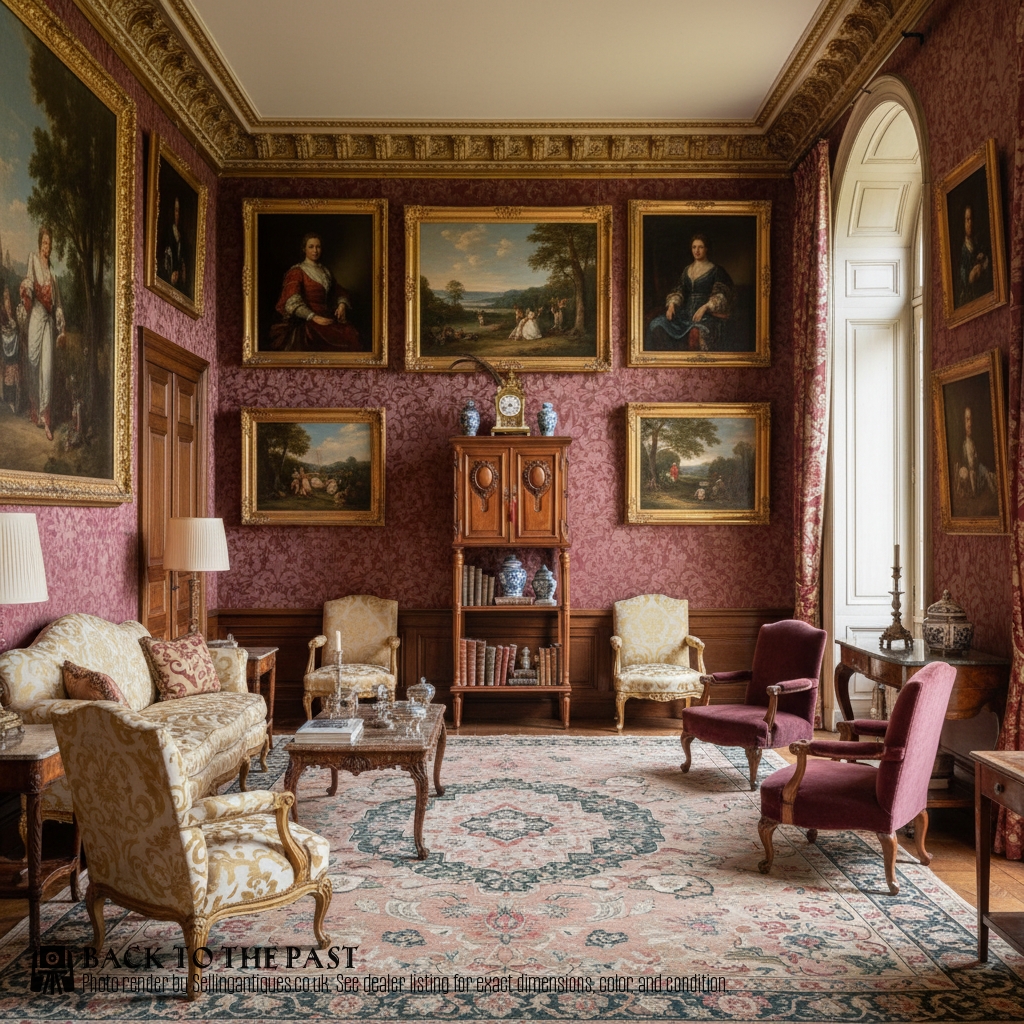
Carved Cupboard Stand
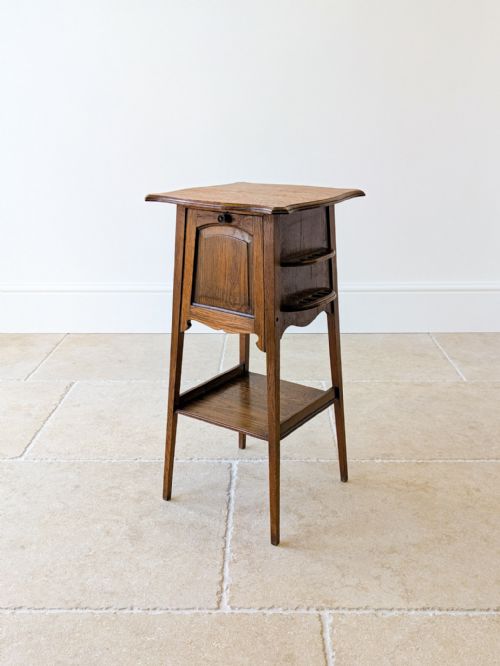
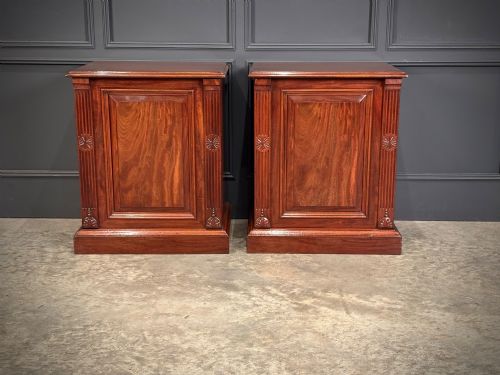
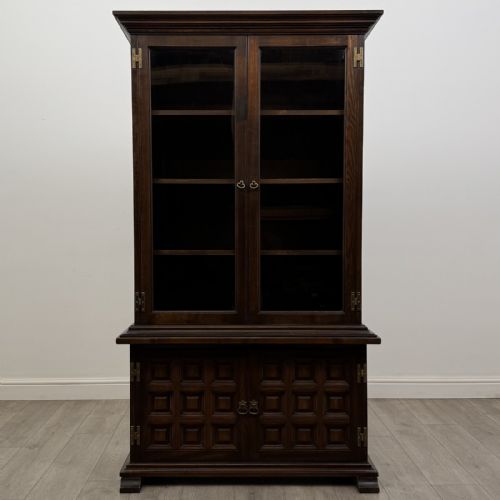
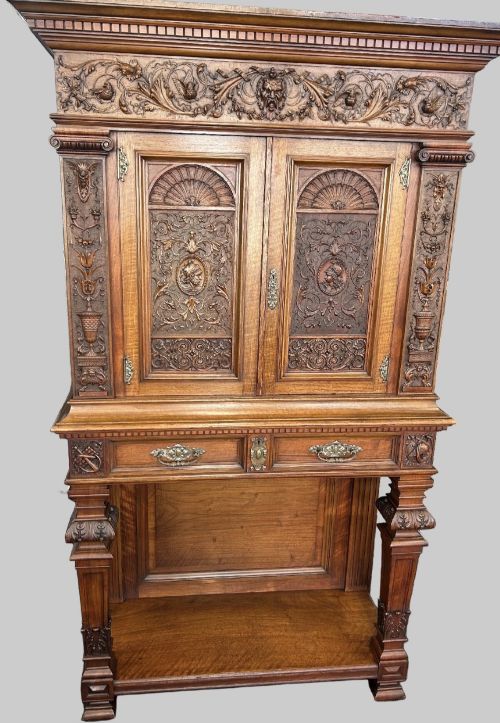
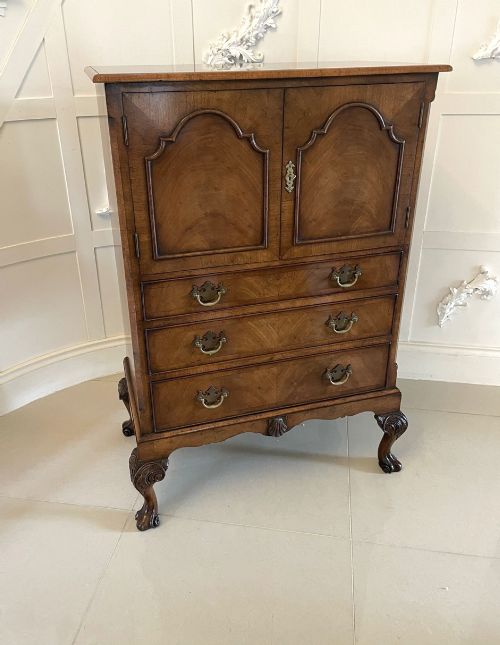
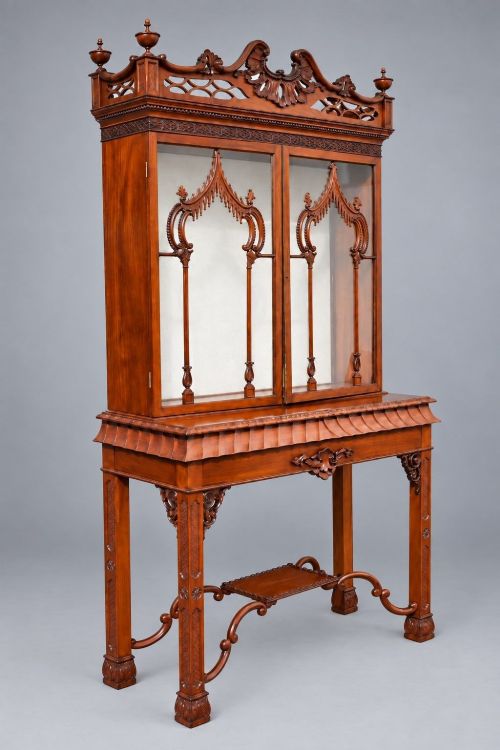
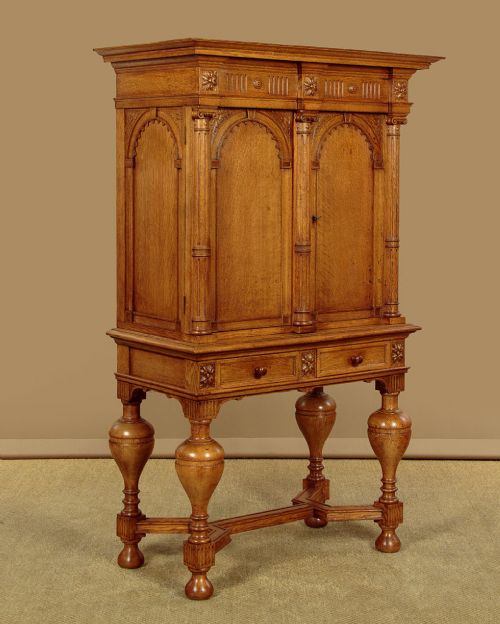
When you search for a carved cupboard stand, you encounter timber furniture that combines a lower support structure with an upper storage compartment. These pieces range from seventeenth-century joined oak court cupboards to nineteenth-century display cabinets and twentieth-century cocktail cabinets.
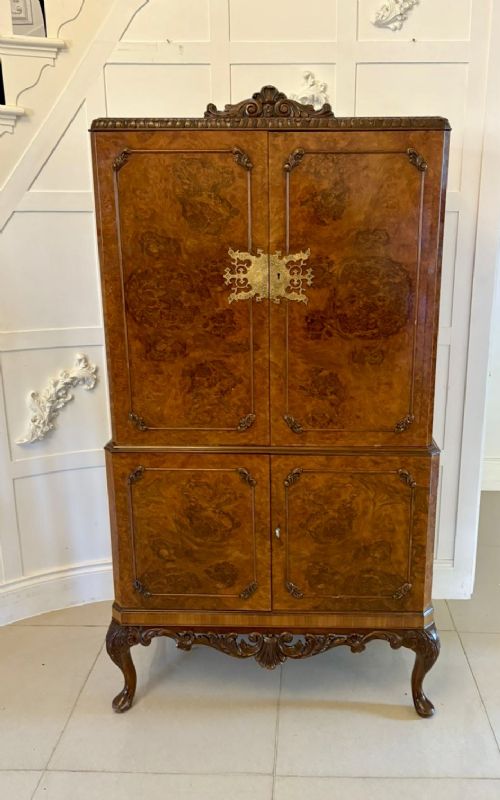
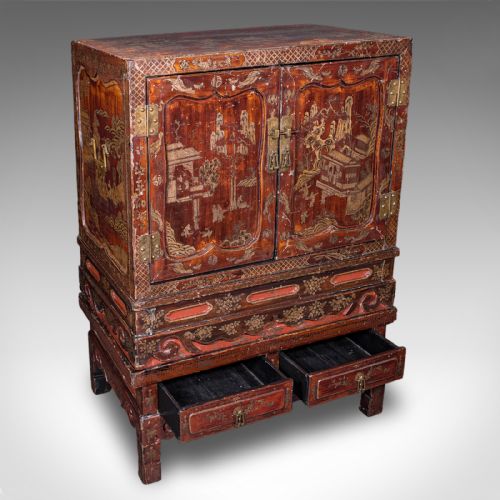
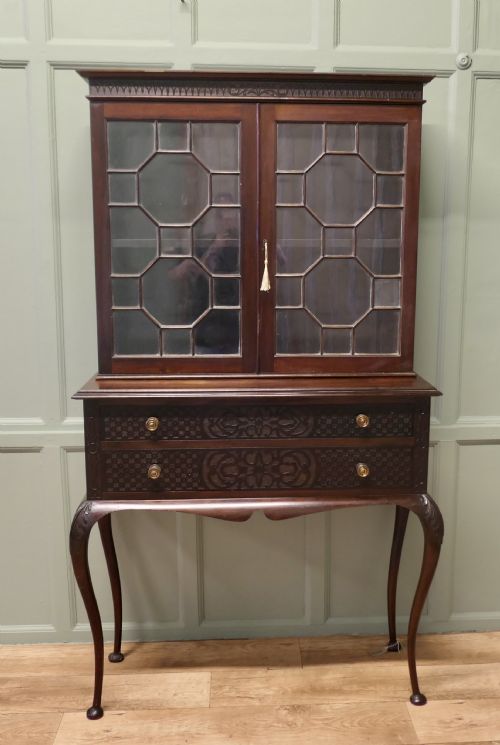
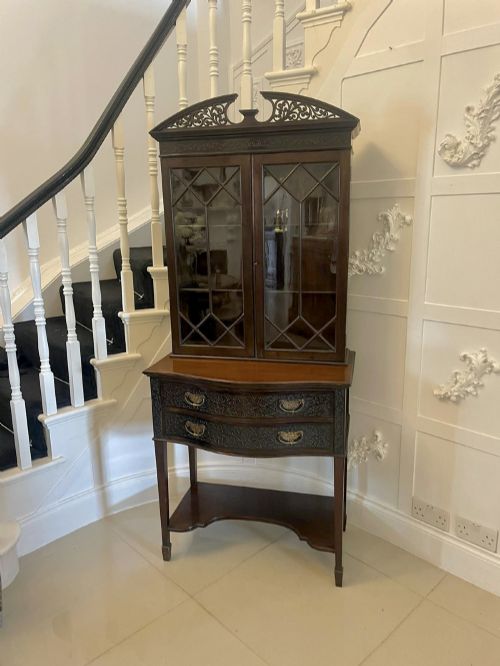
The versions most commonly met on this page span the seventeenth century through to the Edwardian period and the nineteen-twenties. They appear in forms such as corner cupboards, display cabinets, chests on stands, and lacquer cabinets mounted upon elaborate giltwood frames.
Materials and Construction
Timbers dictate the character of these pieces, with solid oak and figured walnut dominating the earlier and mid-period examples, alongside mahogany and burr walnut in later designs. Craftsmen utilised traditional joinery, framing panels and carving deep relief motifs directly into the dense wood.
Decorative surfaces extend beyond plain timber through the application of lacquer, Chinoiserie detailing, and glass glazing bars. Brass and iron hardware provide functional hinges and keyplates, while stands occasionally feature silver gilt or French gilding to elevate the lower frame.
Materials across these listings include solid oak, mahogany, burr walnut, lacquer, and brass alongside glass and iron.
Distinguishing Quality
The caliber of a carved cupboard stand rests upon the crispness of its timber carving and the integrity of the joinery between the upper cabinet and its supporting base. Finer examples display deeply undercut foliage or geometric motifs that remain sharp and undisturbed by later alterations.
Proportion and material selection further separate standard items from superior works, particularly where burr walnut veneers or figured mahogany are matched symmetrically. The harmony between the cabinet proportions and the stand geometry determines the visual success of the piece.
Shoolbred and Co·Denby and Spinks·Edwards and Roberts
The Carved Cupboard Stand Glossary
- Court cupboard
- A heavy seventeenth-century storage piece featuring tiered shelving or enclosed upper sections. These constructions rely on solid joined oak and heavy relief carving.
- Chinoiserie
- European imitation of traditional Chinese artistic styles, typically expressed through lacquered surfaces and painted gilt motifs. This decoration appears frequently on eighteenth and nineteenth-century stands.
- Astragal glazed
- A window or cabinet door divided into smaller glass panes by narrow timber framing bars. These delicate mouldings define nineteenth-century display cabinets.
- Bargueño
- A portable Spanish writing cabinet and chest resting upon a dedicated table stand. These pieces display complex internal drawers and decorative exterior hardware.
Carved Cupboard Stand: Frequently Asked Questions
What is a carved cupboard stand?
A carved cupboard stand is a combined furniture form featuring an enclosed upper storage section mounted upon a distinct base or frame. These items range from early joined oak cupboards to later display cabinets.
Craftsmen built these pieces to keep prized possessions elevated away from cold, damp floors while adding ornamental presence to domestic interiors.
How were they used historically?
Historically, these stands and cupboards held household valuables, textiles, documents, and tableware depending on the era of production. The raised cabinet design kept contents clean and easily accessible without requiring deep bending.
Later iterations shifted toward specialised storage, housing drinks, glassware, or display items in prominent reception rooms.
How do I style one at home?
Living with these pieces involves placing them against solid walls in hallways, dining rooms, or living spaces where their timber tones can anchor the room. Their dual nature provides both surface display space on top and concealed storage within.
Keep surrounding furniture complementary in period or timber tone to let the carved details and stands remain the visual focus.
How do I tell periods apart?
Distinguishing periods relies on observing timber choices, joinery methods, and decorative motifs like Jacobean strapwork or Queen Anne cabriole legs. Seventeenth-century pieces typically show heavy joined oak and hand-carved panels.
Nineteenth and twentieth-century examples introduce mahogany, burr walnut veneers, and refined revival styles such as Chinoiserie and Jacobean Revival.