
Tall Brass Light
A tall brass light provides vertical presence and a warm metallic gleam, spanning floor lamps, stately candlesticks and oil lamps.
Tall Brass Light
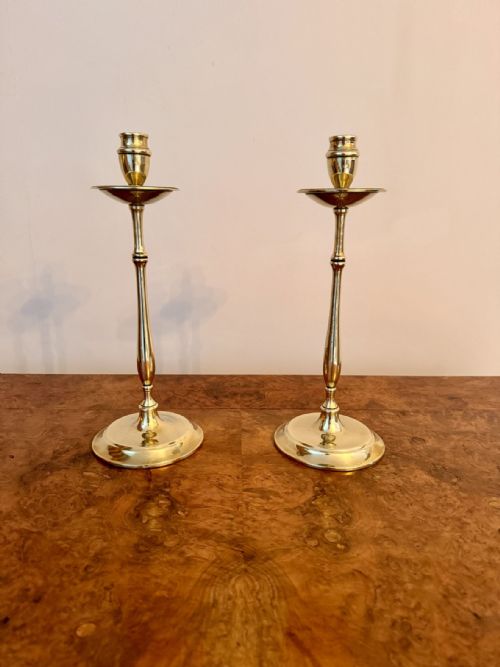
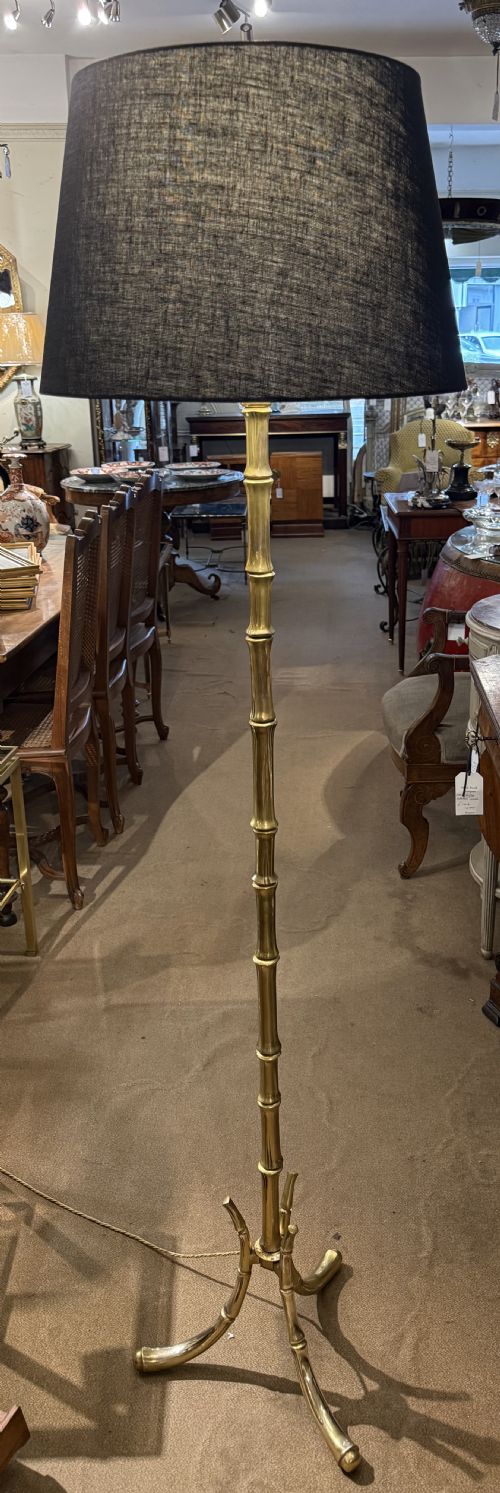
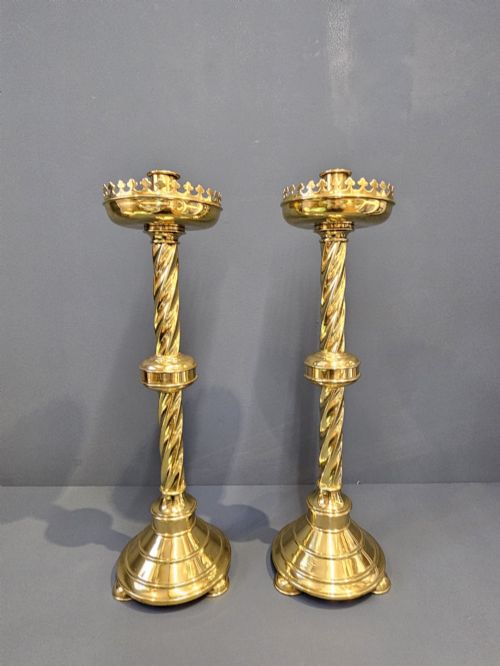
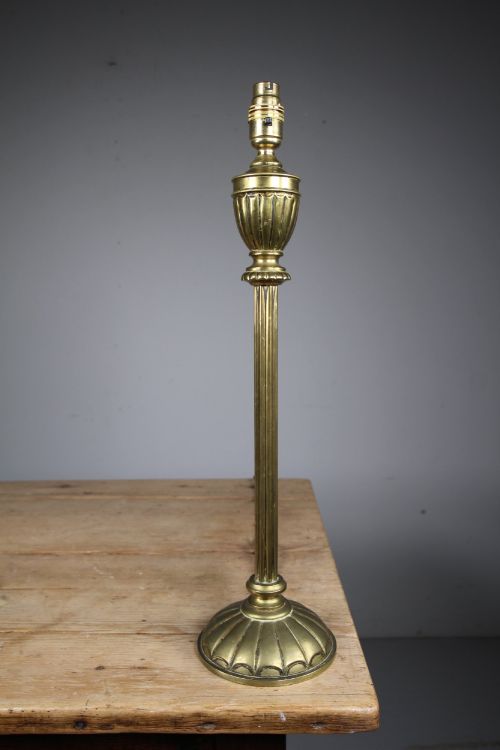
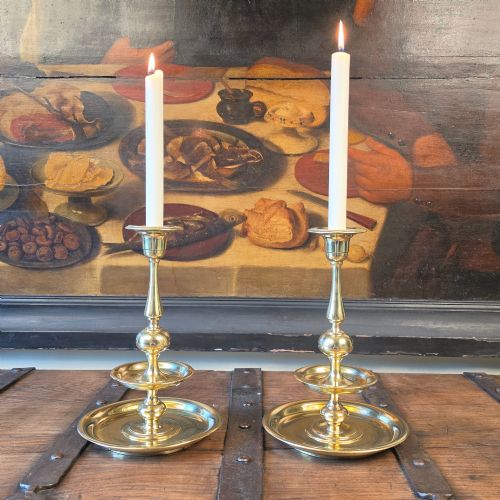
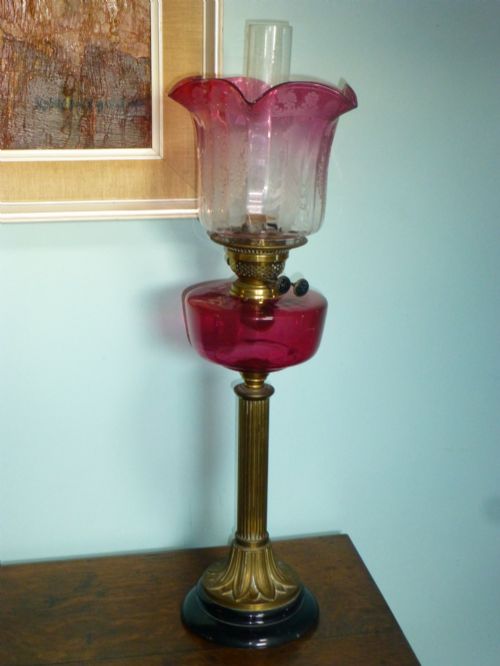
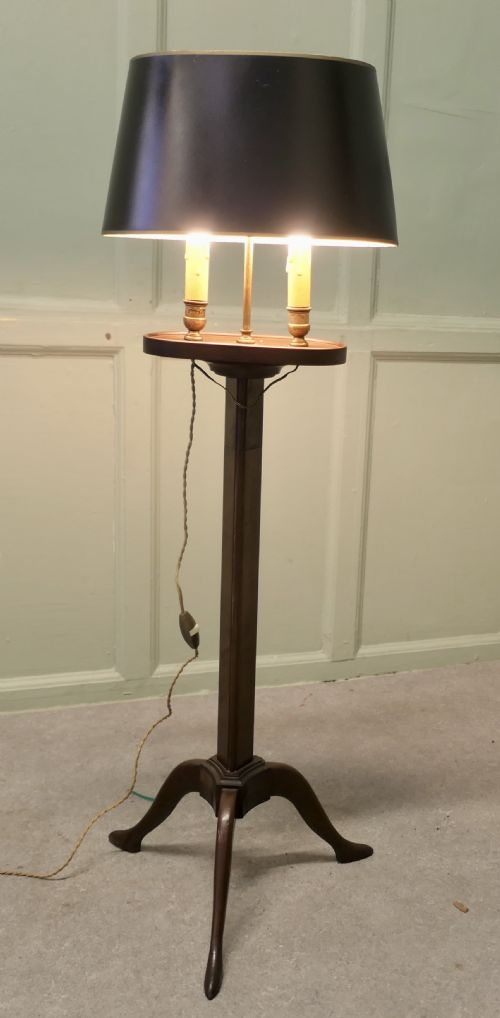
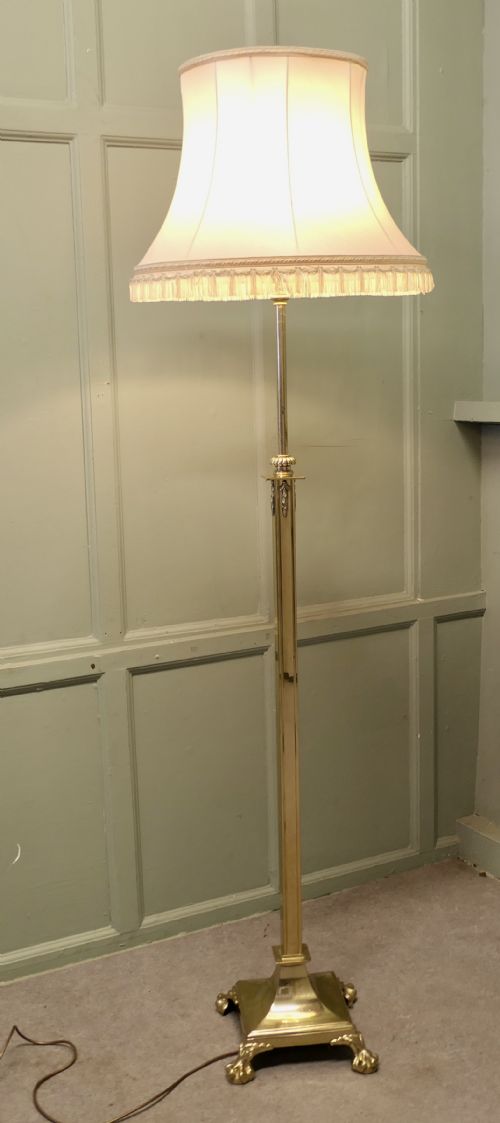
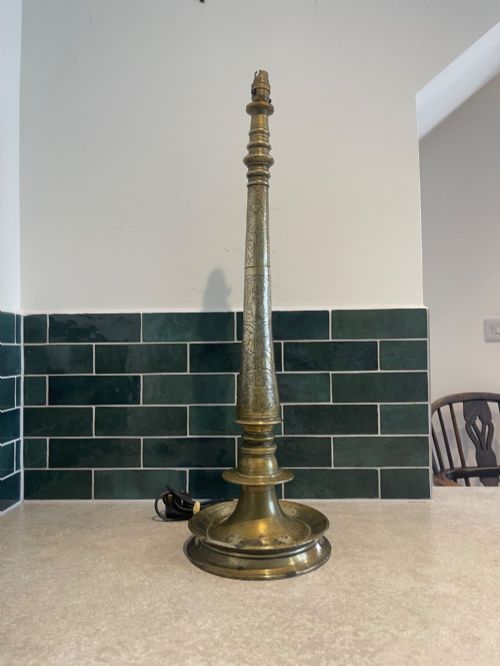
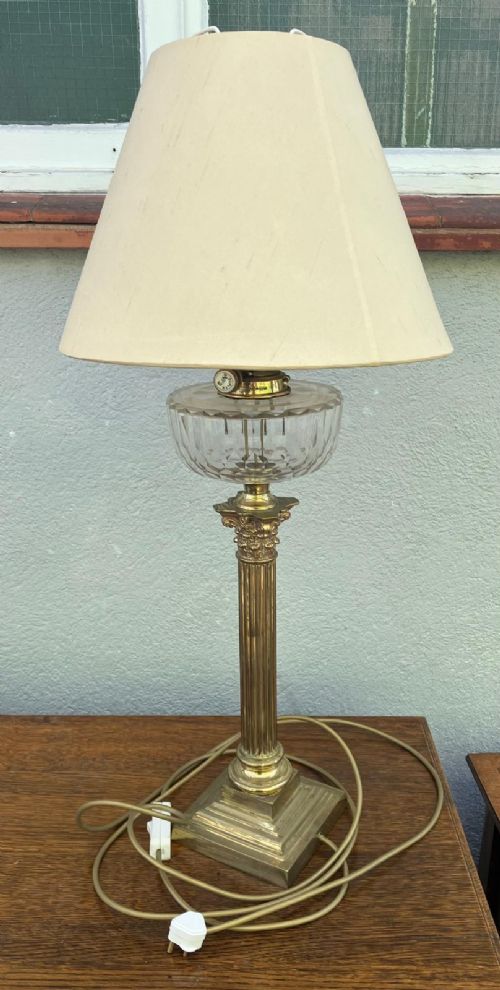
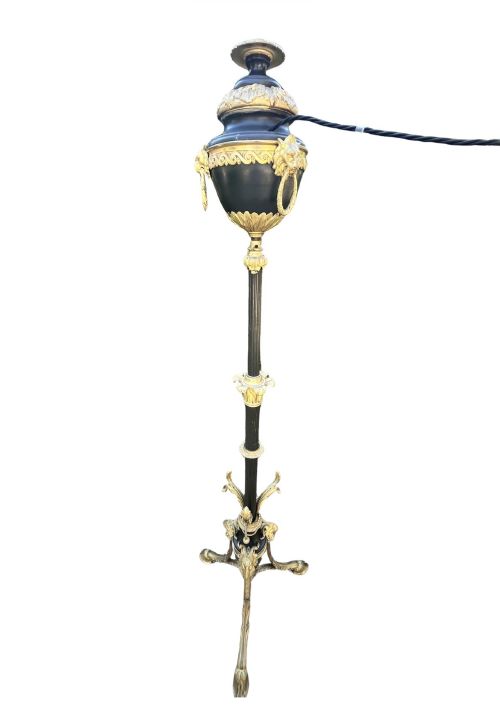
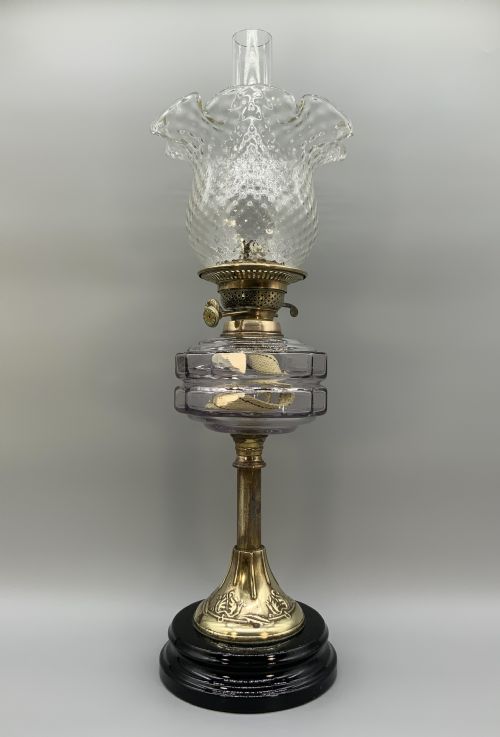
When you search for a tall brass light, you encounter a diverse range of objects designed to elevate illumination within a room, originating from various periods including the Victorian and Edwardian eras. These pieces primarily manifest as floor lamps, standard lamps, and towering church or pricket candlesticks, alongside table lamps and oil lamps.
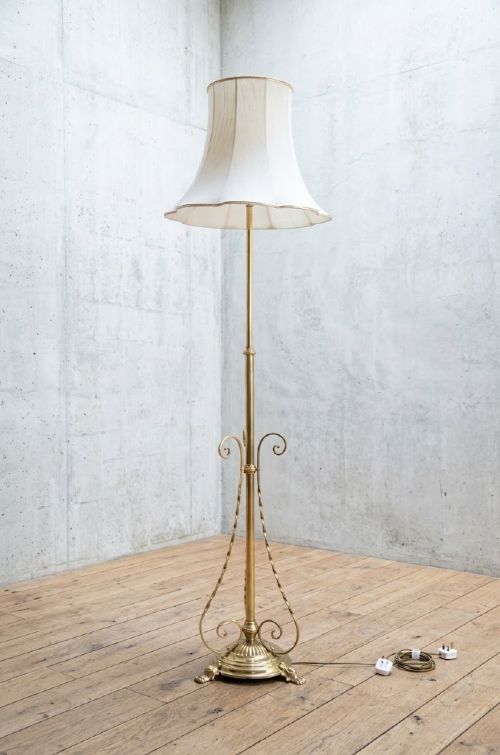
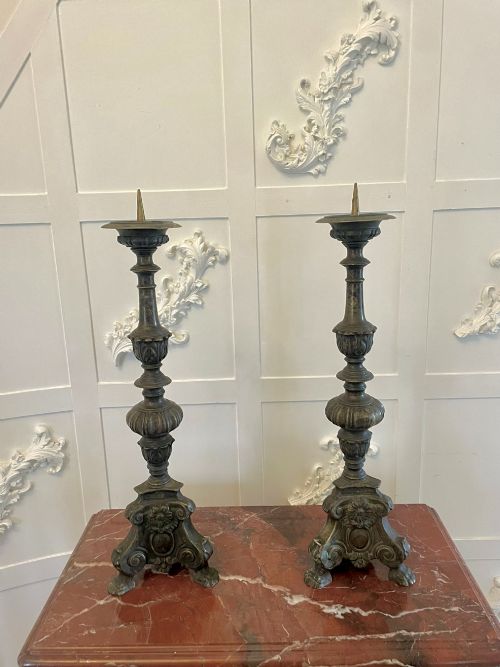
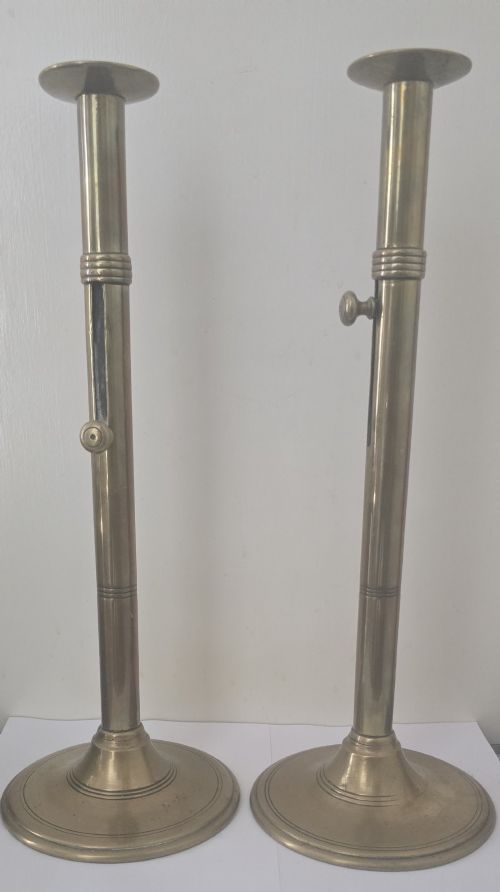
The version you are most likely to meet on this page is the Victorian or Edwardian floor-standing column or standard lamp, often accompanied by pairs of heavy church candlesticks in cast brass. Many of these lighting forms incorporate adjustable stems, telescopic mechanisms, or twin burners, reflecting both domestic and ecclesiastical origins from the nineteenth and early twentieth centuries.
Materials and construction methods
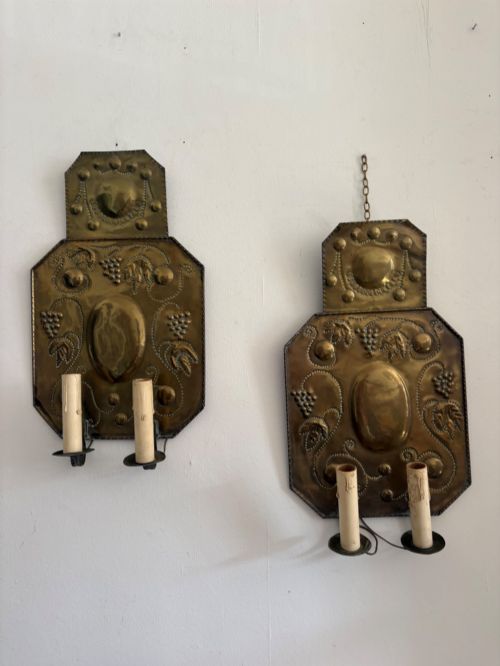
Makers utilised brass, cast brass, bronze, and gilt bronze, frequently combining the metal base with fabric shades, glass chimneys, hand-blown shades, or ceramic components. Surface ornamentation involved repousse work, ornate casting, and open twist formations.
Tall components were often constructed in sections, utilising telescopic stems or adjustable screws to alter height, while ecclesiastical candlesticks employed pricket spikes or side ejectors to secure and manage candles.
Some tall candlesticks come equipped with side ejectors, proving that even historical church interiors had to deal with stubborn candle stubs.
Distinctions in craftsmanship
Quality rests in the weight of the casting and the crispness of detail in ornamentation, such as Corinthian column fluting or Dutch repousse relief work. Substantial gauge brass and solid, heavy bases separate superior examples from lighter, purely decorative pieces.
Proportion and mechanical execution define the upper tier, seen in smooth telescopic adjustments and balanced weight distribution in floor-standing standards, whereas lesser items rely on simpler, fixed-height construction.
Maison Bagues
The Tall Brass Light Glossary
- Pricket candlestick
- A candlestick featuring a sharp central spike, or pricket, designed to impale the base of a candle rather than sit inside a socket.
- Standard lamp
- A tall floor-standing lamp designed to illuminate a room from a standing position, often incorporating an adjustable stem.
- Repousse
- A metalworking technique where the metal is hammered from the reverse side to form a raised design in relief on the front.
- Duplex burner
- A double-wick oil lamp mechanism that produces a brighter flame than single-wick variants, frequently paired with cranberry glass reservoirs.
- Corinthian column
- A classical architectural column style featuring ornate capitals decorated with acanthus leaves, often adapted for lamp standards and candlesticks.
Tall Brass Light: Frequently Asked Questions
How do I date an antique tall brass light?
Dating relies on stylistic clues, manufacturing techniques, and material combinations recorded across Victorian, Edwardian, and earlier periods. Heavy cast bases and neoclassical column designs often point to the nineteenth century, while later additions include early twentieth-century Arts and Crafts or Art Nouveau motifs.
Examining construction methods, such as seamed bronze or hand-finished repousse work, helps narrow the decade of origin. Patents, maker marks, or specific burner types on oil lamps also provide definitive chronological markers.
Were these lights originally wired for electricity?
Many tall brass pieces started as oil lamps, candle holders, or gas standards before being adapted for electric bulbs. Floor lamps and table lamps frequently undergo rewiring to meet modern safety standards while retaining their antique metalwork.
Candlesticks and pricket lamps, however, often remain un-electrified to preserve their original ecclesiastical or domestic function, while other standard lamps integrate fabric or Tiffany-style shades onto historical bases.
How do I care for antique brass?
Maintenance involves gentle dusting and occasional cleaning with a soft cloth to protect the aged patina accumulated over decades. Harsh chemical polishes should be avoided, as they can strip away desirable historic surface depth and darkening.
For pieces with fabric shades or delicate hand-blown glass, separate cleaning methods apply to preserve the non-metal components from damage.