


Tabletop Storage Chest
A tabletop storage chest gives small treasures a purposeful home on a desk or sideboard.
Tabletop Storage Chest
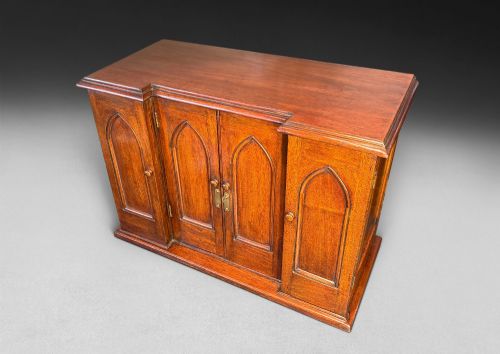
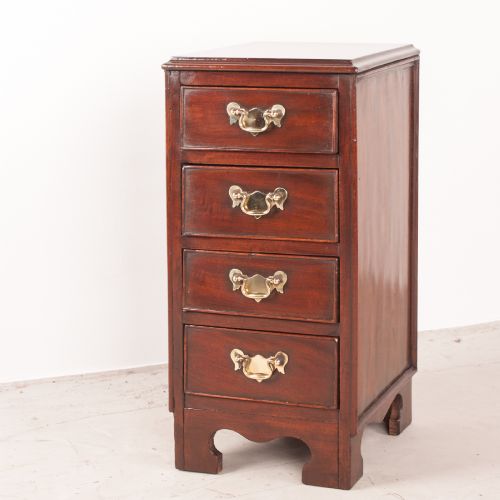
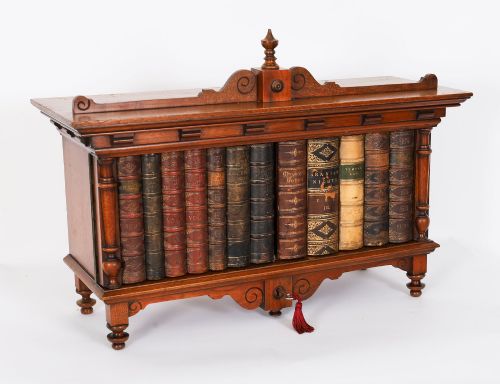
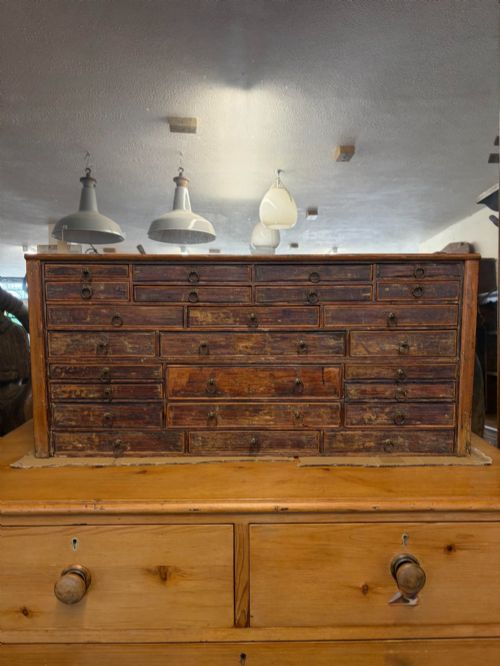
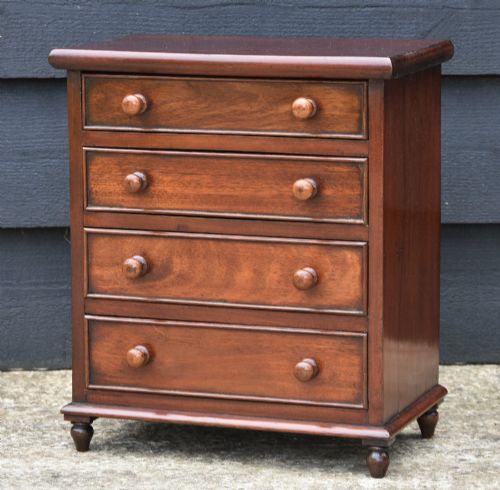
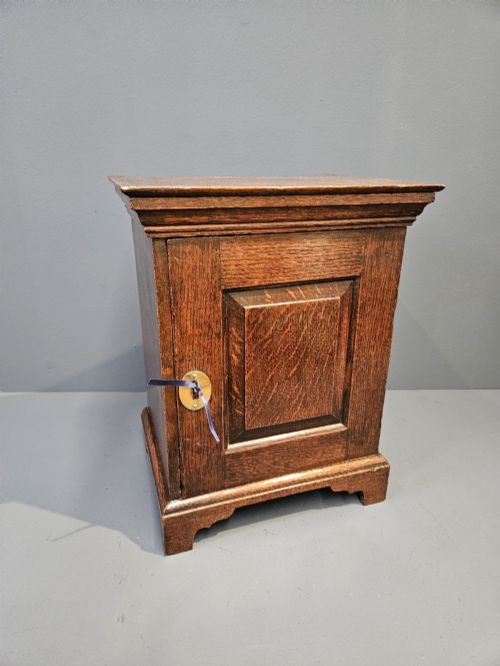
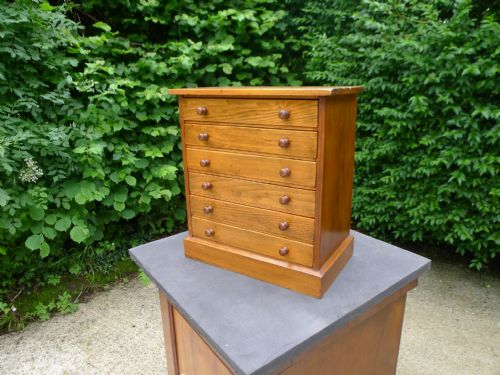
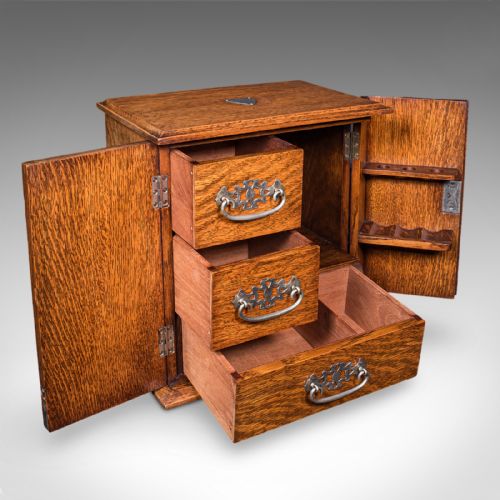
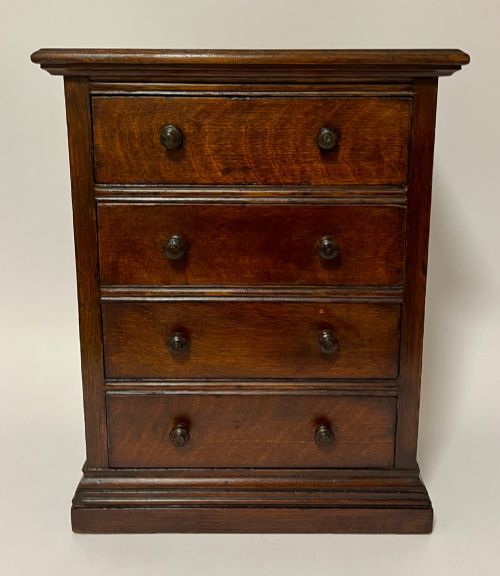
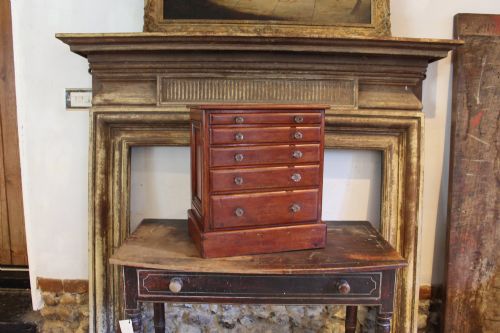
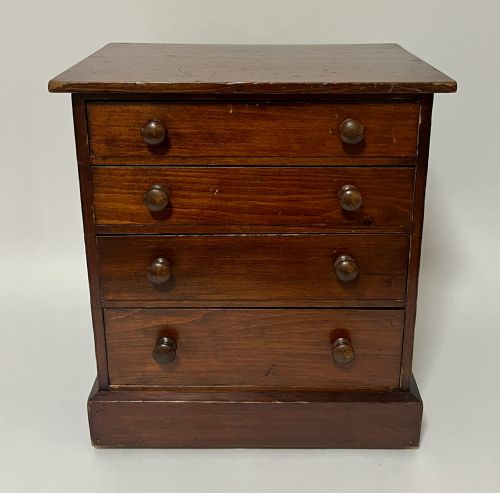
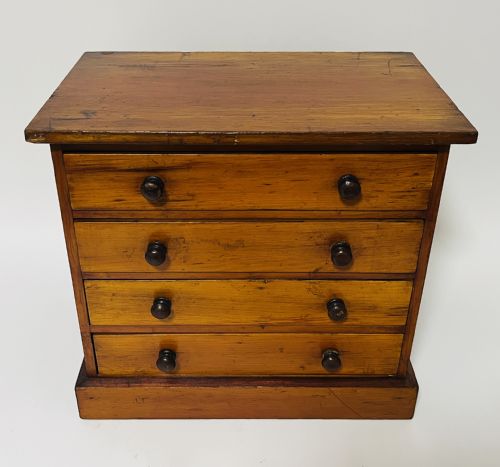
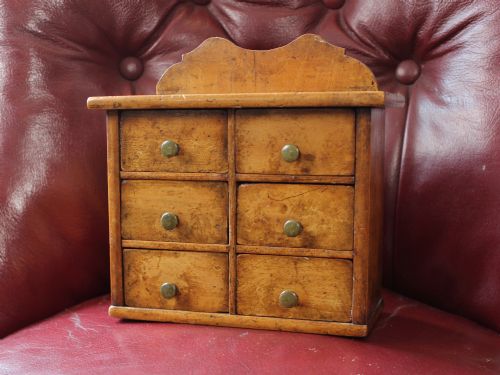
A tabletop storage chest provides compact compartmentalised organisation for small objects, taking the form of miniature chests of drawers, spice cupboards, specimen cabinets, and apprentice pieces.
Most examples seen here date from the 18th century, the Victorian era, and the early 20th century, reflecting periods when domestic and scientific organisation required dedicated small-scale furniture.
The objects span varied functional uses including watchmaking, apothecary storage, jewellery keeping, and general collecting, resulting in diverse internal layouts housed within a compact exterior.
How they were made
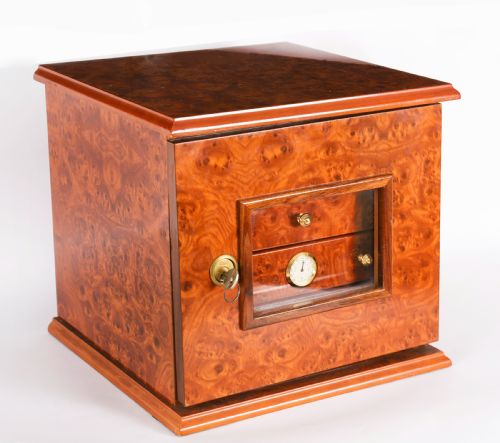
Cabinet makers utilised dense hardwoods such as oak, mahogany, walnut, and elm alongside pine, often selecting figured veneers like burr elm or satin walnut for visible surfaces.
Joinery techniques included dovetailed drawer construction and panelled carcases, paired with hardware such as brass drop handles and iron hinges.
Finishes relied on polish, stain, or natural wax to highlight the grain of the wood, while specific forms incorporated glass panels for display or specialised internal fittings.
A doctor's smoking cabinet brings together the contradictory pursuits of medicine and tobacco under one tiny lock and key.
What varies in quality
Quality rests on the selection of timber and the precision of the construction, where finely figured grain and tight dovetailing separate standard utilitarian boxes from superior pieces.
The integrity of original fittings, including brass handles, working locks, and interior partitions, distinguishes pieces that retain their original character from those altered over time.
Manoah Rhodes & Sons Ltd
The Tabletop Storage Chest Glossary
- Apprentice piece
- A small-scale item demonstrating the advanced woodworking skills required for a craftsman to join a guild. These pieces often mimic full-sized chests of drawers with miniature proportions.
- Specimen cabinet
- A small storage unit designed to hold natural history collections such as insects, minerals, or botanical samples. They typically contain multiple shallow drawers.
- Coffor Bach
- A Welsh miniature coffer or chest used historically for storing valuables or linens. These pieces frequently feature carved oak panels and bracket feet.
- Humidor
- A specialised storage box designed to maintain humidity for cigars. They are lined with moisture-retaining woods like Spanish cedar.
Tabletop Storage Chest: Frequently Asked Questions
What were tabletop storage chests used for?
These small chests served diverse practical functions in homes, surgeries, and workshops. They held items such as spices, medical samples, pocket watches, sewing gear, and documents.
Specialised variants catered to specific trades, including watchmakers, doctors, and drapers, providing secure and organised storage for delicate tools and stock.
How do I date an antique tabletop chest?
Dating relies on observing the timber species, construction methods, and hardware style. Earlier pieces from the 18th century frequently utilise solid oak, elm, or walnut with hand-cut dovetails.
Victorian and later examples often introduce mahogany, satin walnut, or pine, alongside machine-sawn elements and different brass handle designs typical of the 19th and early 20th centuries.
What is an apprentice piece?
An apprentice piece is a miniature version of a larger item of furniture, constructed by a craftsman to prove their proficiency to a trade guild. These display the exact joinery and proportions of full-sized furniture.
They are frequently found in the form of small chests of drawers or miniature cabinets dating from the Georgian and Victorian periods.
How do I care for a wooden tabletop chest?
Maintenance involves keeping the wood away from direct heat sources and fluctuating humidity to prevent warping or splitting. Regular dusting with a soft, dry cloth preserves the finish.
Application of a microcrystalline wax can help nourish dry antique timber without building up heavy residues over time.