

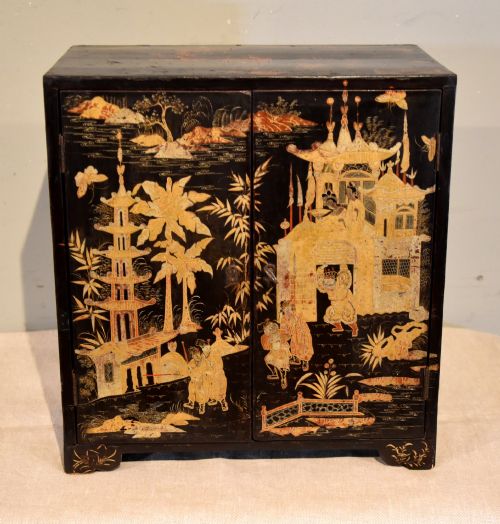
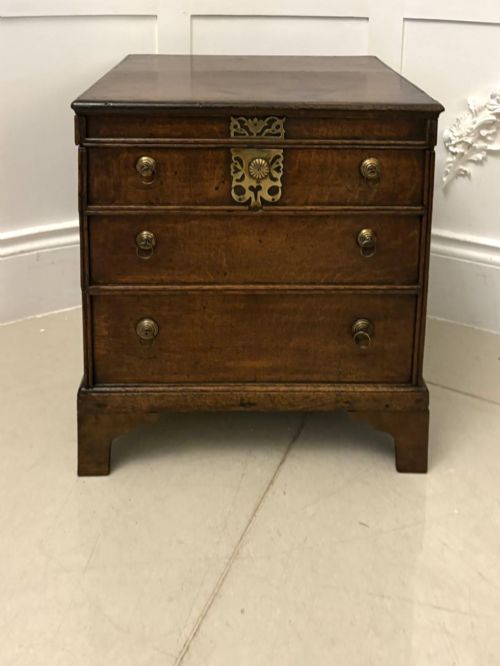
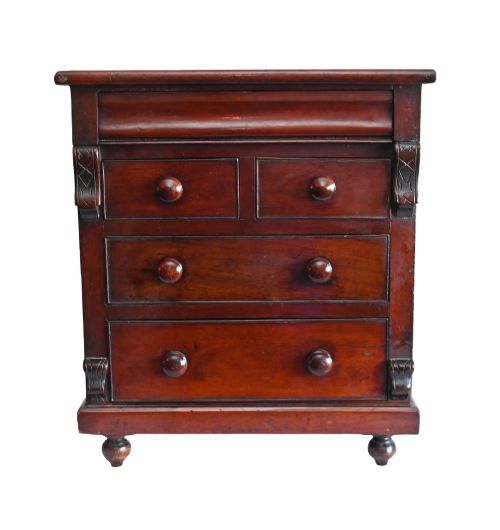
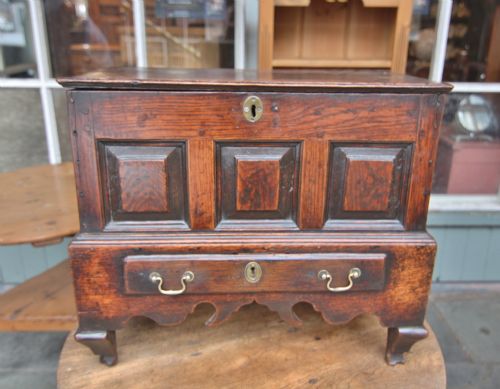
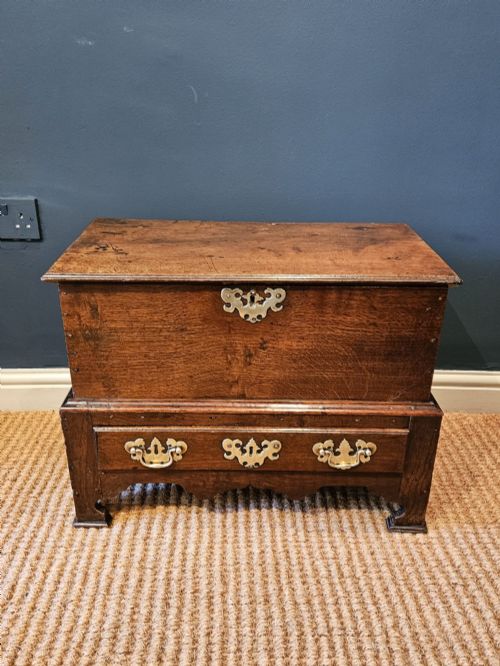


Georgian Miniature Coffer
A georgian miniature coffer is a small domestic box built with regional timber, offering tangible links to domestic life across the centuries.
Georgian Miniature Coffer
A georgian miniature coffer is a small-scale storage piece, often known as a coffer bach, designed to hold valuables or documents. These diminutive chests mirror the construction methods of full-sized domestic furniture.
The pieces on this page span the 18th century and the 19th century, featuring strong regional traditions. Welsh vernacular examples and English apprentice pieces dominate the selection.
Makers utilised various forms, ranging from miniature mule chests with drawer bases to simple lidded boxes on turned feet. Tabletop chests and trinket boxes also appear alongside the primary coffer form.
Evaluating craftsmanship
The standard of timber selection and joinery distinguishes finer examples from simpler workshops. Dovetail joints and grain matching reveal the maker's competence.
Original hardware, including hinges, locks, and feet, influences the integrity of the piece. Subtle details such as turned feet and delicate inlay set apart superior examples.
Georgian Miniature Coffer Retail Price Guide 2026
Typical asking prices for georgian miniature coffer among the pieces listed under this phrase on Sellingantiques today, from the lower quarter to the upper quarter. They describe what is for sale here now, not the wider market.
The selection includes regional Welsh vernacular pieces alongside English apprentice work from the 18th century and 19th century.
The Georgian Miniature Coffer Glossary
- Coffer bach
- A small Welsh chest, translating literally as little coffer, traditionally used for holding linen or valuables. These pieces often feature a drawer beneath the main lidded compartment.
- Apprentice piece
- A small-scale item created to demonstrate skill and secure trade guild membership. These objects replicate full-sized furniture designs in miniature proportions.
- Mule chest
- A chest featuring one or more drawers at the base beneath the main lifting lid. This hybrid form bridges the traditional coffer and the chest of drawers.
- Vernacular furniture
- Objects built by local craftsmen using regional styles and readily available native timbers. These pieces reflect domestic traditions rather than formal urban designs.
- Escutcheon
- A protective metal plate surrounding a keyhole. This hardware item prevents timber wear around the lock mechanism.
Georgian Miniature Coffer: Frequently Asked Questions
What is a coffer bach?
A coffer bach is a traditional Welsh miniature chest, constructed primarily in oak during the 18th century. Families used them to store important documents, silver, or christening gifts.
These small pieces often sat upon tables or chests of drawers, serving both a decorative and practical purpose in the home.
How do I date a miniature chest?
Dating relies upon examining construction methods, timber choice, and hardware styles. Early 18th-century examples display hand-cut dovetails and pegged joints.
Changes in foot styles and decorative inlay also provide clues to the decade of manufacture.
Where were these pieces made?
The majority of these miniature chests originate from Welsh rural workshops and English provincial cabinet makers. Regional vernacular styles distinguish Welsh pieces from English examples.
Local timber supplies dictated whether oak, walnut, or fruitwood was utilised.