



Swiss Wooden Bear Sculpture
A swiss wooden bear sculpture brings character to a room through traditional carving, combining craftsmanship with the charm of the Black Forest tradition.
Swiss Wooden Bear Sculpture
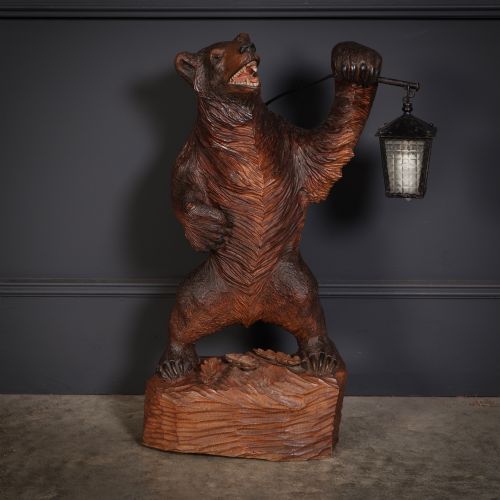
A swiss wooden bear sculpture represents a distinct tradition of animal carving originating from the 19th century and the Edwardian era. You will encounter various forms ranging from small desk ornaments to large hall stands and umbrella stands.
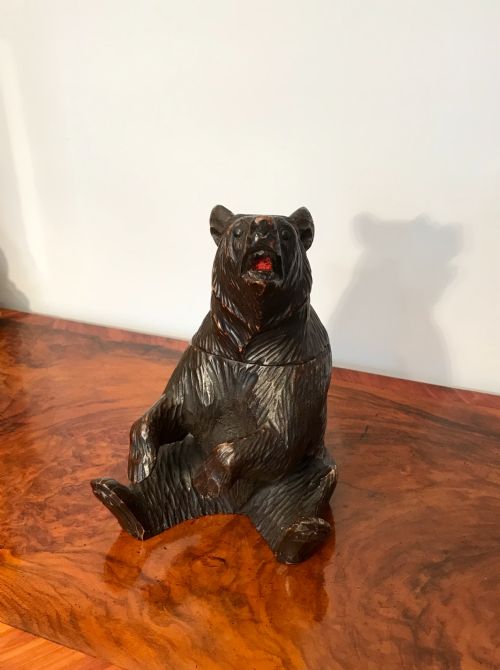
The objects span practical household items such as tobacco boxes, humidor boxes, and inkstands alongside purely decorative sculptures. Many pieces emerge from the Black Forest style and Swiss folk art traditions, often rendered in realistic poses.
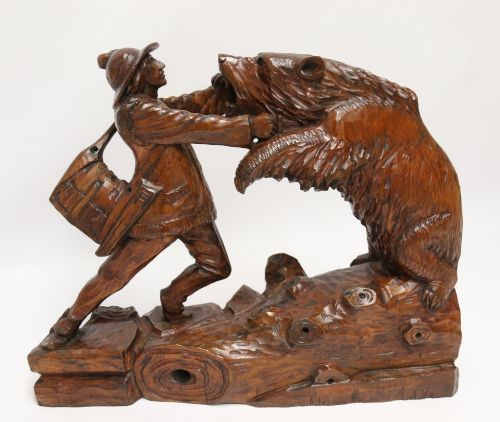
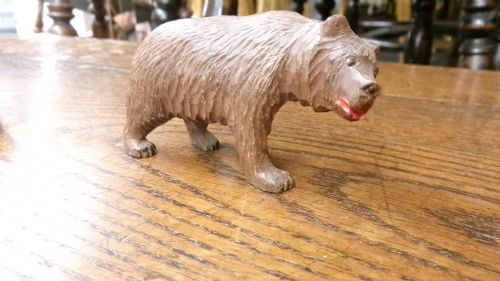
Makers produced both single figures and elaborate figure groups, sometimes creating sets of miniature bears or pairs. These sculptures utilise native timbers and display the distinct regional carving techniques of the period.
How they were made
Carvers shaped these sculptures primarily from linden wood, walnut, and general carved wood, selecting timbers that responded well to detailed hand tools. Linden wood provided a fine grain suitable for intricate facial expressions and textured fur.
Artists finished the surfaces with paint and occasionally added metal or brass elements, alongside stud eyes to give the bears a lifelike appearance. Larger furniture pieces like stick stands integrated structural wooden frames with carved decorative elements.
Swiss Wooden Bear Sculpture Retail Price Guide 2026
Typical asking prices for swiss wooden bear sculpture among the pieces listed under this phrase on Sellingantiques today, from the lower quarter to the upper quarter. They describe what is for sale here now, not the wider market.
Materials recorded across the inventory include linden wood, walnut, carved wood, paint, metal, and brass.
What varies in quality
The depth and precision of the carving separate standard examples from finer works, particularly in the rendering of fur texture and anatomical proportion. Superior pieces show careful attention to the naturalistic posture and expression of the bear.
Scale and function also influence the character of the object, with complex multi-bear figure groups and large hall stands representing substantial carving output. The integrity of the wood and the preservation of original surface finishes complete the assessment of quality.
The Swiss Wooden Bear Sculpture Glossary
- Black Forest
- A style of wood carving originating from the mountainous regions of central Europe during the nineteenth century. It is best known for realistic animal sculptures and rustic furniture.
- Linden wood
- A pale, fine-grained timber frequently utilised by carvers for its cooperative texture and lack of prominent grain. This wood allowed artisans to achieve deep relief and smooth surfaces.
- Humidor
- A specialised box designed for storing cigars or tobacco while maintaining humidity. In these carvings, the container is cleverly concealed within the body of a bear.
- Figure group
- A sculptural composition featuring more than one subject interacting within a single piece. These arrangements often show bears climbing, playing, or standing together.
- Stick stand
- A piece of hallway furniture designed to hold walking sticks and umbrellas. Examples in this category incorporate carved bears holding or forming the structural receptacles.
Swiss Wooden Bear Sculpture: Frequently Asked Questions
How do I date a carved bear sculpture?
Dating relies on stylistic markers and the specific object type, with pieces spanning the Victorian period, the nineteenth century, and the Edwardian era. Hall stands and humidor boxes often reflect the prevailing interior trends of their specific decade.
Examining the tool marks and the type of wood used helps place the sculpture within its historical production period.
What functional items were carved as bears?
Carvers applied the bear motif to practical household objects, creating umbrella stands, double stick stands, and hall stands for entryways. Smaller functional pieces included inkstands for the desk and tobacco boxes or humidors for the study.
These items combined everyday utility with expressive folk art carving.
Are these bears part of the Black Forest tradition?
Many of these sculptures belong to the Black Forest style and Swiss folk art traditions, which flourished during the nineteenth and early twentieth centuries. This regional style is defined by realistic animal studies and rustic wooden objects.
Carvers in these areas specialised in capturing the lifelike postures of bears in various scales.