


Swiss Carved Wood Table
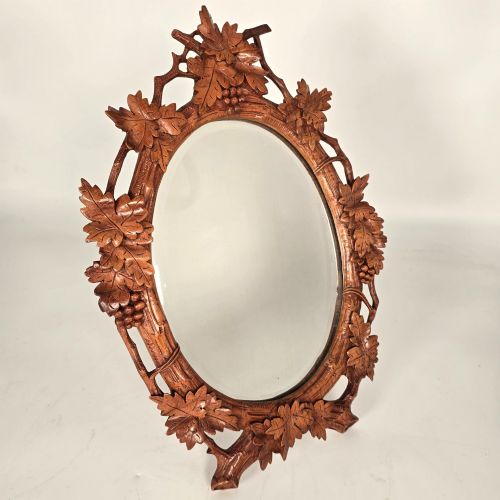
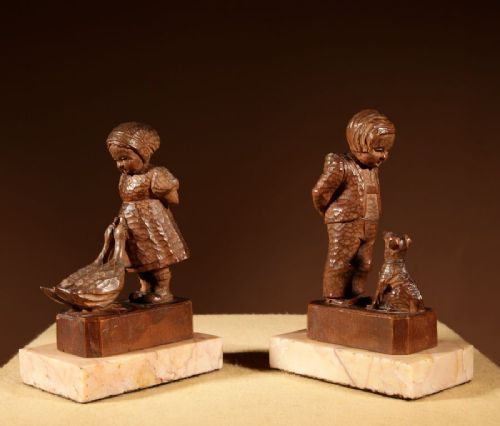
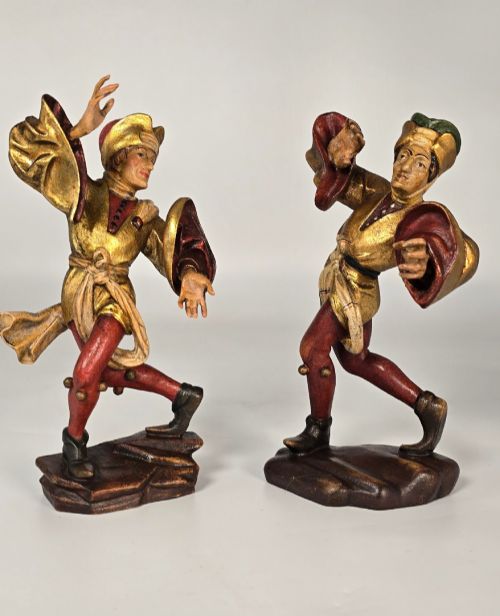
These pieces of swiss carved wood table showcase the intricate woodworking traditions associated with the Black Forest and Swiss regions during the nineteenth and early twentieth centuries.
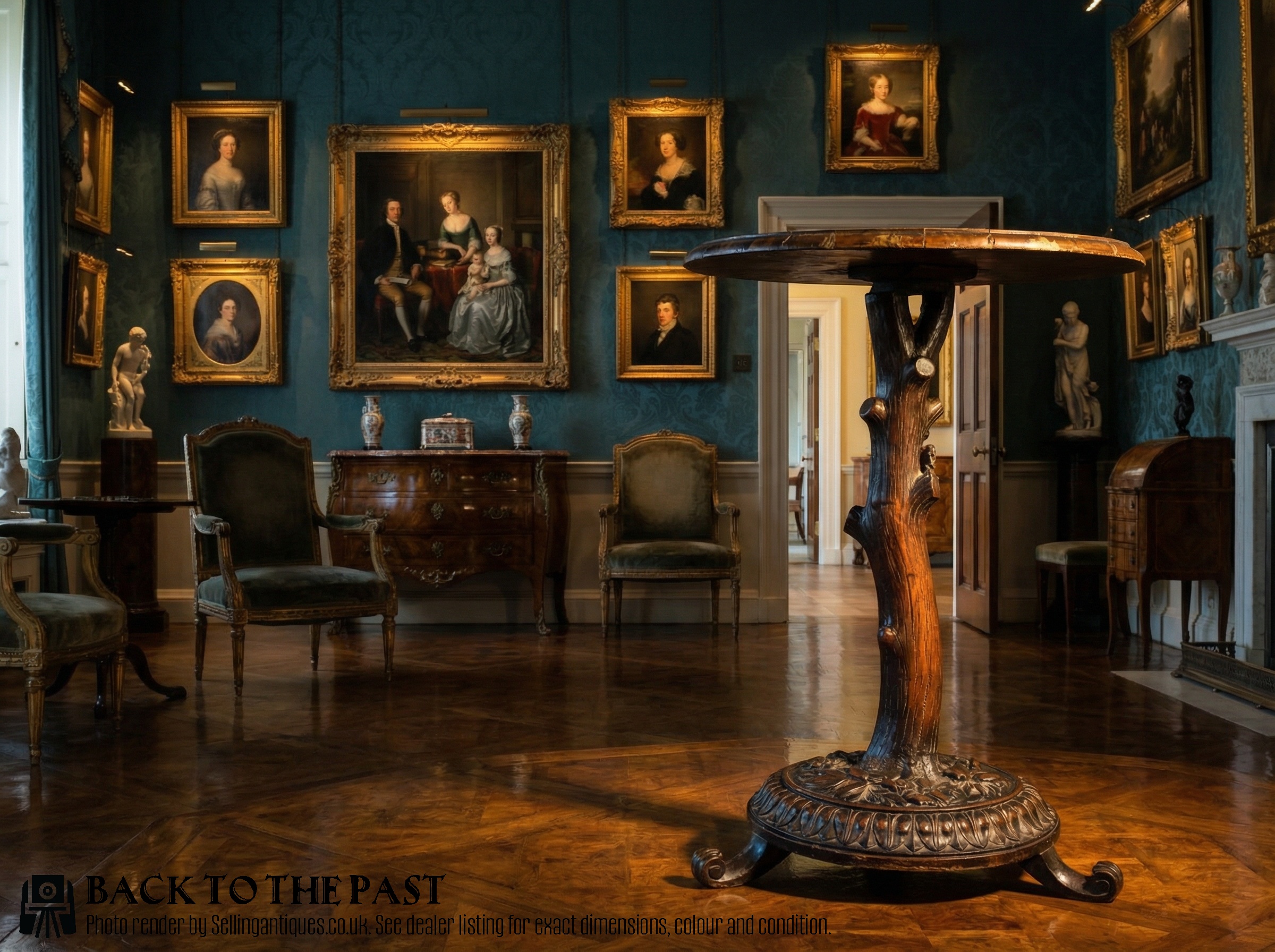
Swiss Carved Wood Table
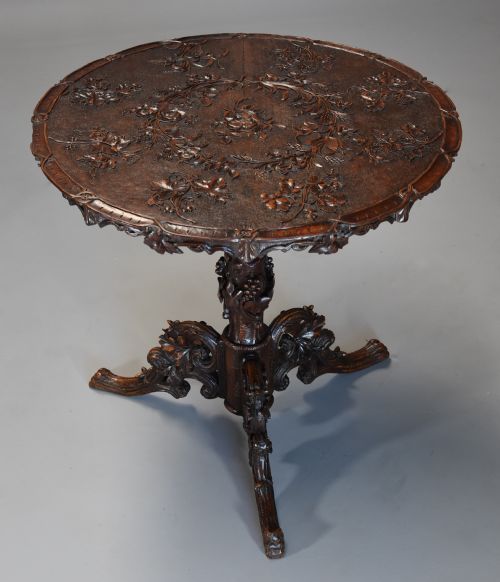
A swiss carved wood table brings distinct regional craftsmanship into an interior, often taking the form of occasional tables, centre tables, or musical tables with deeply carved animal or botanical motifs. These works draw upon nineteenth and early twentieth-century traditions, particularly the Black Forest and Swiss styles that favour naturalistic representations.
The objects encountered on this page range from circular top linden wood tables with naturalistically carved bases to pieces featuring marquetry inlay on walnut. They combine functional surfaces with elaborate sculptural relief work, making them both practical furnishings and decorative focal points.
Assessing Quality
Quality rests primarily in the depth, undercut clarity, and anatomical precision of the carving rather than the mere presence of decoration. Superior examples display spirited expression in animal or human figures and seamless integration between the table top and its carved support.
The choice of timber and the crispness of the surface finish also differentiate standard production from masterwork pieces. Subtle details in the foliage or grain selection elevate certain tables above simpler regional work.
The listings on this page span the Victorian era, the 1880s, 1890s, and early twentieth century, utilising materials such as linden wood, walnut, and brass.
Bergen And Co
The Swiss Carved Wood Table Glossary
- Linden wood
- A pale, fine-grained timber frequently utilised by Swiss and Black Forest carvers for its cooperative texture. It permits exceptionally crisp detail in high-relief sculpture.
- Marquetry
- The art of applying small pieces of veneer to a structure to form decorative patterns. Walnut tables often incorporate this technique alongside carved elements.
- Black Forest style
- A regional design tradition known for naturalistic wood carvings of animals, foliage, and figures. It originated in areas spanning Switzerland and Germany.
- Centre table
- A freestanding piece designed to be viewed from all sides rather than pushed against a wall. These often feature elaborate carved pedestals or circular tops.
Swiss Carved Wood Table: Frequently Asked Questions
How do I identify a genuine swiss carved wood table?
Examine the carving for hand-chiselled details, undercut work, and naturalistic movement in the wood grain. Genuine pieces typically utilise linden or walnut with period-appropriate construction methods.
Check for the characteristic iconography of the Black Forest style, such as bears, foliage, or rustic architectural motifs integrated directly into the table base.
What woods were used for these tables?
Artisans relied heavily on linden wood, lime wood, and walnut. These timbers provided the ideal balance of workability and durability for deep relief carving.
Secondary woods might appear in structural frames or hidden supports, but the primary carved surfaces consistently showcase these pale and mid-tone hardwoods.
How should I care for my carved wooden table?
Maintain a stable indoor humidity to prevent the dry wood from splitting or warping over time. Dust the intricate carved crevices gently with a soft brush rather than a cloth.
Avoid placing the table in direct sunlight or near heat sources that could dry out the historic timber and damage the original surface patina.
Where were these tables originally made?
These pieces originated in workshops throughout the Swiss and German border regions associated with the Black Forest woodworking tradition. Makers produced them primarily during the nineteenth and early twentieth centuries.
Many workshops catered to the burgeoning tourism market of the Victorian era, creating both utilitarian furniture and ornate decorative sculptures.