




Black Forest Table
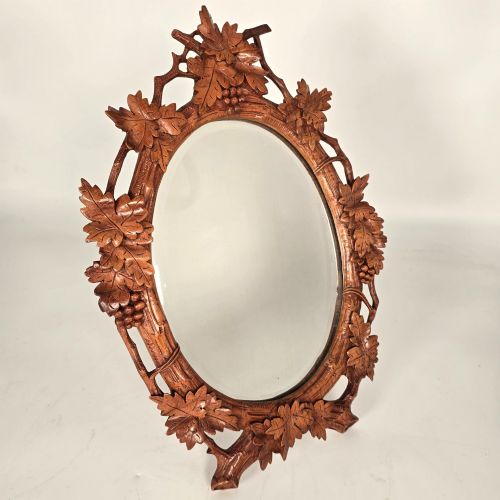
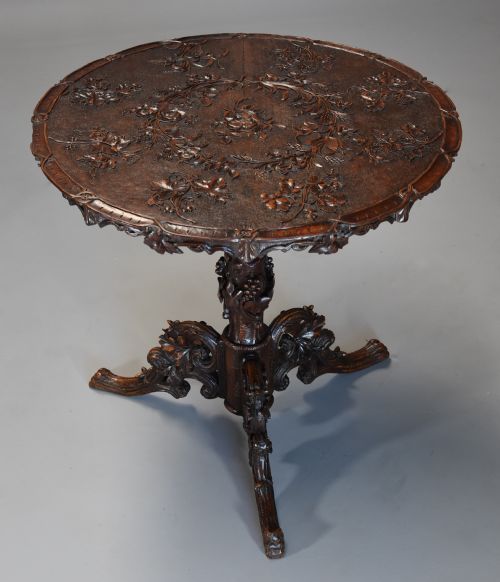
These pieces combine deep-relief carving and naturalistic forms into the distinct black forest table style that collectors prize for its Swiss and German origins.
Black Forest Table
A black forest table typically manifests as an occasional, side, or centre table carved from solid woods like linden and walnut. These works originate predominantly from nineteenth-century Swiss and German workshops operating in the Alpine style. The form ranges from simple circular tops supported by carved animals to elaborate marquetry-inlaid surfaces.
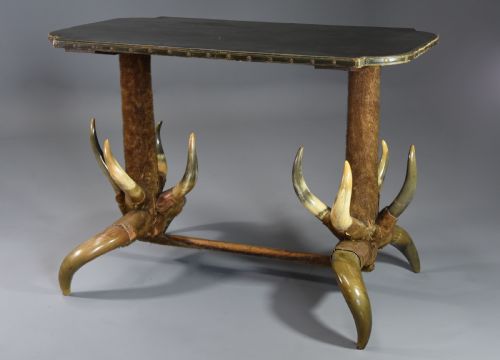
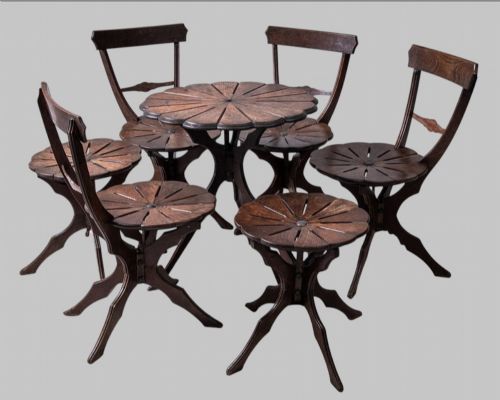
Buyers encounter numerous variations, including tilt-top designs, lamp tables, and smoker tables integrated with figural supports like bears or hounds. Many examples integrate marquetry or ebonised details alongside the carved structural elements. The category also stretches to include larger parlour suites and centrepiece tables.
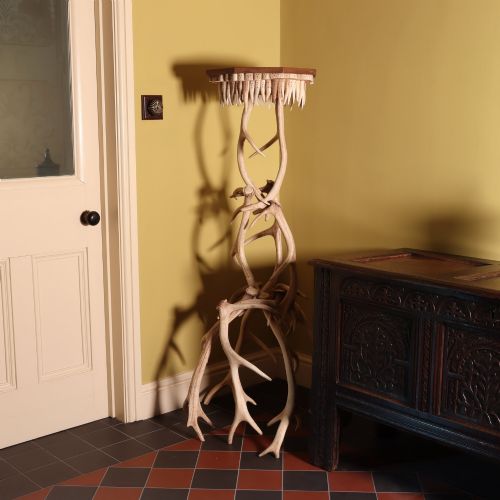
The aesthetic bridges domestic furniture and sculptural folk art, reflecting Victorian tastes for rustic motifs. Pieces often incorporate animal figures, foliage, or architectural fragments into the structural support of the table. Survival in original condition with functional surfaces remains a key characteristic of these survivors.
Materials and construction
Makers relied primarily on indigenous European timbers, utilising soft linden wood for deep, undercut carving and harder walnut or oak for structural stability and table tops. Linden wood allowed artisans to achieve extreme detail in fur, foliage, and facial expressions without splitting easily. Walnut frequently provided the contrasting surface for intricate marquetry inlay work.
Construction techniques combined traditional cabinet-making joints with extensive hand-chizzling and gouging. Carvers built up three-dimensional animal supports, such as bears or hounds, separately before securing them beneath the table frame. Glass eyes were occasionally inserted into carved animal heads to enhance the naturalistic effect.
Surface finishes generally consisted of traditional wax or light varnish applied to protect the timber while preserving the grain and carved texture. Ebonised highlights were sometimes added to walnut components to create sharp visual contrast against the lighter carved elements. Metal fittings, such as brass bands or hinges, appeared on specialised occasional and smoker tables.
Listings feature items dated from 1850 through the 1930s, spanning the Victorian and Alpine folk art movements.
Factors of quality
The depth, definition, and anatomical accuracy of the hand-carving separate superior examples from standard production pieces. Master carvers achieved realistic muscle tension, fur texture, and lifelike expressions in figures like bears and hounds, whereas lesser pieces display stiff, shallow cuts. The integration of the carved base with the tabletop dictates the overall artistic success of the object.
Material selection and inlay complexity strongly influence the standing of an individual table. Superior items utilise richly figured walnut paired with precise floral or geometric marquetry, rather than plain secondary woods. The survival of original surfaces without excessive sanding or modern restoration preserves the integrity of the piece.
Bergen and Co·Beha·Lenzkirch
The Black Forest Table Glossary
- Marquetry
- The art of applying pieces of veneer to a structure to form decorative patterns. This technique frequently appears on table tops within this category.
- Linden wood
- A pale, fine-grained timber favored by carvers for its uniform texture and lack of prominent grain. It allowed artisans to execute intricate undercutting.
- Garniture
- A set of matching ornamental objects for display, sometimes found accompanying larger table setups in this aesthetic.
Black Forest Table: Frequently Asked Questions
What woods were used?
Makers predominantly worked in linden wood and walnut, occasionally utilising oak or beech for structural support. Linden wood was specifically chosen for its softness during intricate carving work.
Walnut provided stable surfaces for tabletops and allowed for contrasting marquetry inlay patterns.
How do I spot reproductions?
Examine the depth of the carving and the tools used to create the surface texture. Genuine period pieces display crisp, hand-chiselled tool marks rather than smooth, cast resin details.
Check the timber age and construction joints underneath the table to confirm nineteenth-century manufacturing methods.
Where were they made?
Production centred primarily in the mountainous regions of Switzerland and Germany during the nineteenth century. These items emerged from specialised folk art workshops catering to the tourist and export markets.
Towns in the Black Forest region and the Swiss cantons became famous hubs for this specific carving tradition.
How do I clean the wood?
Apply a microcrystalline wax sparingly with a soft cloth to nourish the dry historical timber. Avoid modern liquid polishes that can strip the original finish and accumulate in carved crevices.
Dust the deep relief sections regularly using a soft-bristled brush to prevent particulate buildup.