
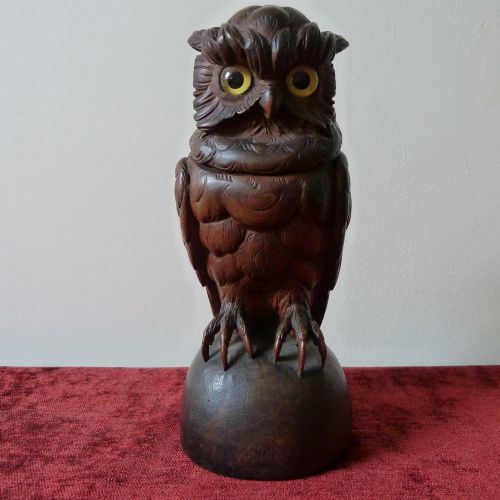


Swiss Black Forest Figure
A swiss black forest figure brings the drama of the Alpine wilderness indoors through animated animal and human carvings.
Swiss Black Forest Figure
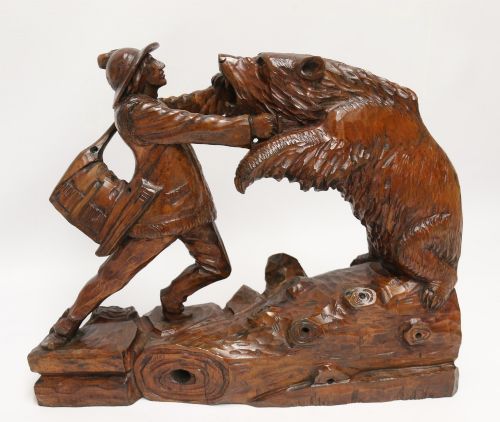
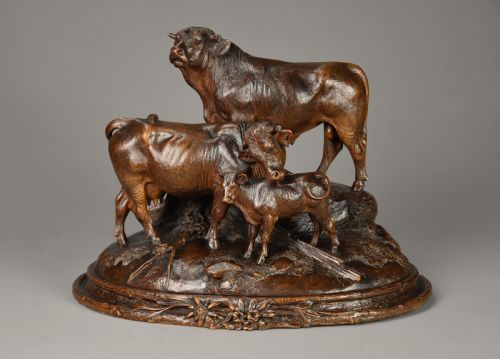
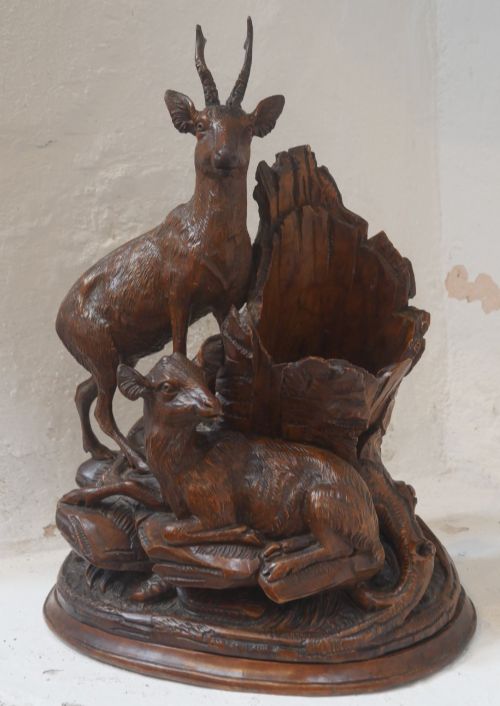
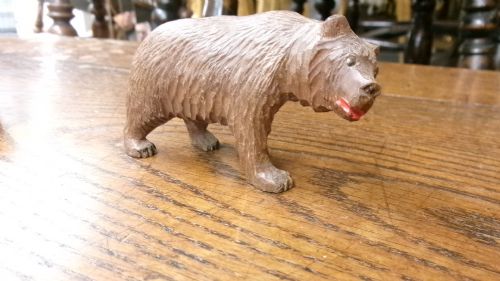
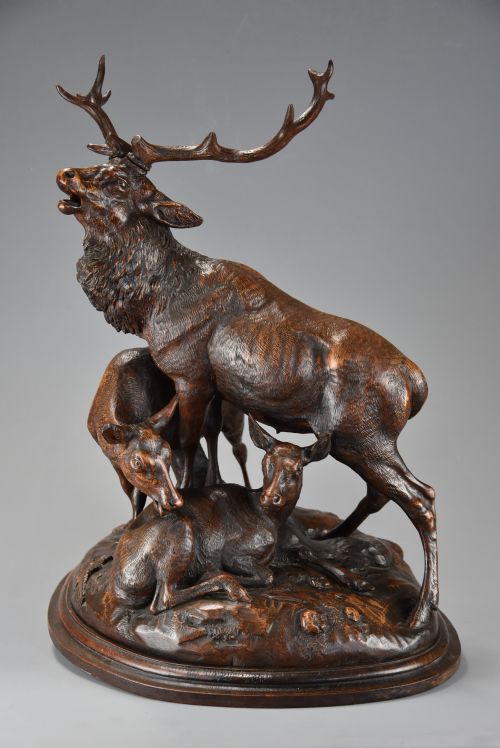
When searching for a swiss black forest figure, a buyer examines hand-carved wooden sculptures depicting regional wildlife, farm animals, or traditional figures. The most frequent versions encountered on this page portray bears, owls, deer, cattle, and goats captured in lively poses.
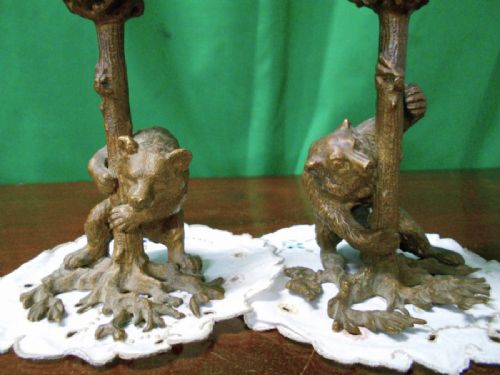
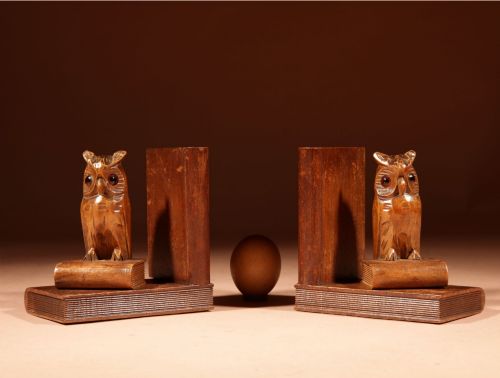
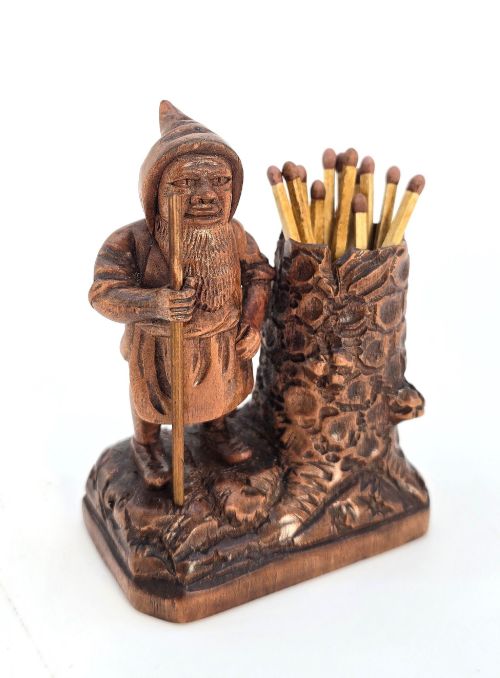
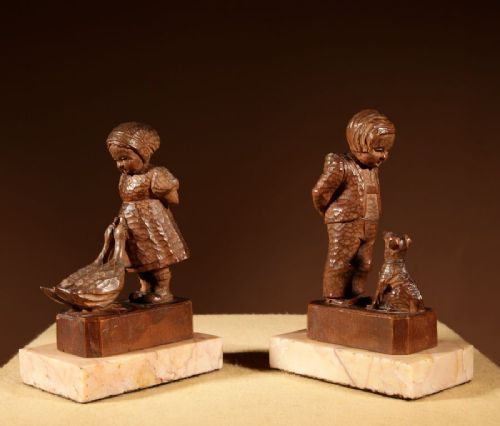
Beyond standalone sculptures, these carvings often serve a practical purpose as bookends, inkwells, match holders, nutcrackers, and candlesticks. The style spans the nineteenth and early twentieth centuries, drawing heavily on Alpine folk art traditions.
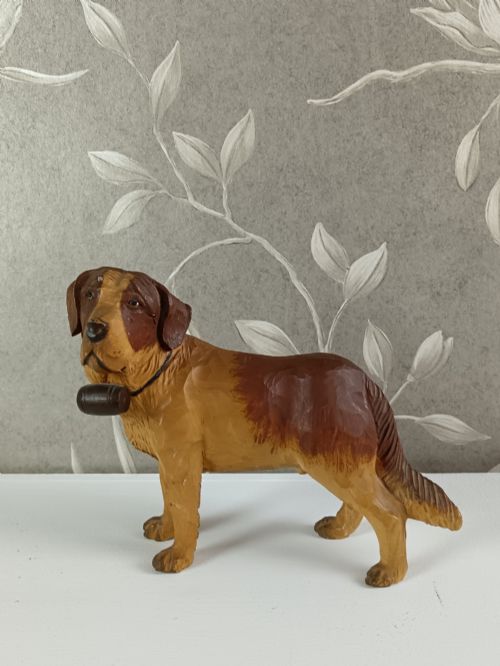
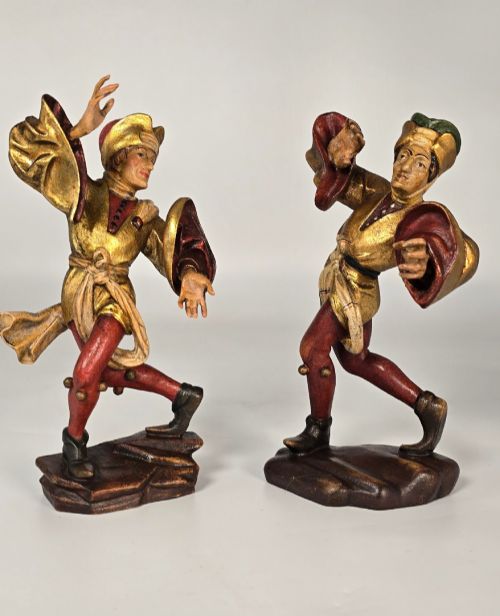
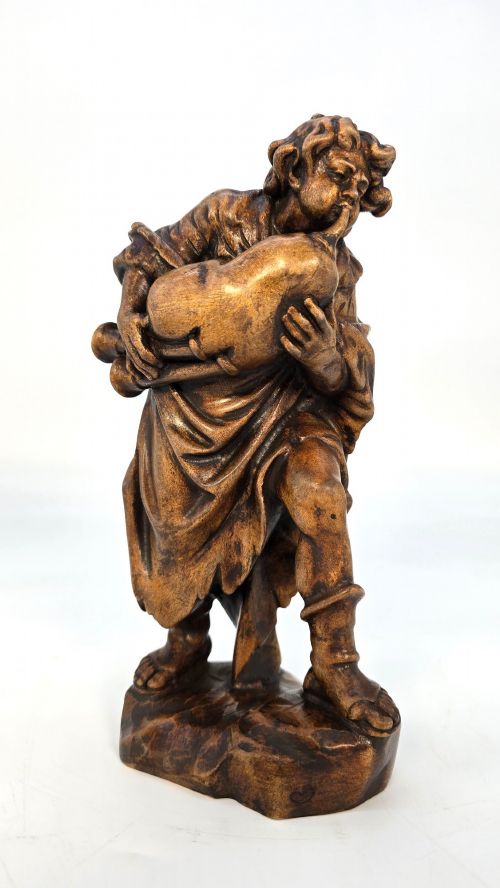
Originating primarily from Switzerland and the wider Black Forest region, these pieces range from single animal studies to complex figure groups. Subjects such as St. Bernard rescue dogs, ibex, and medieval musicians reflect local folklore and mountain life.
How they were made
Carvers shaped these pieces predominantly from soft, pale timbers including linden wood, limewood, and walnut, which allowed for intricate detail and deep undercut foliage. Some workshops integrated contrasting materials such as glass for eyes or bronze mounts to support functional items like candlesticks.
The finishing process relied on hand-chiselling and careful smoothing rather than heavy varnishing, often preserving the natural grain of the timber. Occasional pieces incorporated subtle paint highlights or glass inserts to add realism to the eyes of animals and human subjects.
Listings feature items dated across the nineteenth and early twentieth centuries, utilising linden wood, walnut, limewood, and bronze.
What varies in quality
Depth of relief and the complexity of the composition also separate the tiers. A group featuring multiple interacting animals or figures demands far greater sculptural skill than a simple standing block, particularly when handling delicate elements like antlers or foliage.
J HUGGLER
The Swiss Black Forest Figure Glossary
- Linden wood
- A pale, fine-grained timber favored by carvers for its uniform texture. This wood resisted splitting while allowing delicate undercutting.
- Limewood
- An alternative term for linden timber used interchangeably in workshop descriptions. It provides the same smooth surface suitable for intricate animal hair and facial expressions.
- Inkwell
- A desktop accessory featuring a glass or ceramic insert within a carved wooden housing. These often incorporated animal figures such as bears or dogs.
- Chamois
- A goat-antelope native to European mountain ranges frequently chosen as a subject. Carvers rendered these with distinct curved horns and slender limbs.
- Nutcracker
- A functional lever-action tool disguised as an animal or human figure. The mechanism engaged through the movement of the carved jaw or limbs.
Swiss Black Forest Figure: Frequently Asked Questions
What animals appear most often?
Bears dominate the output, appearing singly, in groups, or supporting functional items like inkstands and bookends. Other frequent subjects include owls, deer, cattle, ibex, and dogs.
Human figures also feature prominently, ranging from peasants and medieval musicians to historical characters like William Tell and the Pied Piper of Hamelin.
Were these purely decorative?
While many pieces functioned solely as sculptures or figurines, a significant portion served everyday domestic roles. Carvers integrated compartments and hardware to create inkwells, match strikers, candlesticks, and nutcrackers.
This blend of utility and ornate carving made the objects popular souvenirs for travellers visiting the Alpine regions during the Victorian era.
How do I date a carving?
Dating relies on stylistic clues, workshop signatures, and material choices spanning the nineteenth and early twentieth centuries. Pieces often carry stamps or dates carved directly into the timber or metal components.
Earlier nineteenth-century examples tend toward darker walnut and robust proportions, while later Edwardian items frequently employ pale limewood and more whimsical groupings.
How should I care for the wood?
Maintain the timber by keeping carvings away from direct heat sources and strong sunlight, which can dry out and split the linden or walnut. Dust gently with a dry, soft brush rather than using liquid polishes that might darken the unvarnished grain.
Stable indoor humidity levels ensure the intricate carved details and applied glass eyes remain secure over time.