






Swedish Style Chest
A Swedish style chest brings pale painted wood and crisp neoclassical lines into a room, offering generous storage with a calm, orderly presence.

Swedish Style Chest
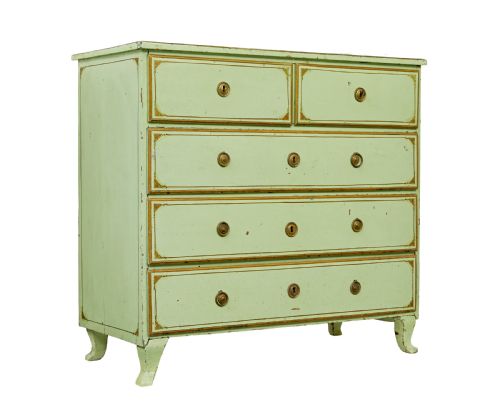
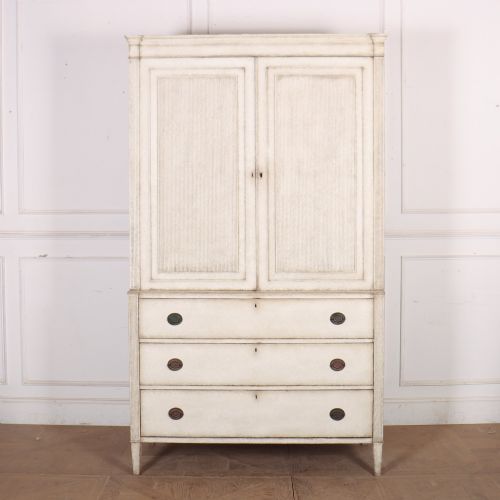
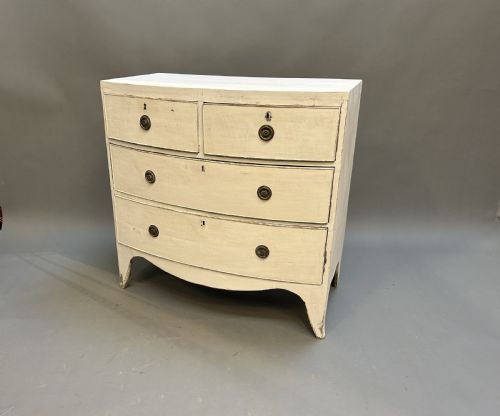
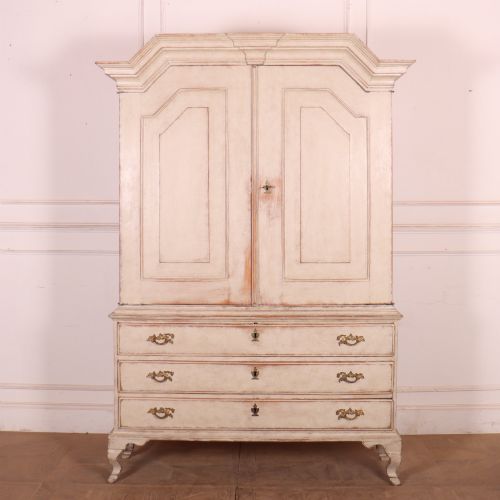
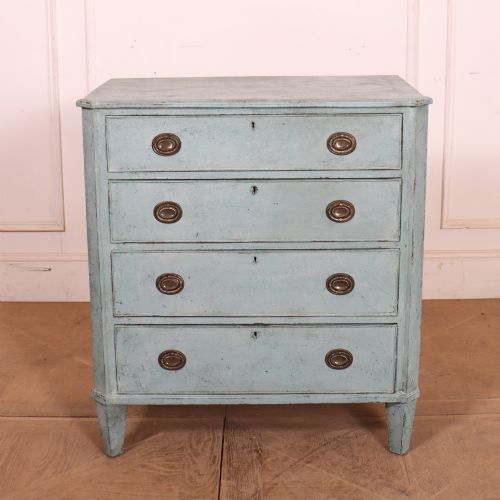
A Swedish style chest encompasses painted pine and birch drawer units, linen cupboards, and commodes originating from the eighteenth and nineteenth centuries. These pieces reflect Gustavian, Baroque revival, and Scandinavian country traditions, often carrying soft grey, white, or original painted finishes.
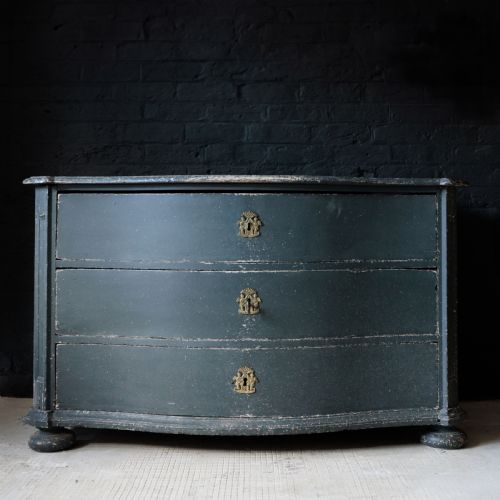
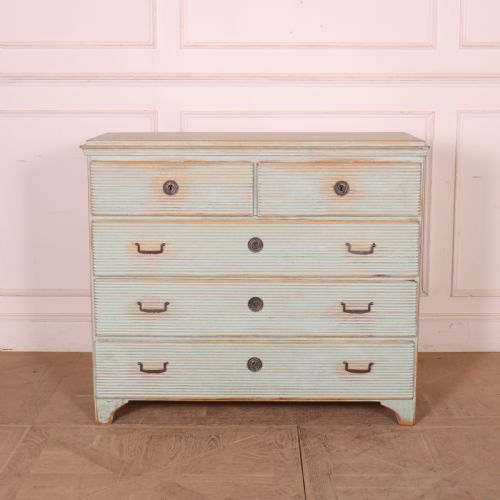
The most common examples met on this page are nineteenth-century painted pine chests of drawers and commodes featuring serpentine fronts or fluted drawer details. Buyers also encounter birch and oak pieces, alongside linen cupboards and blanket boxes that share the same pale, practical aesthetic.
Materials and construction methods
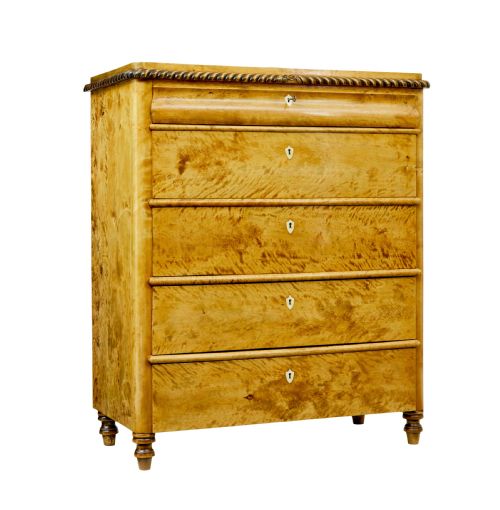
Makers relied primarily on local timbers such as pine, birch, and oak, frequently applying layered paint finishes over the wood. Tiger birch veneers and solid planks formed the structural carcasses, complemented by iron and brass hardware on drawers and doors.
Joinery techniques included hand-cut dovetails for drawer construction and carved mouldings that defined drawer fronts and borders. Surfaces received hand-mixed paint in muted tones, sometimes finished with faux marble tops or detailed decorative brushwork.
Swedish Style Chest Retail Price Guide 2026
Typical asking prices for swedish style chest among the pieces listed under this phrase on Sellingantiques today, from the lower quarter to the upper quarter. They describe what is for sale here now, not the wider market.
The listings span from 1750 to 1890, capturing Gustavian, Baroque revival, and Victorian country influences across pine, birch, and oak forms.
Judging quality and craftsmanship
Quality rests in the integrity of the original timber and the retention of early paint layers rather than later decorative overhauls. Crispness in the carving of drawer fronts, fluting, and serpentine curves separates finer provincial cabinet work from simpler utility pieces.
Proportion and balance dictate the presence of a superior piece, where brass or iron fittings integrate seamlessly with the carcase. The stability of the pine or birch structure and the clean operation of the drawers indicate how well the piece was initially built.
The Swedish Style Chest Glossary
- Commode
- A low chest of drawers, often with a serpentine or curved front, popular in eighteenth and nineteenth-century Scandinavian interiors.
- Gustavian
- The Swedish neoclassical style characterised by restraint, pale paint finishes, fluted columns, and simple geometric forms.
- Serpentine
- A shape of furniture front featuring a convex centre flanked by concave curves, creating a fluid and undulating visual line.
- Tiger birch
- A figured timber variety showing distinct dark striping resembling tiger markings, used extensively for decorative veneers on nineteenth-century drawer fronts.
Swedish Style Chest: Frequently Asked Questions
How do I clean a painted Swedish chest?
Dust the surface regularly with a soft, dry cloth to prevent dirt accumulation on the painted finish. Avoid harsh chemical cleaners that can damage historic paint layers.
For stubborn marks, use a slightly damp cloth with mild soap, drying the wood immediately afterwards. Preserving the integrity of the original paint requires gentle maintenance.
Where should I place a painted chest?
Position the piece away from direct sunlight and strong heat sources to prevent the pine or birch timber from warping and the paint from cracking. A stable indoor climate protects the wood joints.
These pieces function well in bedrooms for linen storage or in hallways where their pale finishes brighten smaller spaces. Ensure the floor is level so the drawers open smoothly.
How do I tell an 18th-century piece apart?
Eighteenth-century examples often display deep Baroque or early Gustavian proportions, hand-cut dovetails, and dense pine or oak construction. Look for original hand-mixed paint layers that show natural ageing and wear.
Later nineteenth-century versions frequently incorporate birch veneers, Empire revival motifs, or crisper machine-assisted elements alongside hand-carved details.
What is a caddy top?
A caddy top refers to a raised, moulded edge on the uppermost surface of a chest of drawers. This design detail provides a distinct profile to the top board.
It was commonly utilised on nineteenth-century birch and pine chests to frame the upper surface and add subtle architectural definition.