
Antique Continental Commode
An antique continental commode is a statement storage piece brought from Europe, offering deep drawers and striking wood grain for a traditional interior.

Antique Continental Commode
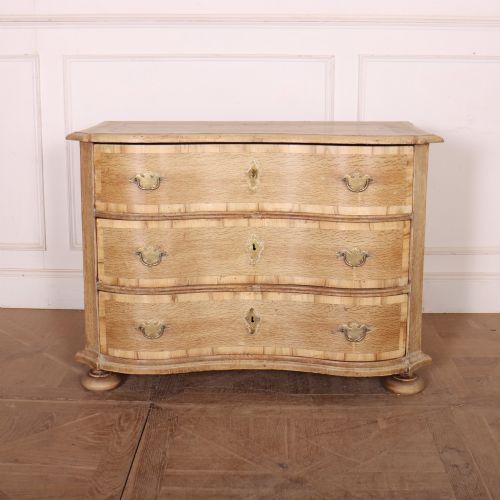
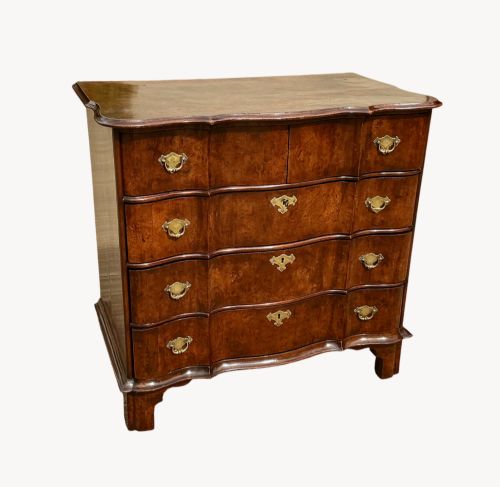
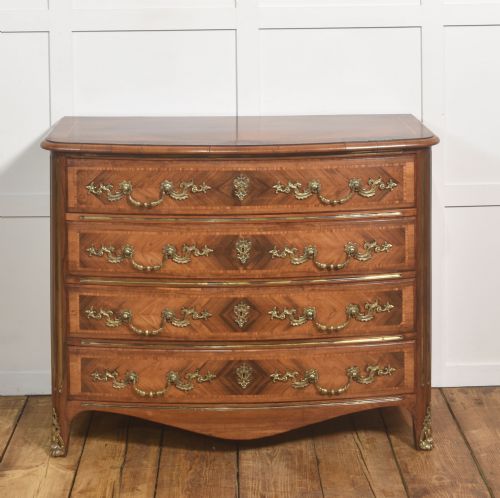
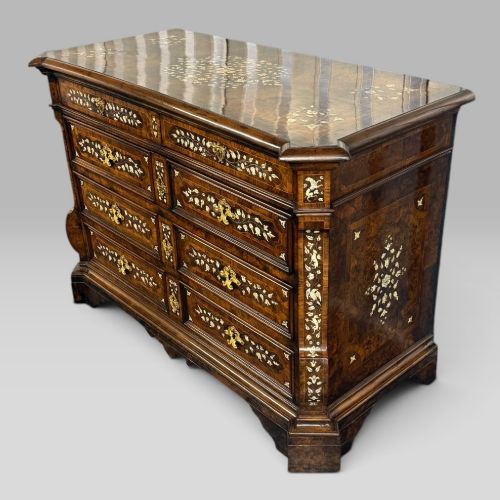
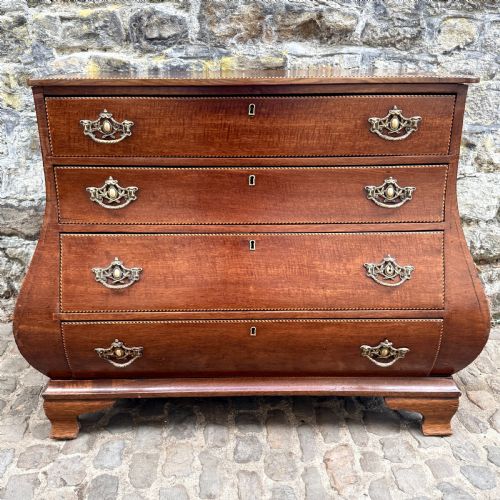
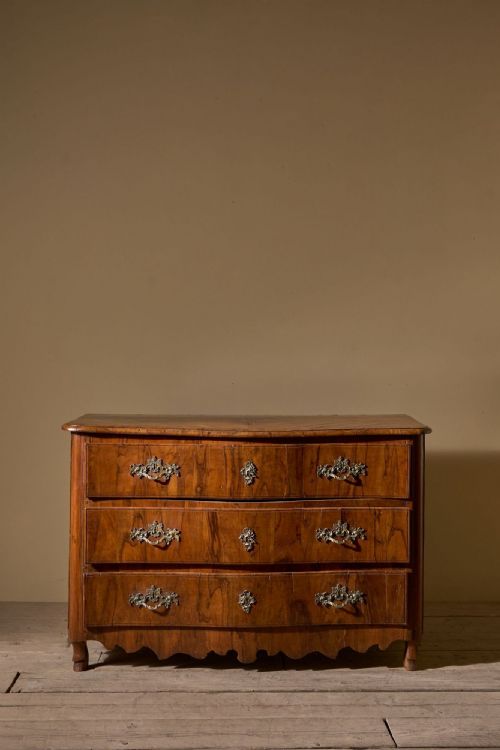
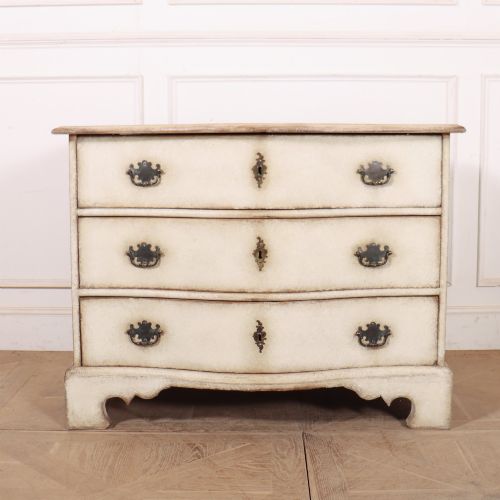
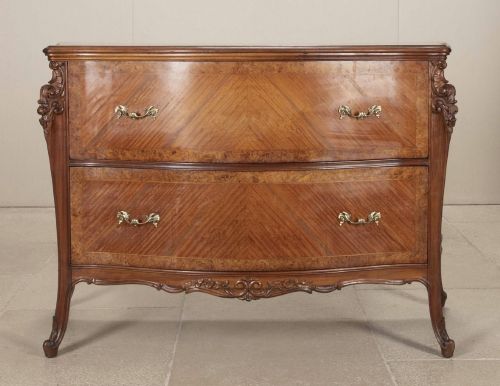
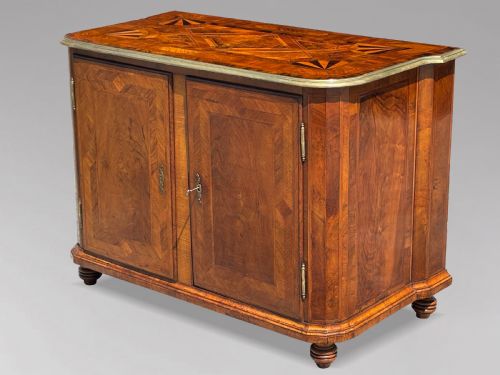
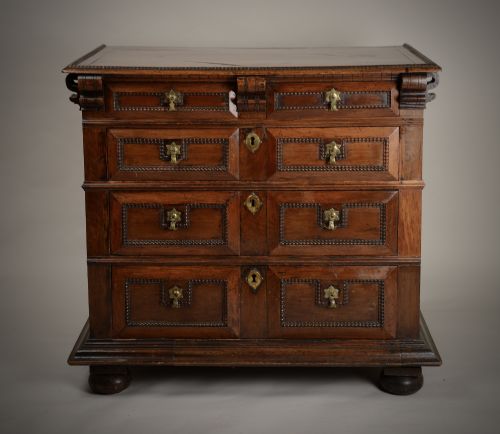
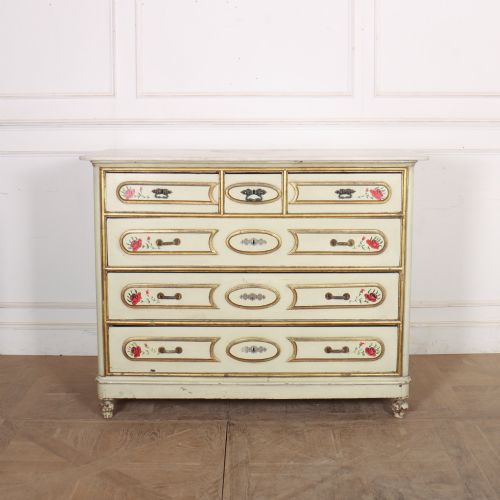
These pieces function primarily as low chests of drawers or side cabinets originating from various European regions outside Britain. The selection here spans multiple centuries, with walnut, oak, and pine emerging as the dominant timbers.
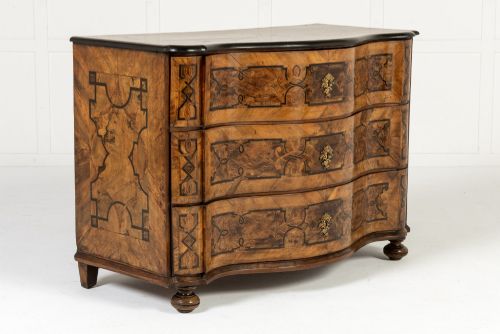
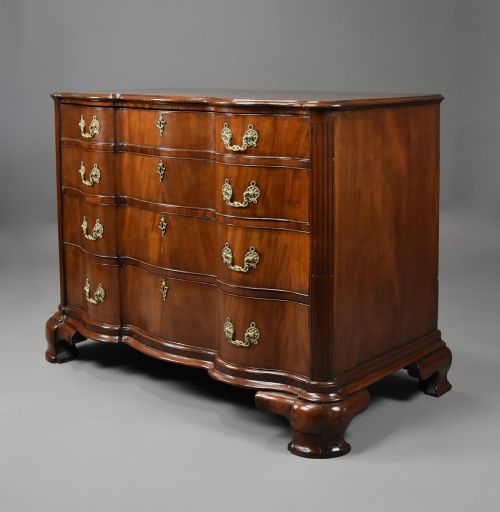
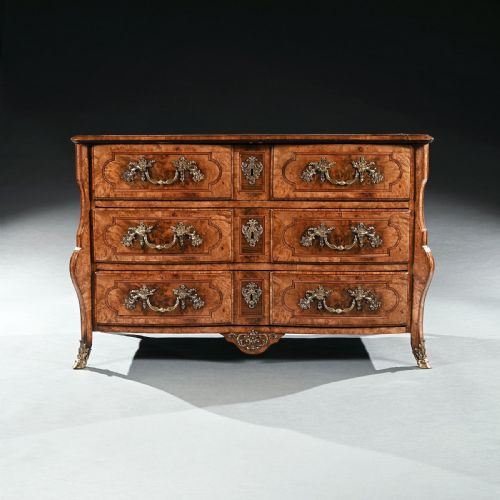
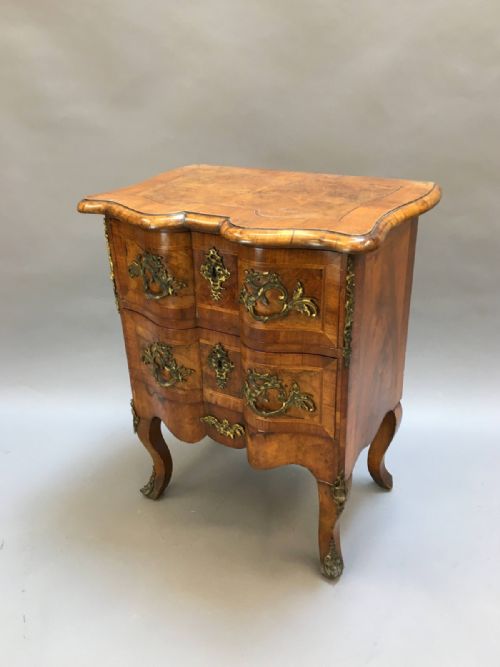
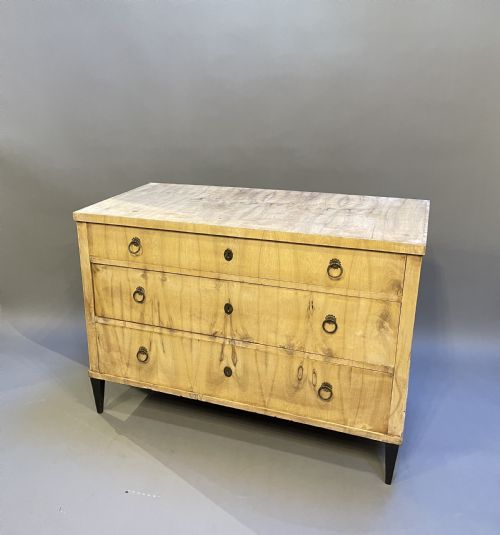
Buyers encounter distinct regional silhouettes ranging from Dutch bombe shapes and Italian serpentine fronts to Biedermeier profiles. Forms frequently overlap with regional chests of drawers and sideboards.
The periods represented stretch from seventeenth-century works through eighteenth-century craftsmanship and nineteenth-century interpretations. Many examples incorporate specific continental styles such as Baroque, Neoclassical, and French provincial designs.
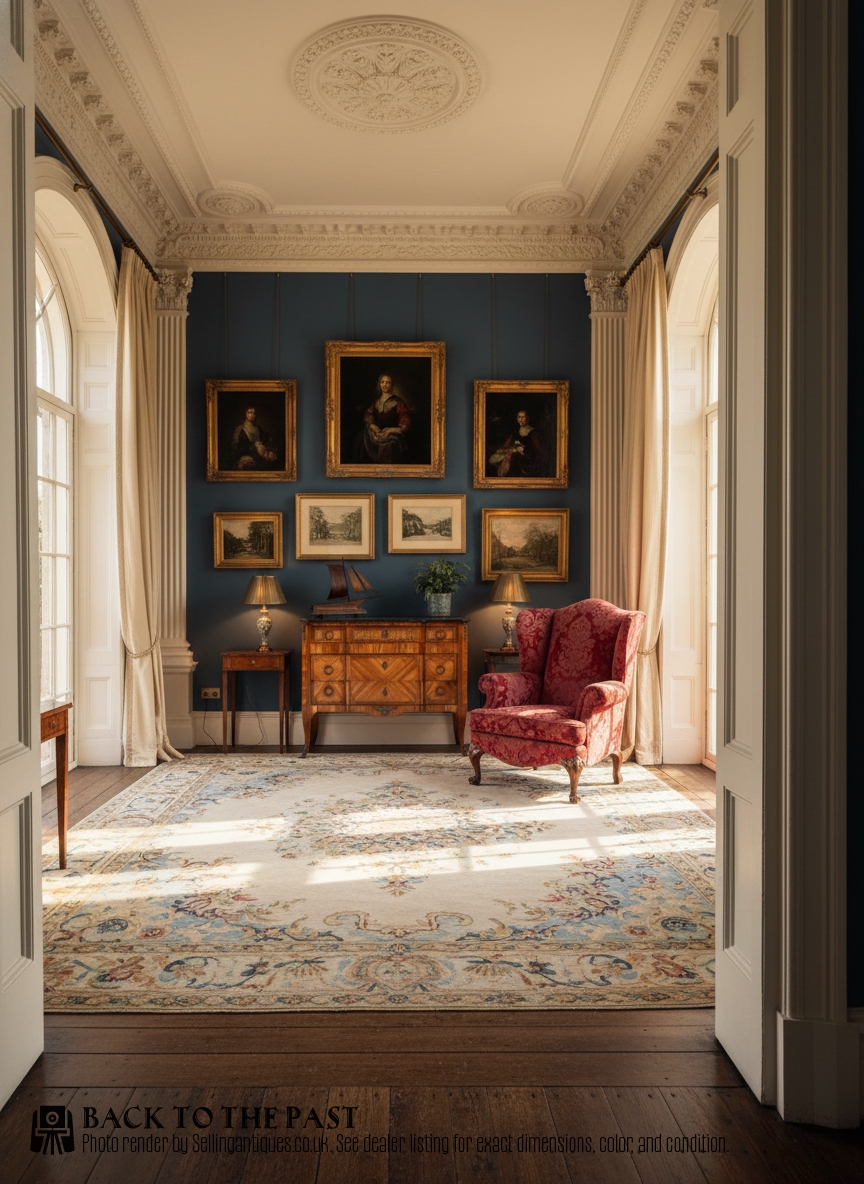
Materials and construction methods
Cabinetmakers utilised solid timbers alongside decorative veneers like burr walnut, burr maple, and satinwood applied to firmer secondary woods such as pine or oak. Marble tops also appear on select continental specimens.
Joinery techniques involve traditional drawer construction paired with shaped serpentine or oxbow fronts carved directly from dense hardwoods. Surface finishes rely on wax, historical paint layers, or polished French polish.
Antique Continental Commode Retail Price Guide 2026
Typical asking prices for continental commode among the pieces listed under this phrase on Sellingantiques today, from the lower quarter to the upper quarter. They describe what is for sale here now, not the wider market.
Several pieces feature drawers so deeply curved they demand a deliberate lean just to reach the back corners.
Assessing quality in European commodes
Superior examples display balanced proportions, symmetrical wood figure matching across the drawer fronts, and crispness in carved or inlaid details. The integrity of original brass hardware and surface patination heavily influence the overall standard.
Construction depth matters, distinguishing workshop-produced pieces with meticulous internal framing from simpler provincial utilitarian chests. The complexity of curved drawer fronts, such as bombe or serpentine shapes, tests the maker's skill.

Thomas Hache of Grenoble·Grand Ducal Workshops
The Antique Continental Commode Glossary
- Bombe
- A swollen or bulging convex shape characteristic of certain eighteenth-century Dutch and continental drawer fronts. This profile requires advanced carpentry to curve the timber outward.
- Serpentine
- A front design curving outward in the centre and inward at the sides, creating a wave-like contour. It defines many high-status eighteenth-century continental pieces.
- Biedermeier
- A Central European style from the nineteenth century focusing on clean lines and blonde wood grains. Decoration is minimal, allowing the natural timber to dominate.
- Marquetry
- The art of applying decorative veneer pieces to a structure to form geometric or pictorial designs. Cabinetmakers used contrasting timbers to achieve visual depth.
Antique Continental Commode: Frequently Asked Questions
Where should I place an antique continental commode?
These low chests work well in hallways, living rooms, or bedrooms as functional storage surfaces. Their decorative fronts make them suitable focal points against plain walls.
Ensure adequate clearance in narrow hallways, as continental proportions often project further into a room than standard British furniture.
How do I care for walnut veneer?
Keep wooden surfaces away from direct sunlight and strong heat sources to prevent the veneer from drying and lifting. Dust regularly with a soft cloth and apply quality wax sparingly.
Avoid using modern liquid polishes that contain silicone, as these damage historic finishes over time.
What is the difference between a commode and a chest of drawers?
In continental furniture terminology, a commode typically denotes a low, ornate chest of drawers standing on relatively short legs. The distinction often blurs in translation and regional cataloguing.
Many listings use the terms interchangeably for pieces originating from France, Germany, Italy, and the Netherlands.
How do I date an antique commode?
Examine the timber species, construction joints, drawer linings, and overall style cues such as Baroque curves or Neoclassical symmetry. Secondary woods hidden inside often reveal the geographic origin and era.
Hardware styles and fastening methods also provide reliable indicators of the period in which the piece was constructed.