

Sub Second Watch
A sub second watch places its seconds display on a separate subsidiary dial, offering a mechanical character shaped across decades of horology.
Sub Second Watch
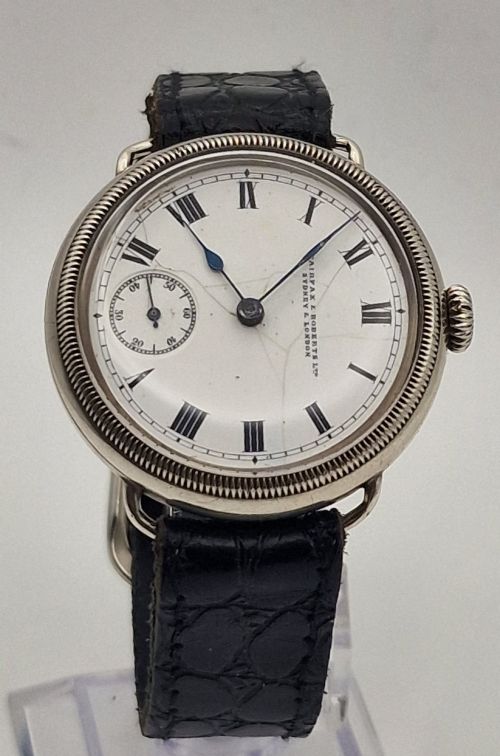
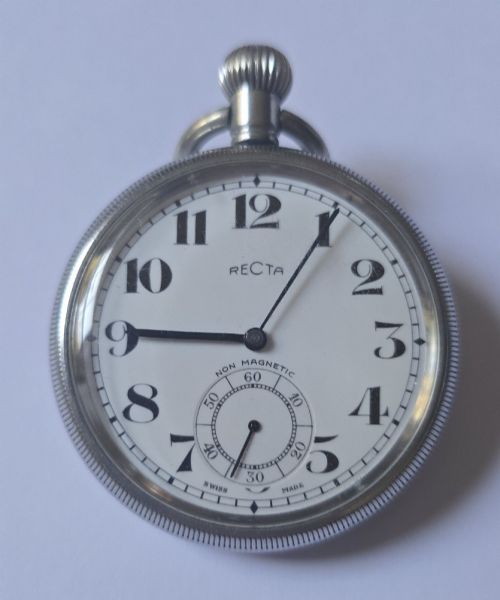
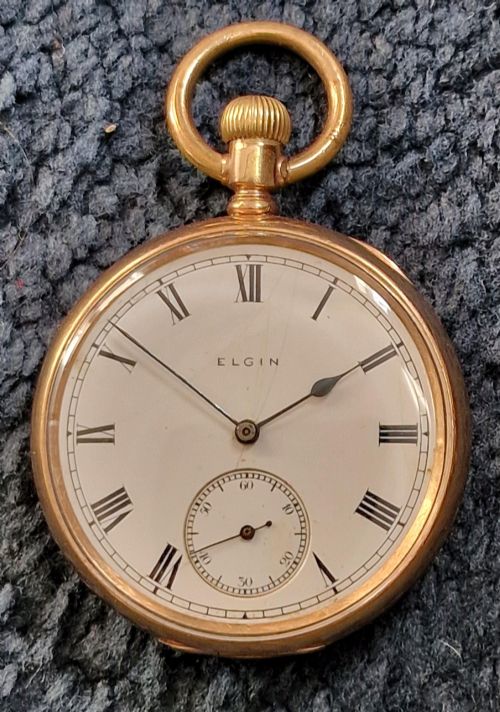
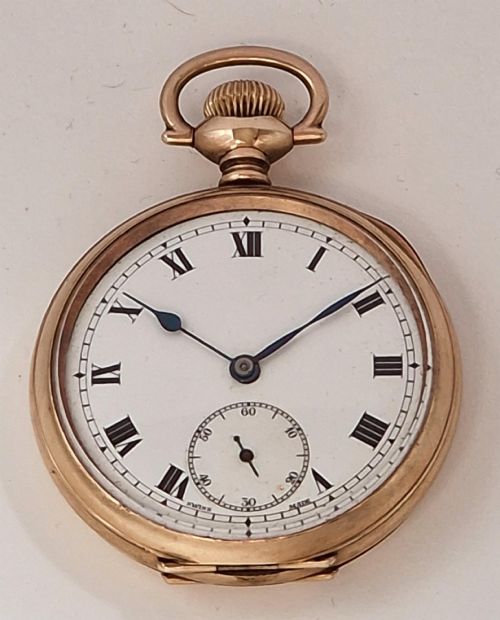
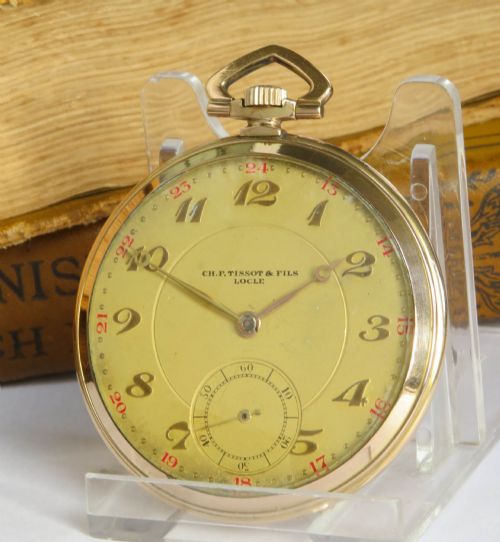
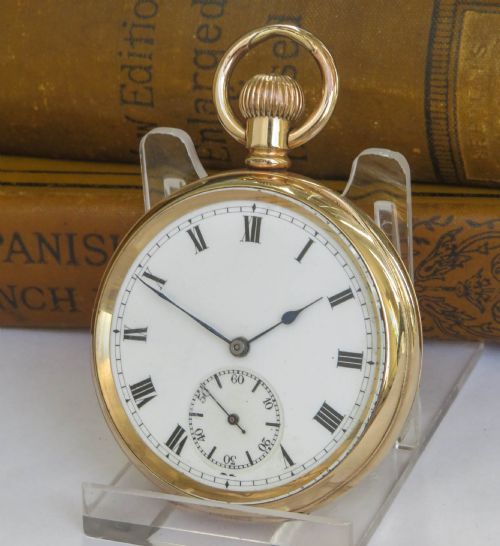
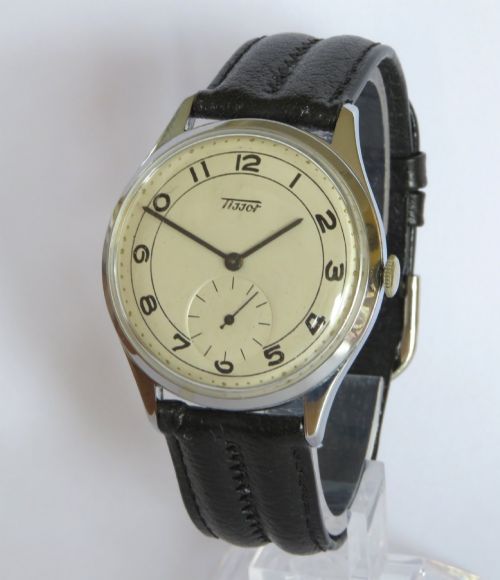
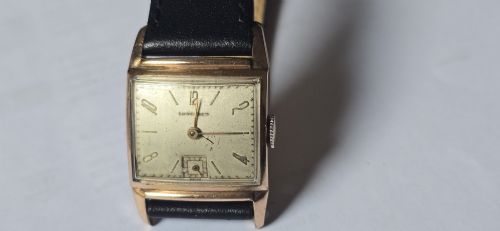
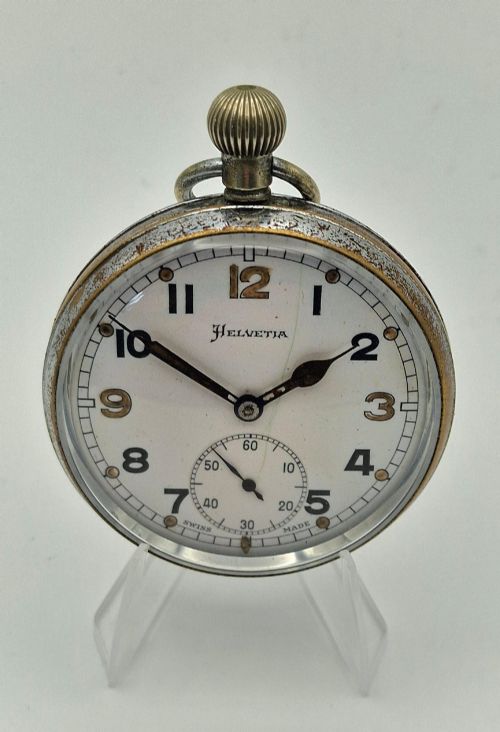
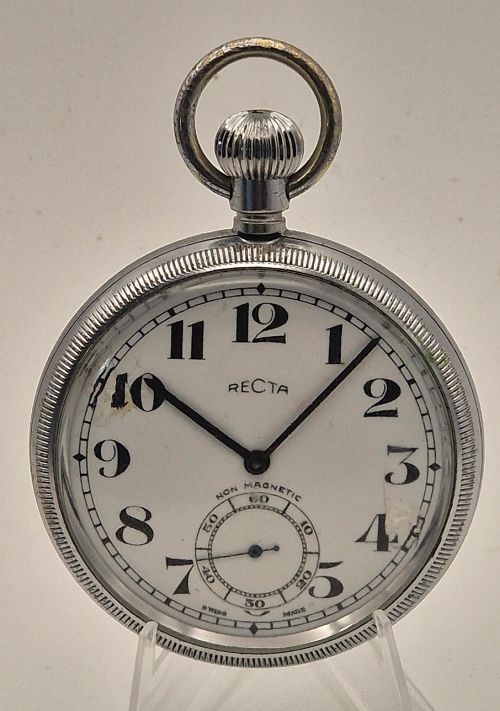
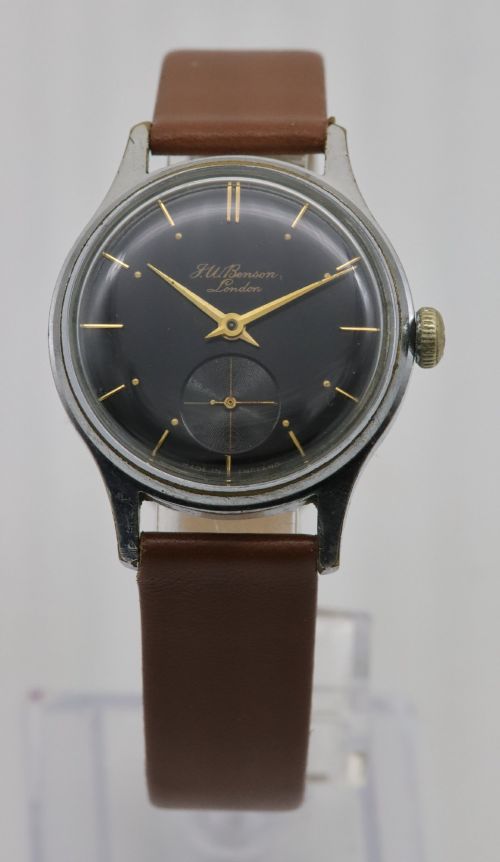
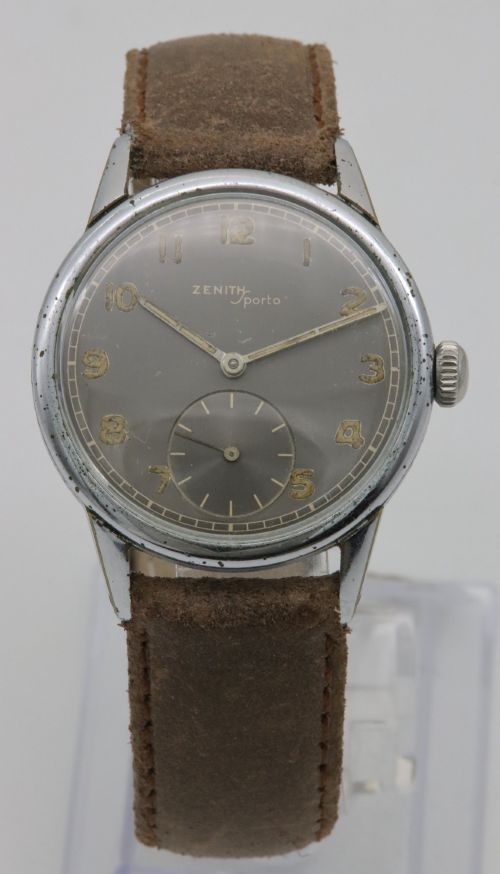
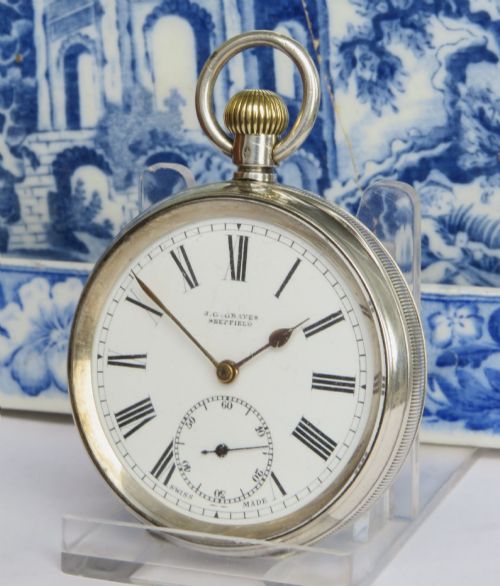
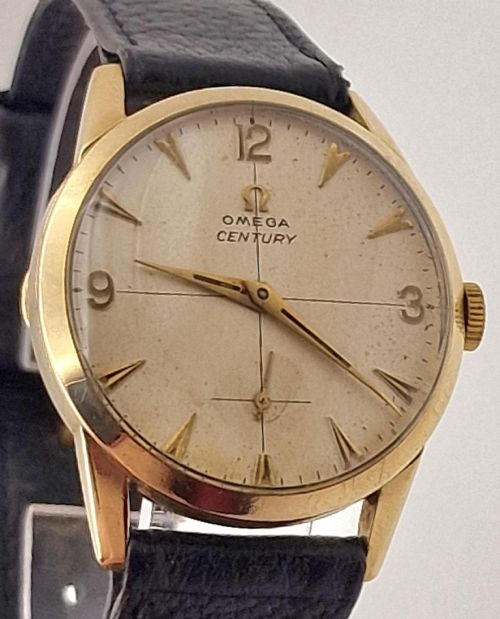
A sub second watch designates a timepiece featuring an independent subsidiary dial for seconds, typically positioned above the six o'clock marker. When searching this phrase, collectors encounter pocket watches and wristwatches spanning from the Victorian era through the mid-century period.
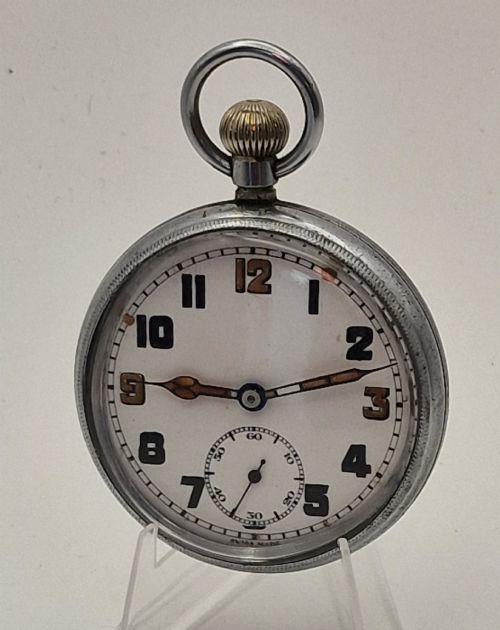
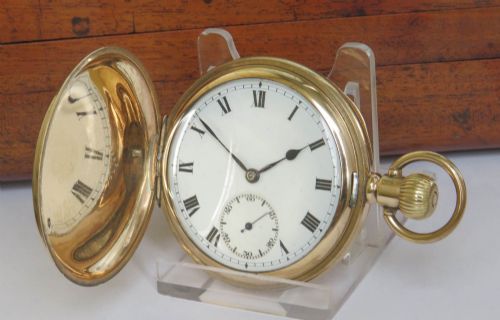
The selections available here lean heavily into pocket watches from the 1920s and 1930s, alongside wristwatches bearing mid-century designs. Formats range from open-face pocket pieces to hunter cases, military issues, and wrist-worn variants in stainless steel or precious metals.
How they were made
Cases utilise metals such as solid silver, gold plate, brass, and stainless steel, frequently paired with glass crystals protecting enamel or metal dials. Leather straps accompany wrist iterations, while chains often accompany pocket formats.
Movements rely on manual wind or automatic mechanical engineering, housing internal gearing that drives the separate seconds hand alongside the primary hour and minute hands.
Sub Second Watch Retail Price Guide 2026
Typical asking prices for sub second watch among the pieces listed under this phrase on Sellingantiques today, from the lower quarter to the upper quarter. They describe what is for sale here now, not the wider market.
Some railway and military personnel relied on these separate seconds dials to time critical operations down to the exact tick.
What varies in quality
Distinction across the range rests on the maker's reputation, the complexity and finish of the internal movement, and the preservation of the original dial and case. Pieces bearing recognised names command attention through superior mechanical execution and durability.
The integrity of the dial enamel, the crispness of case markings, and the inclusion of original boxes or associated chains further differentiate standard examples from exceptional specimens.
J W Benson·Helvetia·Omega·Record·Thomas Russell and Son·Cyma·Silvana·Waltham·Zenith·Tavannes·Smiths·Longines·Wagner·Tissot·Jaeger LeCoultre
The Sub Second Watch Glossary
- Subsidiary dial
- A smaller dial set within the main watch face, dedicated to tracking seconds independently from hours and minutes. This configuration defines the sub second watch layout.
- Hunter pocket watch
- A pocket case featuring a spring-loaded metal cover that protects the glass dial. Half hunter versions include a glass panel or aperture in the lid for reading the time without opening.
- Enamel dial
- A fused glass powder surface applied to a metal base, fired at high temperatures to create a smooth, glossy watch face. These dials require careful handling to prevent chipping.
- Manual wind
- A mechanical movement requiring the wearer to hand-wind the mainspring via the crown. Most vintage pieces of this type rely on manual operation rather than self-winding rotors.
- Calibre
- The specific internal movement design and designation created by a watch manufacturer. Collectors reference the calibre number to identify the exact mechanical lineage of a piece.
Sub Second Watch: Frequently Asked Questions
What is a sub second watch?
A sub second watch is a timepiece where the seconds are tracked on a separate small dial, usually placed at the bottom of the main watch face.
This traditional layout separates the hour and minute hands from the seconds hand, a common feature in vintage pocket watches and early wristwatches.
How do I wind these watches?
Most pieces from these periods require manual winding via the crown on a daily or regular basis to keep the mechanical movement running.
Avoid overwinding the crown once resistance is felt, as this can strain the internal mainspring of vintage calibres.
Were these used in the military?
Several military organisations issued sub second watches to personnel during wartime, requiring high legibility and precise timekeeping under demanding conditions.
Such pieces often feature specialised case markings, robust metal housings, and high-contrast dials designed for active service use.
How do I date my watch?
Dating relies on examining the serial numbers on the movement or case, hallmarks on silver and gold metals, and the specific styling of the dial and hands.
Comparing these details with historical records for makers helps narrow down the decade of production.