


Sterling Silver Vanity Pot
When you handle a sterling silver vanity pot, you hold a tangible piece of dressing table history designed for powders, pins and personal grooming.
Sterling Silver Vanity Pot
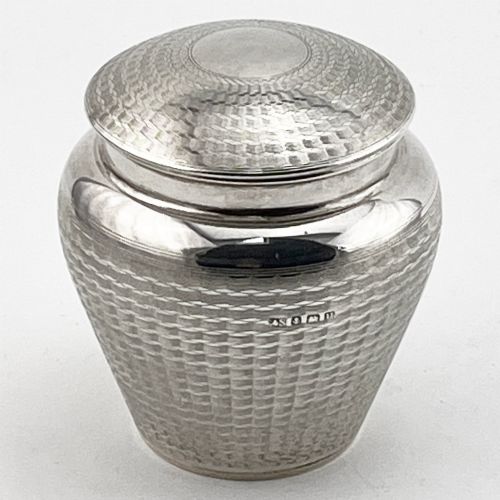
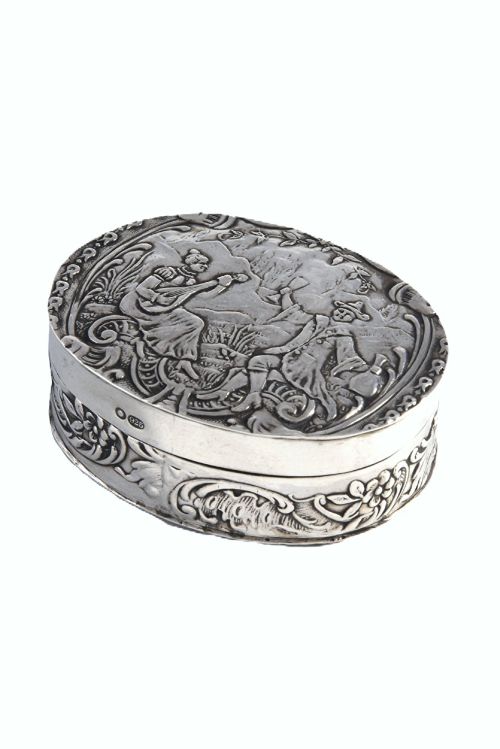
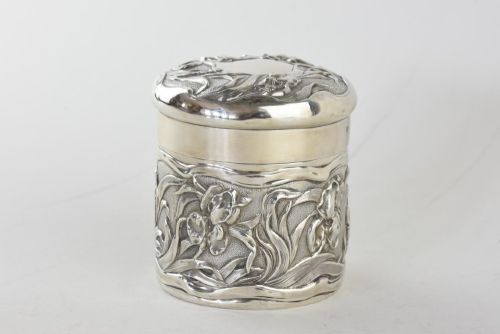
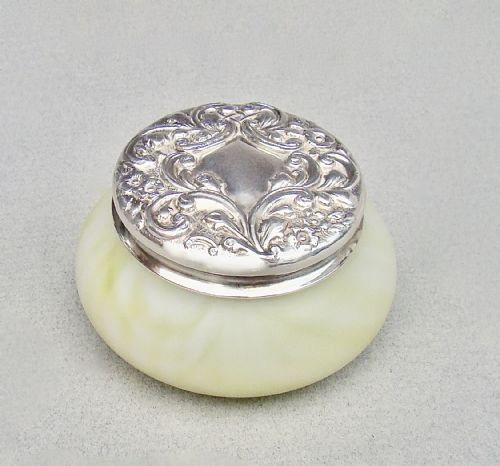
A sterling silver vanity pot encompasses a variety of small containers designed for the dressing table, including dressing table jars, trinket boxes, and rouge pots.
Most examples found here date from the Victorian, Edwardian, and Art Deco periods, reflecting the shifting tastes in personal organisation and cosmetic storage.
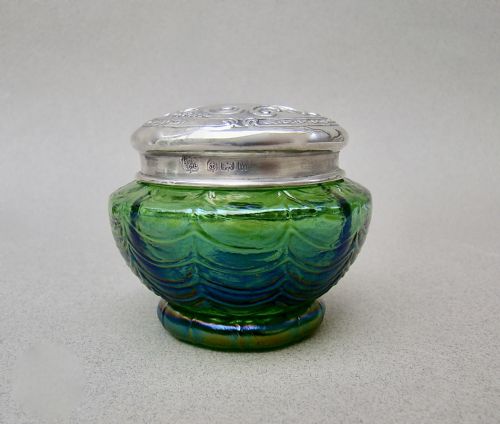
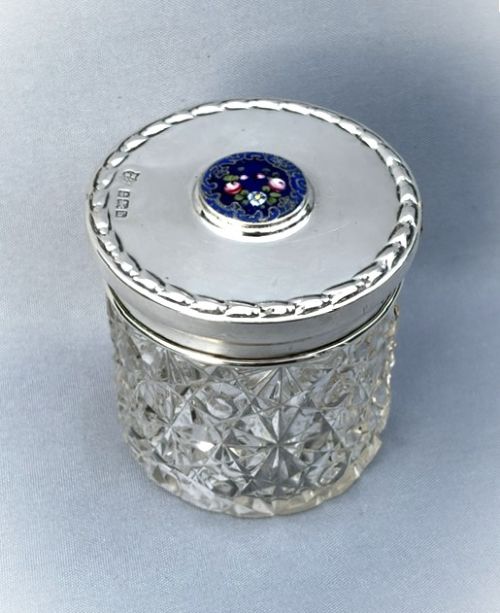
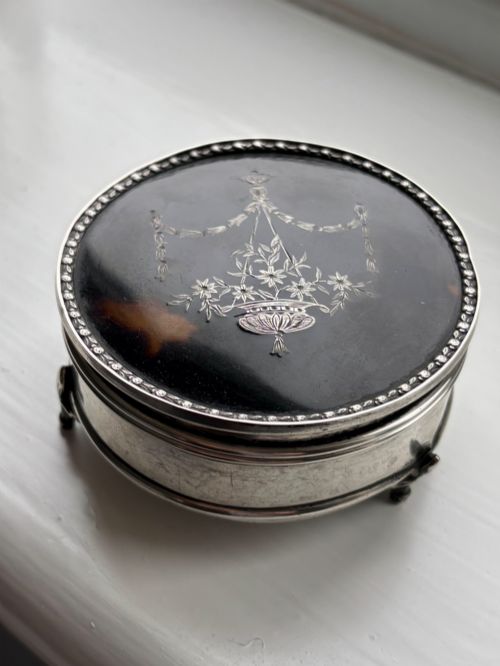
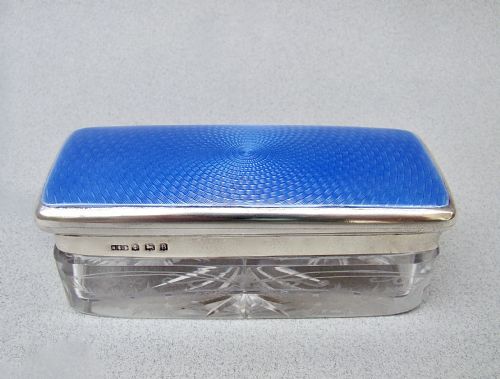
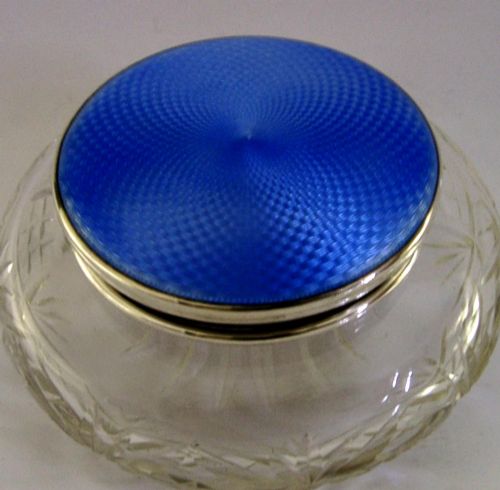
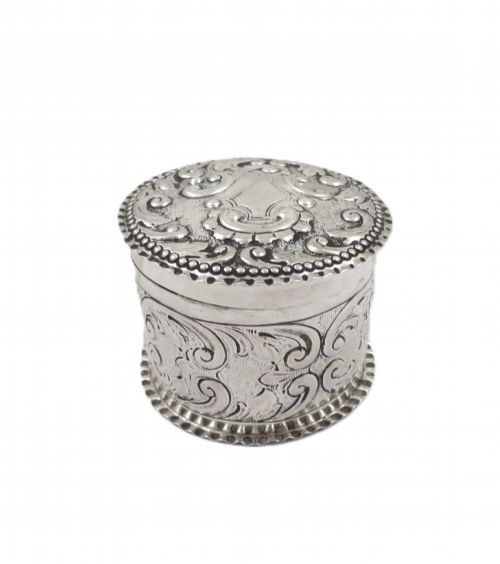
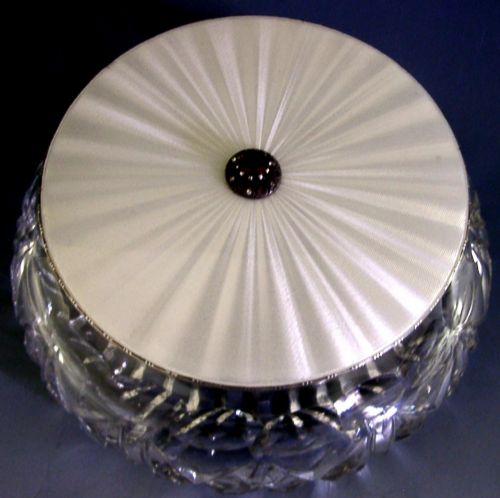
The assortment spans simple glass bodies with hallmarked silver lids to intricate boxes decorated with guilloche enamel, faux tortoiseshell, and repousse work.
How they were made
Silversmiths formed the lids and mounts from sterling silver, often using Birmingham or London assay offices, whilst glass bodies were frequently cut, etched, or moulded into shapes like satin glass, amethyst, and cranberry hues.
Decoration relied on skilled handcrafting techniques such as repousse embossing, surface chasing, and the application of translucent guilloche enamel over engine-turned metal bases.
Some Edwardian dressing table jars secretly doubled as glue pots, proving that even Victorian paperwork demanded a touch of glamour.
What varies in quality
Quality rests upon the crispness of the silversmith's repousse detailing and the weight and clarity of the cut crystal or glass body.
Enamelled pieces show distinction in the smoothness of the coloured glass layer and the precision of any underlying engine-turned engraving.
A. J. Pepper & Co·Ollivant & Botsford·Henry Clifford Davis·A. Bromet & Co·Goldsmiths and Silversmiths Company·Hasset & Harper·Thomas Johnson·Asprey & Co
The Sterling Silver Vanity Pot Glossary
- Guilloche enamel
- Decorative technique where translucent enamel is laid over metal engraved with a precise mechanical pattern. This creates shimmering geometric depth beneath the coloured surface.
- Repousse
- Metalworking method where the silver is hammered from the reverse side to form a raised design on the front. It produces tactile, dimensional floral or figurative scenes.
- Hallmark
- Official stamp applied to silver items indicating the metal standard, assay office, and year of manufacture. It provides the definitive date and provenance for the piece.
- Trinket box
- Small container utilised on dressing tables for holding rings, pins, and small accessories. They frequently feature hinged or lift-off sterling silver lids.
- Satin glass
- Type of glass treated with hydrofluoric acid or sandblasting to produce a dull, velvety surface finish. It gained popularity during the late Victorian and Edwardian eras.
Sterling Silver Vanity Pot: Frequently Asked Questions
What were sterling silver vanity pots used for?
These containers held daily grooming essentials such as face powders, hairpins, rouge, and small pieces of jewellery on Victorian and Edwardian dressing tables.
They kept delicate items organised and protected while adding a decorative touch to the bedroom or dressing room suite.
How can I tell an Edwardian vanity pot from a Victorian one?
Victorian examples frequently display heavy repousse decoration with floral scrolls or figural scenes, often paired with deep-cut crystal.
Edwardian and later Art Deco pieces lean towards sleeker geometric lines, smoother glass bodies, and colourful guilloche enamel lids.
Are the glass bases always removable from the silver mount?
Most glass jars and crystal bodies are independent vessels that sit securely within the silver collar or can be lifted out for cleaning.
Some smaller pill boxes and trinket jars are constructed entirely from solid silver without any glass inserts.
How do I care for antique silver and enamel pots?
Clean the sterling silver sections gently with a specialist microfibre cloth, avoiding direct contact between silver polish and any enamel or glass surfaces.
Store the pieces away from direct sunlight to preserve the vibrant pigments of the guilloche enamel and tortoiseshell inserts.