


Sterling Silver Shaker
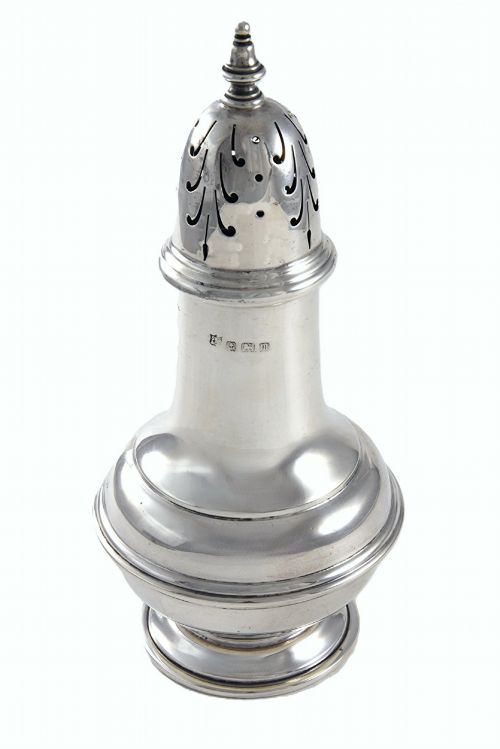
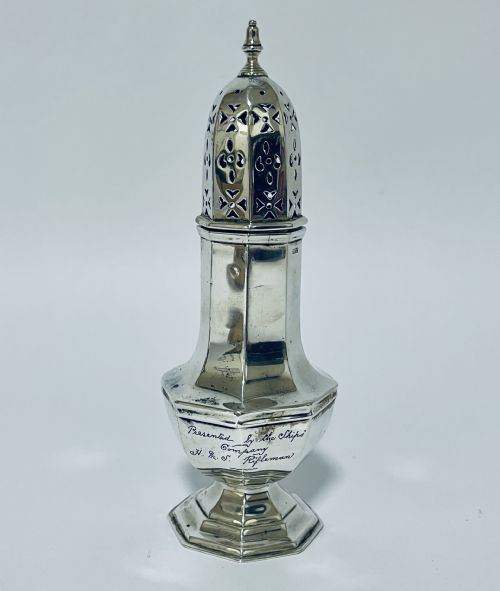
When you explore a sterling silver shaker, you encounter functional dining implements shaped across centuries into casters, cruets, and cocktail vessels.
Sterling Silver Shaker
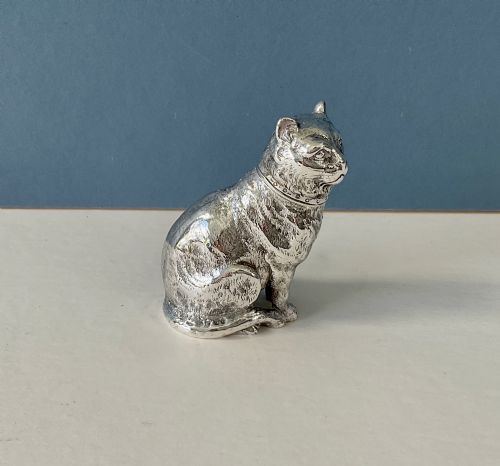
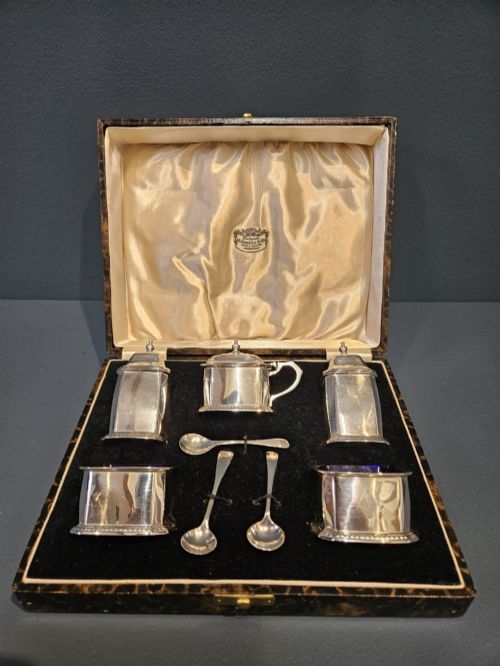
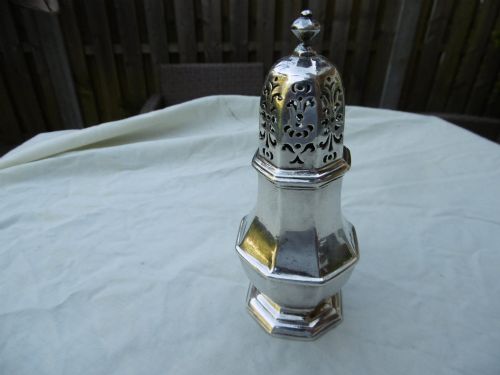
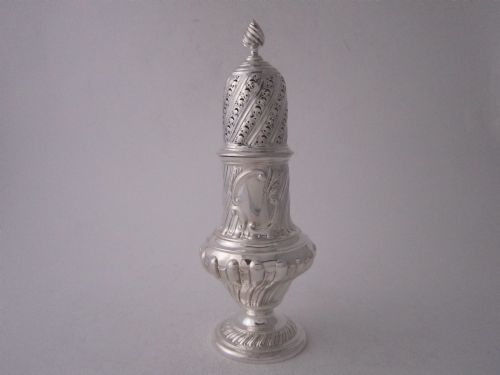
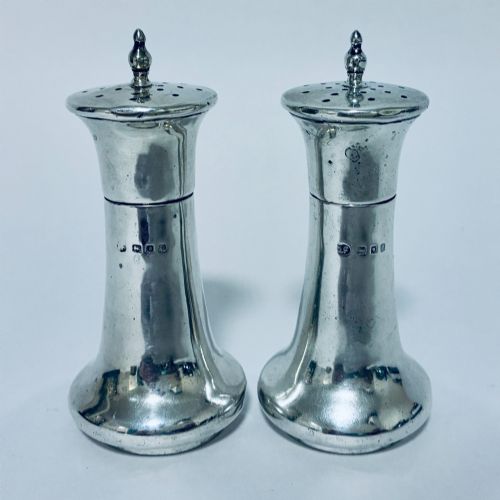
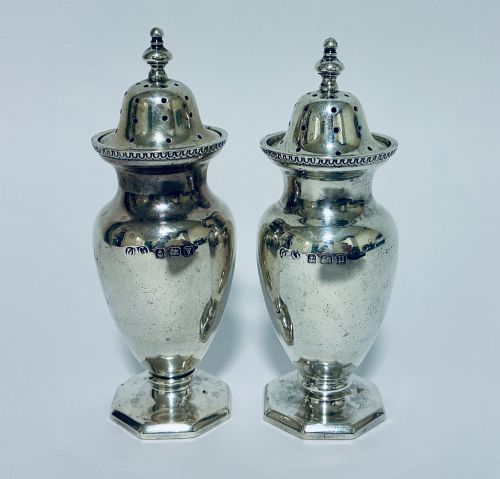
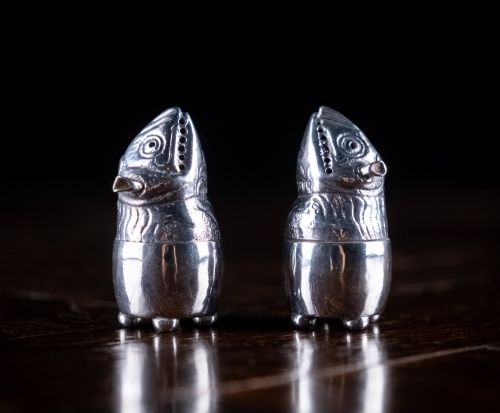
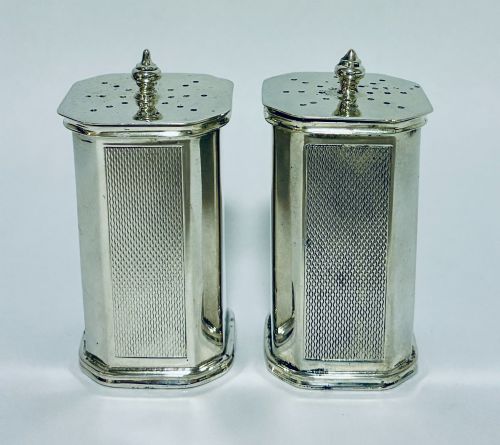
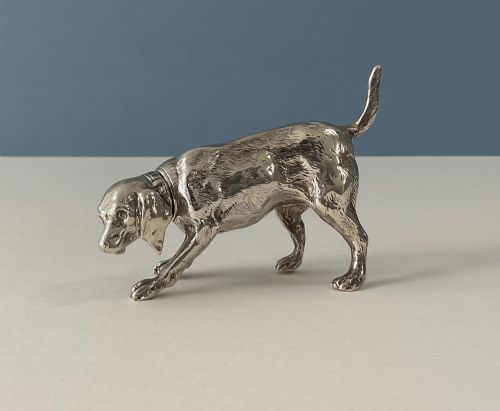
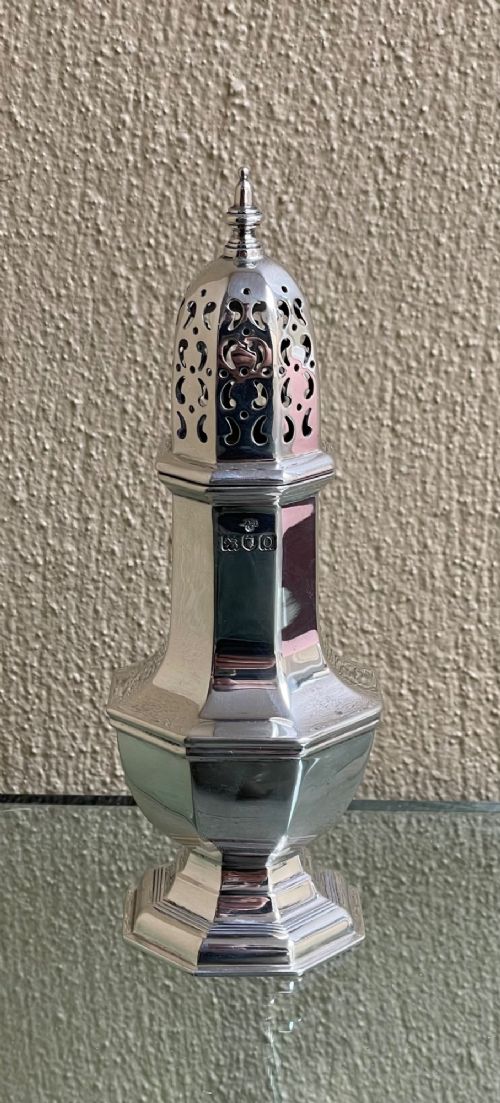
A sterling silver shaker collection encompasses sugar casters, pepper pots, condiment sets, and cocktail shakers spanning from the eighteenth century through the twentieth century. Buyers encounter Georgian octagonal casters alongside Victorian novelty animal peppers shaped as owls, dogs, and chicks.
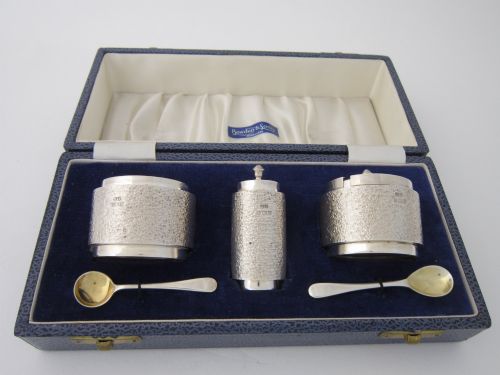
The selection ranges from Edwardian pepperettes and George V sugar shakers to Art Deco polygon designs and mid-century condiment sets. Makers and workshops from London, Birmingham, and Sheffield produced these domestic silver forms for daily dining and formal tables.

How They Were Made
Silversmiths constructed these vessels primarily in sterling silver, utilising techniques such as piercing, casting, and hand-raising. Many pieces incorporate cut glass, silver gilt accents, and delicate blue glass liners.
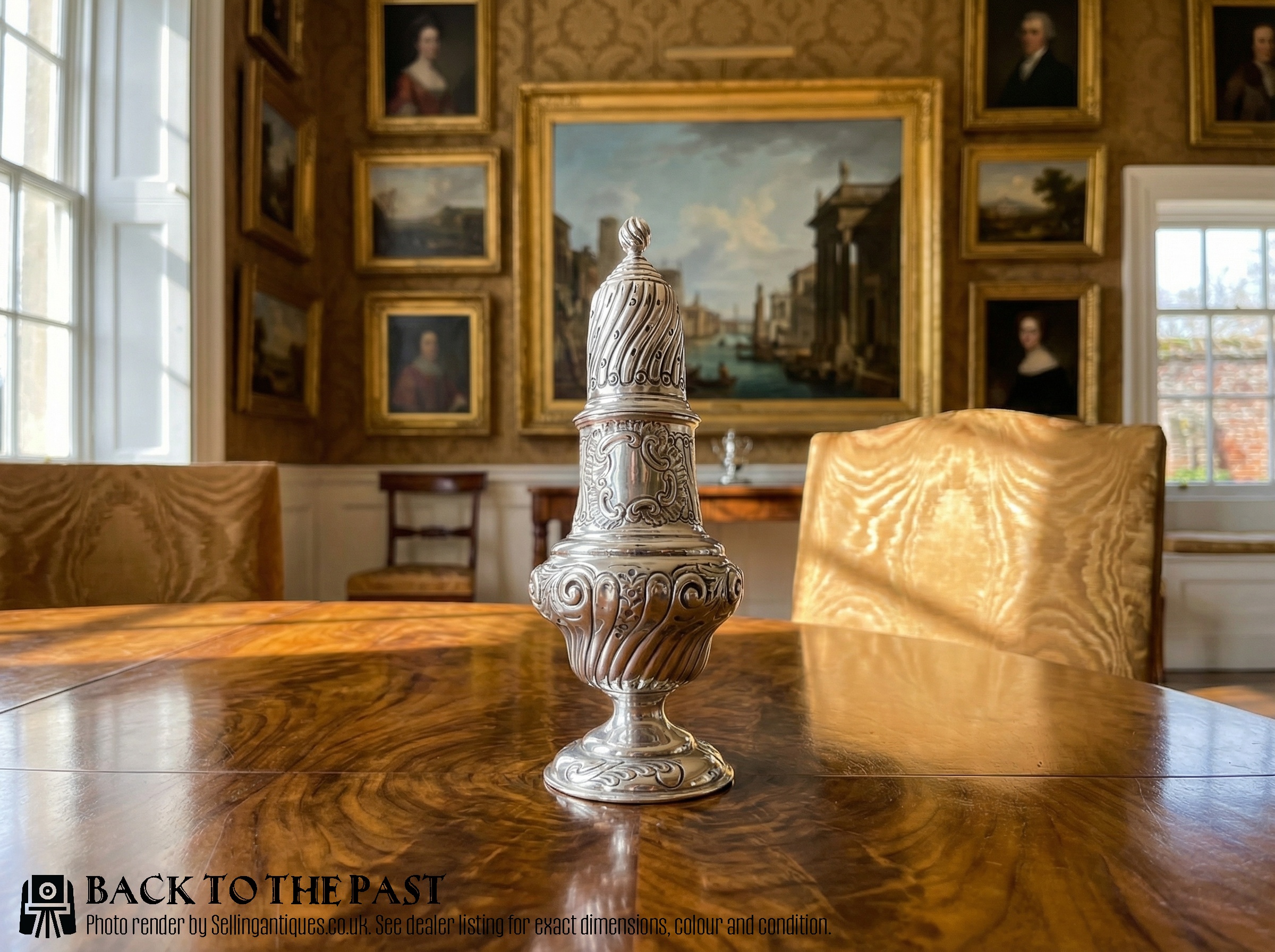
Makers applied surface ornamentation through repoussé work, chasing, and crisp hallmarks indicating the assay office and year of production.
Sterling Silver Shaker Retail Price Guide 2026
Typical asking prices for sterling silver shaker among the pieces listed under this phrase on Sellingantiques today, from the lower quarter to the upper quarter. They describe what is for sale here now, not the wider market.
Victorian dining rooms often hosted fierce silver owls and roly-poly chicks whose heads popped off to dispense pepper.
What Varies in Quality
Quality rests upon the weight of the metal and the precision of the piercing on the shaker tops. Heavier gauge silver retains its structural integrity and crispness of form over generations of use.
Artistic execution differentiates standard production items from masterworks by prominent makers such as Simon Pantin or Evald Nielsen. Detail in animal novelty pepper pots and clarity of hallmarks further elevate individual examples.
Frederick Brasted·Stephen Adams·James Goodwin·Simon Pantin·The Barker Brothers·James Dixon And Sons Ltd·Evald Nielsen·Horace Woodward And Co Ltd·Sampson Mordan·Roberts And Belk·Thomas Bamford·William Comyns·Tiffany
The Sterling Silver Shaker Glossary
- Caster
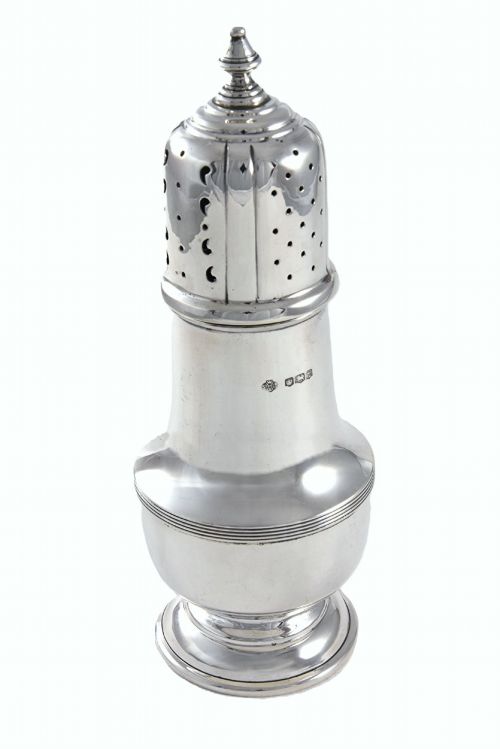
- A tall vessel with a perforated lid designed for sprinkling sugar or spices over food. These pieces frequently feature octagonal or baluster profiles.
- Pepperette
- A small shaker designed specifically for ground pepper, often found in matched pairs or within larger condiment sets. They appear in both traditional cylindrical shapes and whimsical animal figures.
- Pounce pot
- A small container with a perforated top used to sprinkle resin powder onto paper to prepare surfaces for writing. They date predominantly to earlier periods.
- Cruet set
- A matched assembly of bottles and shakers held in a shared frame for condiments such as oil, vinegar, salt, and pepper. These collections often bear complete maker marks across each component.
- Silver gilt
- Sterling silver that has been coated with a thin layer of gold on the interior or exterior surfaces. This technique protected the metal from corrosive substances.
Sterling Silver Shaker: Frequently Asked Questions
What is the difference between a caster and a shaker?
A caster traditionally refers to tall silver vessels from the Georgian and Victorian eras used for sugar, featuring bayonet or slip-in pierced covers.
Shaker is a modern descriptor applied to smaller pepper pots, salt containers, and cocktail mixers from later decades.
How do I identify the date of a silver shaker?
English silver shakers carry hallmarks that include a date letter indicating the exact year of assay, alongside the lion passant for sterling standard.
Assay office marks from London, Birmingham, or Sheffield further pinpoint the origin of manufacture.
Were novelty animal shakers used on dining tables?
Victorian and Edwardian dining tables frequently featured novelty pepper pots modelled as owls, dogs, cats, and chicks to amuse guests during formal meals.
These pieces combined practical condiment dispensing with sculptural miniature artistry.
How should I clean antique sterling silver?
Maintain silver shakers by washing them gently in warm soapy water and drying them immediately with a soft cloth to prevent moisture spots.
Avoid abrasive dips that strip away the subtle patination accumulated over centuries of use.