

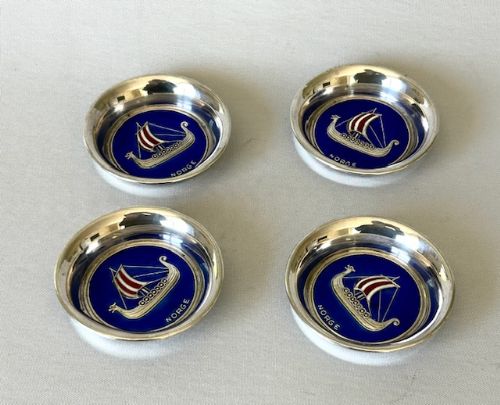


Sterling Silver Salt Bowls
These sterling silver salt bowls bring period craftsmanship to the table, offering functional elegance through historic designs.
Sterling Silver Salt Bowls
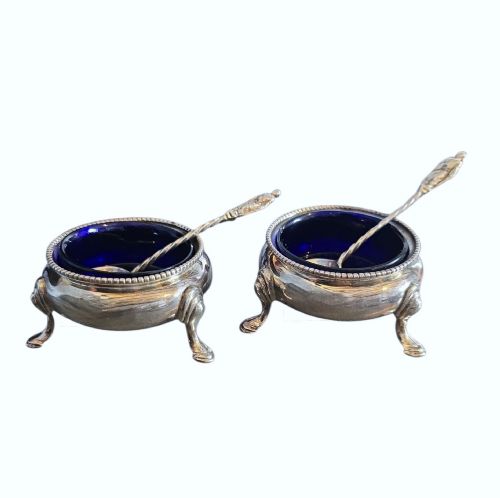
When searching for sterling silver salt bowls, collectors encounter diverse forms ranging from traditional Georgian and Victorian open salt cellars to Edwardian table salts. The pieces available span several eras, frequently appearing as matched pairs or complete sets accompanied by their original spoons.
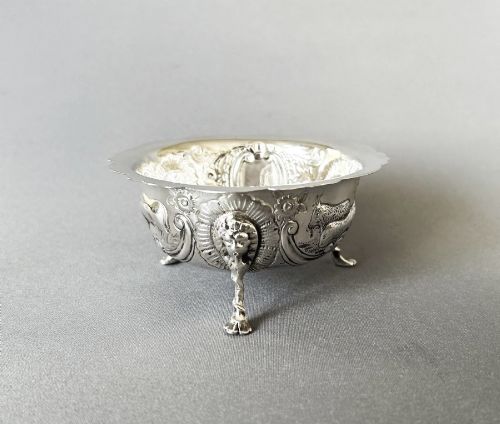
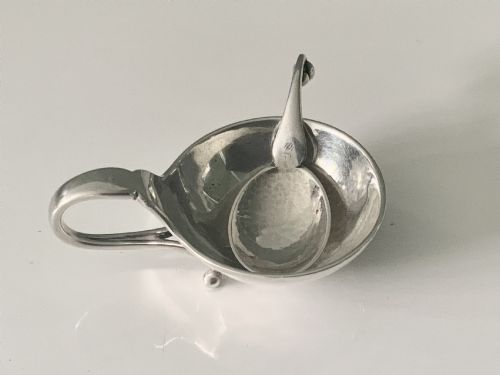
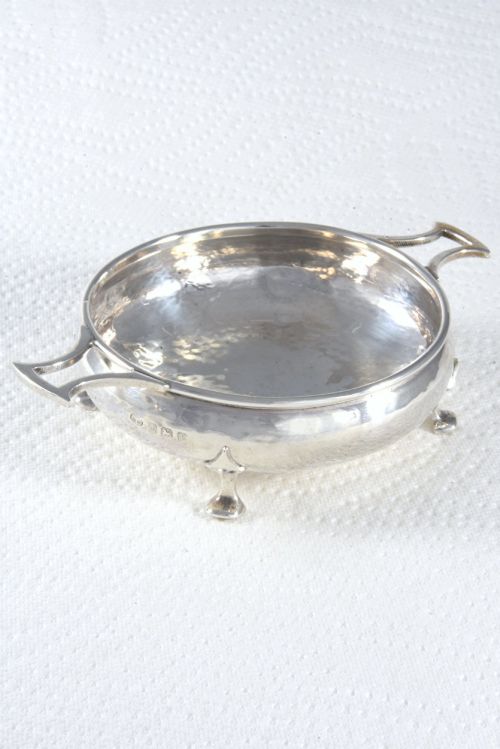
The selections on this page highlight both functional table salts and decorative small dishes. Forms include pedestal designs, cauldron shapes, and whimsical twin-headed swan salt dishes that reflect changing dining customs across the nineteenth and twentieth centuries.
Materials and construction
The primary material across these listings is sterling silver, shaped through traditional smithing and casting techniques. Many pieces incorporate precious interior treatments, utilising gold gilt or vermeil to protect the metal from the corrosive nature of salt.
Internal liners made of cobalt glass or velvet inserts frequently accompany open silver salt bowls. Artisans also applied decorative elements such as enamel work, goat motifs, and intricate lobed detailing during the Victorian, Edwardian, and Arts and Crafts periods.
Sterling Silver Salt Bowls Retail Price Guide 2026
Typical asking prices for sterling silver salt bowls among the pieces listed under this phrase on Sellingantiques today, from the lower quarter to the upper quarter. They describe what is for sale here now, not the wider market.
Listings feature items from the Georgian, Victorian, Edwardian, and mid-century periods, incorporating materials like sterling silver, cobalt glass, and enamel.
Assessing craftsmanship and condition
Quality in these items is determined by the crispness of the chased or lobed decoration and the structural integrity of the silver body. Pieces featuring fully intact internal cobalt glass liners and matching original spoons command greater interest.
The presence of clear hallmarks indicating specific makers, assay offices, and dates adds definitive context. Superior examples maintain their original gilding and surface details without excessive wear from cleaning.
Beare Falcke·Georg Jensen·Thomas Smily·Edward Wood·Vale Brothers and Sermon
The Sterling Silver Salt Bowls Glossary
- Open salt
- A small vessel designed to hold loose salt at the dining table before the invention of the shaker. Diners used a small spoon or fingers to take salt from the bowl.
- Salt cellar
- An alternative term for a salt bowl or salt dish used in formal table settings. These containers often rest on three feet or a pedestal base.
- Vermeil
- Sterling silver plated with a thin layer of gold. This technique prevented the silver from tarnishing when in direct contact with salt.
- Cobalt glass
- A deep blue glass used to line open silver salt cellars. It provides a striking visual contrast against the polished silver exterior.
- Hallmark
- An official stamp applied to precious metals indicating the standard of purity, the assay office, and the year of manufacture. These marks help verify the age of antique silver.
Sterling Silver Salt Bowls: Frequently Asked Questions
How were sterling silver salt bowls used?
These bowls sat on dining tables to hold coarse salt for individual guests. Diners used tiny spoons to transfer the salt to their plates.
Wealthy households displayed elaborate pedestal or cauldron designs to demonstrate status and taste during formal meals.
Are salt spoons usually included?
Many listings include the original matching spoons alongside the salt bowls. Sets often come complete in fitted presentation cases.
Finding pieces with their contemporary spoons intact remains a significant advantage for collectors and setting enthusiasts.
What periods do these pieces represent?
The available items span from Georgian and William IV eras through to Victorian, Edwardian, and mid-century Scandinavian designs. Each period introduces distinct stylistic choices, from plain Georgian forms to ornate Victorian lobing.
Arts and Crafts and Art Nouveau examples also appear, reflecting early twentieth-century design shifts.
Do salt bowls need glass liners?
Many open salt bowls feature removable cobalt glass liners designed to prevent the salt from corroding the silver. These liners are characteristic of Victorian and Edwardian manufacturing.
While some solid silver bowls rely on gold gilt interiors instead, surviving glass liners add authenticity to matched pairs.