



Sterling Silver Pin Tray
A sterling silver pin tray sits neatly on a dressing table or desk, holding small trinkets and pins with understated shine.
Sterling Silver Pin Tray
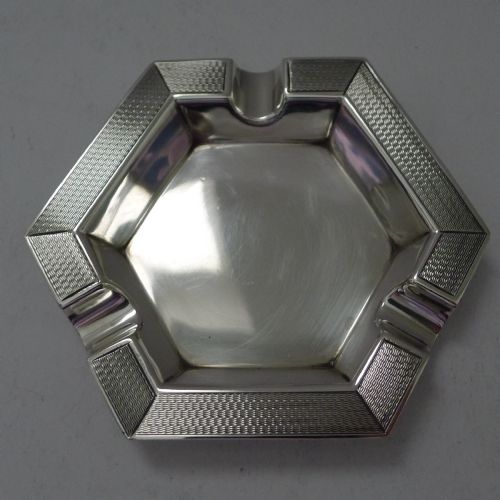
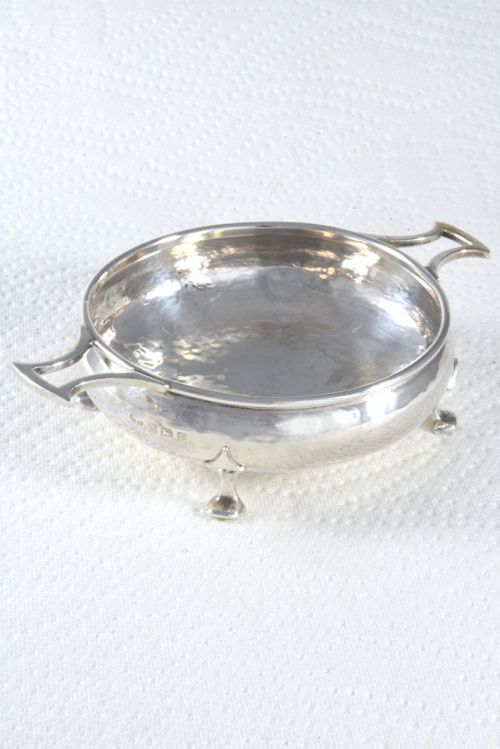
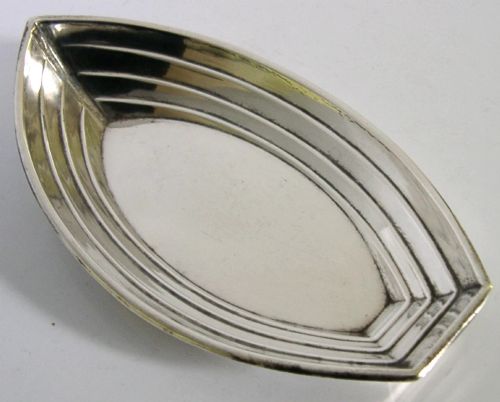
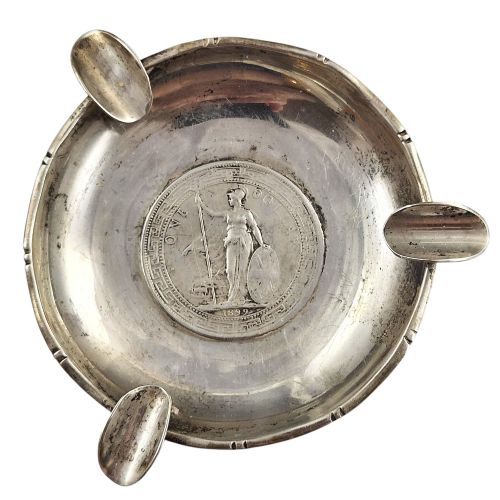
When you search for a sterling silver pin tray, you encounter small dishes and trays dating from the Victorian and Edwardian eras through to the mid-twentieth century. These items appear in various forms, including trinket dishes, ashtrays, bonbon dishes, and small card trays.
The pieces originate from British makers in London and Birmingham, alongside continental European workshops, Chinese export silversmiths, and American firms. They serve both utilitarian purposes on dressing tables and decorative roles in period interiors.
You are most likely to meet small Edwardian and Victorian sterling silver pin trays on this page, often featuring raised rims or shallow indentations designed to keep loose items contained.
Materials and construction techniques
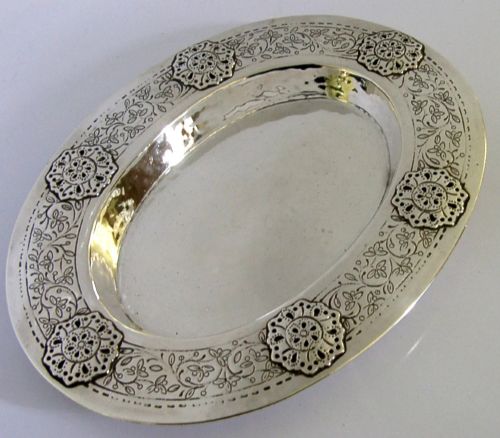
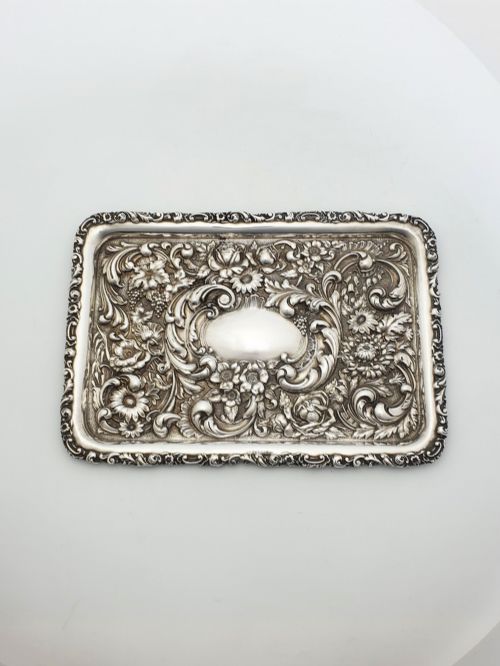
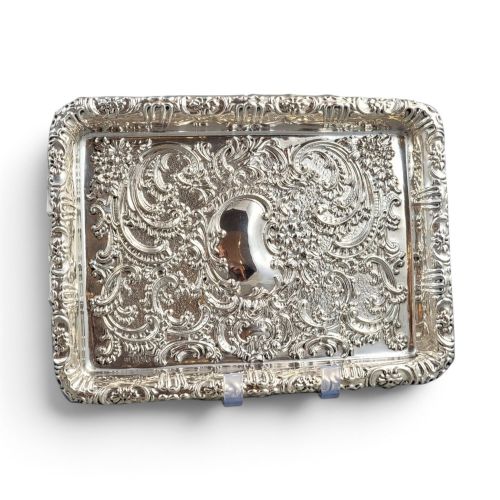
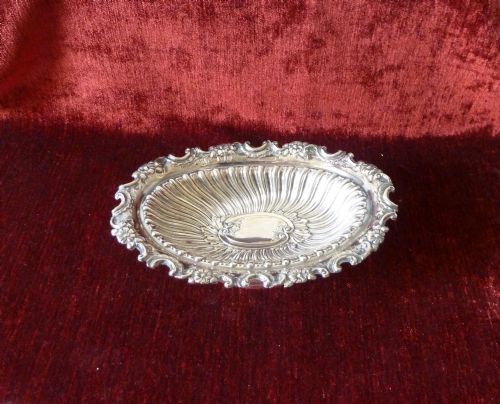
Silversmiths constructed these trays using solid sterling silver, frequently employing repoussé and chasing techniques to raise floral and figural motifs from the metal. Cast silver elements also appear, particularly on rims and handles, adding weight and structural definition.
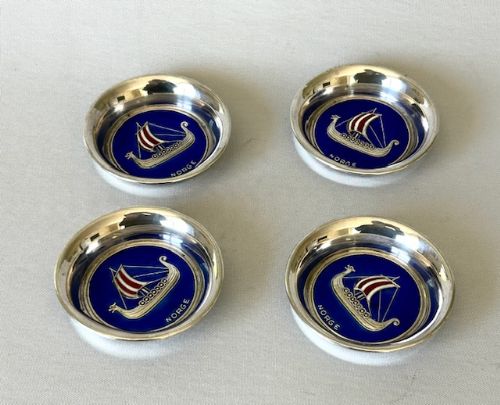
Many examples incorporate secondary materials such as guilloché enamel, tortoiseshell, satin, and velvet to contrast with the polished silver surface. Import marks, city assay stamps, and maker's initials are often punched directly into the silver to record origin and standard.
Listings feature sterling silver alongside enamel, tortoiseshell, velvet, and satin across Victorian, Edwardian, Art Deco, and Arts and Crafts styles.
Distinctions in craftsmanship
The quality of a sterling silver pin tray rests on the crispness of its chasing and the depth of its repoussé work, where sharper, more defined relief indicates superior hand skill. Thicker gauge silver maintains its structural integrity better over time, resisting dents and bending around the shallow rims.
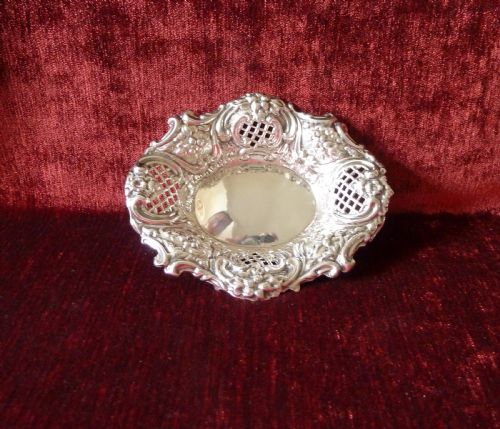
Details such as integrated coin inserts, hand-applied enamel, or delicate pierced openwork distinguish finer studio production from standard commercial output. Maker attribution to notable silversmiths also elevates the standing of an individual dish.
William Neale·Liberty and Co·Wallace·Lee Yee Hing·Robert Pringle and Sons·William Comyns·Peter and Anne Bateman·John Grinsell and Sons·James Hennell·Taylor and Perry·Mappin and Webb
The Sterling Silver Pin Tray Glossary
- Repoussé
- A metalworking technique where the silversmith hammers the design from the reverse side to create a raised relief on the front. This method defines many ornate Edwardian and Victorian trays.
- Guilloché
- A decorative mechanical engraving technique that produces precise, intricate geometric patterns beneath a translucent layer of coloured enamel. It frequently appears on mid-period dressing table items.
- Assay mark
- A stamp applied by an official office to indicate the purity of the metal, such as the lion passant for British sterling silver. These marks provide definitive evidence of date and place of origin.
- Bonbon dish
- A small, shallow container originally intended for holding sweets or small confectionery. Collectors often group these alongside pin trays due to their similar scale and form.
Sterling Silver Pin Tray: Frequently Asked Questions
What were sterling silver pin trays used for?
These small dishes were kept on dressing tables, hall stands, or desks to hold pins, cuff links, coins, and small pocket items at the end of the day.
They kept loose personal effects organised and prevented small items from rolling off polished wooden surfaces.
How do I date a silver pin tray?
Dating relies on the hallmark stamps punched into the silver, which record the assay office, the standard mark, and a specific date letter corresponding to the year of manufacture.
Stylistic indicators such as Art Nouveau whiplash lines or Victorian floral repoussé also point to specific decades of production.
Can I use an antique pin tray daily?
Solid silver tolerates regular everyday use for holding light trinkets, provided you clean it gently with appropriate silver polish rather than abrasive materials.
Pieces containing fragile elements like enamel or tortoiseshell require extra care to avoid moisture damage or impact.
Why do some trays feature inset coins?
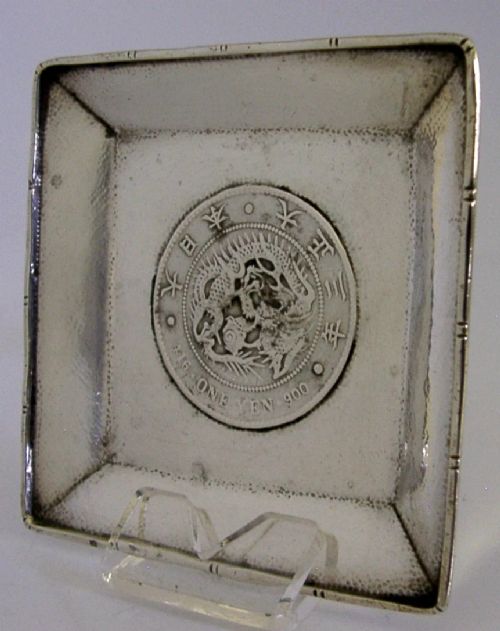
Silversmiths occasionally incorporated British trade dollars, Japanese yen, or commemorative coins into the base of a dish as a novelty or regional export feature.
These coin dishes reflect international trade connections and popular taste during the late nineteenth and early twentieth centuries.