

Sterling Silver Card Pocket
A sterling silver card pocket is a pocket-sized container for calling cards, combining metalwork and leather.
Sterling Silver Card Pocket
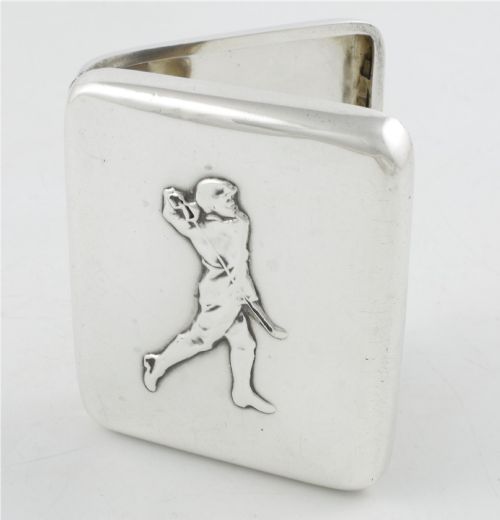
A sterling silver card pocket provides a portable container for calling cards, visiting cards, and personal notes. These items appear across Victorian, Edwardian, and Art Deco periods, spanning the nineteenth and twentieth centuries.
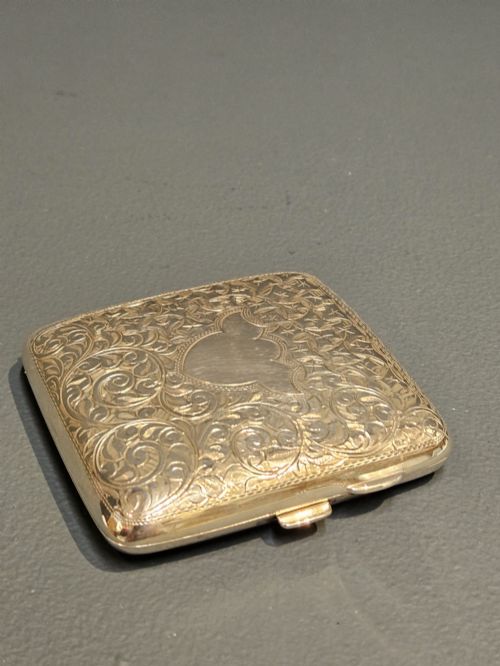
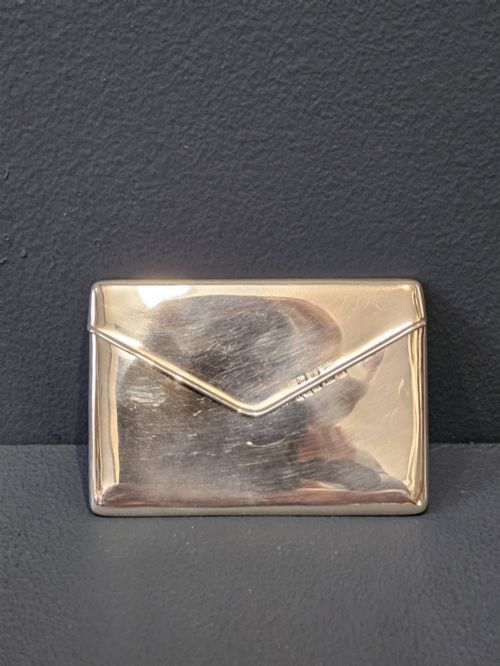
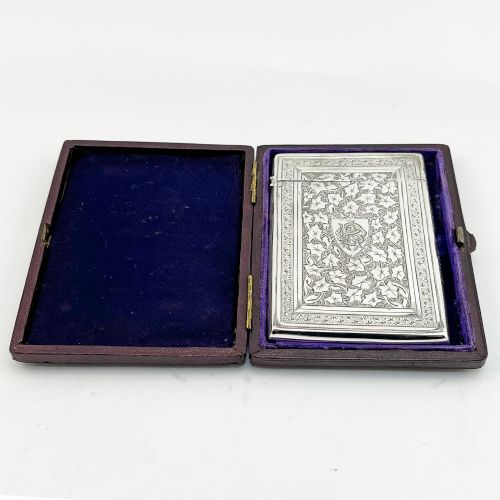
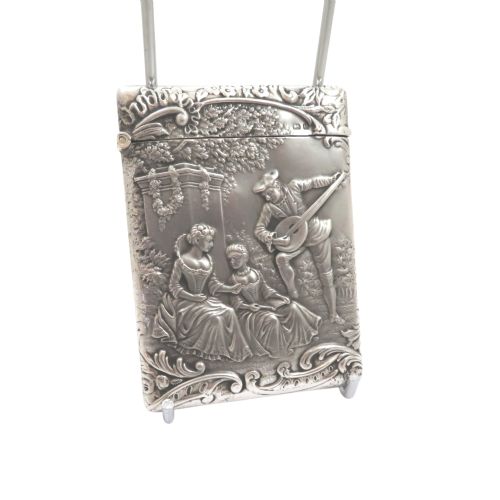
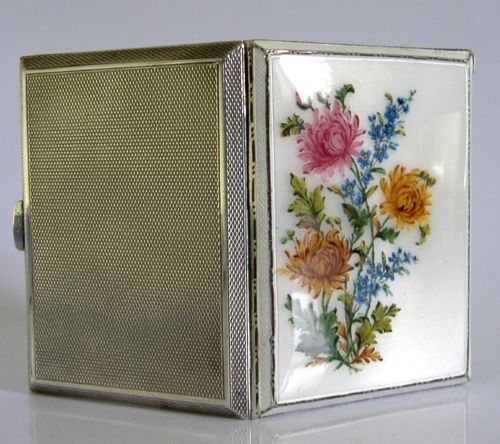
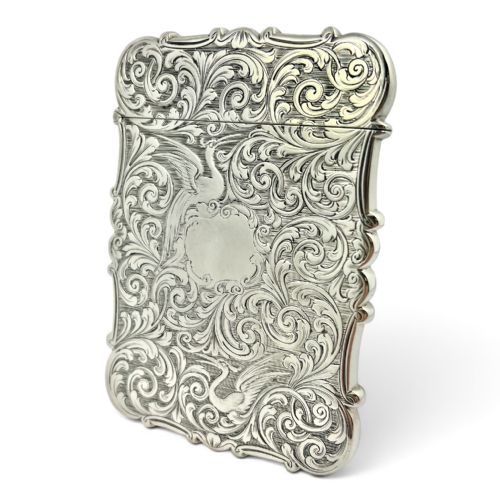
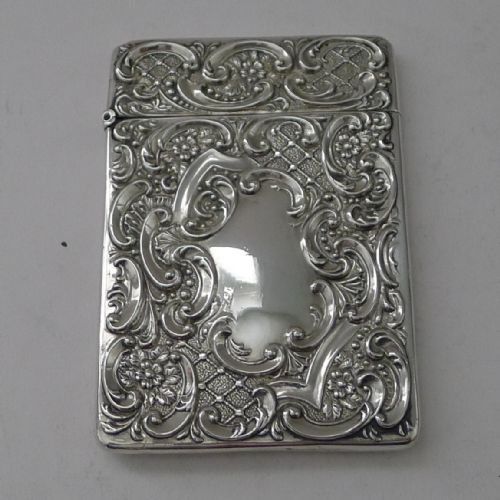
The selections on this page include card cases, aide memoires, and small leather purses with silver mounts. Edwardian and Victorian examples dominate the available inventory, frequently featuring engraved decoration or enamel work.
Materials and construction methods
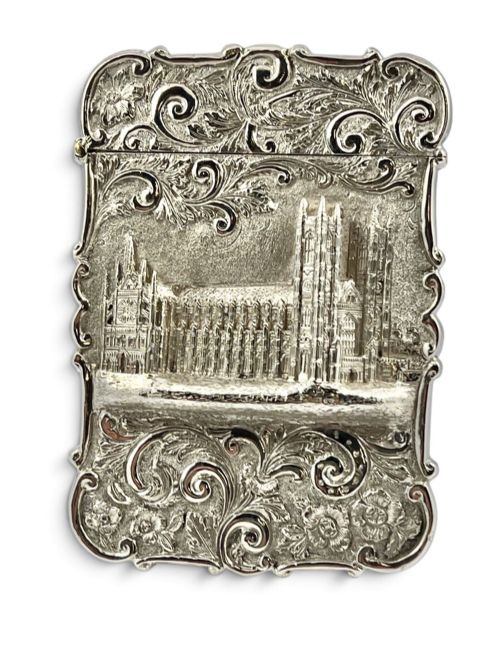
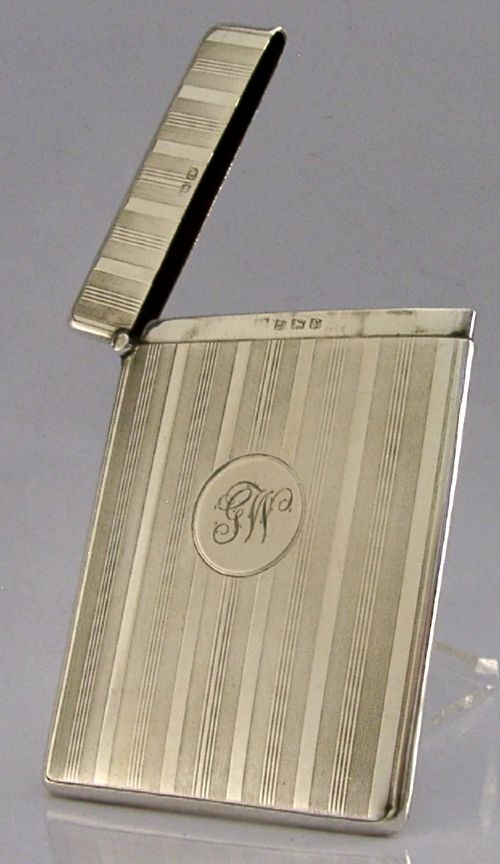
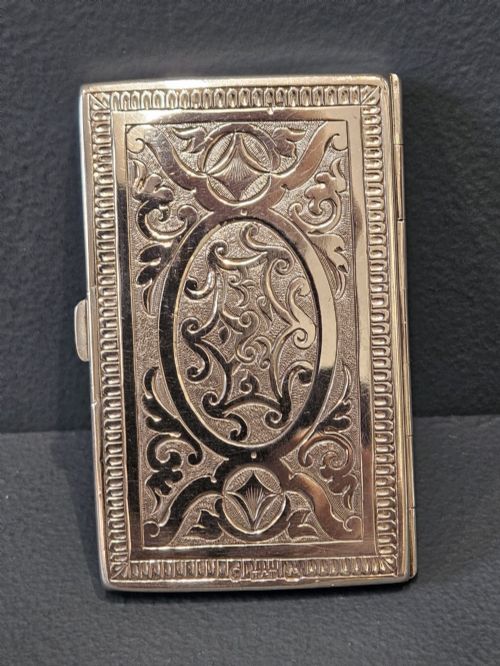
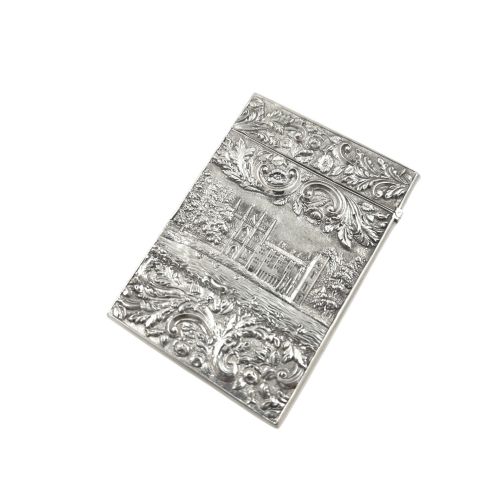
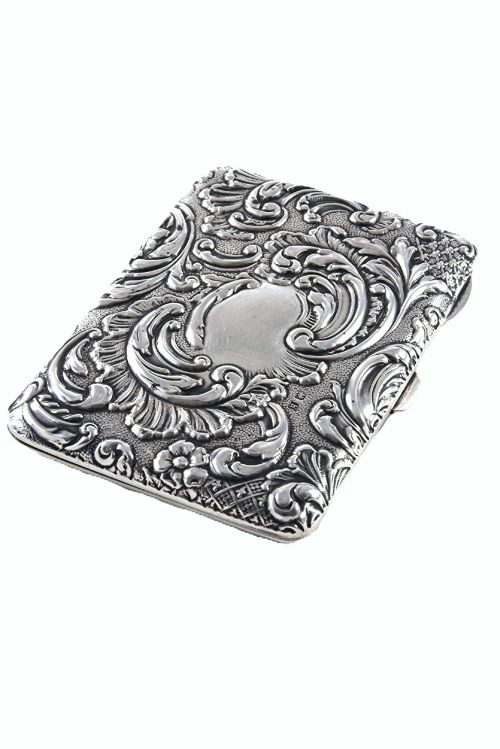
Silversmiths constructed these pieces primarily from sterling silver, employing techniques such as engine turning, hand engraving, and castle top casting. Many items incorporate vitreous enamel, hand painted motifs, or panels of Connemara marble.
Certain objects combine metalwork with organic materials like crocodile leather or standard leather. Interior compartments often use silk or lining fabric to secure stamps, cards, and writing tablets.
Sterling Silver Card Pocket Retail Price Guide 2026
Typical asking prices for sterling silver card pocket among the pieces listed under this phrase on Sellingantiques today, from the lower quarter to the upper quarter. They describe what is for sale here now, not the wider market.
Assessing quality in silver card pockets
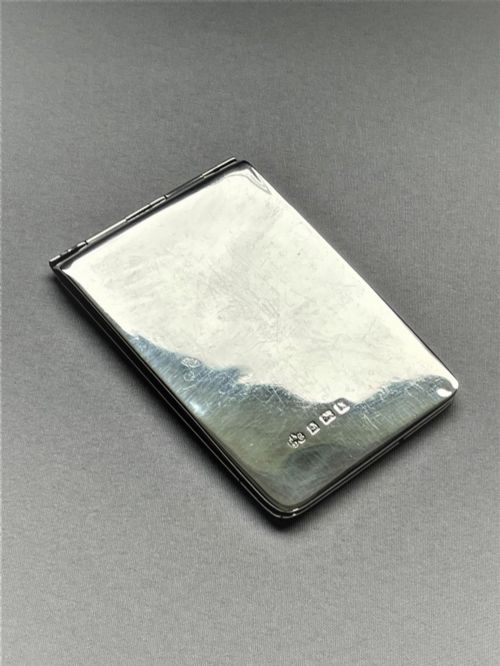
Quality rests upon the crispness of the chasing, the depth of the engine turned patterns, and the precision of the maker's marks. High grade examples exhibit sharp architectural details on castle top motifs rather than worn, shallow relief.
Hinges, clasps, and opening mechanisms indicate the standard of production. Superior items close securely with well fitted components and retain intact enamel or undamaged leather panels.
Charles Penny Brown·Nathaniel Mills·George Unite·Edward Edwards·Ludwig Krumm·Foxall and Co
The Sterling Silver Card Pocket Glossary
- Castle top
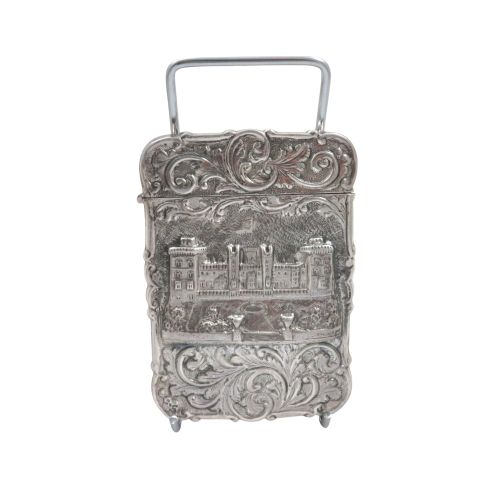
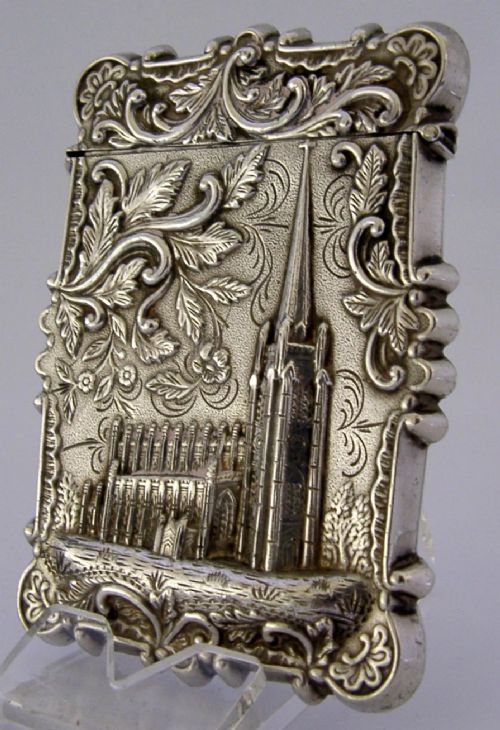
- A style of card case featuring a high relief engraving or casting of a famous building or landmark on the cover. These pieces often depict specific structures like Windsor Castle or St Paul's Cathedral.
- Aide memoire
- A small pocket notebook or memorandum case designed for recording notes and appointments. They typically incorporate a tiny pencil and internal pockets.
- Engine turned
- A decorative technique involving precise geometric patterns incised into metal by a lathe. This surface treatment provides texture and catches the light.
- Visiting card case
- A flat container shaped to hold thin paper calling cards without bending them. Gentlemen and ladies used them during social calls in the Victorian and Edwardian eras.
Sterling Silver Card Pocket: Frequently Asked Questions
What is a sterling silver card pocket used for?
These items held visiting cards, calling cards, and small paper notes during social calls in the nineteenth and twentieth centuries. Owners carried them in pockets or handbags to facilitate formal introductions.
Today, collectors use them to store business cards, credit cards, or small keepsakes. Their compact dimensions make them suitable for modern display or light daily use.
How do I date a silver card pocket?
Dating relies on the assay office hallmarks stamped into the silver, which record the year letter, city, and standard of metal. Makers marks and stylistic indicators like Edwardian filigree or Art Deco geometry also help establish the era.
Comparing the decorative motifs, such as Victorian floral engraving or 1930s hand painted enamel, narrows the manufacturing window further.
How should I clean sterling silver card pockets?
Cleaning requires a soft microfiber cloth and a gentle silver polish formulated to remove tarnish without abrading the surface. Care must be taken around hinged areas, engraved crevices, and enamel panels.
Harsh chemical dips should be avoided, particularly on pieces containing leather, fabric linings, or fragile vitreous enamel. Regular dusting prevents heavy tarnish accumulation.