


Sterling Silver Barware
Exploring sterling silver barware reveals functional drinking vessels, intricate decanter labels, and cocktail accessories spanning multiple centuries.
Sterling Silver Barware
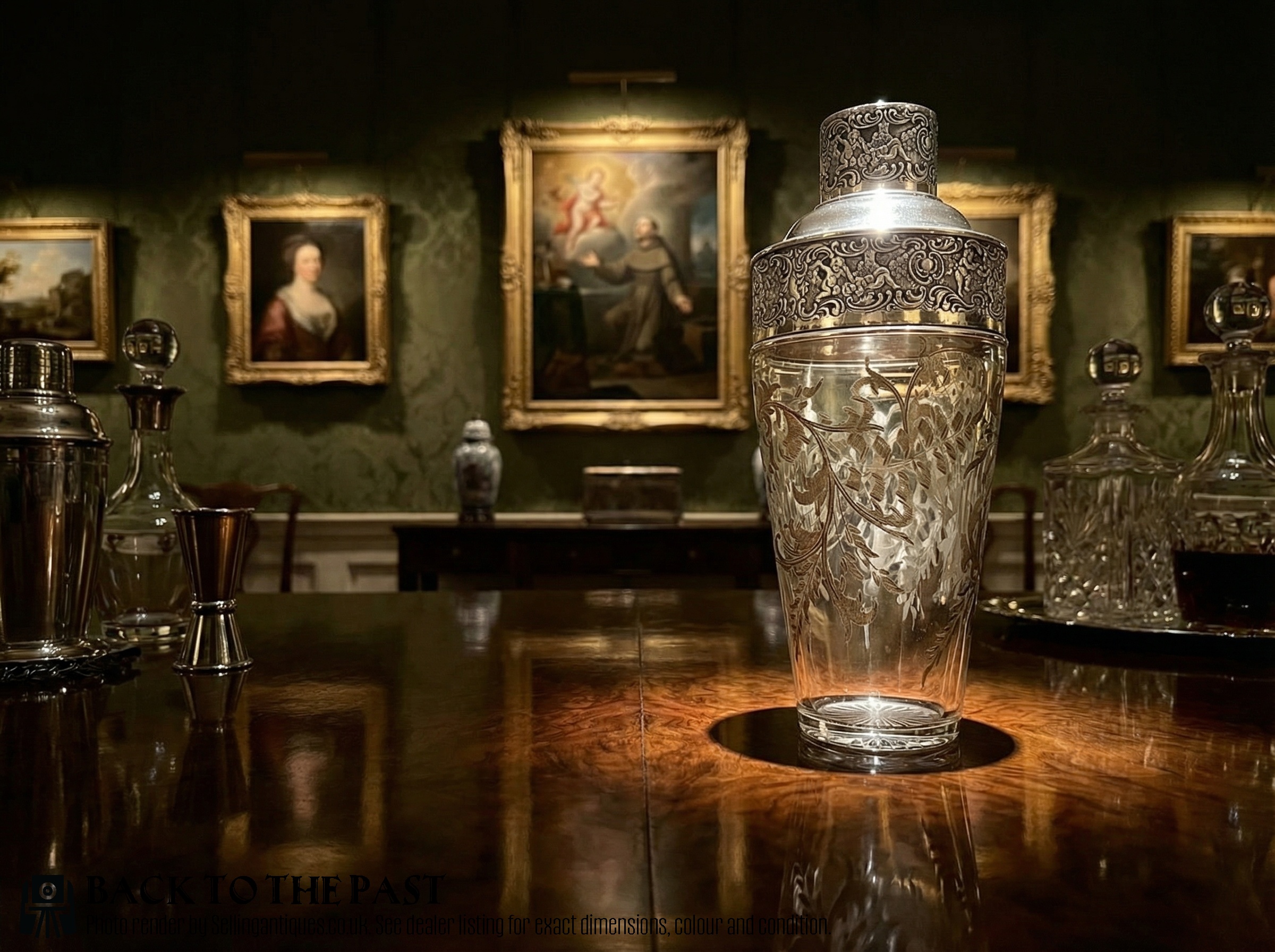
Sterling silver barware encompasses a diverse selection of antique and vintage drinking accessories designed for serving and enjoying spirits, wines, and cocktails. The pieces range from eighteenth-century ladles and Georgian tankards to Edwardian hip flasks and Art Deco cocktail sticks.
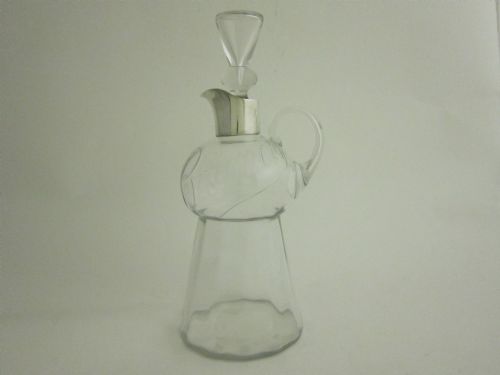
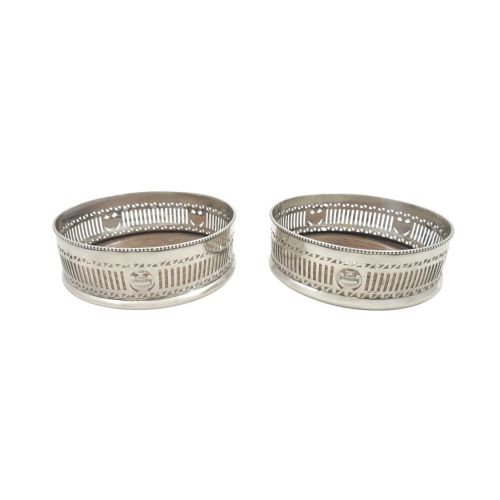
Buyers frequently encounter decanters, spirit jugs, bottle coasters, and labeled wine funnels across these listings. Items span periods from the Georgian and Victorian eras through the Edwardian years and into mid-twentieth-century designs.
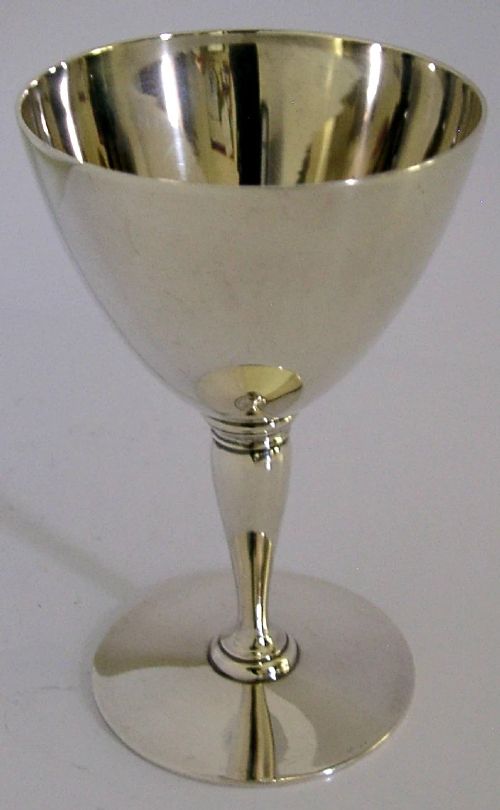
Practical drinking vessels like beakers, tots, and goblets appear alongside novelty items such as giant thimble measures and novelty cups. Each object reflects the social drinking customs and hospitality traditions of its respective period.
How They Were Made
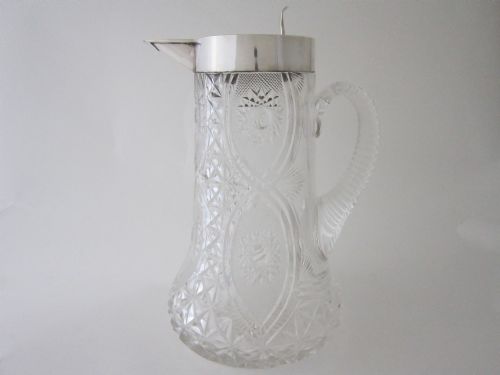
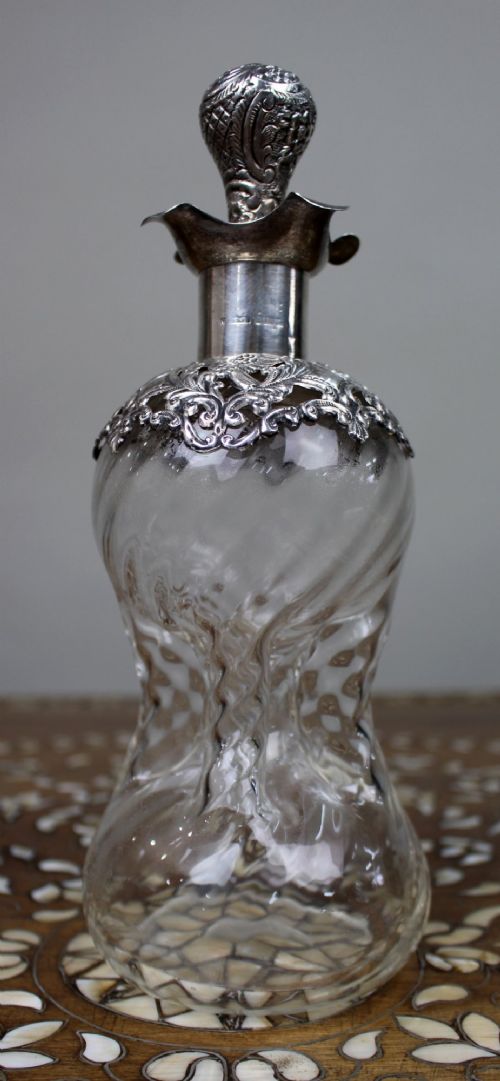
Silversmiths utilised sterling silver alongside cut glass, crystal, and occasionally enamel or crocodile leather to construct durable drinking vessels. Many hollowware items feature heavy gauge silver combined with thick-walled cut glass inserts or robust glass bottles.
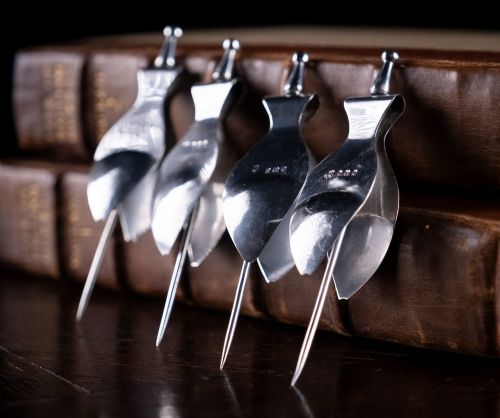
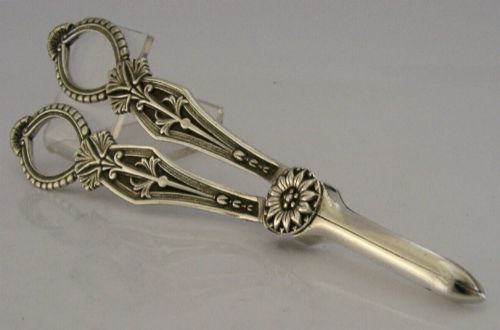
Techniques varied from hand-hammered finishes on portable flasks to precise engraving on decanter labels and cast mounts on jugs. Artisans employed soldering, piercing, and chasing methods to shape intricate items like wine funnels, grape shears, and cocktail strainers.
Sterling Silver Barware Retail Price Guide 2026
Typical asking prices for sterling silver barware among the pieces listed under this phrase on Sellingantiques today, from the lower quarter to the upper quarter. They describe what is for sale here now, not the wider market.
A giant silver thimble serves as a tot shot cup measure for anyone needing just a tiny drop.
What Varies in Quality
The standard of an item rests heavily on the weight of the metal, the clarity of the hallmarks, and the crispness of any chased or engraved decoration. Substantial gauge silver and intact, unblemished glass bodies distinguish superior pieces from lighter, mass-produced alternatives.
Design sophistication and maker reputation dictate the upper tier of the range, particularly when items originate from recognised workshops or master silversmiths. The preservation of original components, such as removable cups on hip flasks or matching sets of cocktail sticks, elevates the integrity of the piece.
Elizabeth Morley·Tiffany And Co·Richard Comyns·Lowe And Sone·Solomon Hougham·Asprey London·Sampson Mordan·Sidney Beddall Ambleside
The Sterling Silver Barware Glossary
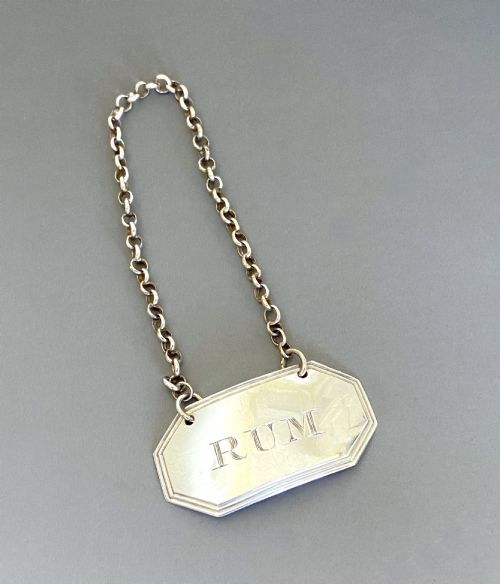
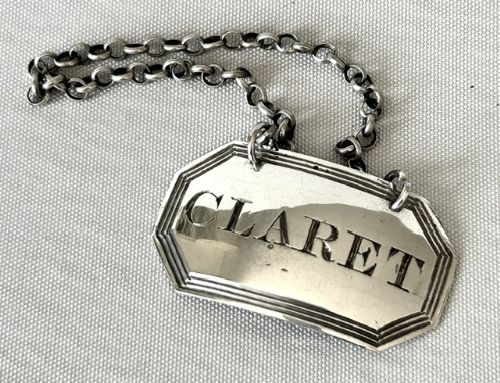
- Decanter Label
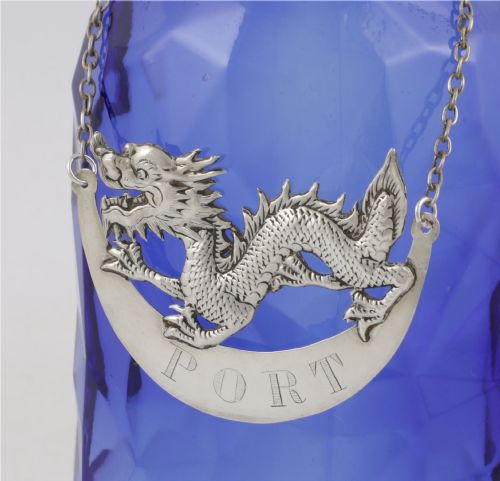
- A small silver tag hung by a chain around the neck of a bottle to identify the contents such as port, sherry, or brandy. These tags often feature pierced or engraved ornamentation.
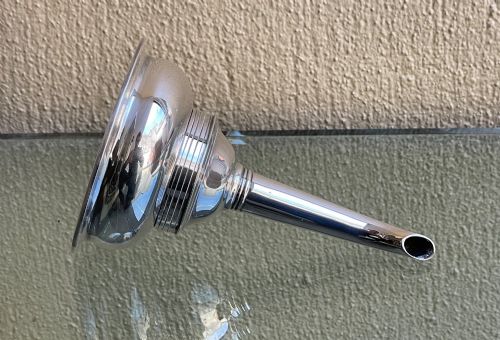
- Wine Funnel
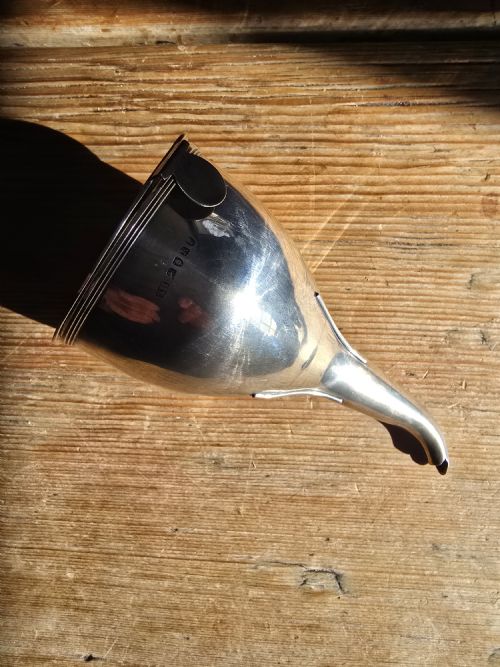
- A specialised funnel fitted with a removable strainer mesh, designed to decant wine while catching sediment. Eighteenth and nineteenth-century examples frequently bear full hallmarks on both parts.
- Hip Flask
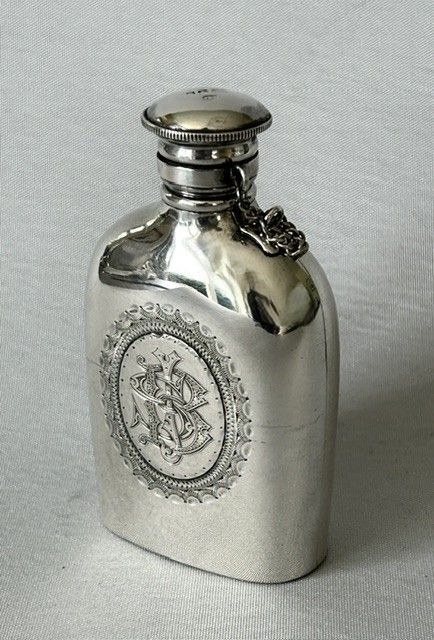
- A slender curved container designed for carrying liquor discreetly in a pocket. Many historical examples combine a sterling silver top and captive cap with a glass or leather-wrapped body.
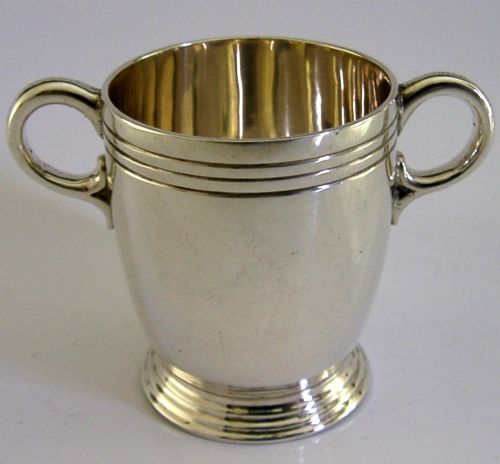
- Quaich
- A traditional shallow two-handled drinking vessel originating in Scotland. These bowls are used for spirits and often feature symmetrical, lug handles.
- Tot
- A small drinking cup or measure for spirits. They frequently take unconventional or novelty forms, including oversized thimbles.
Sterling Silver Barware: Frequently Asked Questions
What is sterling silver barware?
Sterling silver barware consists of historical and vintage drinking accessories made primarily from solid silver, often combined with glass or crystal. The category includes items designed for mixing, pouring, measuring, and serving alcoholic beverages.
These pieces reflect the changing social habits of dining and entertaining across the Georgian, Victorian, Edwardian, and mid-century periods. Common forms include decanter labels, spirit noggins, hip flasks, and cocktail accessories.
How do I identify the date of a silver piece?
English and British silver typically bears a series of hallmarks stamped directly onto the metal, including a date letter that corresponds to a specific assay office and year. Examining these small stamped symbols allows collectors to determine the exact year and location of manufacture.
In addition to date letters, style markers such as Art Deco geometric lines or Georgian ornamentation provide strong visual clues regarding the age of an object.
How were silver hip flasks used?
Silver hip flasks served as portable containers for carrying spirits during outdoor activities like hunting, shooting, or travelling. Their curved shape allowed them to fit comfortably against a person's body inside a coat pocket.
Many period flasks include a detachable cup fitted to the bottom base, allowing the owner to pour and share a drink away from home.
How do I care for antique barware?
Caring for sterling silver involves gentle cleaning with specialised silver polish and a soft cloth to remove tarnishing without scratching the metal surface. Avoid harsh chemical dips, which can strip away desirable historical patina and damage integrated glass or enamel components.
When storing pieces with glass or crystal elements, ensure they remain dry and clean to prevent moisture damage to both the glass and the internal silver mounts.