


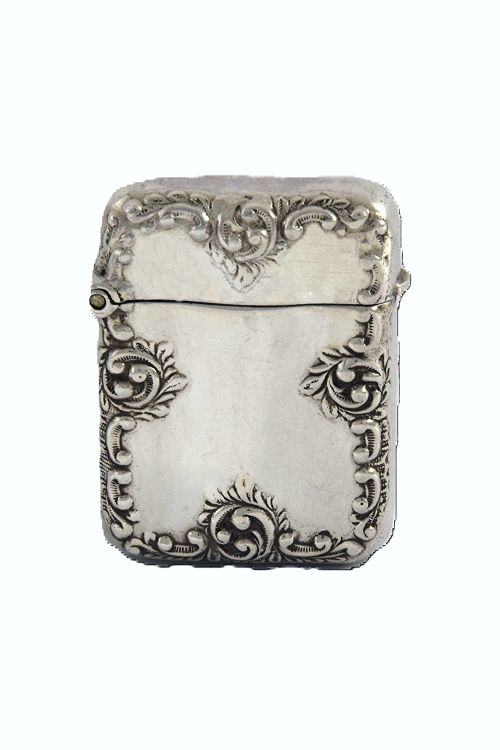
Sterling Match Box
A sterling match box carries the smoke and flame of the nineteenth and twentieth centuries in solid silver.
Sterling Match Box
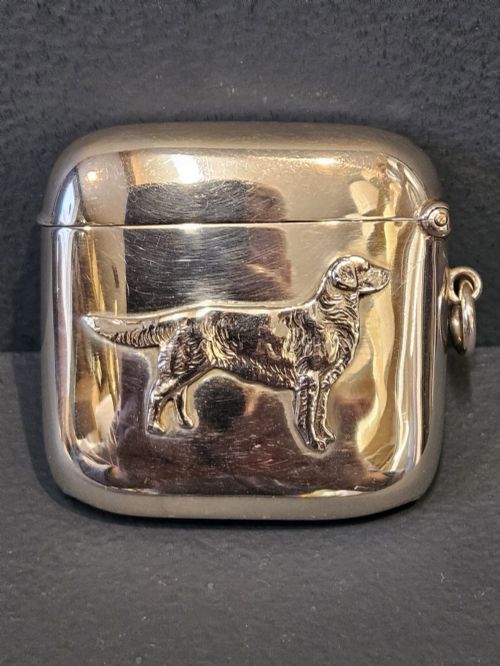
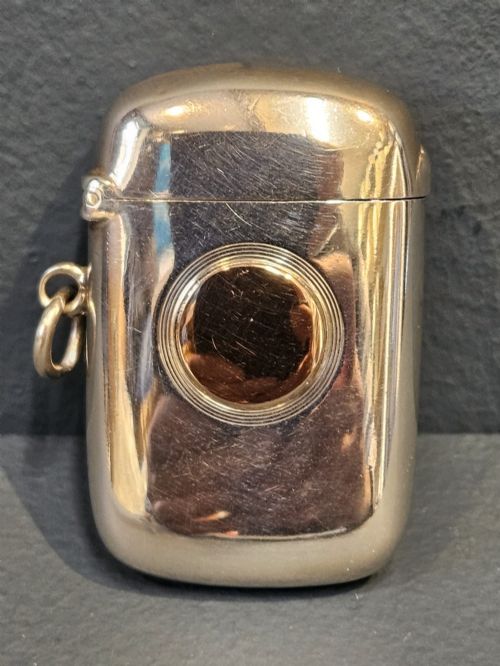
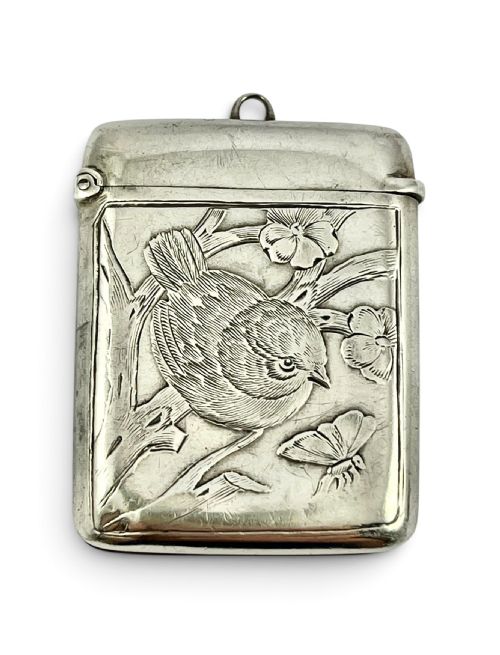
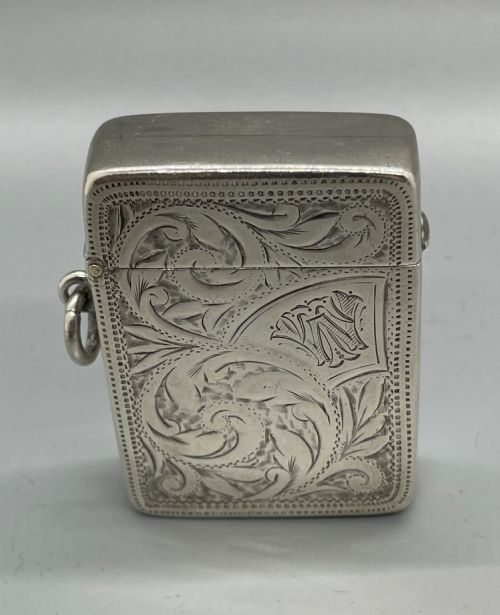
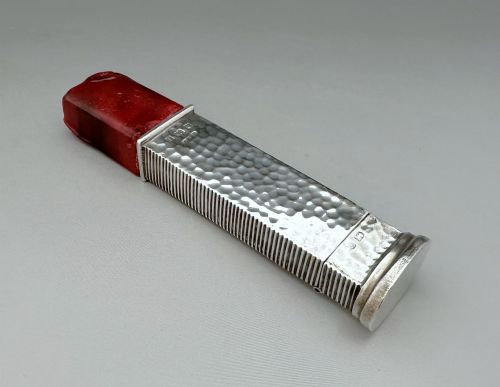
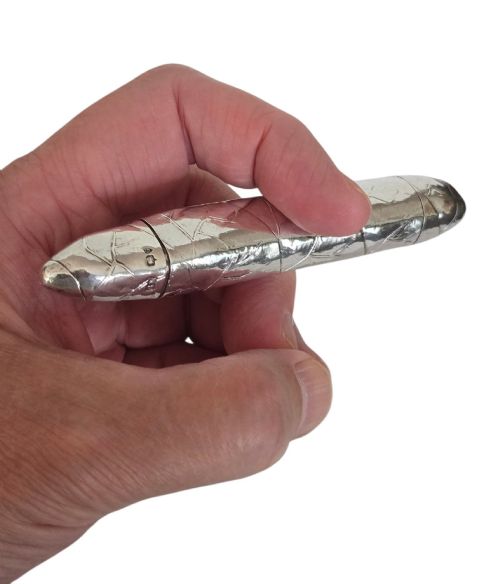
When you search for a sterling match box, you encounter personal pocket containers designed to keep wooden vestas dry and ready for use. The selection spans utilitarian match safes alongside novelty forms shaped as animals, padlock mechanisms, and sentry boxes.
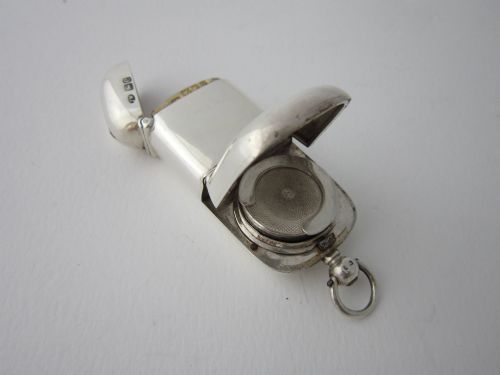
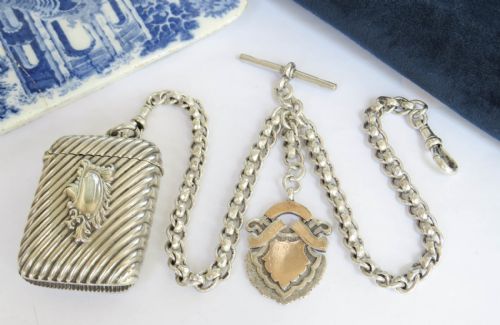
Victorian and Edwardian examples predominate this page, though George V and later twentieth-century production appears regularly. Forms range from standard engraved sleeves for desk matches to pocket vesta cases featuring integrated sovereign holders, wax compartments, or watch fobs.
Makers utilised various object types, including matchbox covers, match safes, and pendant vesta cases. Many pieces originated in Birmingham, London, and Chester assay offices between the late nineteenth century and the 1930s.
How they were made
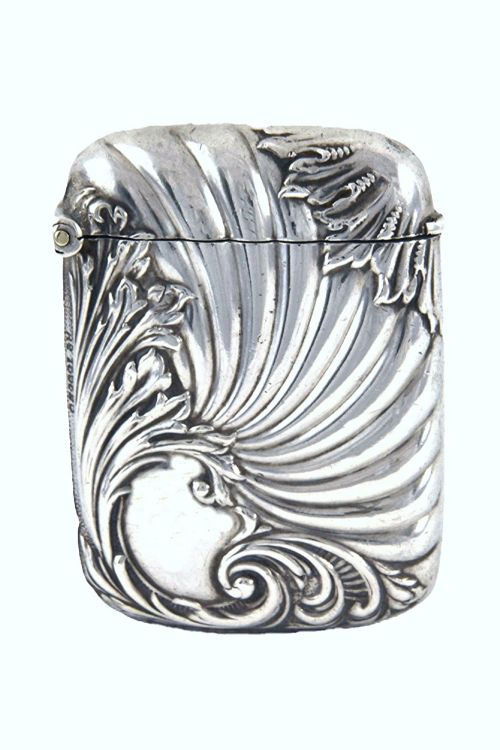
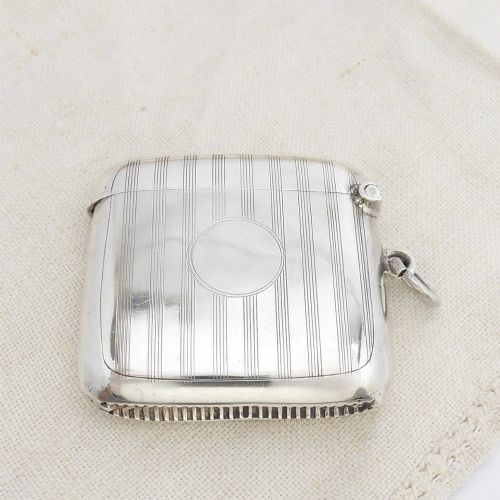
Silversmiths constructed these objects primarily from sterling silver, shaping sheet metal through stamping, folding, and hinge-fitting. Surface decoration relied on engine-turning, leaf and scroll engraving, and cast novelty elements.
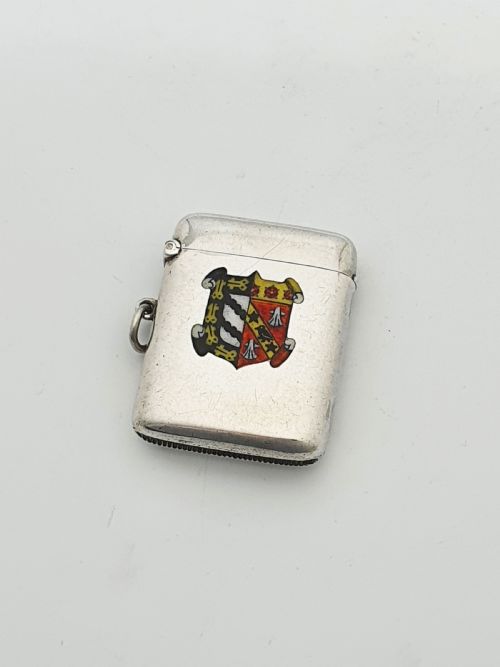
Selected pieces incorporate polychrome enamel, rose gold, gold highlights, sealing wax, jade plaques, and gemstones. Makers applied hallmarks to confirm metal purity and record the year and town of assay.
Victorian inventors produced cheeky novelty vestas shaped as cats, owls, elephants, and sentry boxes to amuse smokers lighting up.
What varies in quality
Quality rests on the crispness of the chasing, the survival of applied enamel work, and the structural integrity of the spring-loaded lid. Novelty pieces derive distinction from sculptural detail and the ingenuity of their mechanical design.
Makers such as Sampson Mordan, Robert Pringle, and Adie Lovekin introduce discernible pedigree through superior execution and distinct aesthetic choices. Depth of hand-engraving and weight of silver further distinguish standard match safes from special commissions.
Sampson Mordan and Co·Robert Pringle·J.B. Bennet·Adie Lovekin·Edward I. Farmer·Dunhill
The Sterling Match Box Glossary
- Vesta case
- A small pocket container designed to hold matches, fitted with a striker on the base. These devices gained popularity after the invention of the friction match.
- Castle top
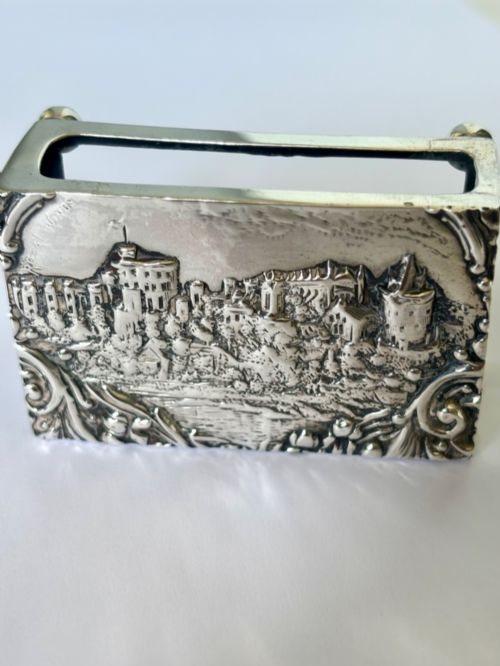
- A matchbox cover or vesta featuring a high-relief engraving of a specific building, landmark, or royal castle. Windsor and similar architectural subjects appear frequently.
- Go-to-bed
- A small chamber candlestick or match holder combined into one pocket-sized desk accessory. Collectors value these for their dual domestic utility.
- Sovereign case
- A pocket holder engineered to store gold sovereign and half-sovereign coins. Combination pieces house both coins and matches in separate internal compartments.
- Striker
- A roughened area on the exterior of a vesta case, often cross-hatched or grooved, utilised to ignite friction matches. Placement usually occurs on the base or side.
Sterling Match Box: Frequently Asked Questions
What is the difference between a match safe and a matchbox cover?
A match safe, or vesta case, is an enclosed, hinged box designed to hold loose matches and protect them from moisture in the pocket.
By contrast, a matchbox cover is an open sleeve that slides directly over a standard rectangular paper matchbox to decorate the exterior.
How do I read the hallmarks on a silver vesta?
British hallmarks typically display a standard mark for silver purity, an assay office symbol such as an anchor for Birmingham or leopard's head for London, and a date letter.
Comparing the letter to official charts reveals the exact year the item passed through the assay office.
Why do some match cases have integrated coin holders?
Victorian gentlemen often carried sovereign cases alongside their matches to pay for cabs, tolls, or purchases while away from home.
Combining both items into a single pocket accessory reduced bulk and kept essential daily items together.
Are novelty vesta cases harder to find?
Novelty pieces formed a smaller percentage of original production because they required specialised casting and sculptural modeling by skilled artisans.
Subjects shaped as animals, birds, or architectural structures command greater attention among collectors today.