

Standing Table Frame
A standing table frame gathers upright items and elevating stands from the eighteenth, nineteenth, and early twentieth centuries for domestic display.
Standing Table Frame
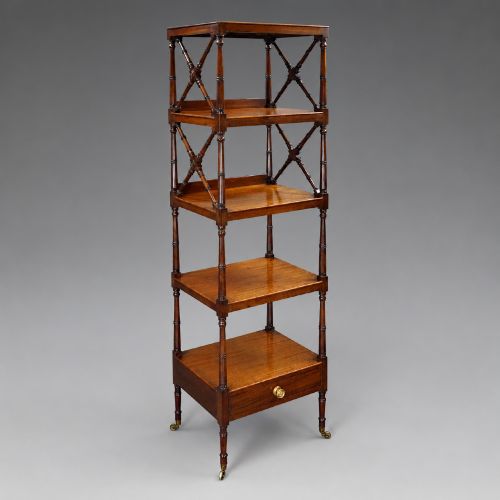
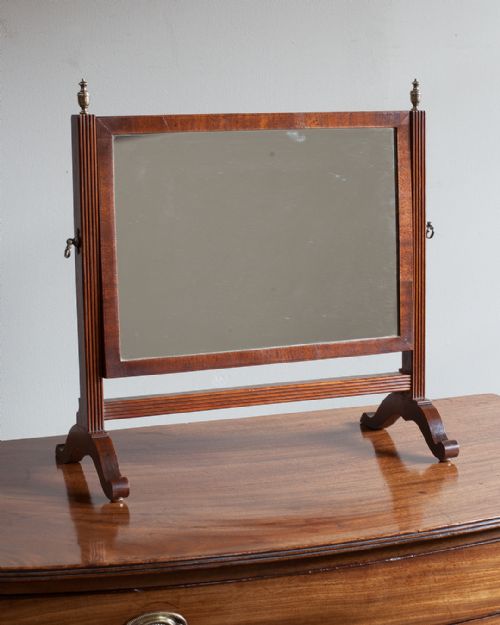
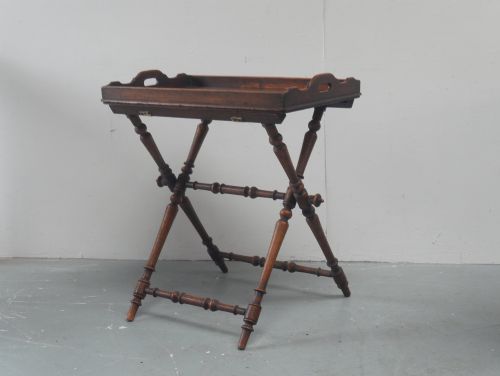
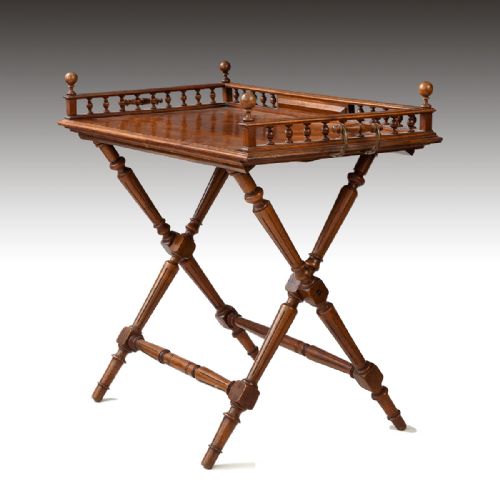
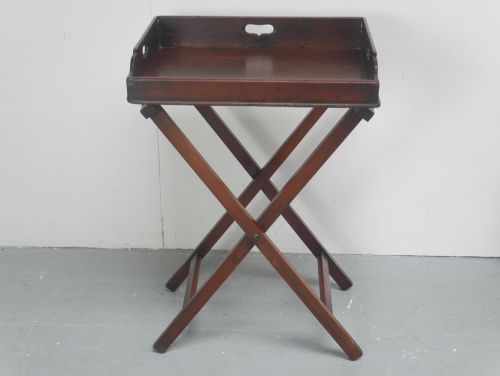
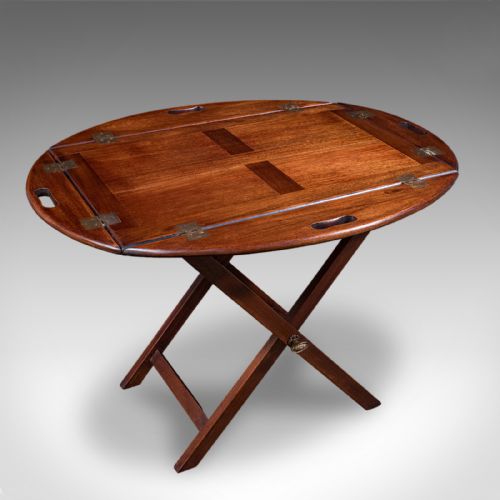
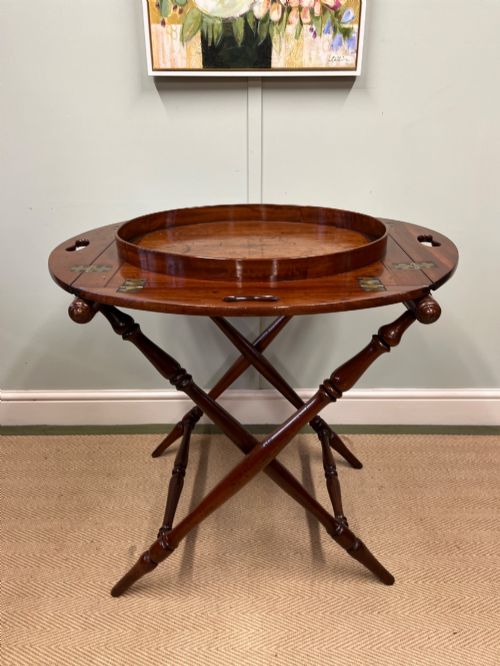
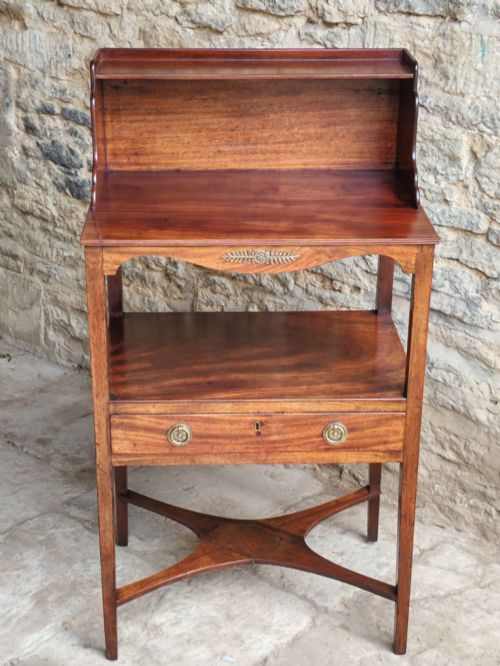
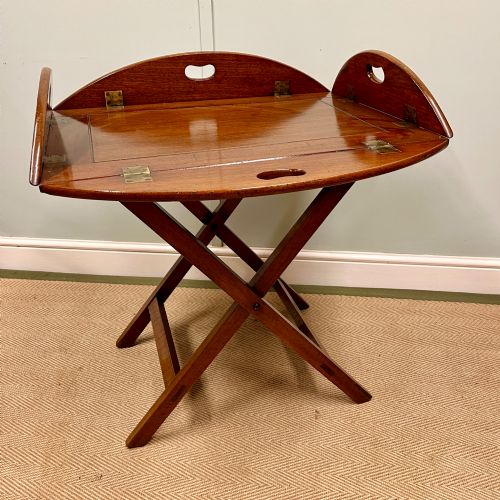
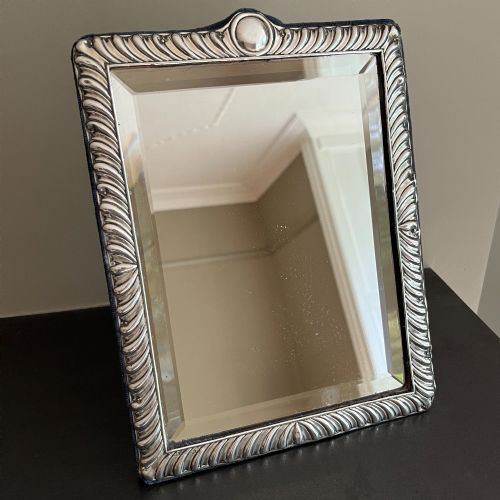
A standing table frame covers various elevated table forms and upright display pieces, including butler's trays on stands, dressing table mirrors, strut frames, and reliquary mirrors. These objects bridge the gap between portable items and stationary furniture, holding photographs, mirrors, cruet sets, or serving surfaces at a convenient height.
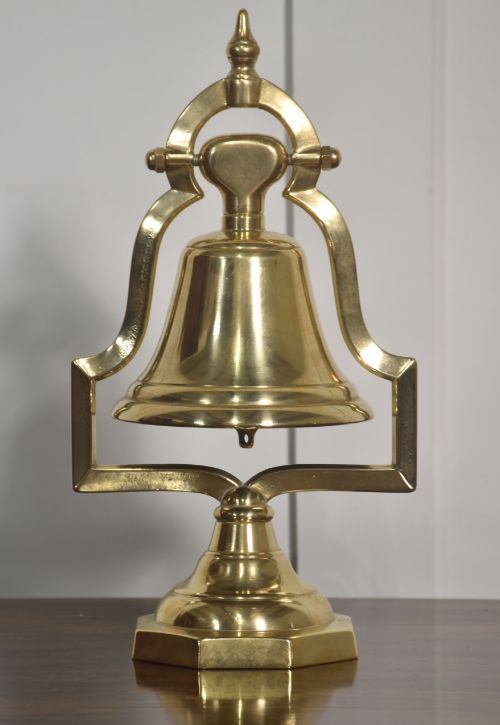
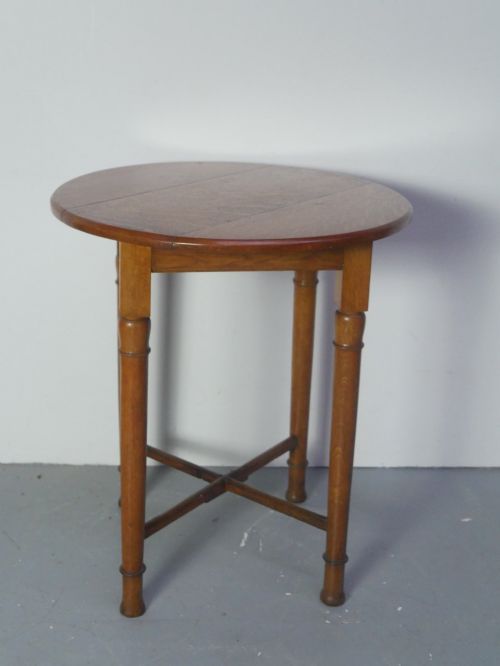
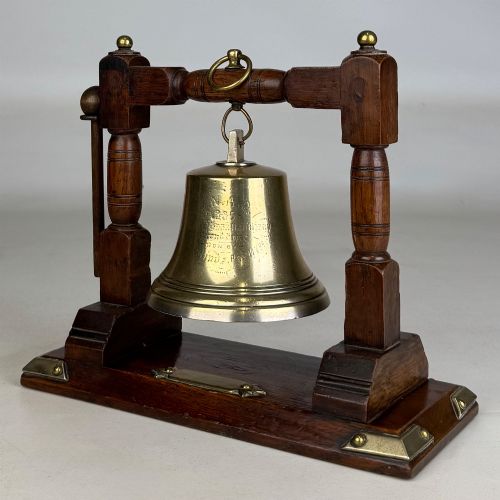
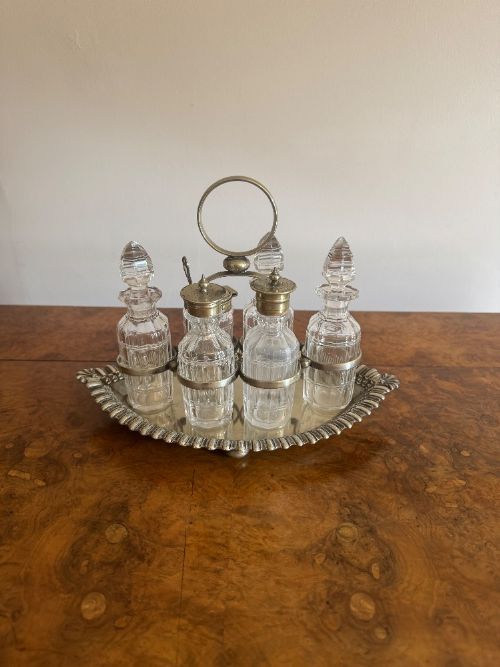
The pieces on this page span the Georgian, Regency, Victorian, and Edwardian eras, with nineteenth-century examples forming the core of the selection. Formats range from folding walnut tray tables and oak butler's stands to brass table bells and silver-plated cruet frames designed for dining and living rooms.
Buyers encounter numerous variations in function, from practical serving trays elevated on folding legs to decorative easel mirrors intended for dressing tables. Each form reflects the specific domestic habits of its period, whether for serving tea, displaying portrait photographs, or organising tabletop condiments.
Materials and construction
Makers utilised solid timbers such as mahogany, oak, and walnut for structural stands and tray bases, often employing traditional joinery like dovetailing and mortise-and-tenon connections. These woods were selected for durability and finished to highlight natural grain patterns.
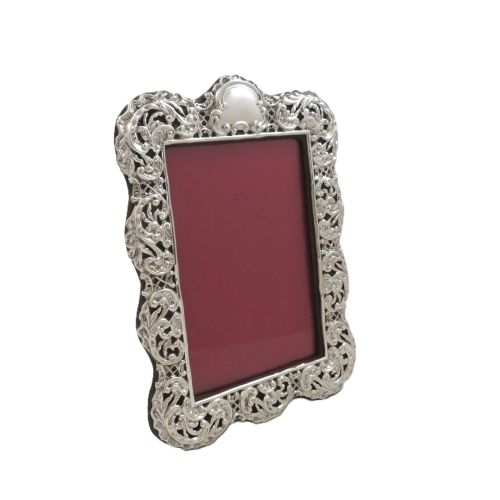
Metalwork and glass form essential components in many pieces, incorporating cast brass, sterling silver, silver plate, cut glass bottles, and mirrored plates. Repoussé decoration, piercing, and giltwood carving appear on frames and mirror surrounds, demonstrating period craftsmanship.
The inventory combines nineteenth-century oak and mahogany furniture with Edwardian silver-plated cruet sets, brass mirrors, and glass display frames.
Distinctions in quality
Quality rests on the integrity of the materials, the crispness of carved or embossed details, and the structural stability of the stand or frame. Superior examples display thoughtful proportions, well-matched timber grains, and finely chased metalwork rather than mass-produced uniformity.
Originality of components also dictates standing; pieces retaining their fitted glass bottles, matching stands, or period mirror plates hold greater integrity. The harmony between the upper display element and its supporting frame indicates the standard of original manufacture.
The Standing Table Frame Glossary
- Butler's tray
- A removable wooden tray with hinged or fixed sides, designed to sit upon a folding wooden stand for serving or display.
- Strut mirror
- A table mirror supported by an easel-like hinged prop or leg at the rear, popular in silver and brass during the Edwardian period.
- Cruet set
- A collection of glass bottles or cruets mounted in a silver or silver-plated metal frame for holding condiments at the dining table.
- Repoussé
- A metalworking technique where the metal is hammered from the reverse side to form a raised design in relief on the front.
- Giltwood
- Wood that has been coated with a thin layer of gold leaf or gesso and gold paint, common on decorative nineteenth-century frames.
Standing Table Frame: Frequently Asked Questions
What is a standing table frame used for?
These items serve multiple domestic functions, from holding photographic portraits and dressing table mirrors to supporting serving trays and condiment bottles.
They elevate everyday objects to eye level or convenient reach, combining practical utility with decorative display across living spaces.
How do I date a wooden butler's tray?
Dating relies on timber choice, construction methods, and hardware details visible on the tray and its folding stand.
Earlier Georgian pieces often feature rich mahogany with understated joinery, while later Victorian and Edwardian examples utilise oak or walnut with heavier hinges and varied edge profiles.
Are silver photo frames fragile?
Sterling silver and silver-plated frames feature thin metal fronts supported by wooden or velvet-backed structures with folding struts.
Careful handling prevents denting the soft metal and protects the structural backing materials from moisture.
Can I use an antique tray table daily?
Many tray tables and stands were built for robust daily service and remain structurally sound for contemporary use.
Checking the stability of the folding mechanism and protecting wooden surfaces from liquids ensures safe integration into modern rooms.