


Giltwood Oval Frame
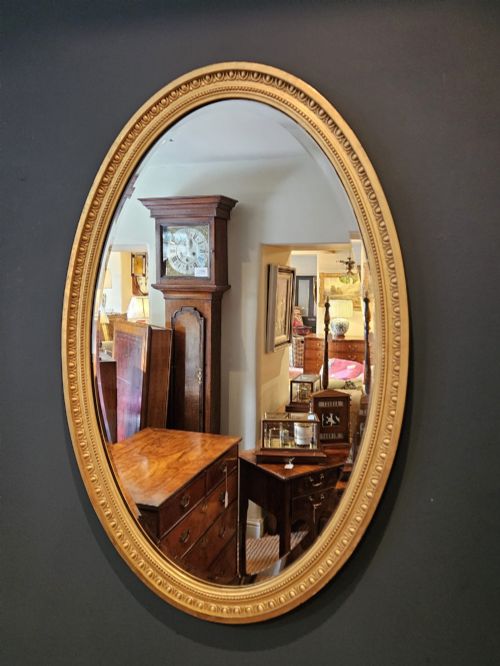
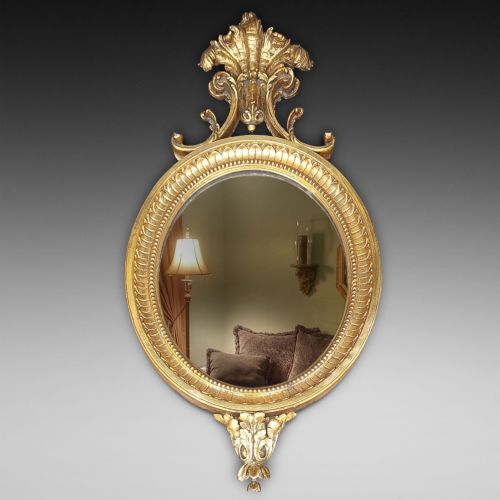
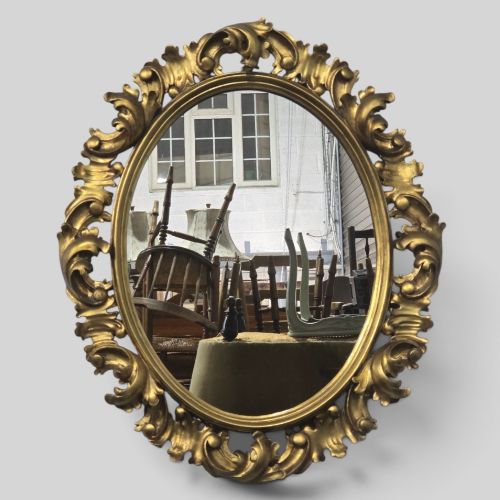
A giltwood oval frame brings warmth and reflected light to a room, holding centuries of mirror glass and portraiture within its curved borders.
Giltwood Oval Frame
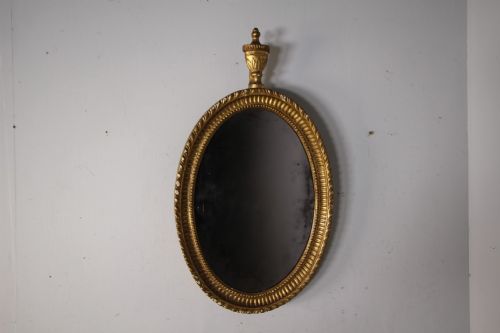
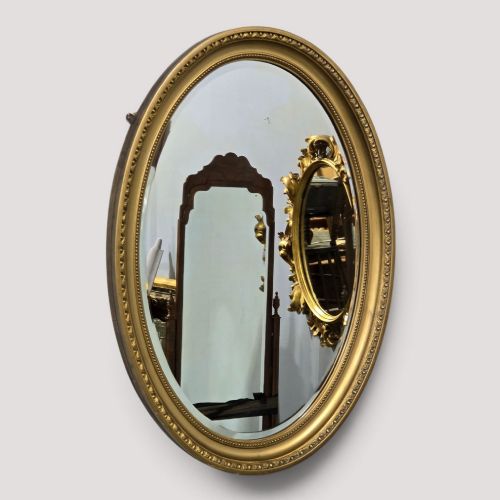
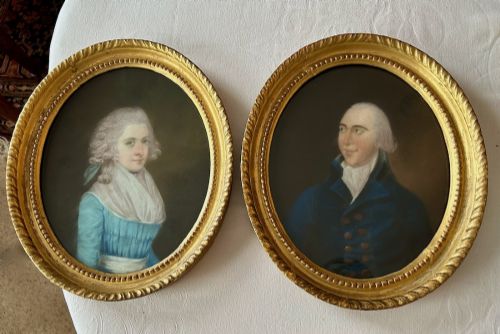
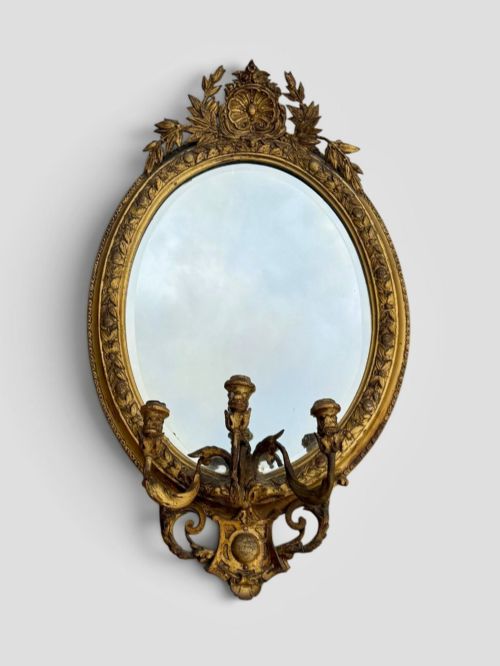
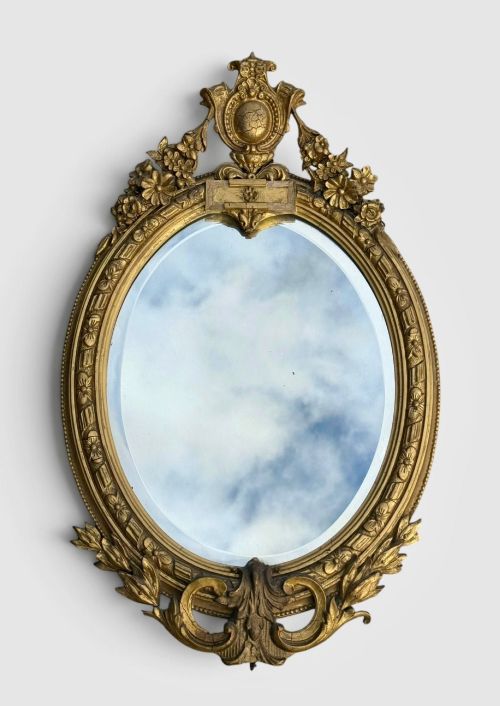
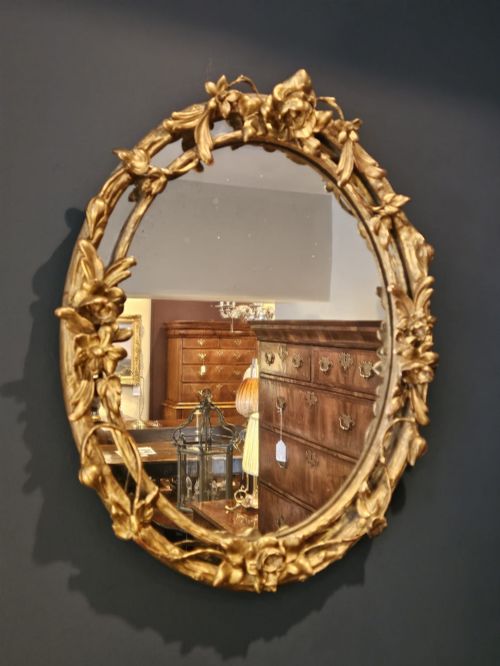
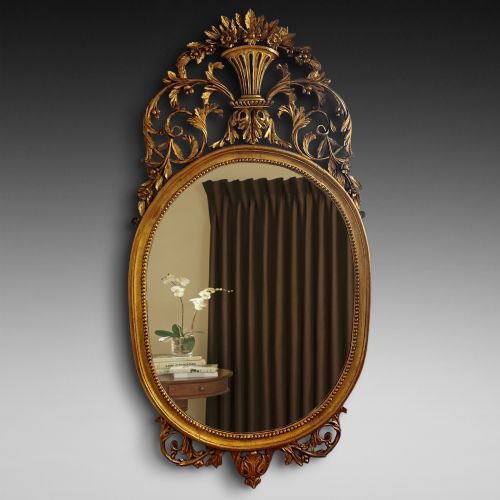
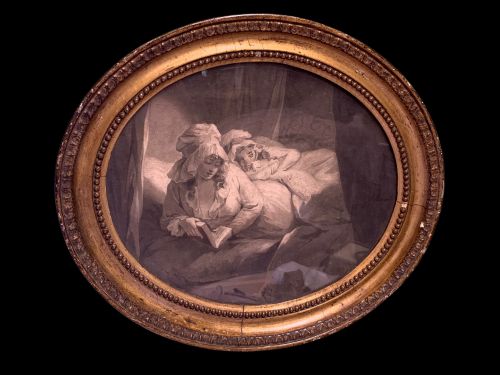
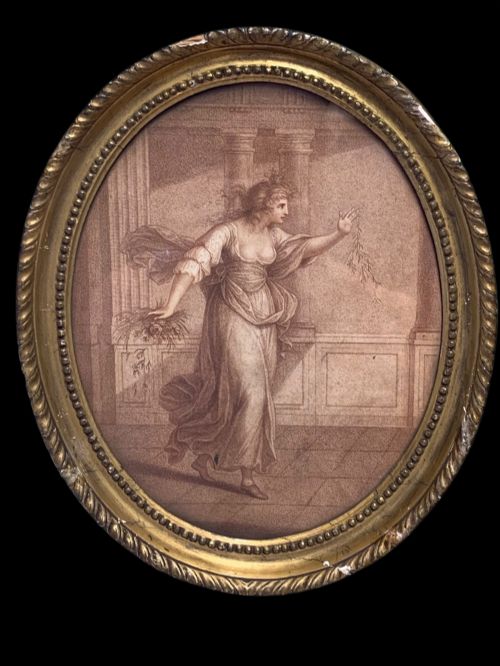
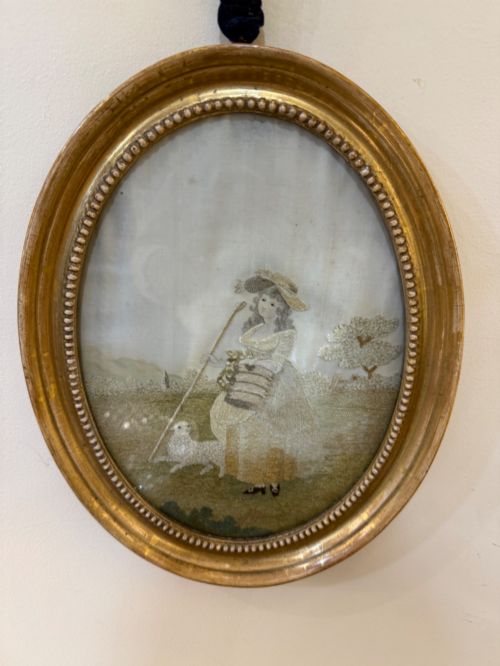
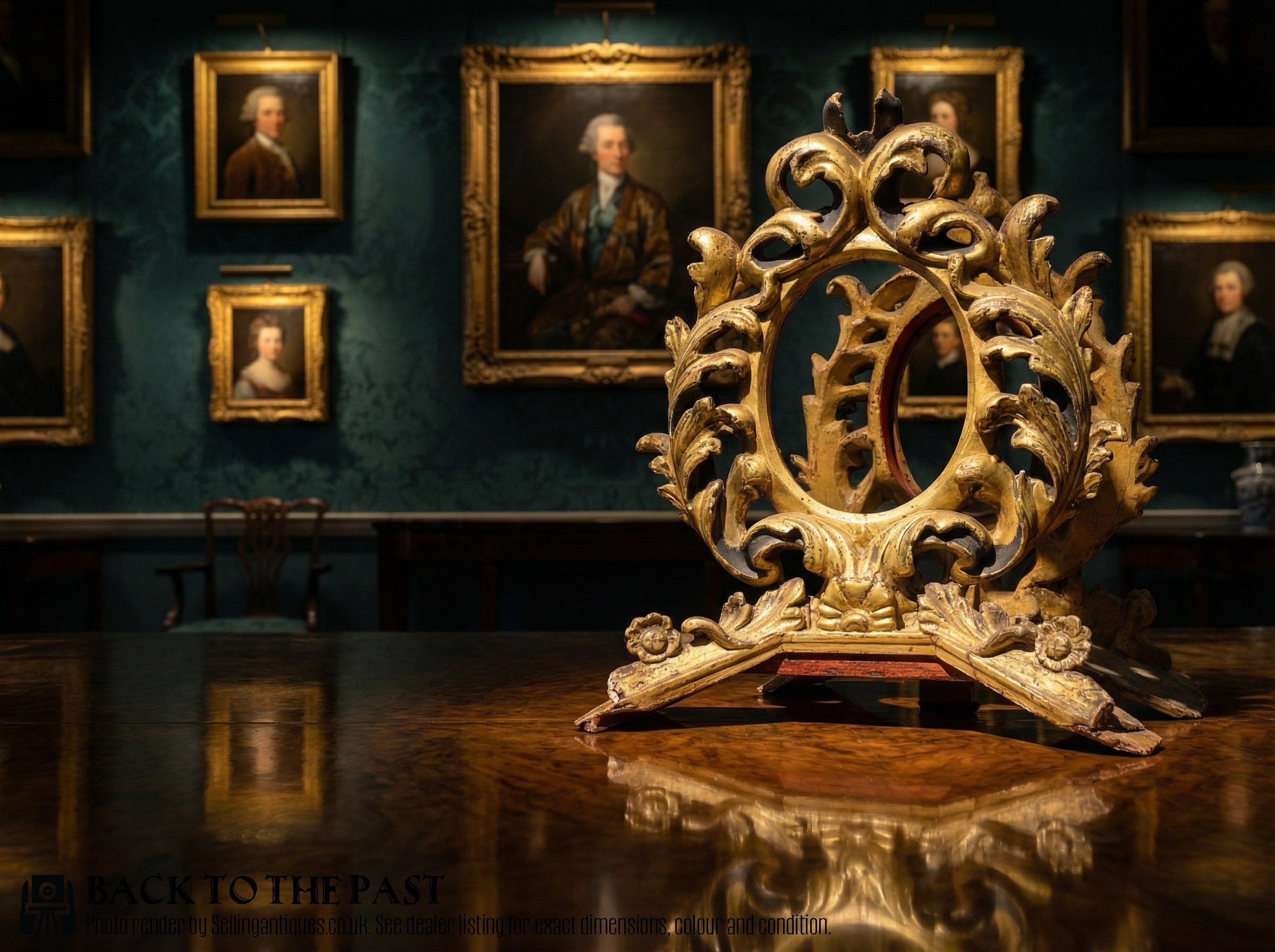
A giltwood oval frame encloses wall mirrors, oil paintings, pastel portraits, and framed prints from the Georgian, Victorian, and Edwardian eras. Buyers searching for a giltwood oval frame encounter wall mirrors and portraits spanning the eighteenth, nineteenth, and early twentieth centuries.
The domestic interior relies on these rounded silhouettes to soften rectilinear wall space, frequently appearing as large pier mirrors, overmantels, or smaller portrait surrounds. Examples range from eighteenth-century English carved wooden pieces to late-nineteenth-century gesso and parcel-gilt iterations.
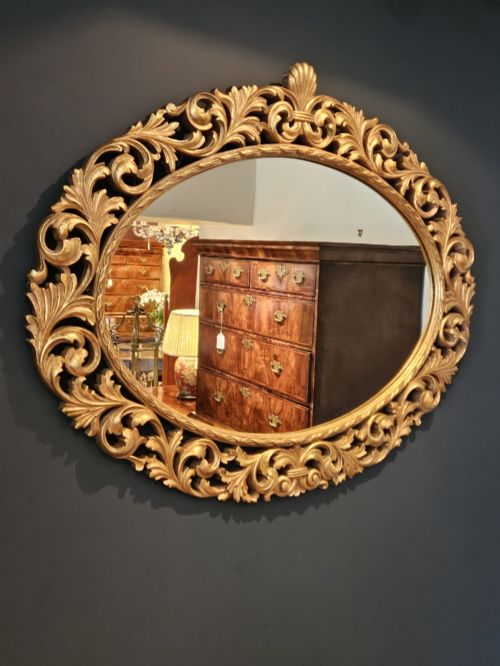
Stylistic revivals dominate the offerings, with Rococo Revival, French Neoclassical, and Grand Regency interpretations shaping the corpus alongside genuine period items. The oval format itself directs the eye toward the centre, whether framing a mercury glass mirror plate or a portrait of a gentleman.
Materials and Construction
Carved timber and wood provide the foundational structure for these pieces, overlaid with gesso to build up high-relief ornament such as vine leaves, ribbons, and floral motifs. Artisans applied thin layers of gold leaf or gilt onto the prepared gesso surfaces to achieve a luminous metallic sheen.
Early examples utilise heavy carved wood substrates with hand-applied gilding, whilst later nineteenth-century pieces often incorporate moulded plaster and gesso compositions over timber frames. Mercury plate glass appears in older mirror listings, distinguishable by its mottled, reflective depth compared to modern silvered glass.
Reflecting over three hundred years of domestic vanity, these frames have watched countless generations adjust their wigs, bonnets, and cravats.
Evaluating Quality
Depth of carving and crispness of detail separate superior examples from standard production, as hand-carved wooden ornament holds sharper definition than moulded plaster. The integrity of the original gold leaf surface, free from heavy repainting or excessive loss, dictates the visual authority of the piece.
The presence of original backing boards, untouched mercury mirror plates, or period canvas and paper contents adds historical coherence. Proportion and balance within the curved outline ensure the frame holds its architectural weight on the wall.
Thomas Murray·William Millar·Emily Eyres
The Giltwood Oval Frame Glossary
- Giltwood
- Timber coated with gold leaf or metallic powder to simulate solid gold. This finish catches candlelight and natural illumination in historic rooms.
- Gesso
- A plaster mixture applied to wood frames to create a smooth base for carving and gilding. It allows artisans to shape intricate relief decoration.
- Mercury Plate
- An early mirror glass backed with a tin-and-mercury amalgam before the invention of modern silvering. It yields a distinctive, slightly clouded reflection.
- Parcel-Gilt
- A decorative treatment where only specific raised portions of a frame are gilded, leaving an underlying ebonised or polished wood visible elsewhere.
- Girandole
- A wall mirror featuring attached candle sconces designed to multiply ambient light. The reflective surface amplifies the glow from the candles.
Giltwood Oval Frame: Frequently Asked Questions
How do I date a giltwood frame?
Dating relies on the underlying construction materials, the weight of the timber, and the style of the gesso ornament. Georgian and Regency pieces typically show hand-carved wooden details, whilst Victorian examples frequently employ moulded plaster compositions.
Examination of the fixings, backing boards, and the ageing of the mirror plate or artwork provides further confirmation of the period.
What is mercury glass?
Mercury glass refers to mirror plates produced using a tin and mercury backing technique prevalent before the mid-nineteenth century. This method creates a warm, slightly uneven reflection with characteristic dark speckling.
Original mercury plates are prized by collectors for the atmospheric depth they bring to antique mirrors.
Where should I hang an oval mirror?
An oval mirror suits spaces that benefit from softened geometry, such as above a mantelpiece, in a hallway, or as a focal point between windows. The curved silhouette breaks up the rigid lines created by wall panels and rectangular furniture.
Placement should consider the light source to maximise the reflective qualities of the gilt surface.
How do I care for antique giltwood?
Giltwood requires gentle maintenance using a dry, soft brush to remove dust from the intricate carved recesses. Moisture and harsh cleaning agents must be avoided to prevent lifting the delicate gold leaf and gesso layers.
Stable indoor humidity protects the underlying timber and prevents the gesso from cracking over time.