

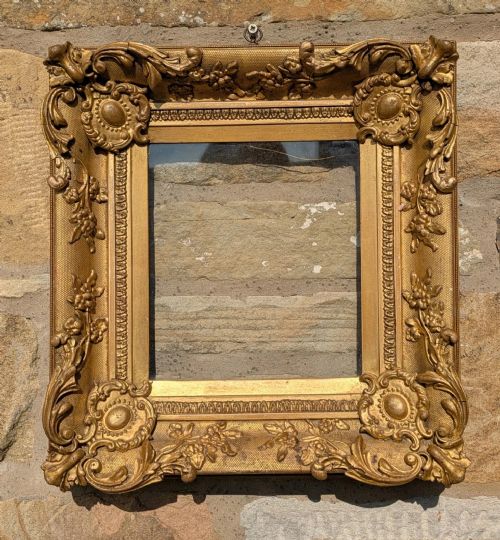


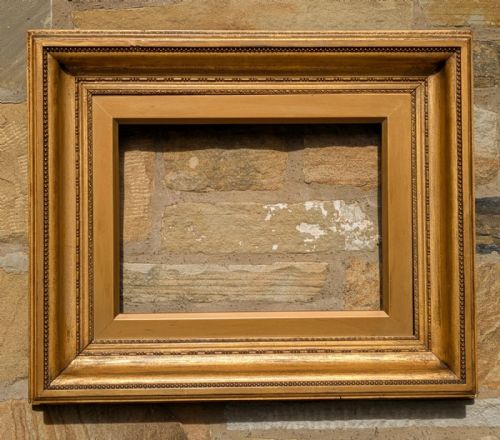
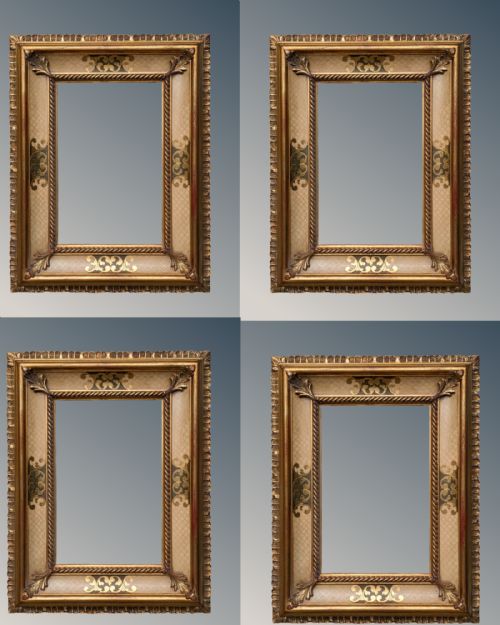


Ornate Gold Photo Frame
An ornate gold photo frame brings warmth and deep metallic lustre to a room, framing personal portraits in rich historic styles.
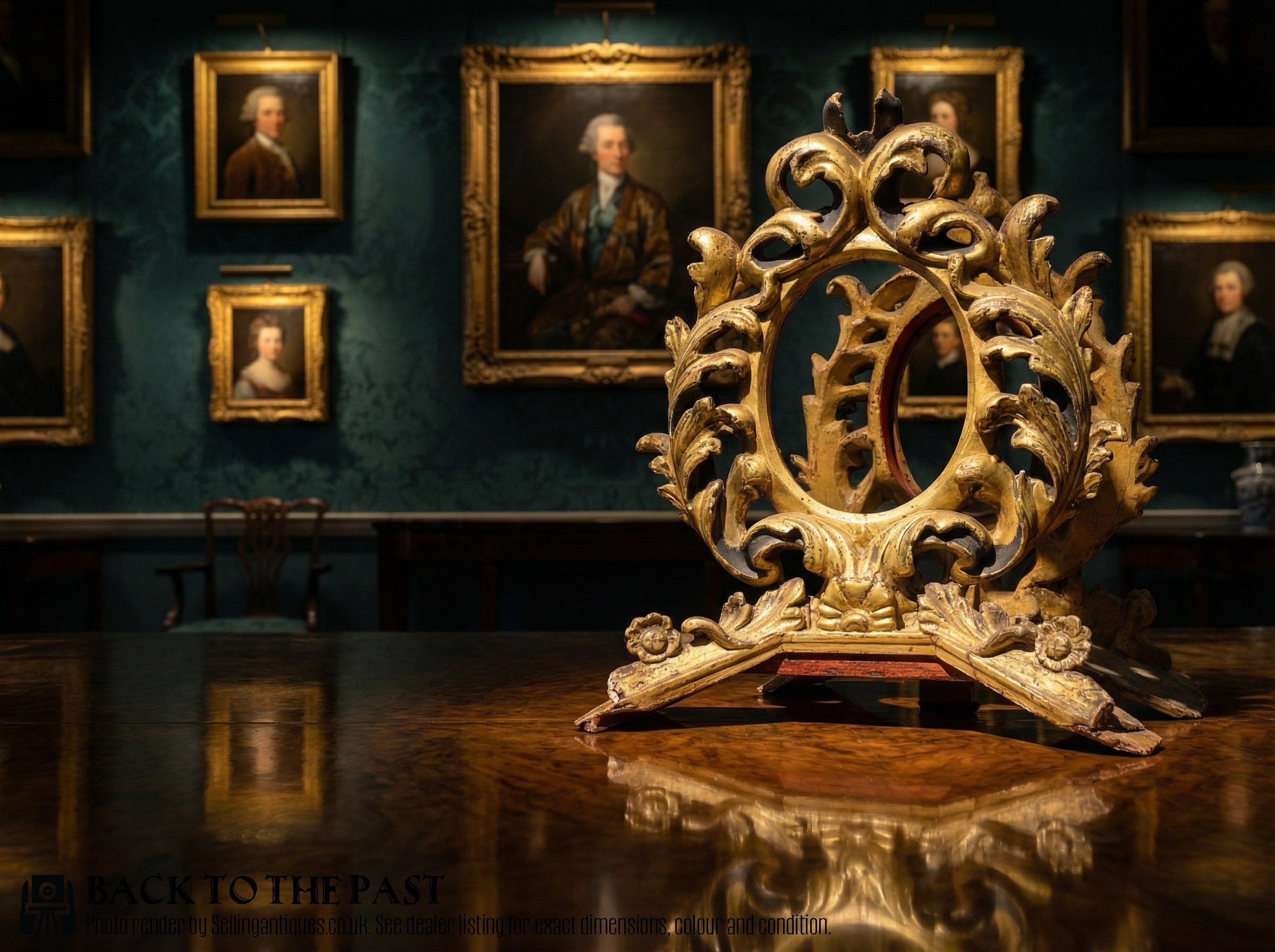
Ornate Gold Photo Frame
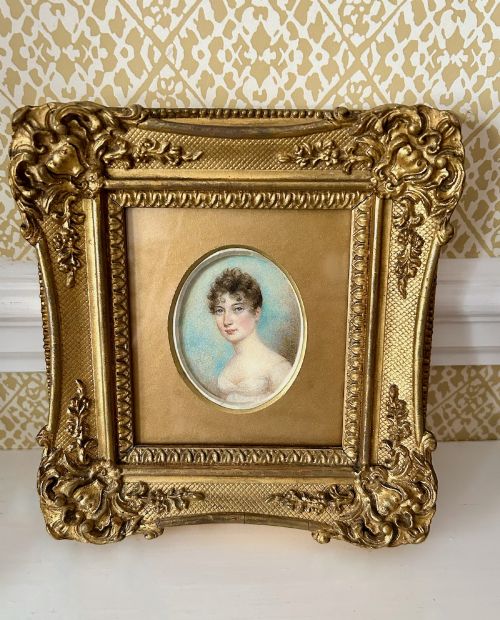
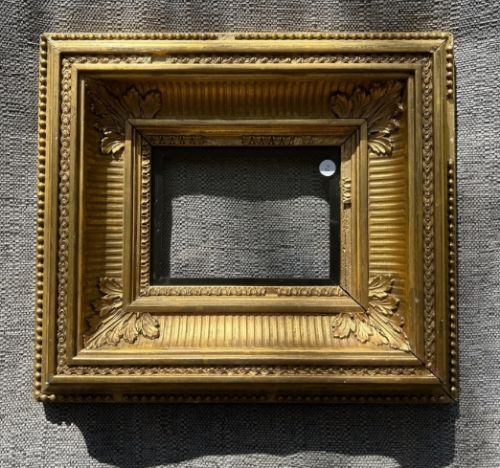
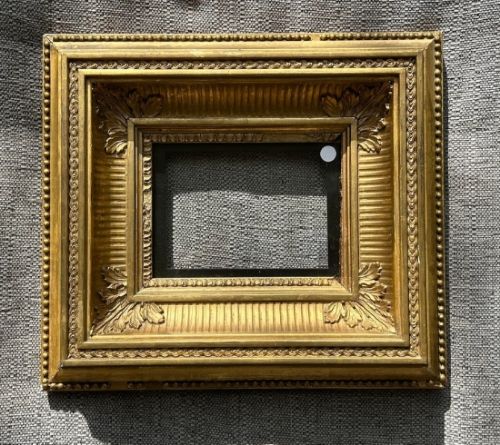
When searching for an ornate gold photo frame, a buyer encounters a diverse selection of historic framing pieces spanning the seventeenth century through to the early twentieth century. These items include both dedicated tabletop photo frames with easel backs and small picture frames repurposed for portraits.
The Victorian era dominates the selection, bringing heavy ornamentation and revival styles to the table alongside earlier Italian Baroque and French Empire influences. Pieces range from diminutive lockets and double frames to deep mouldings designed to hold paintings or photographs.
Materials and construction
Makers built these frames using timber or gesso as a base before applying gold leaf, giltwood, or gilt bronze finishes. Gilding techniques provided the brilliant metallic surfaces that defined ornate interior decor across multiple centuries.
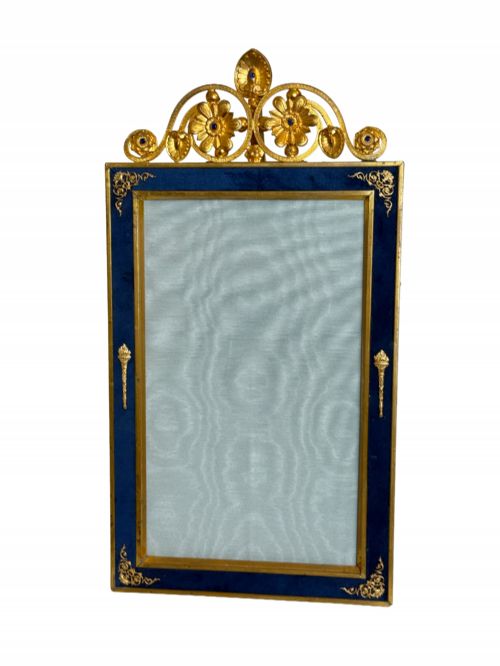
Detailing often involved carved woodwork, applied gesso ornamentation, or cast ormolu mounts. Materials such as velvet, glass, and agate appeared in combination with the gilt metal to house and protect the portrait within.
Ornate Gold Photo Frame Retail Price Guide 2026
Typical asking prices for ornate gold photo frame among the pieces listed under this phrase on Sellingantiques today, from the lower quarter to the upper quarter. They describe what is for sale here now, not the wider market.
Judging quality in historic frames
Quality rests on the crispness of the carving or casting and the depth of the gilding. Superior examples display sharply rendered motifs, whether floral scrolls or Napoleonic bees, rather than soft or muddy relief work.
The integrity of the underlying material and the finish dictates the lasting appeal. Heavier construction and thoughtful assembly of elements like easel backs and bezels separate standard items from finer works.
The Ornate Gold Photo Frame Glossary
- Giltwood
- Wood that has been coated with gold leaf or a gold-coloured finish. This method creates the luminous appearance seen on traditional decorative frames.
- Gesso
- A plaster-like material applied to wood bases and carved or moulded into intricate patterns before gilding. It allows for sharp relief details on ornate mouldings.
- Ormolu
- Finely chased gilt bronze used for decorative mounts and frames. The technique produces a rich golden finish popular in French and English luxury goods.
- Crystoleom
- A method of applying a photograph to glass, painting it from behind, and making it transparent. These painted photographs frequently appear inside Victorian frames.
Ornate Gold Photo Frame: Frequently Asked Questions
How do I date an ornate gold photo frame?
Dating relies on examining the construction methods, backing materials, and stylistic cues present in the moulding or cast metal. Victorian pieces often feature heavy gesso or distinct brass easel mechanisms, whereas seventeenth or eighteenth-century examples show hand-carved timber construction.
Hardware such as screws, hinges, and glass types also provide clues to the period of manufacture. Comparing the decorative vocabulary, such as Art Nouveau whiplash lines or Baroque scrolling, helps narrow down the age.
Can these frames hold modern photographs?
Many historic frames accommodate modern pictures, though aperture sizes and depths vary due to their original bespoke nature. Tabletop easel versions usually allow straightforward access to the back for inserting portraits.
Care should be taken not to force modern glass or thick backing boards into antique rebate channels. Adjusting the fit gently ensures the historic frame remains undamaged while displaying a new photograph.
How should I clean a gilt frame?
Dusting gently with a soft, dry brush is the safest method for maintaining historic gilt surfaces. Moisture and modern cleaning chemicals can damage fragile gold leaf and underlying gesso.
Avoid rubbing the metallic finish, as the historic layer can easily wear away. Professional conservation advice should be sought if deeper cleaning is required.
What is the difference between a picture frame and a photo frame?
Traditional picture frames were typically constructed to hang on walls and house artworks or portraits on canvas or panel. Photo frames often incorporate built-in easel backs for tabletop display and protective glass covers.
Many smaller wall frames have been adapted over time to function as photo holders. The presence of a sturdy stand or easel mechanism usually distinguishes a dedicated photo frame.