




Carved Wooden Display Frame
These carved wooden display frame examples give your home tactile depth, housing everything from maritime dioramas to ornate mirrors.
Carved Wooden Display Frame
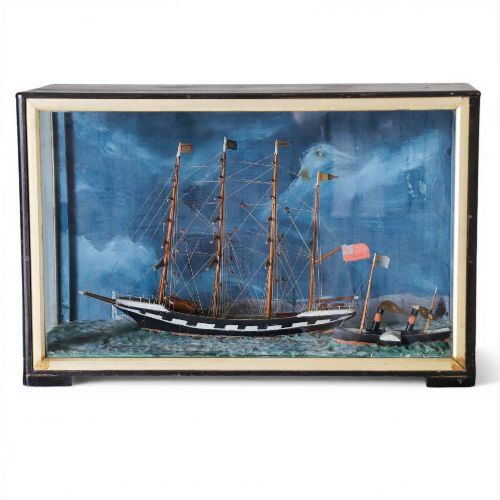
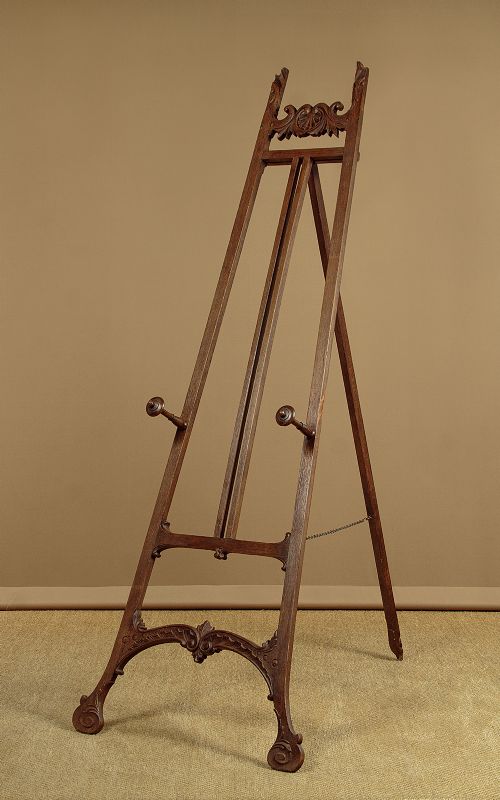
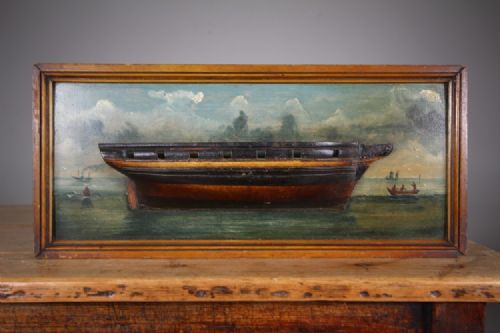
When you search for a carved wooden display frame, you encounter a diverse range of objects designed to hold, protect or showcase treasured items. The selection spans the nineteenth century up to the mid twentieth century, drawing on Victorian, Edwardian and Italian Baroque styles. Forms include maritime dioramas, display easels, plate racks, overmantel mirrors and picture frames.
You are most likely to meet nineteenth century maritime dioramas, Black Forest frames, and mahogany overmantel mirrors on this page. These pieces frequently incorporate materials such as oak, mahogany, gesso and glass, reflecting both folk art traditions and formal decorative arts. Each object serves a dual purpose as structural woodwork and ornamental housing.
The origins of these items cross domestic utility and maritime craftsmanship, encompassing prisoner of war pieces, folk art and formal Italian carving. Whether housing a sailing ship diorama or framing a mirror, the woodwork defines the character of the piece. Buyers select these items to bring period texture and three dimensional interest to interior spaces.
How they were made
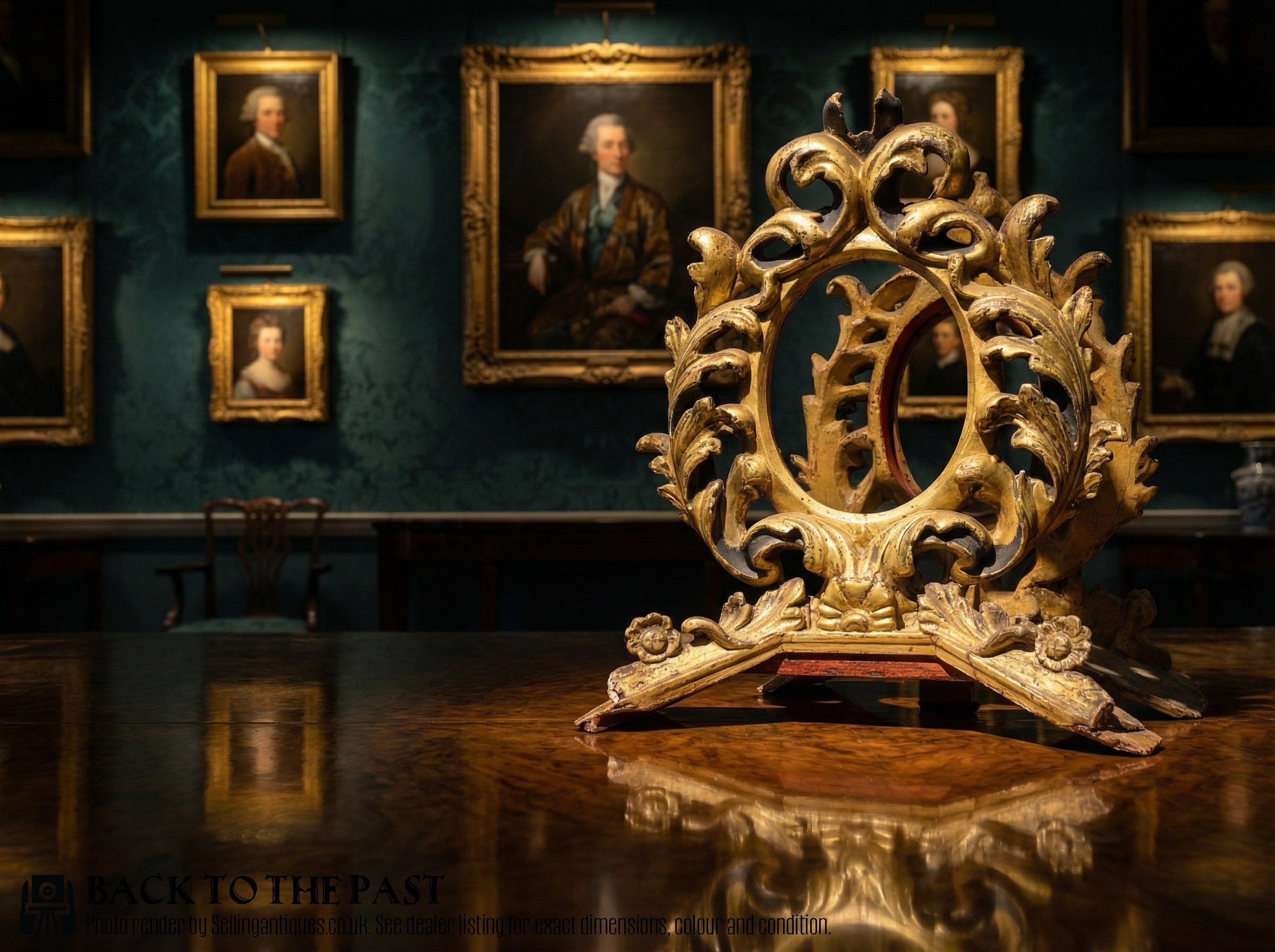
Makers shaped these items using traditional woodworking techniques applied to solid timbers like oak and mahogany. Hand carving defined the ornamentation, visible in the floral motifs of Black Forest pieces and the scrolling details of Italian Baroque frames. Joinery methods varied from simple pegged construction in folk art dioramas to more elaborate joinery in large overmantel mirrors.
Surface finishes relied heavily on paint, gilding over gesso and polished wood to protect the material and enhance visual depth. Maritime shadow boxes and dioramas required interior painting, often depicting seascapes to complement the model ships within. Plaster and metal components occasionally reinforced structural elements or added decorative relief to the frames.
Carved Wooden Display Frame Retail Price Guide 2026
Typical asking prices for carved wooden display frame among the pieces listed under this phrase on Sellingantiques today, from the lower quarter to the upper quarter. They describe what is for sale here now, not the wider market.
Prisoners of war found solace in carving intricate wooden dioramas during long confinement.
What varies in quality
The standard of carving distinguishes exceptional examples from simpler utilitarian items, separating delicate hand pierced work from coarse execution. Crisp detail in the gesso and gilt work of Baroque frames indicates superior craftsmanship, whereas worn or clumsily repaired surfaces alter the visual impact. The complexity of the subject matter, such as multi masted sailing ship dioramas versus basic plate racks, dictates the ambition of the piece.
Material selection plays a primary role in the standing of each object, with dense hardwoods like mahogany and figured oak commanding greater presence than softer pine or basic timbers. The integrity of the glass, the preservation of original painted surfaces, and the stability of the wooden structure all contribute to the overall execution. Preserved folk art items rely on authentic patination and intact structural components to maintain their character.
The Carved Wooden Display Frame Glossary
- Gesso
- A plaster based mixture applied to wood surfaces as a smooth base for gilding or painting. It allows carvers to achieve crisp relief details before applying gold leaf.
- Black Forest
- A regional style of woodwork originating from the mountainous European region, known for deep relief carvings of natural subjects. These pieces often feature animals, foliage and rustic motifs.
- Diorama
- A three dimensional scene housed within a protective box or frame, frequently featuring model ships and painted backdrops. Maritime versions often use carved wooden hulls and layered materials to simulate water.
- Overmantel mirror
- A large looking glass designed to hang directly above a fireplace mantel, often framed in carved mahogany or gilt wood. They serve to reflect light and anchor the decorative scheme of a room.
- Trench art
- Decorative items created by soldiers, prisoners of war or civilians from wartime materials and debris. These pieces often involve intricate carving or metalwork produced under restricted conditions.
Carved Wooden Display Frame: Frequently Asked Questions
What is a maritime diorama?
A maritime diorama is a three dimensional display housed inside a wooden frame or shadow box, depicting sailing ships and seascapes. These pieces combine carved wooden ship models with painted backdrops to create realistic nautical scenes.
Craftsmen often built them during the nineteenth century, utilising glass fronts to protect the delicate rigging and model components from dust and damage.
How do I style an overmantel mirror?
An overmantel mirror hangs securely above a fireplace mantel to act as the primary focal point of a room. Its substantial wooden frame reflects natural light and balances the heavy architectural weight of the hearth.
You can pair these mirrors with simple mantel ornaments to avoid visual clutter, letting the carved mahogany or Victorian detailing stand out.
What defines Black Forest woodwork?
Black Forest woodwork is characterised by deep, naturalistic hand carving depicting foliage, animals and rustic scenes. Artisans in the nineteenth century utilised native timbers to create frames, easels and decorative objects with pronounced three dimensional relief.
These pieces bring a distinct organic texture to interiors and showcase high levels of traditional carving skill.
How do I care for antique wooden frames?
Antique wooden frames require stable environmental conditions away from direct sunlight and excessive humidity to prevent wood splitting. Dusting them gently with a dry, soft cloth preserves the original polish and surface patination without introducing moisture.
Avoid using modern chemical polishes, as these can damage gesso, gilt layers and aged wooden finishes over time.