



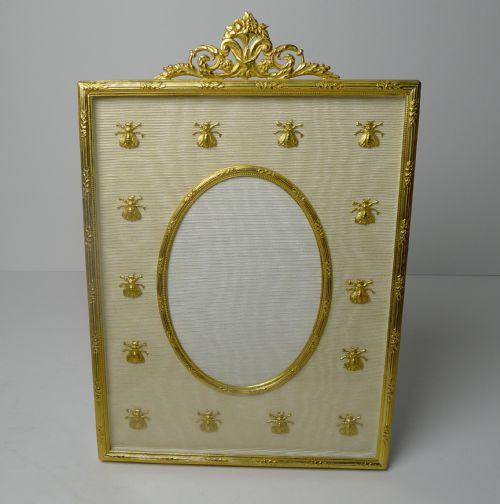
Antique Photo Aperture
These antique photo aperture pieces are decorative frames designed to hold cherished portraits, offering a tangible link to past eras.
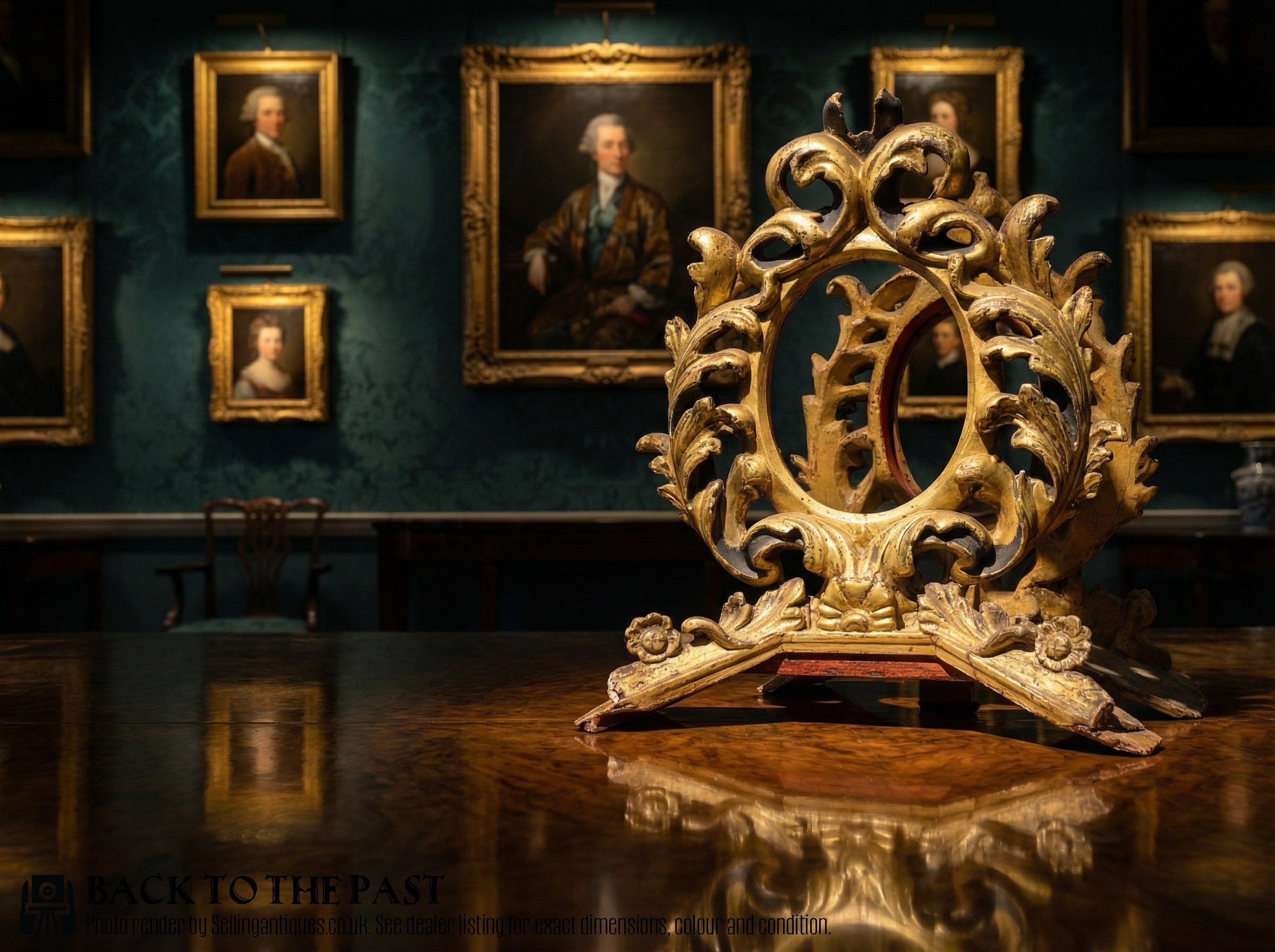
Antique Photo Aperture
When you search for antique photo aperture, you are looking at domestic display items intended to showcase portrait photographs and miniature pictures. These objects range from modest personal tokens to grand, ornate display pieces that dominated parlour mantelpieces and writing desks.
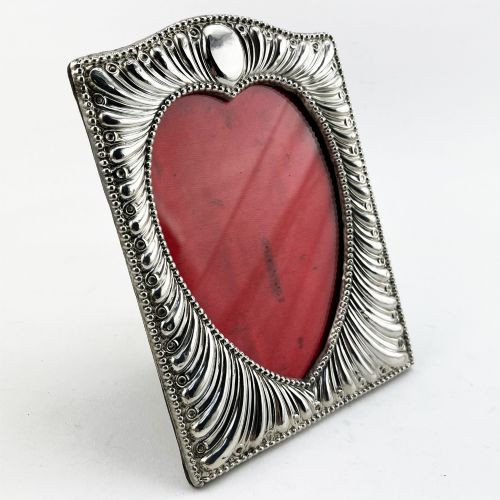
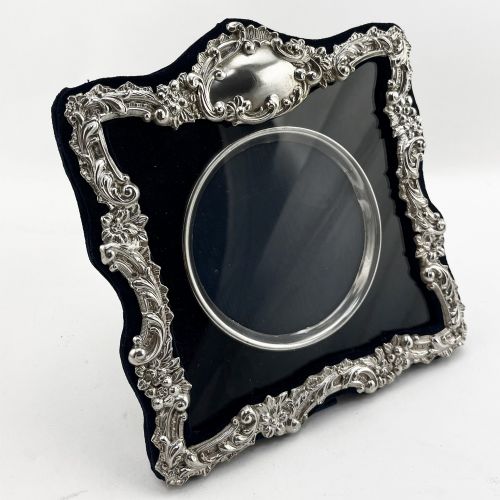
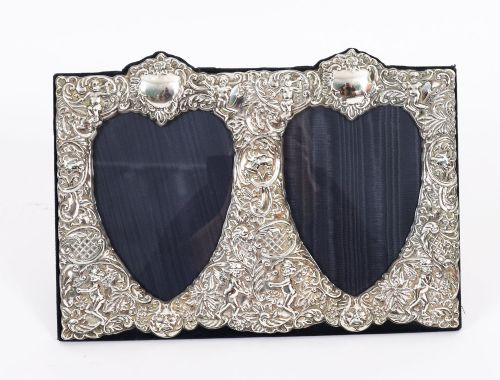
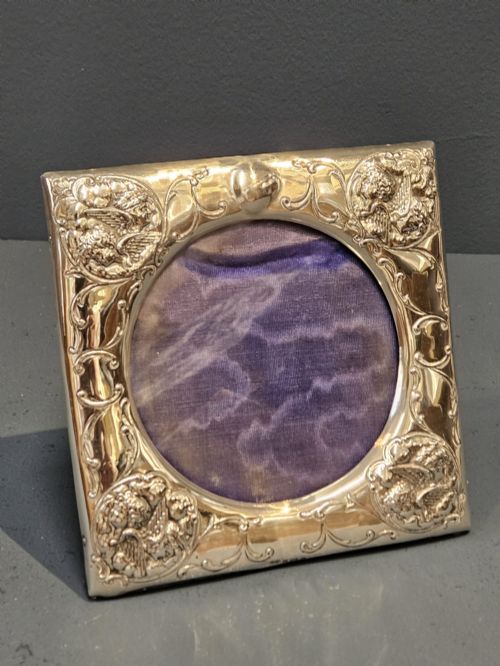
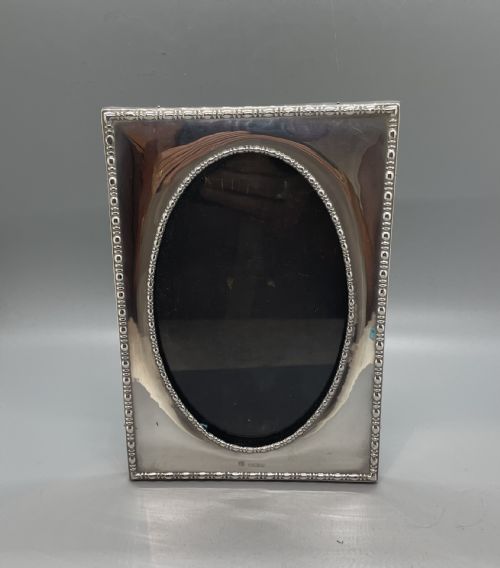
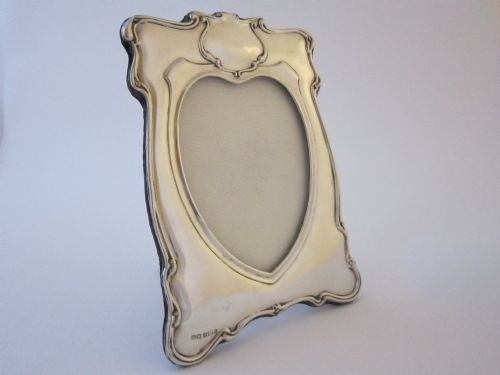
On this page, the version you are most likely to meet is the Edwardian silver photo frame, frequently marked with hallmarks from regional assay offices such as Birmingham and Sheffield. These examples often feature embossed or engraved decoration, sometimes adopting the flowing botanical lines of the Art Nouveau style.
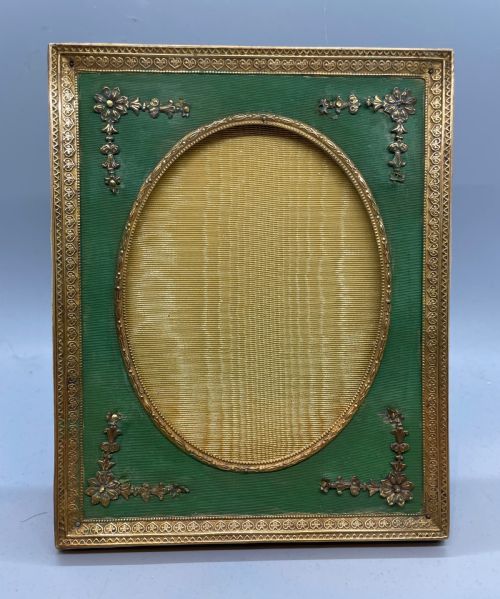
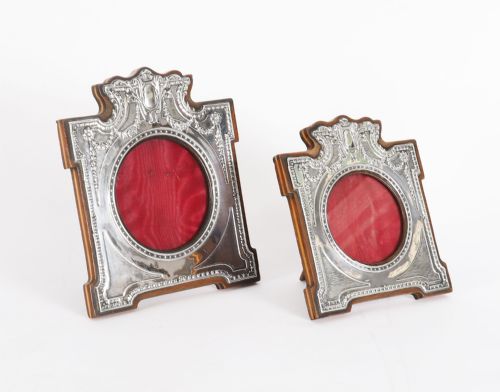
Alongside silver, the selection includes gilt bronze, ormolu, and carved wood configurations stretching back from the nineteenth century into eighteenth century Italian Baroque forms. Picture frames and photo frames appear in various shapes, including heart, oval, and rectangular formats, lined with fabric interiors like velvet and silk.
Materials and construction methods
Sterling silver provides the primary metallic medium for many of these pieces, shaped through pressing, embossing, and hand engraving. Silversmiths utilised wooden backs covered in fabric, such as velvet and silk, to support the structure and protect the photograph within the aperture.
Foundry-cast ormolu and gilded bronze serve as the foundation for heavier French and revival styles, often incorporating detailed cast motifs like Napoleonic bees. Carved wood and tramp art constructions rely on layered joinery and meticulous hand-tooling to create deeply textured geometric surfaces.
Antique Photo Aperture Retail Price Guide 2026
Typical asking prices for photo aperture among the pieces listed under this phrase on Sellingantiques today, from the lower quarter to the upper quarter. They describe what is for sale here now, not the wider market.
Materials span sterling silver, ormolu, velvet, and carved wood, reflecting periods from the eighteenth to the early twentieth century.
Distinctions in craftsmanship and design
The degree of hand finishing on the metalwork separates standard production items from finer studio pieces. Crispness in the cast or embossed details, particularly around botanical motifs and heraldic elements, indicates superior execution by the maker.
The integrity of the structural components, including the inner fabric linings and the stability of the wooden or metal easel backs, determines the physical survival and usability of the frame over time.
Mappin Bros·Henry Matthews·Boin Taburet
The Antique Photo Aperture Glossary
- Aperture
- The open window in the frame through which the photograph is viewed. This space is typically protected by a fitted glass pane.
- Ormolu
- A gilded bronze technique popular in French decorative arts. It provides a bright golden surface finish on cast metal objects.
- Planished
- A metalworking finish achieved by hammering the surface with a flat-faced tool. This creates subtle, reflective facets across the silver.
- Tramp art
- A folk art carving style utilising notched chips of wood removed from discarded packing boxes. These pieces feature distinctive layered geometric patterns.
- Hallmark
- An official stamp applied to precious metals indicating the standard of purity and the place of assay. It helps date silver items accurately.
Antique Photo Aperture: Frequently Asked Questions
What is an antique photo aperture?
An antique photo aperture is the framed opening designed to display a portrait photograph or miniature painting from past centuries. These items serve both a decorative and a protective function for paper images.
Most examples found today date from the late nineteenth and early twentieth centuries, constructed from sterling silver, ormolu, or carved wood.
How do I date an Edwardian silver frame?
You can date an Edwardian silver frame by examining the hallmarks stamped into the metal, which indicate the assay office and the specific year of testing. Stylistic clues such as Art Nouveau botanical motifs also point towards the early twentieth century.
Makers' marks further help pinpoint the exact workshop responsible for the piece.
What materials were used for backing?
Backings on these frames typically consist of wood covered in tactile fabrics such as velvet, silk, or damask. These materials held the photograph firmly against the glass aperture.
Original backings often feature hinged wooden struts that allow the frame to stand upright on a surface.
How should I display these frames?
These frames are best placed on stable surfaces away from direct sunlight to protect both the metal finish and any enclosed paper photographs. Handling them gently by the outer edges preserves the delicate silver or gilt surfaces.
Regular, careful dusting with a soft cloth maintains the condition of the chased and embossed details.