
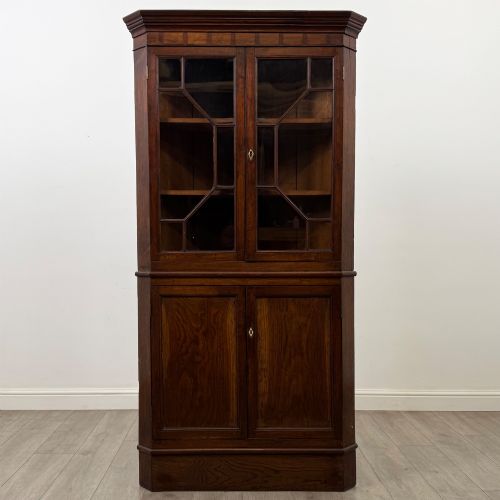

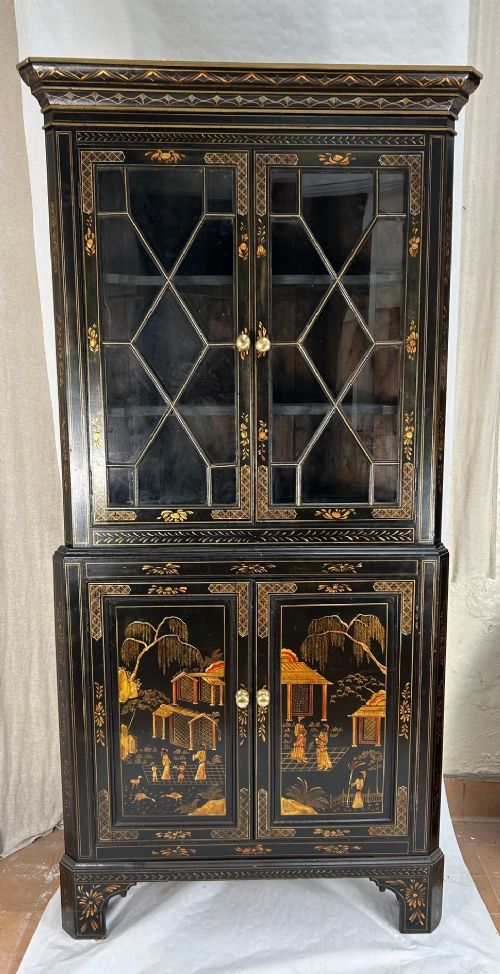
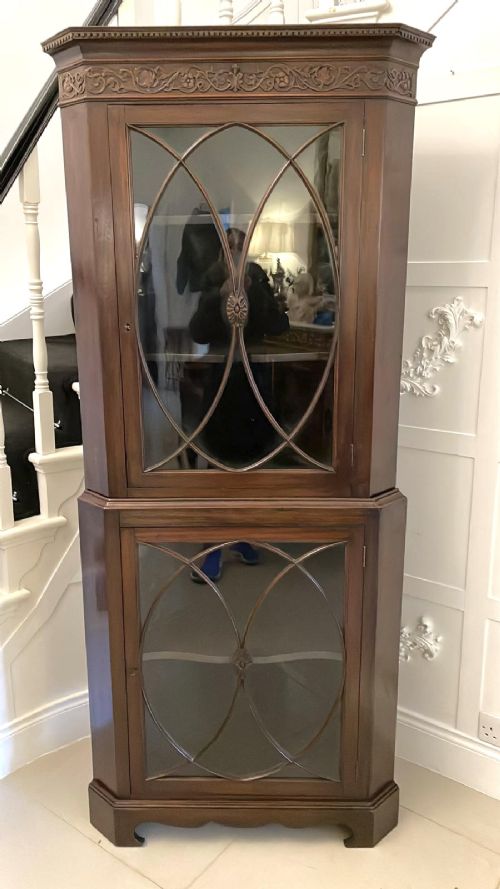
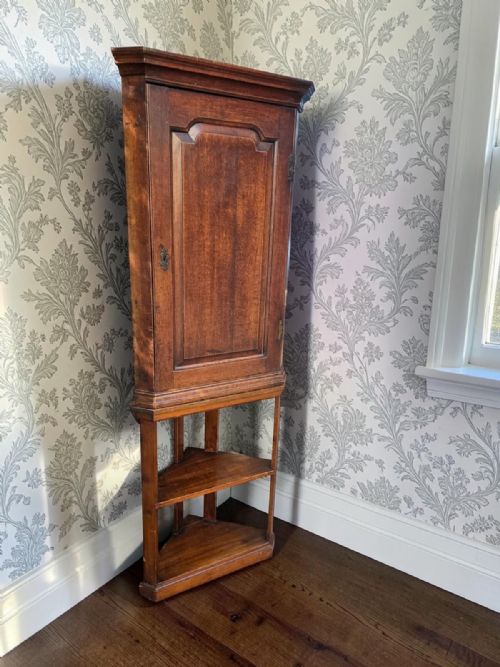
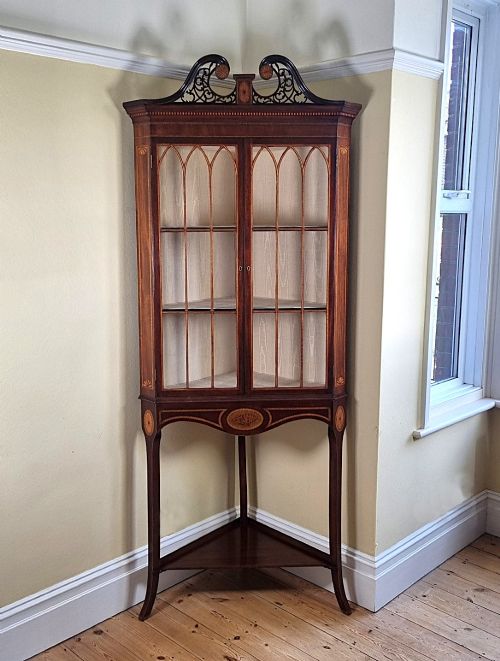
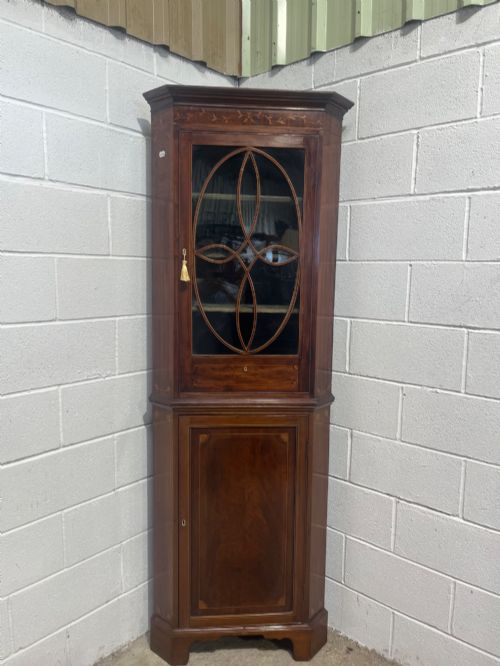
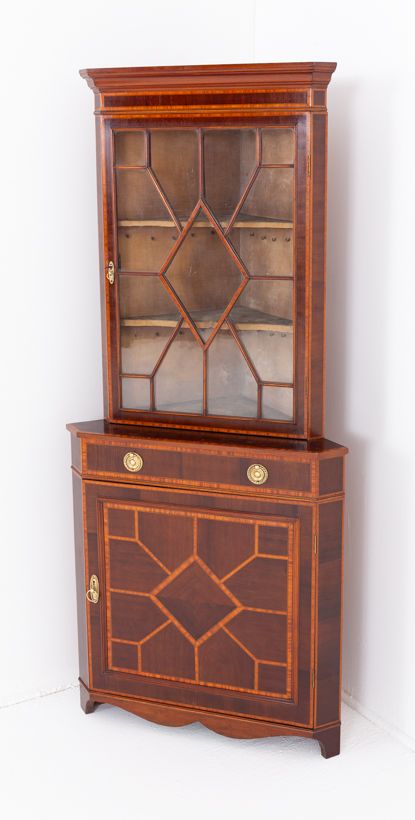
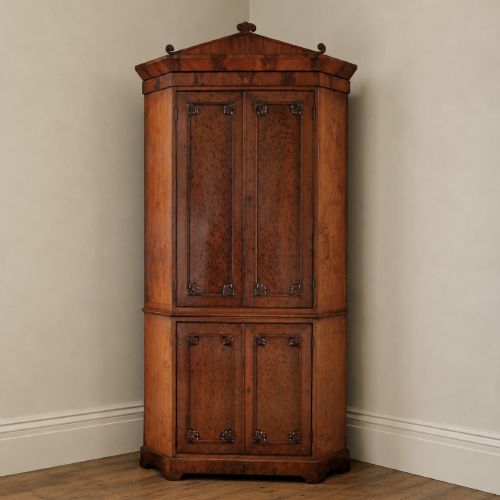
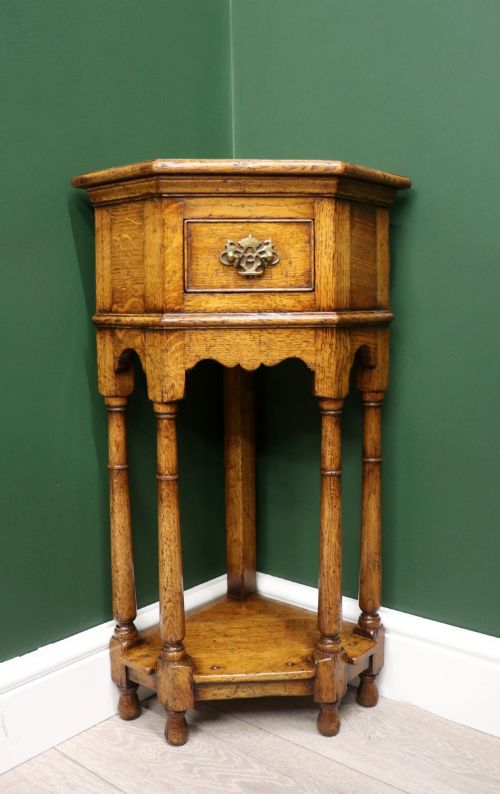
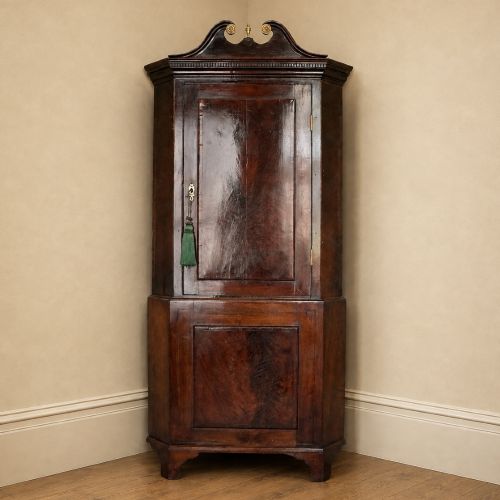
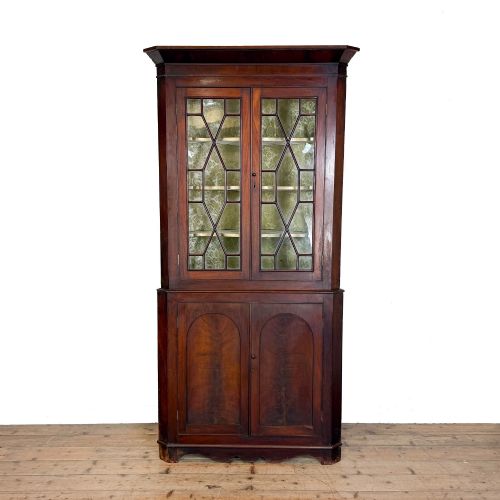
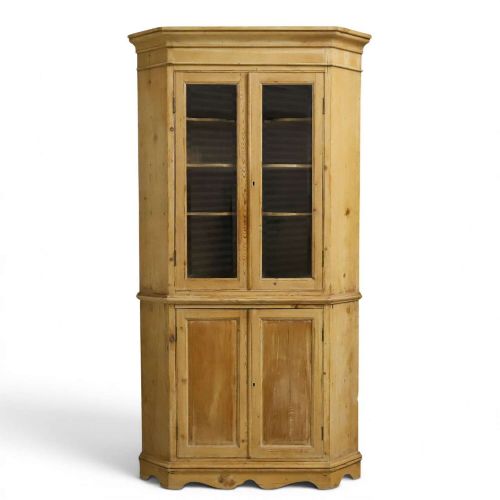
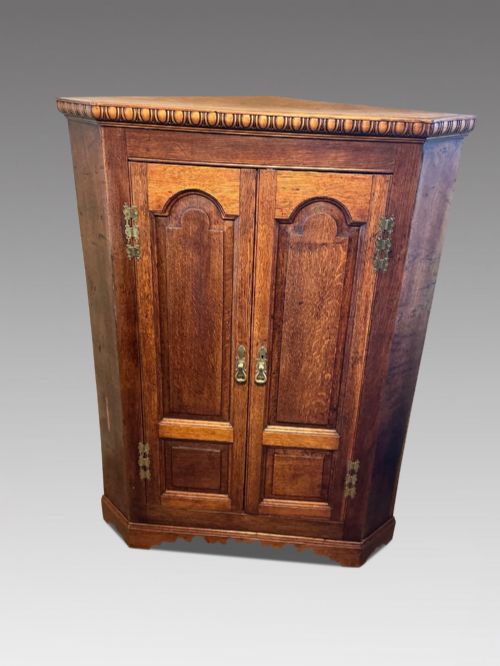
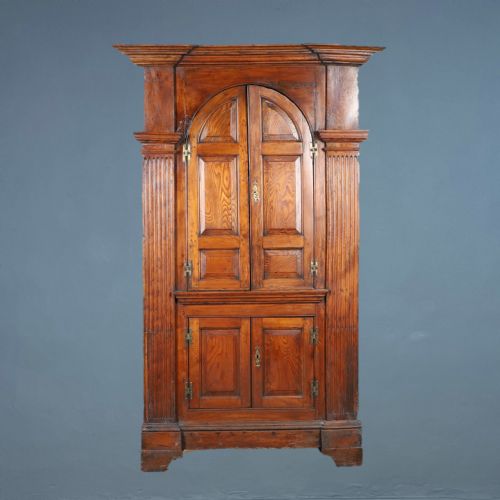
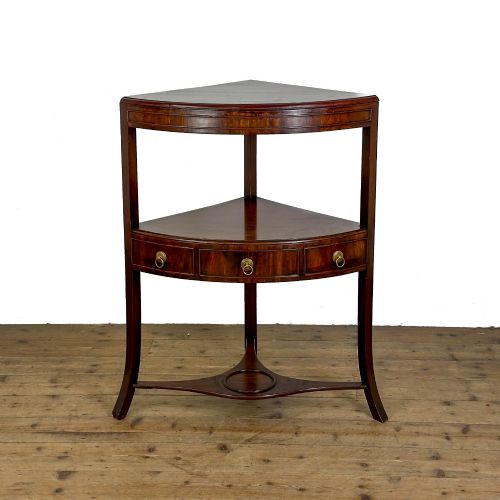
Standing Corner Display Cabinet
A standing corner display cabinet utilises neglected room angles, turning dead space into elegant storage for precious porcelain and glass.
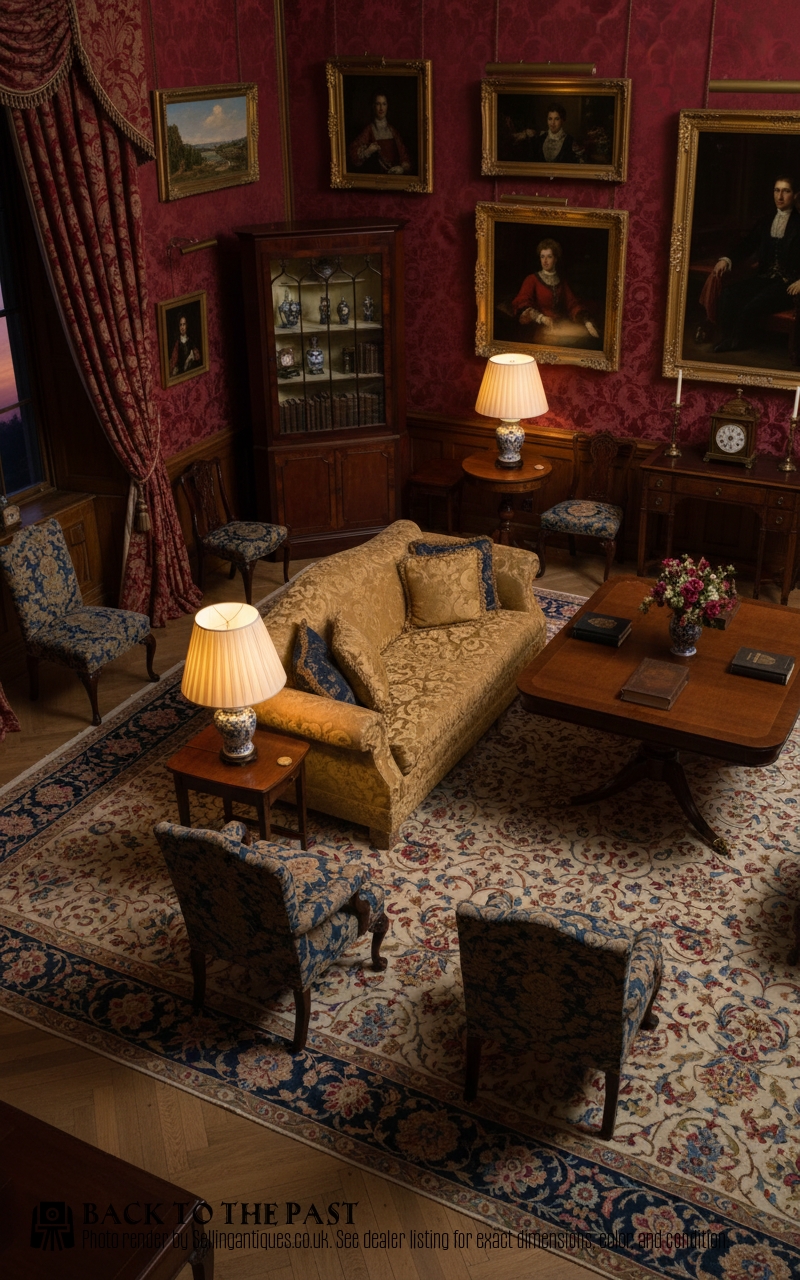
Standing Corner Display Cabinet
A standing corner display cabinet is designed to fit snugly into the junction of two walls, making economical use of room architecture while framing cherished objects. When you search for this phrase, you will encounter pieces spanning several centuries, from substantial Georgian examples to lighter Edwardian iterations.
The most common formats on this page are tall floor-standing cupboards and two-part cabinets featuring glazed upper doors for visibility and solid wooden lower doors for concealment. These items range from simple country pine to sophisticated mahogany creations built to anchor a formal drawing room or dining space.
Makers historically constructed these units to maximise awkward floor plans without sacrificing visual impact. The interior configuration typically includes fixed or adjustable shelving shaped to match the triangular or segmental footprint of the carcass.
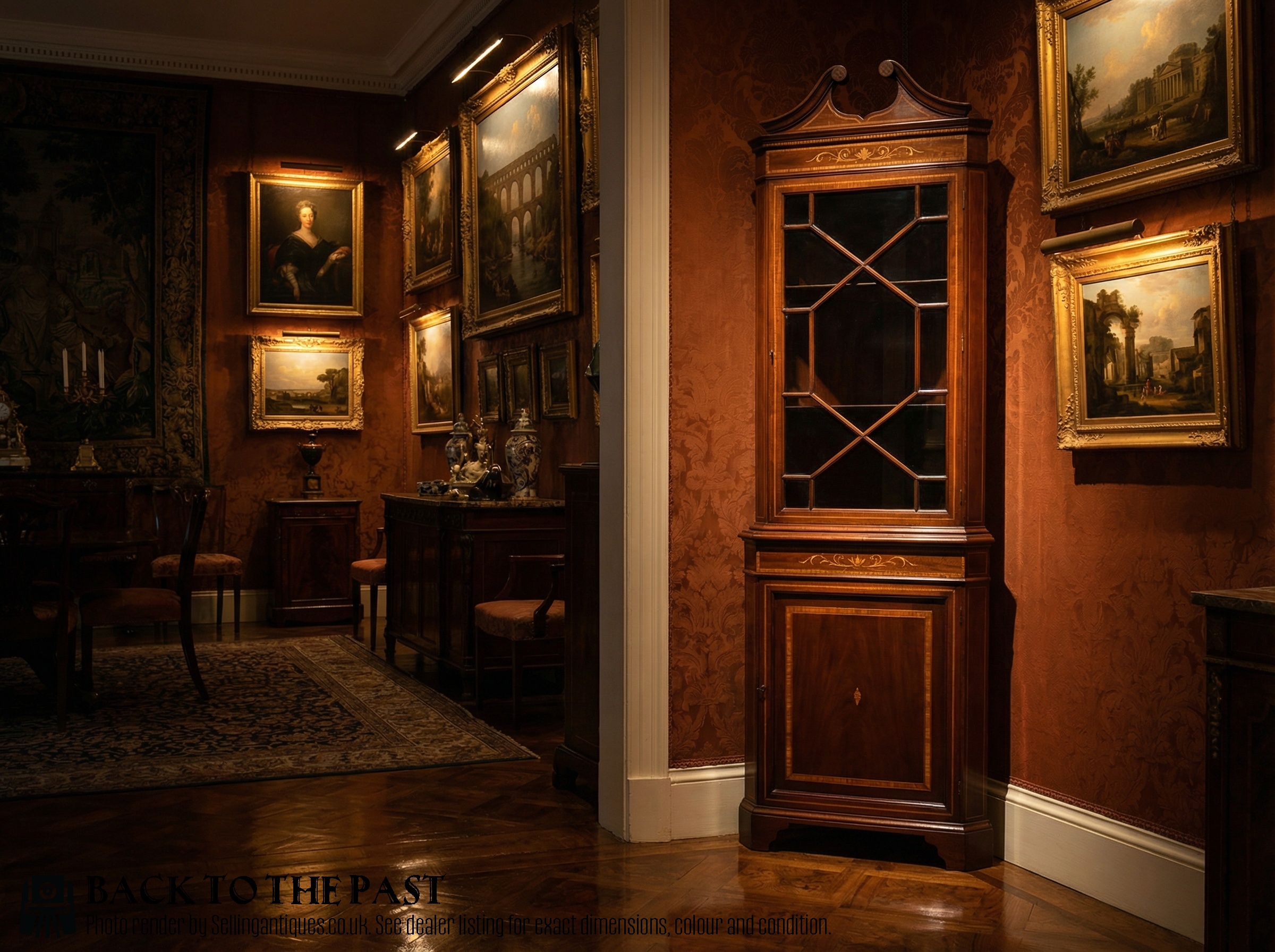
Materials and construction
Cabinet makers relied primarily on dense hardwoods such as mahogany and oak, often enhancing surfaces with satinwood inlay, marquetry, or walnut veneers. Regional pieces utilise accessible timbers like pine and elm, finished with polished surfaces or traditional lacquered schemes.
Structural integrity required careful joinery to manage the wide angles of a corner carcass, frequently pairing sturdy frames with glazed doors held together by intricate wooden glazing bars. Brass hardware, including escutcheons and hinges, secures the opening sections while adding subtle metallic contrast to the timber.
Standing Corner Display Cabinet Retail Price Guide 2026
Typical asking prices for standing corner display cabinet among the pieces listed under this phrase on Sellingantiques today, from the lower quarter to the upper quarter. They describe what is for sale here now, not the wider market.
Listings feature standing corner display cabinets constructed from mahogany, oak, walnut, pine, and satinwood across Georgian, Victorian, and Edwardian periods.
Assessing quality and craftsmanship
The distinction between ordinary and exceptional pieces rests on the choice of timber grain, such as figured flame mahogany or plum pudding mahogany, paired with meticulous hand-cut marquetry. Cabinetmakers who invested time in fine carvings, astragal glazing, and harmonious proportions elevated a functional storage item into a focal point of interior design.
Interior detailing and original hardware further distinguish superior examples, where fitted shelves, clean drawer linings, and intact period keys demonstrate sustained care. Architectural elements like dentil cornices, swept supports, or specialised Chinoiserie decoration indicate a higher tier of workshop output.
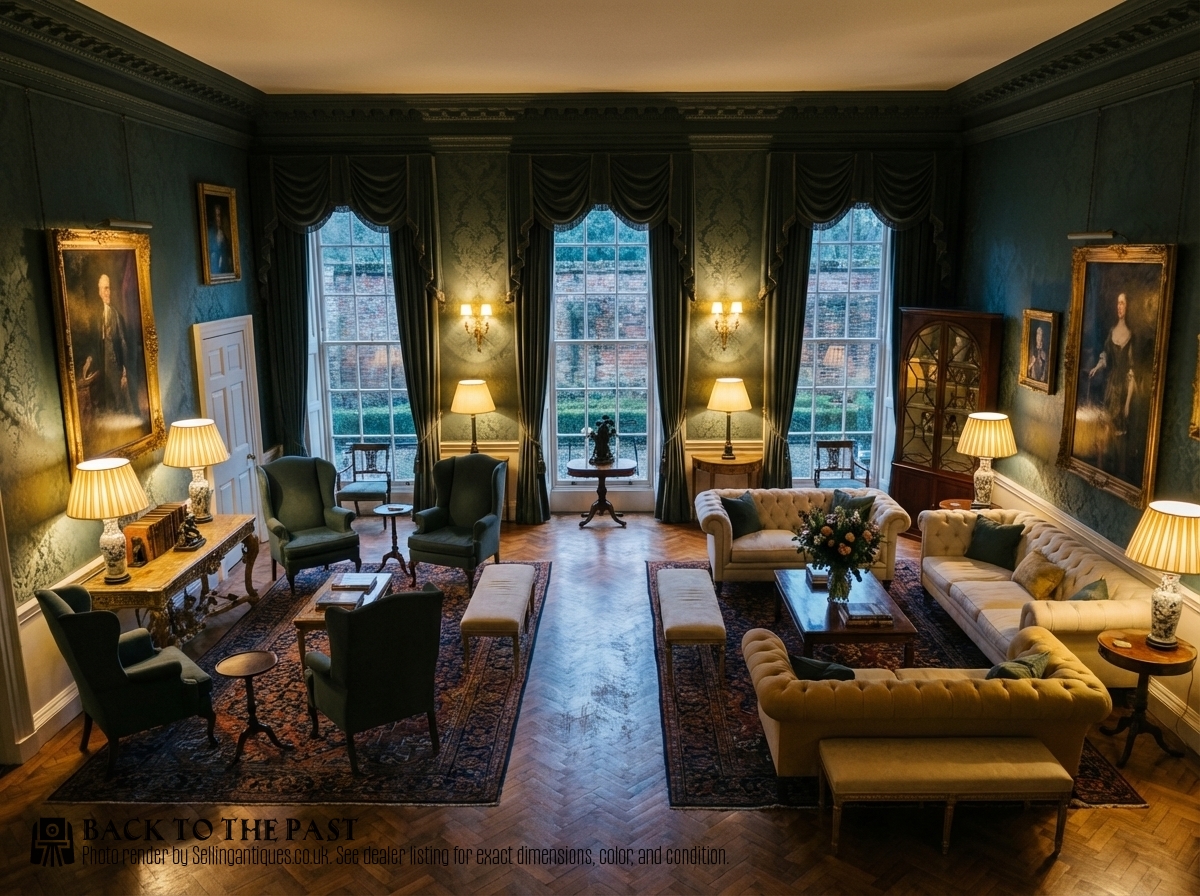
Edwards & Roberts
The Standing Corner Display Cabinet Glossary
- Astragal glazed
- A method of dividing glass panes within a door using thin moulded wooden strips. This technique lightens the visual weight of heavy timber doors.
- Marquetry
- The art of applying decorative veneer pieces in wood to form geometric patterns or pictorial designs. Craftsmen use contrasting timbers to achieve tonal depth.
- Serpentine
- A gently curved front line that undulates outward in the centre and inward at the sides. It adds fluid movement to rigid cabinet geometry.
- Cornice
- The ornamental mouldings crowning the top edge of a cabinet structure. It provides a formal architectural transition to the ceiling height.
Standing Corner Display Cabinet: Frequently Asked Questions
How do I fit a corner cabinet into a modern room?
Measure the wall depth from the exact corner angle outward to ensure the cabinet shoulders sit flush against both walls without blocking architectural trim or light switches.
Position the unit away from direct sunlight and heat sources to protect historic wood finishes and prevent timber warping over time.
Can these cabinets support heavy porcelain collections?
Most antique floor-standing models feature sturdy internal shelving designed to hold standard ceramic dinner services, glassware, and display items securely.
Verify the condition of shelf supports and internal cleats before loading heavier objects into upper glazed display sections.
How do I tell an 18th-century piece from a later revival?
Examine the secondary timbers used inside drawers and carcases, as Georgian makers utilised native woods distinct from Edwardian manufacturing standards.
Construction marks, hand-cut dovetails, and glass imperfections point toward earlier production dates compared to uniform machine-sawn components found in revival pieces.
How should I clean and maintain the wood?
Dust the exterior surfaces regularly with a soft, dry cloth and apply traditional beeswax periodically to nourish antique polished timber finishes.
Avoid silicone-based sprays and keep moisture away from joints to preserve the integrity of veneers and historical patination.