


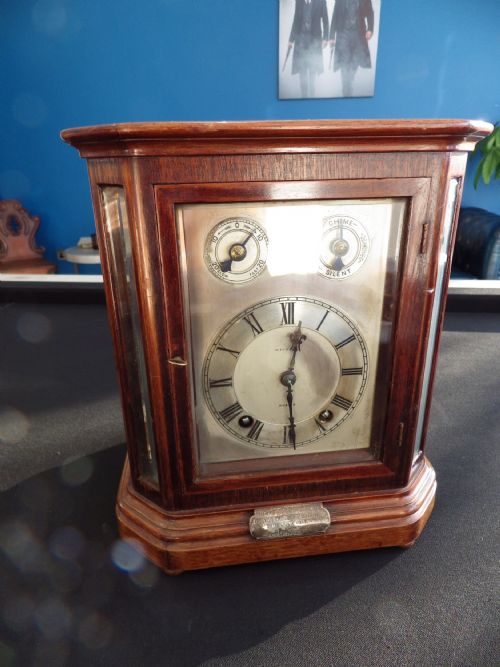

Spring Driven Table Clock
A spring driven table clock brings precise mechanical timekeeping and architectural timber presence to a room without requiring a tall floor case.
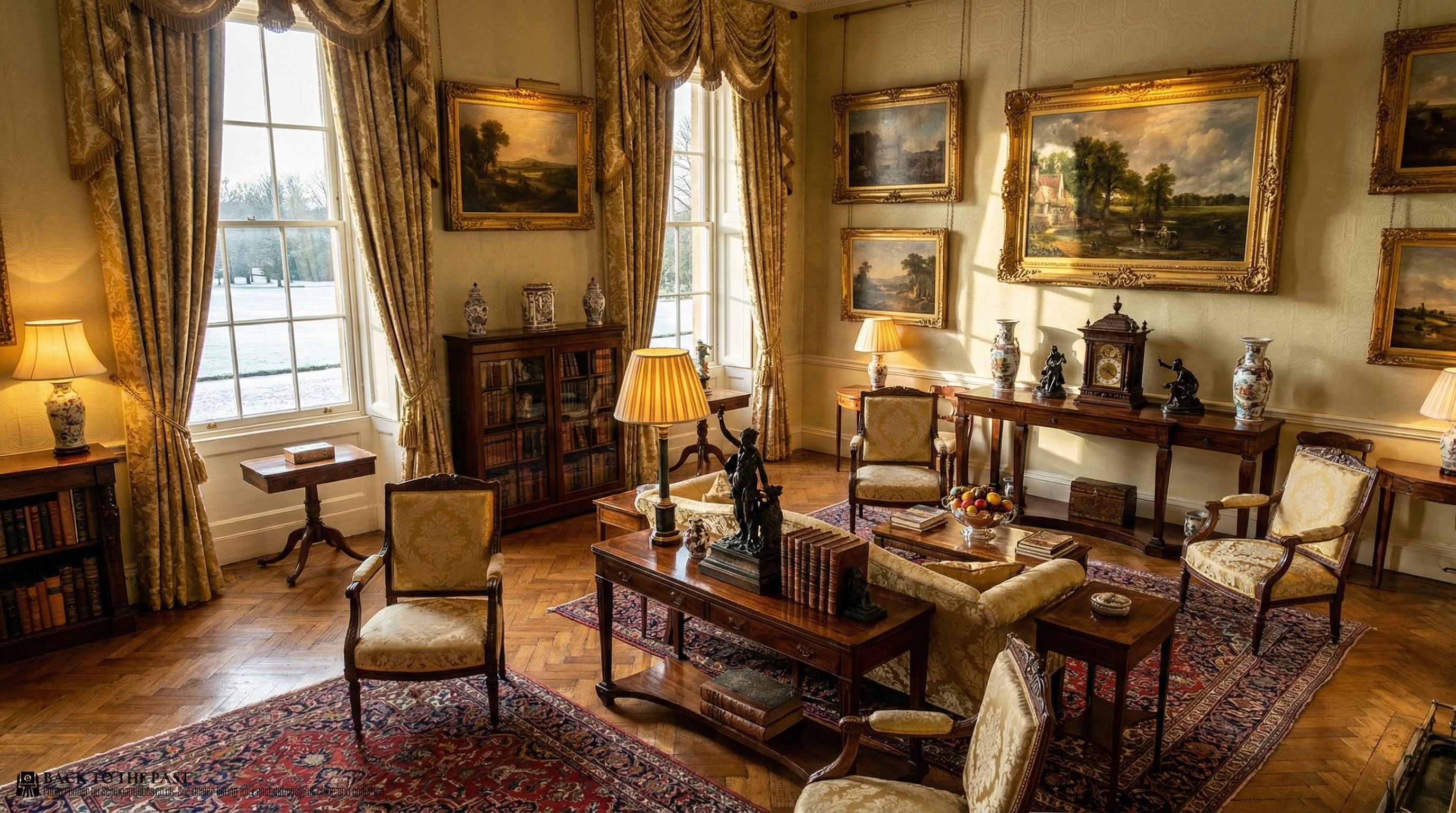
Spring Driven Table Clock
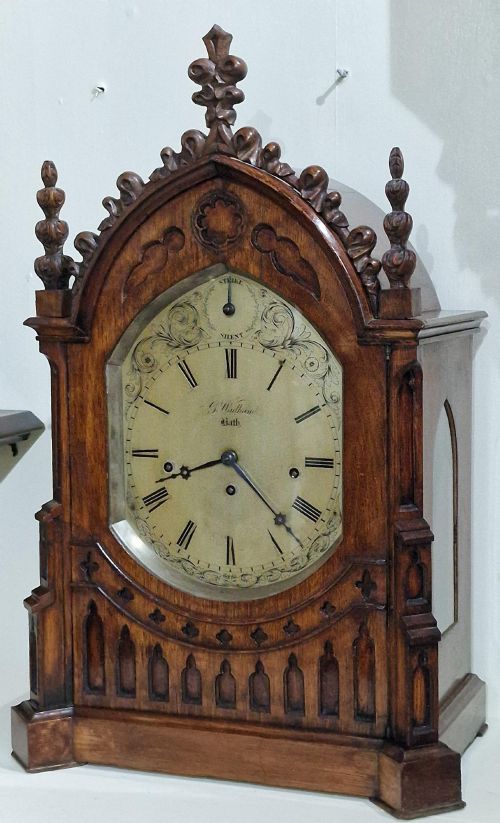
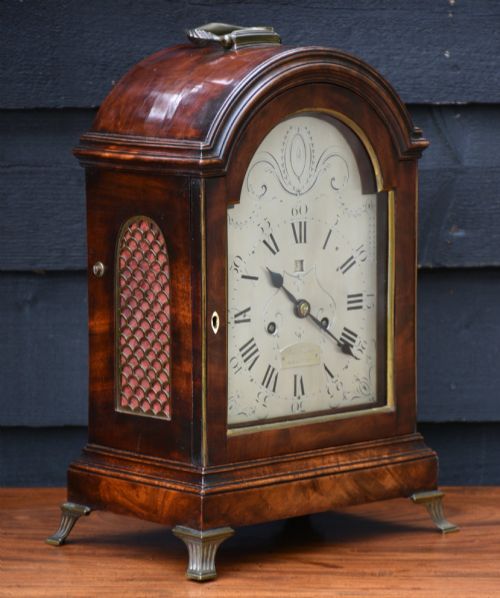
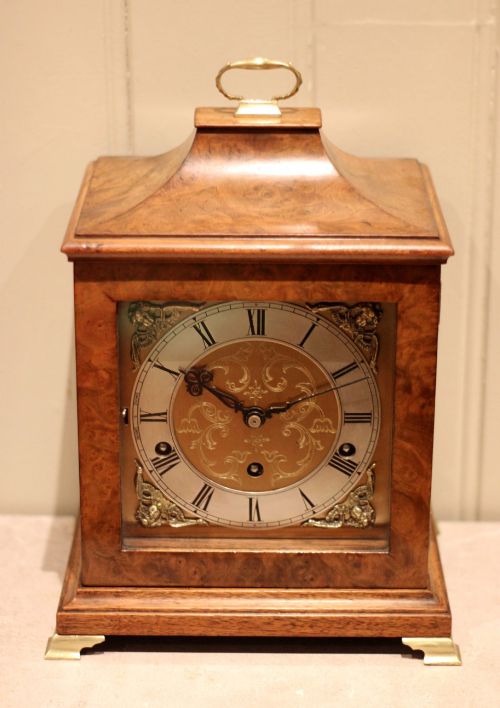
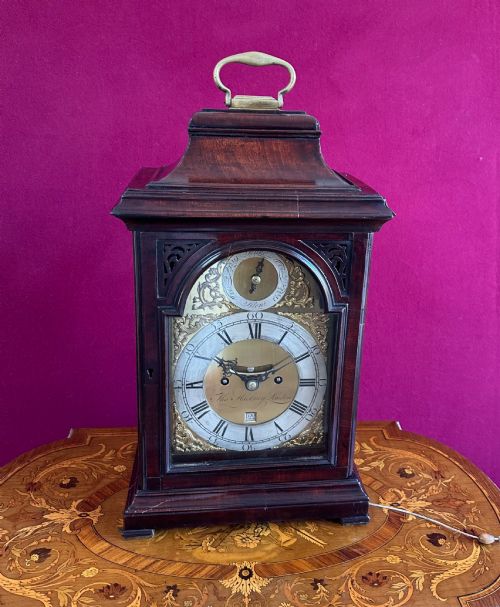
A spring driven table clock relies on a coiled mainspring rather than falling weights to supply power to the gear train, allowing it to sit neatly on a shelf, bracket, or mantelpiece. The pieces found here span centuries of design, with traditional bracket clocks and architectural mantel clocks forming the majority of the selection.
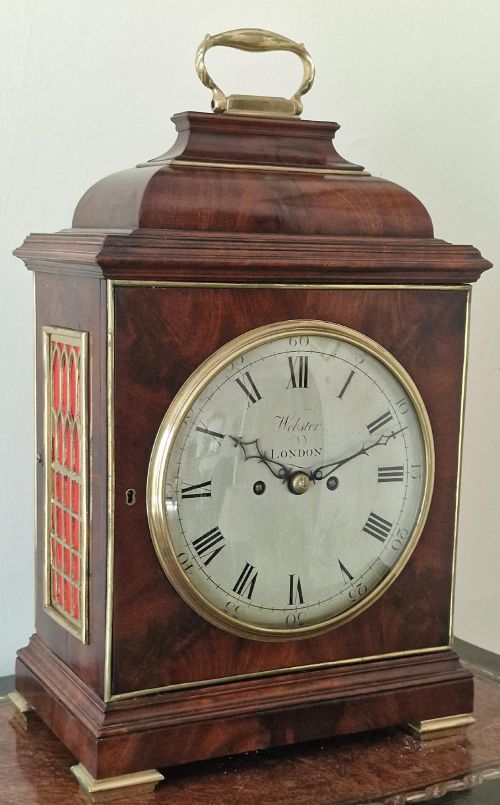
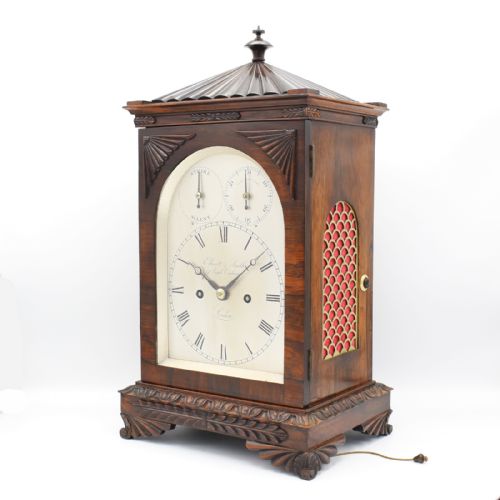
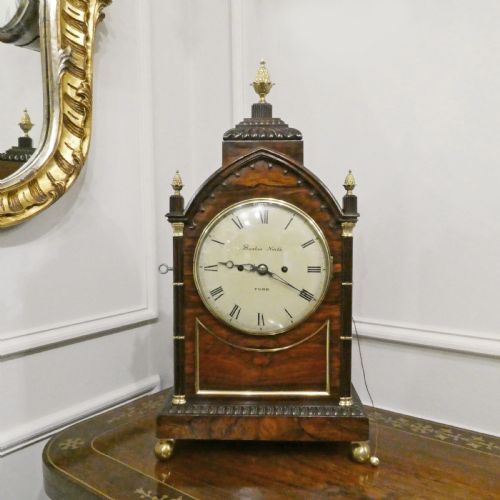
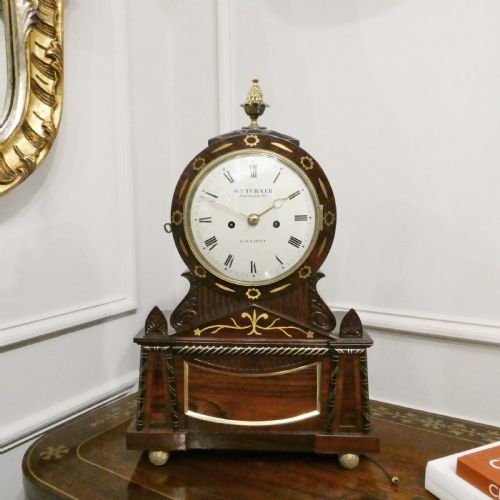
Makers housed these movements in compact wooden enclosures designed to be portable yet substantial, ranging from simple lancet shapes to bell-top and caddy-top cases. Examples frequently surface in rich native and exotic timbers such as mahogany, rosewood, and ebonised wood, often accented with brass mounts and silvered dials.
Materials and movement construction
Horologists built the interior mechanics using brass plates, wheels, and escapements, employing fusee cones or barrel springs to regulate the power delivered from the mainspring. Fusee movements incorporate a threaded pulley and cord or chain to equalise the torque as the spring unwinds.
Casework required skilled cabinetmaking, utilising solid mahogany, oak, or walnut frames lined with delicate veneers, alongside ebony and tortoiseshell accents. Dials combined engraved brass, painted enamel, or silvered brass chapters, protected behind heavy bevelled glass doors.
Distinctions in craftsmanship
The standard of an interior movement dictates much of its standing, separating basic timepieces from sophisticated triple fusee or quarter-striking examples with complex chime trains. Engraved backplates signed by notable provincial or metropolitan clockmakers demonstrate superior workshop pedigree.
Cabinet execution further divides the range, where crisp wood carving, fire-gilded brass mounts, and original matching wall brackets indicate higher original cost and preservation. Proportion and the survival of silvered dials without heavy restoration hold significant weight for purists.
George Wadham·Mappin & Webb·Ellicott & Smith·Barber & North·John Pepys·William Speakman·Paul Philip Barraud·Louis Recordon·Winterhalder & Hofmeier
The Spring Driven Table Clock Glossary
- Fusee
- A conical pulley designed to maintain even tension on the gear train as the mainspring loses power. This mechanism ensures more consistent timekeeping throughout the running cycle.
- Verge escapement
- An early type of mechanical escapement utilising a crown wheel and pallets on a spindle to control the release of power. It is commonly found in seventeenth and eighteenth-century examples.
- Bracket clock
- A portable spring-driven clock originally designed to sit upon a matching wall bracket to project sound effectively. The term now frequently describes any substantial table clock of that traditional proportion.
- Twin fusee
- A movement incorporating two separate fusee cones to power the timekeeping train and the striking or chiming train independently. This arrangement provides steady torque to both functions.
- Silvered dial
- A brass clock face treated with a silver solution to create a matte metallic finish, onto which numerals and maker details are engraved and darkened with wax.
Spring Driven Table Clock: Frequently Asked Questions
How do spring driven table clocks work?
These clocks store energy in a tightly wound internal metal spring, which gradually unwinds to drive the gear train and move the hands.
A system of gears and an escapement regulate this release of energy, translating the steady uncoiling into precise sweeps of the minute and hour hands.
Where should a table clock be placed?
Traditional table and bracket clocks sit best on firm, level surfaces such as mantelpieces, sideboards, or dedicated wooden wall brackets.
Placing the clock on a stable foundation prevents vibrations from interfering with the delicate balance of the pendulum or escapement.
How often must a fusee clock be wound?
Most antique spring driven models operate for eight days on a single wind, requiring regular attention to maintain tension on the mainspring.
Keys are utilised to turn the winding squares on the dial face, carefully restoring potential energy to the interior barrels or fusee cones.
How are different periods identified?
Stylistic cues in the woodwork, such as elaborate brass mounts on early ebony cases or sleek lancet outlines on later Victorian pieces, offer clear chronological markers.
Examining the engraving on the dial and backplate often reveals the maker's signature and workshop address, helping to date the piece accurately.