
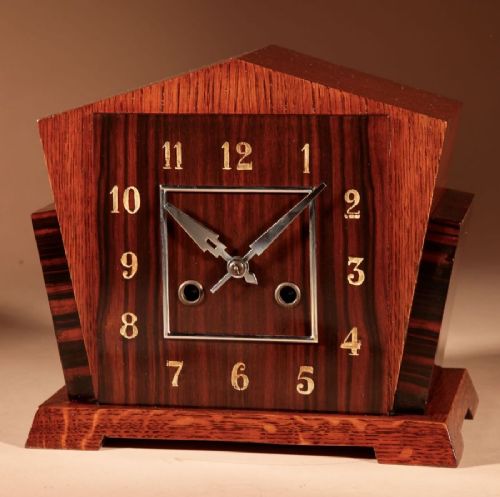
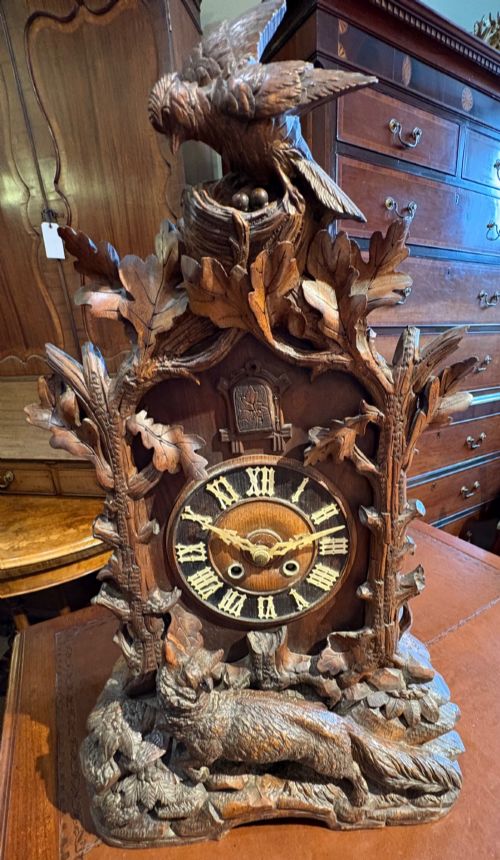


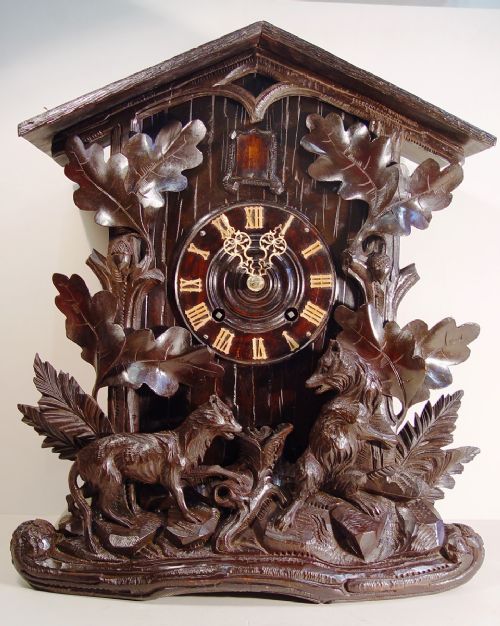


Antique Oak Mantle Clock
An antique oak mantle clock brings honest timber and dependable movement into a room, grounding your mantelpiece with genuine period presence.
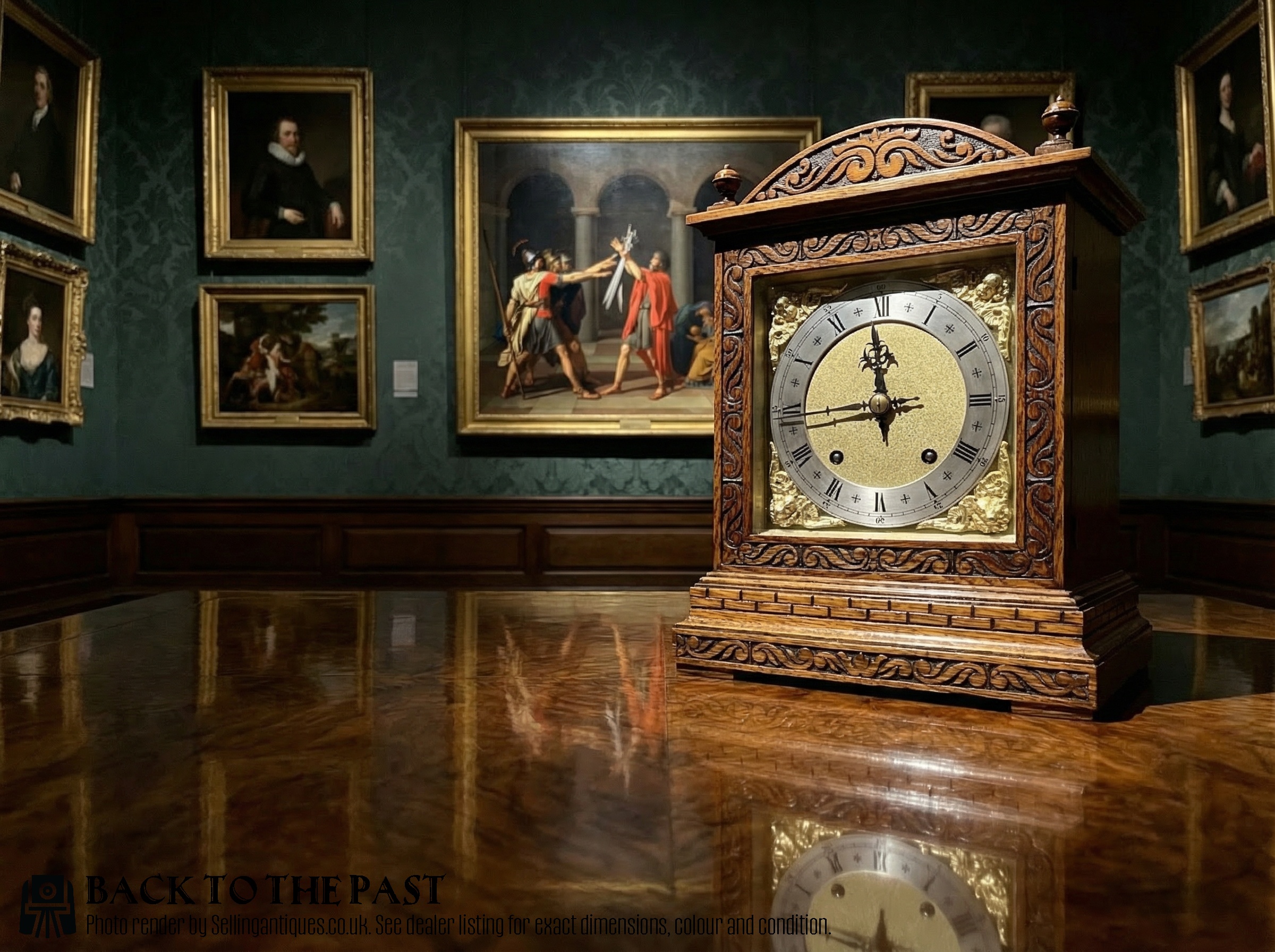
Antique Oak Mantle Clock
The version you are most likely to meet on this page is an oak-cased timepiece from the Victorian or Edwardian eras, often featuring brass dials, carved details, or inlaid marquetry. Alongside traditional mantel clocks, the selection includes bracket clocks, desk clocks, and occasional Black Forest cuckoo variants.
Makers such as Jas Whitelaw of Edinburgh, Winterhalder and Hofmeier, and Beha appear among the records, representing skilled nineteenth-century workshop production. These clocks served as domestic timekeepers in parlours, boardrooms, and studies, reflecting the taste of their respective decades.
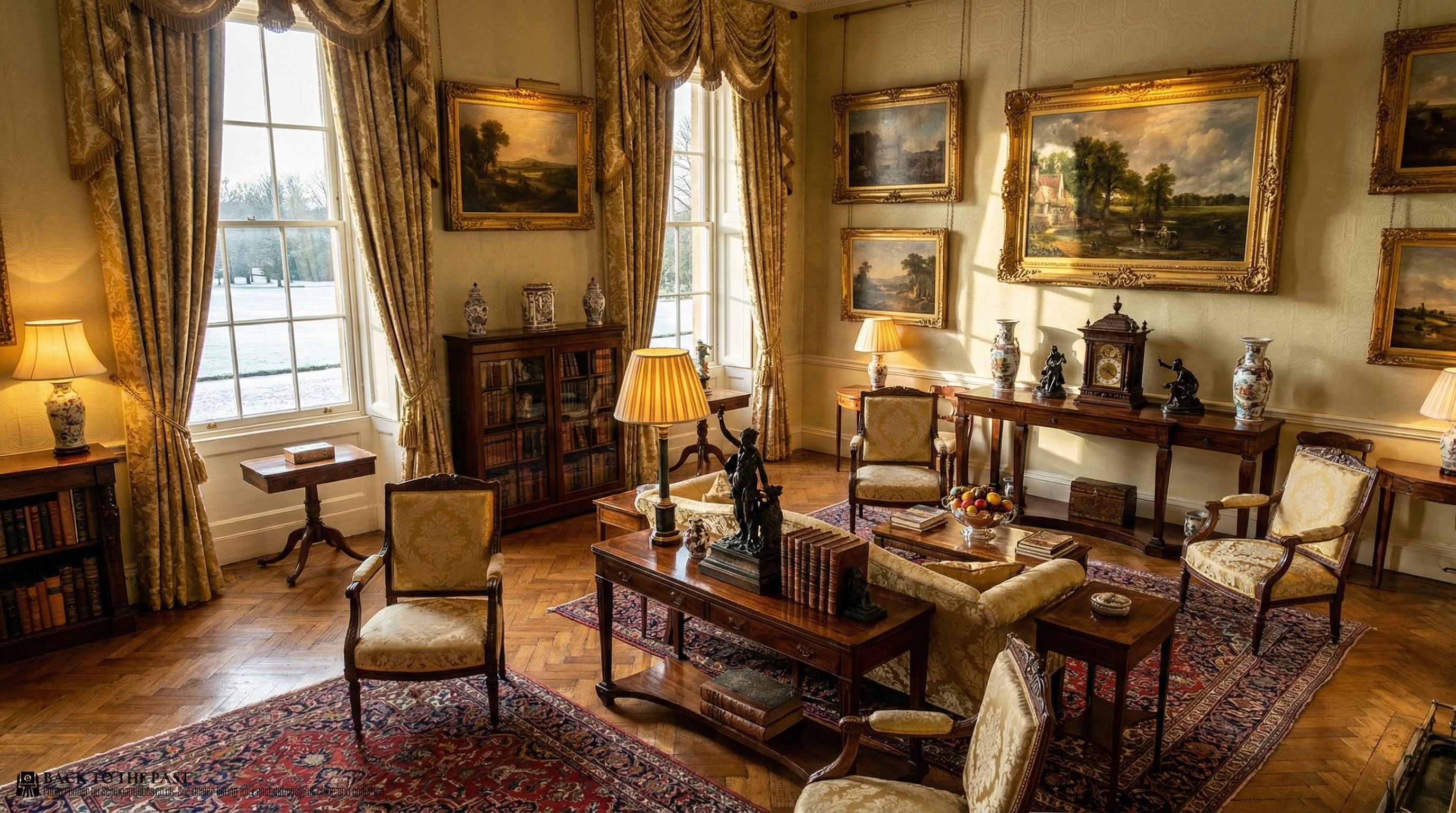
Materials and construction
The construction relies heavily on solid oak and carved wood, frequently complemented by secondary timbers like walnut, macassar ebony, and coromandel for contrast. Cases are built to house intricate mechanical movements, often paired with brass bezels, glass dial covers, and white enamel chapter rings.
Decorative techniques span simple carved mouldings, fan marquetry inlay, and ebonised highlights typical of the Aesthetic Movement. Black Forest examples introduce detailed figurative carving, while First World War pieces demonstrate novelty adaptations in metal and wood.
Listings feature oak clock cases spanning the nineteenth century through the Edwardian period, Art Deco, and 1930s.
Assessing quality and craftsmanship
The distinction between a standard production timepiece and a superior example lies in the crispness of the timber carving and the sophistication of the movement. Finer pieces demonstrate precise joinery, thoughtful use of contrasting veneers like macassar ebony, and robust chiming mechanisms by established makers.
Proportion and dial legibility also dictate standing, with top-tier clocks showing harmonious proportions in balloon shapes or architectural cases. The integration of subsidiary elements, such as barometer sets or quarter-striking gear, separates ordinary domestic clocks from ambitious boardroom pieces.
Jas Whitelaw of Edinburgh·Winterhalder and Hofmeier·Beha
The Antique Oak Mantle Clock Glossary
- Bracket Clock
- Originally designed to sit upon a wall bracket, these portable timepieces evolved into substantial table clocks with carrying handles.
- Fusee movement
- A conical pulley mechanism that ensures even tension on the driving chain as the mainspring unwinds, promoting accurate timekeeping.
- Marquetry
- The art of applying pieces of veneer to a structure to form decorative patterns, frequently seen in fan motifs on Edwardian clock cases.
- Napoleon hat clock
- A descriptive term for a mantel clock with a low, sweeping curved top resembling a tricorne hat, popular in the late nineteenth century.
- Ting-tang
- A two-hammer striking system that sounds two different notes on the quarters before striking the hour.
Antique Oak Mantle Clock: Frequently Asked Questions
What is an antique oak mantle clock?
An antique oak mantle clock is a mechanical timepiece housed in a wooden case, produced primarily during the nineteenth and early twentieth centuries.
These clocks were designed to sit on domestic mantelpieces, desks, or brackets, combining practical timekeeping with period decorative styles.
How do I wind my clock?
Winding typically involves inserting a key into the winding holes on the dial and turning it gently until resistance is felt.
Care should be taken not to overwind the movement, as this can damage the internal mainsprings and affect the timing.
How can I tell the period?
Period is determined by examining the case style, timber treatment, dial materials, and the style of any carving or inlay present.
Victorian pieces often feature darker tones and heavier carving, while Edwardian clocks lean towards lighter oak with delicate marquetry.
Where should I place it?
These clocks belong on stable, level surfaces away from direct heat sources, dampness, and strong drafts that might affect the wooden case.
A secure mantelpiece or firm sideboard ensures the pendulum and movement remain level for accurate beating.