




Southwest Persian Rug
A southwest persian rug brings genuine tribal character into a room, woven by nomadic and village makers using traditional techniques.
Southwest Persian Rug
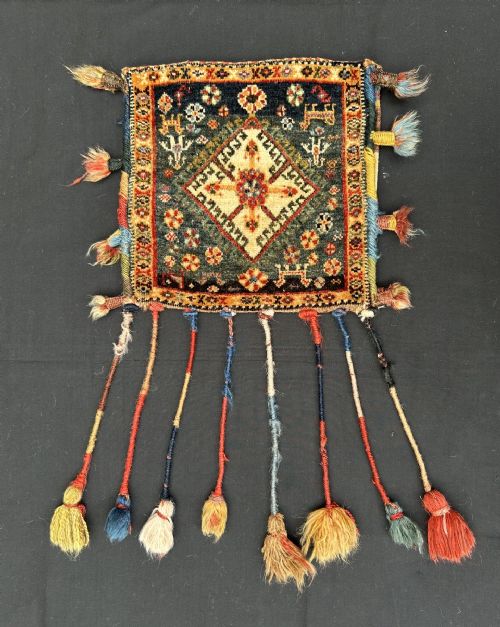
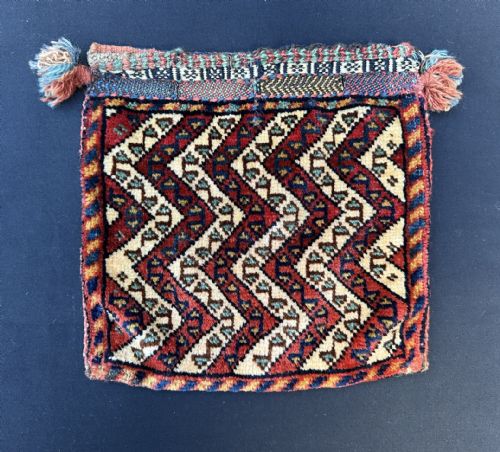
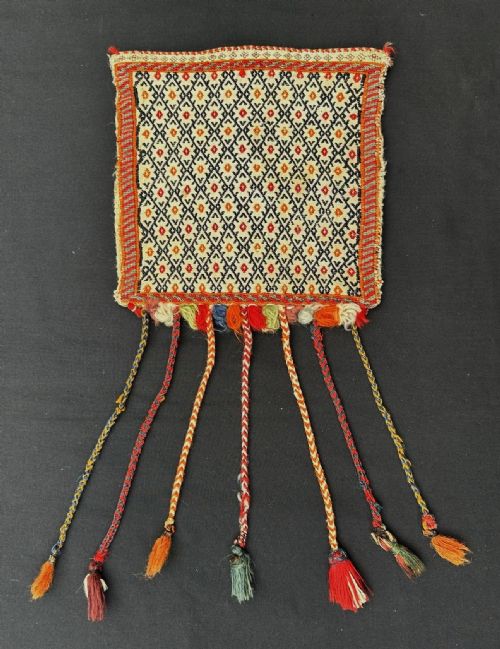
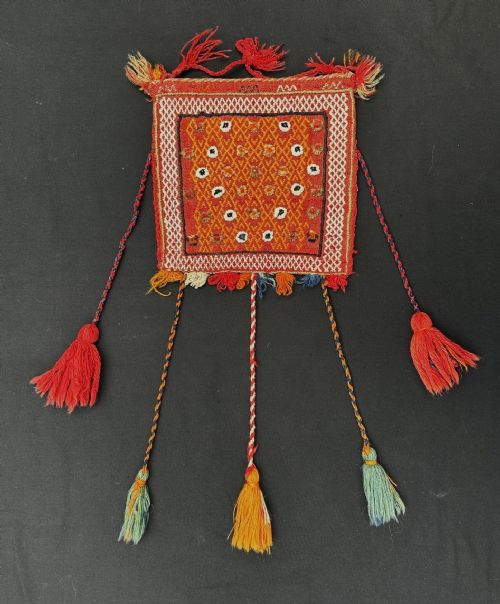
When searching for a southwest persian rug, buyers encounter tribal and village carpets originating from the Fars province and surrounding regions. These pieces date from the nineteenth century, including examples from around 1880, 1890, and 1900.
The most common items on this page are tribal rugs and carpets associated with specific groups such as the Khamseh, Basseri, Luri, and Qashqai tribes. They arrive as area rugs and larger carpets, displaying distinct regional patterns.
A typical southwest persian rug reflects the heritage of southwestern Iran through geometric motifs and symbolic designs. Tribal weavers constructed these textiles for practical daily use within their communities.
How they were made
Makers constructed a southwest persian rug using durable wool for both the foundation and the pile. This natural material provided the necessary strength for nomadic life and heavy floor use.
Weavers utilised natural dyes to colour the wool, creating rich tones that deepen with age. These organic colourants produce the characteristic palette seen across nineteenth-century tribal weaving.
Southwest Persian Rug Retail Price Guide 2026
Typical asking prices for southwest persian rug among the pieces listed under this phrase on Sellingantiques today, from the lower quarter to the upper quarter. They describe what is for sale here now, not the wider market.
Nomadic weavers often worked from memory on portable horizontal looms laid directly on the earth.
What varies in quality
The distinction between standard village work and top-tier examples lies in the precision of the weave and the clarity of the tribal motifs. Finer pieces demonstrate tighter knotting and more deliberate execution of complex geometric patterns.
The complexity and storytelling within the design dictate the upper tier of the range. Exceptional rugs display sophisticated arrangement of symbols, such as the boteh motif, executed with distinct colour separation.
The Southwest Persian Rug Glossary
- Boteh
- A stylised almond or paisley motif representing a bush, flower, or flame. This ancient symbol appears frequently in tribal and village weaving.
- Khamseh
- A confederation of five distinct tribes in southwestern Persia known for distinctive dark wools and bold geometric designs. Their rugs often incorporate intricate diamond patterns.
- Qashqai
- A major nomadic tribal confederation of southwestern Iran famous for fine storytelling carpets. Their work typically employs vibrant natural dyes and intricate medallion layouts.
- Natural Dyes
- Organic colourants derived from plants, insects, and minerals used before the introduction of synthetic alternatives. These dyes age gracefully and develop a soft patina over decades.
Southwest Persian Rug: Frequently Asked Questions
What materials did the weavers use?
Makers relied entirely on natural wool for the pile and foundation of these tribal carpets. This fibre offered the resilience required by nomadic communities.
They coloured the wool using natural dyes sourced from local plants and minerals, achieving enduring hues.
How do I identify a tribal design?
Tribal rugs typically feature geometric patterns, stylised animals, and repeating motifs rather than formal floral court designs. Weavers drew these symbols from memory and local tradition.
Sub-tribal groups like the Basseri and Kashkuli integrated specific regional signatures into their carpets.
How should I care for an antique rug?
Place the rug in an area with low direct sunlight to protect the natural dyed wool from fading. Regular gentle vacuuming without a beater bar removes trapped dust effectively.
Consult a specialist in antique textiles for professional cleaning rather than attempting wet washing at home.