





South Persian Tribal Textile
A south persian tribal textile brings the practical artistry of nomadic life into a modern interior.
South Persian Tribal Textile
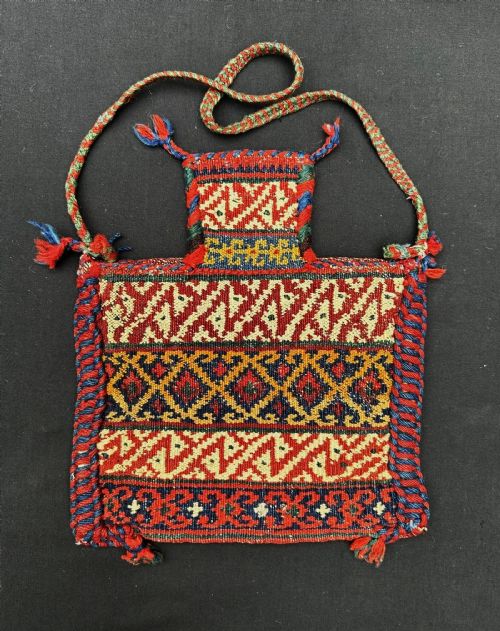
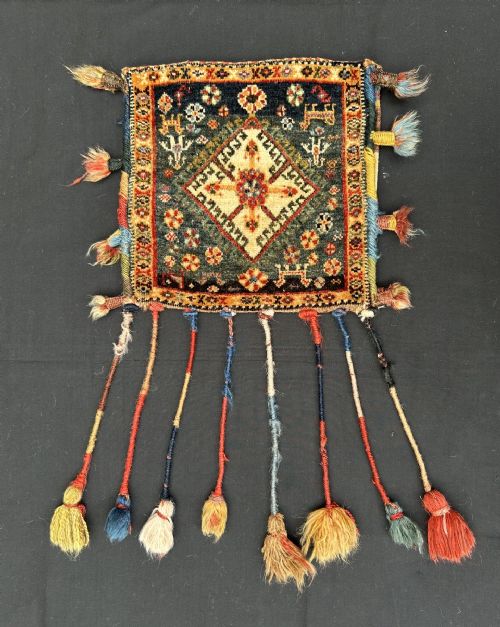
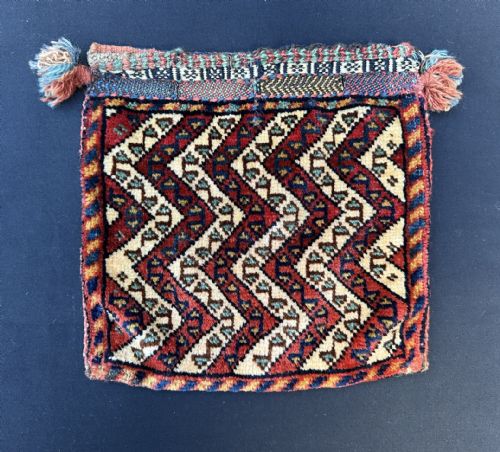
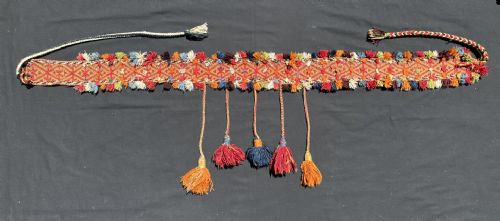
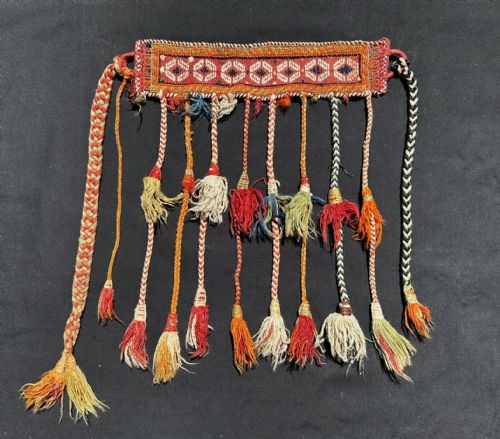
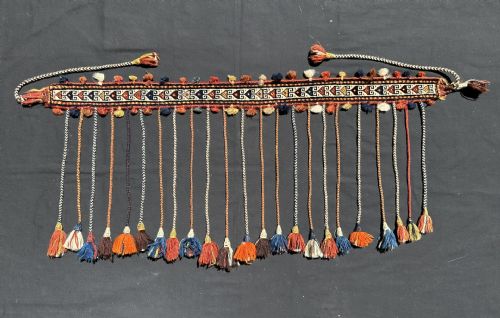
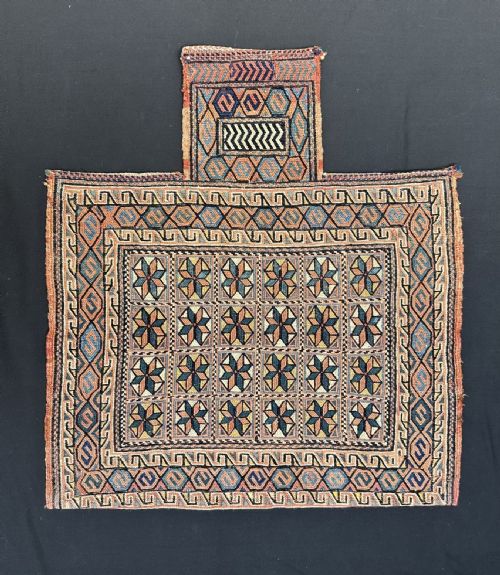
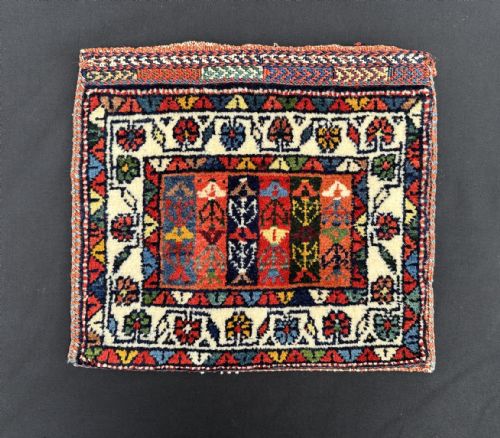
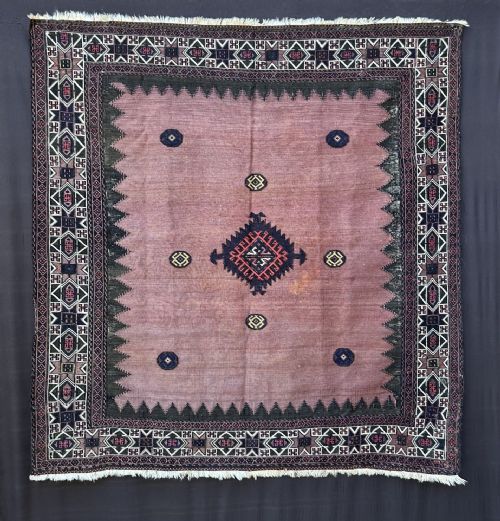
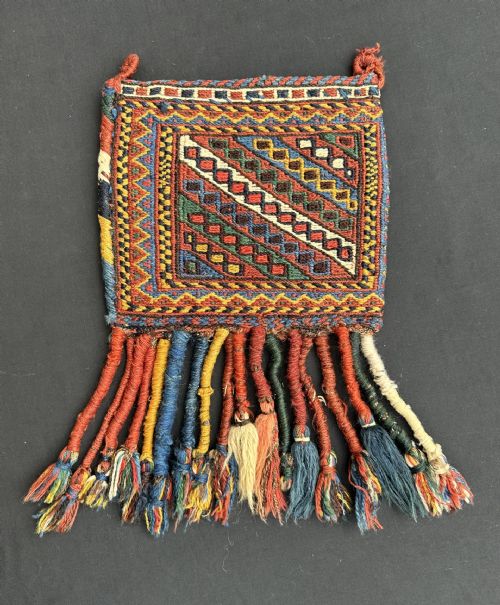
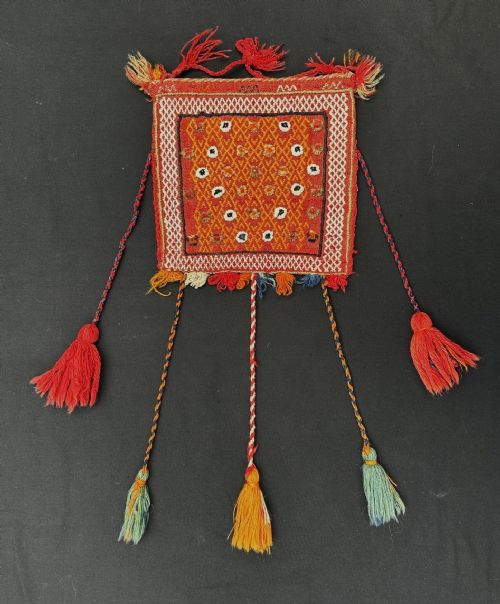
A south persian tribal textile encompasses functional items woven for daily nomadic existence by confederacies and tribes such as the Qashqa'i, Afshar, and Khamseh. Buyers exploring this category encounter a diverse array of utilitarian forms, including vanity bags, salt bags, saddlebags, bread sofreh, animal trappings, and household rugs. These pieces originate predominantly from the Fars and Kerman provinces, reflecting the distinct cultural heritage of southern nomadic weavers.
Vanity bags, known as chantehs, along with larger storage bags and horse blankets, dominate the material found within this tradition. Each format served a specific purpose within the camp or during migration, combining structural durability with intricate visual symbolism. The items span periods from the mid-nineteenth century through the early decades of the twentieth century.
Materials and Construction
The construction of a south persian tribal textile relies fundamentally on hand-spun wool combined with natural dyes derived from local flora and fauna. Weavers utilised cotton for structural warps and foundations in certain formats, ensuring the textile maintained its integrity during heavy daily use by nomadic communities.
Additional organic elements such as leather, wood, and cowrie shells appear on specific utilitarian forms like tobacco bags and animal decorations. The interplay of lustrous wool and rich natural colour palettes gives these flat-woven and pile structures their enduring tactile quality.
Listings feature periods spanning from the mid-nineteenth century through the nineteen-thirties, documenting decades of nomadic textile production.
Evaluating Quality and Execution
Quality in a south persian tribal textile rests upon the density of the knotting, the handling of the wool, and the clarity of the natural dyes. Superior examples exhibit exceptionally fine hand-spun wool that retains a luminous quality, whereas lesser pieces may display stiff or harsh fibre preparation.
The precision of the tribal motifs, such as boteh designs or central medallions, demonstrates the weaver's mastery of proportion and symmetry. Execution ranges from standard utilitarian production to exceptionally refined work executed by specific sub-tribes.
The South Persian Tribal Textile Glossary
- Sofreh
- A woven dining or bread cloth utilised by nomadic groups for sharing meals or preparing dough. These flat-woven textiles often feature minimalist geometric field designs.
- Chanteh
- A small personal bag or vanity bag woven by tribal women for carrying intimate possessions. They represent some of the most meticulously detailed pieces in nomadic weaving.
- Khorjin
- A traditional double-faced saddlebag designed for transport across pack animals during seasonal migrations. The faces often display matching or complementary geometric compositions.
- Boteh
- A stylised floral motif resembling a almond or bent pine cone, frequently incorporated into tribal designs. It is a defining element across Afshar and Qashqa'i textile traditions.
- Tayefeh
- A sub-tribe or clan within a larger nomadic confederacy, such as the Qashqa'i. Identifying the specific tayefeh helps localise the origin of a textile.
South Persian Tribal Textile: Frequently Asked Questions
What is a south persian tribal textile?
These pieces are functional woven objects created by nomadic confederacies and tribes inhabiting regions like Fars and Kerman in southern Persia. They include items made for camp storage, animal transport, and daily domestic rituals.
Nomadic weavers produced them using local materials to serve practical roles within their migratory lifestyle. Today, collectors value them for their authentic cultural expression and rich visual vocabulary.
How were these bags and textiles used?
Nomads utilised these textiles for carrying personal belongings, storing salt or bread, and adorning riding animals during seasonal journeys. Vanity bags held small grooming items, while sofreh functioned as cloth surfaces for eating and food preparation.
Every object had a defined place within the tent or on pack animals. Their construction was entirely dictated by the demands of a mobile pastoral existence.
How should I live with a tribal textile?
Smaller formats like vanity bags and saddlebag faces adapt well to wall hanging or display on stands where their texture can be appreciated close up. Larger pieces function effectively as floor coverings or decorative throws in varied interior settings.
Keeping them out of direct sunlight preserves the natural dyes. Gentle vacuuming without a rotating brush maintains the condition of the hand-spun wool.
How do I tell different tribal groups apart?
Distinguishing between groups involves examining the specific colour palettes, structural materials, and characteristic motifs employed in the weave. Afshar pieces often incorporate distinct boteh patterns and structures associated with Kerman province.
Qashqa'i works frequently display different structural traits and tribal emblems tied to confederacy sub-groups. Comparing the border designs and knotting style clarifies the likely origin.