

South Persian Tribal Carpet
A south persian tribal carpet brings the bold geometric motifs and rich dye palettes of nomadic weavers directly into a room.

South Persian Tribal Carpet
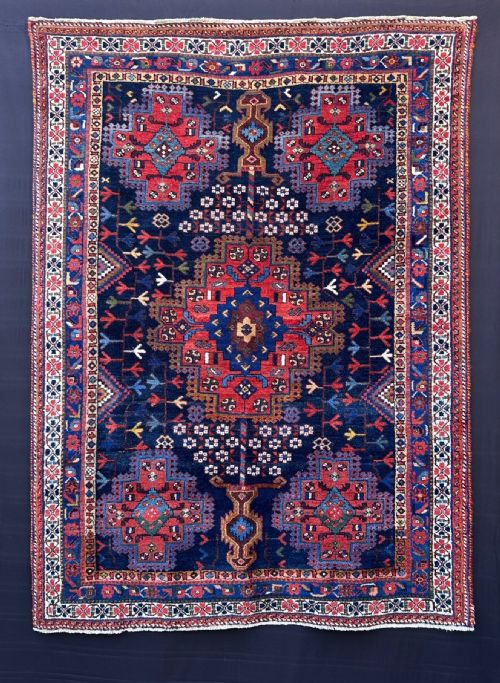
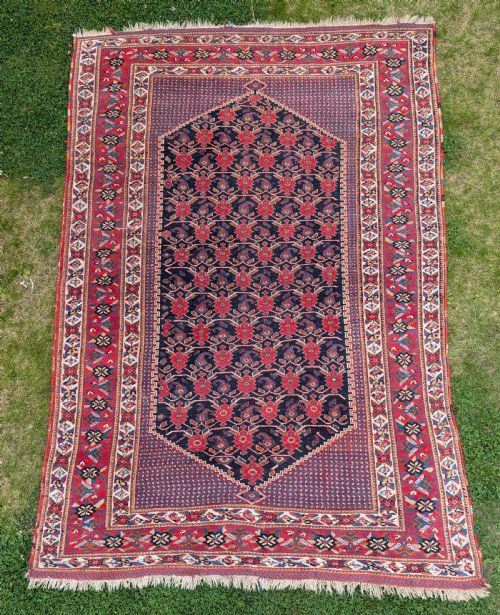
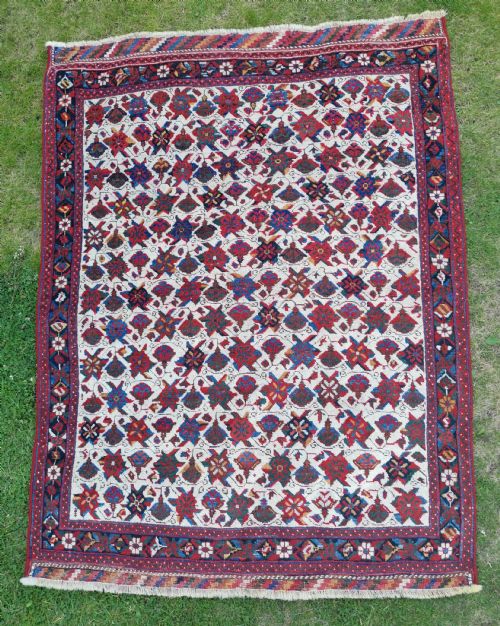
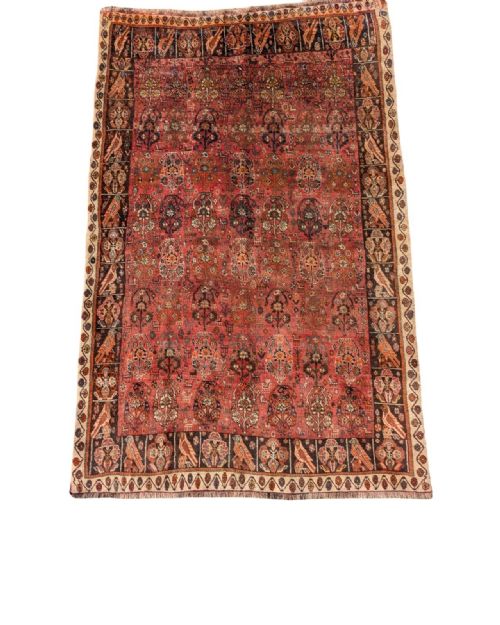
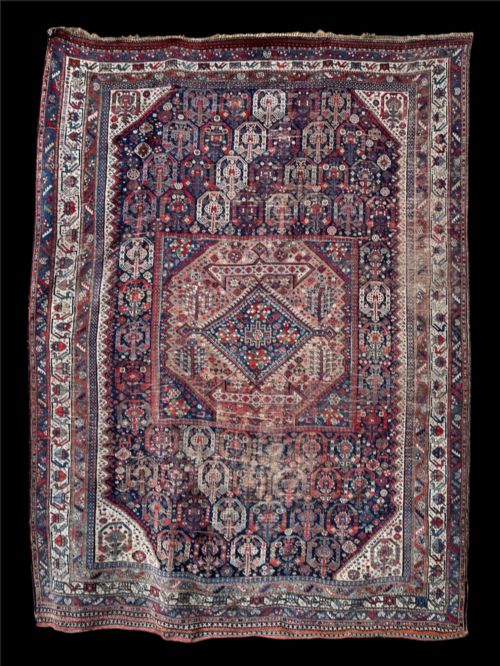
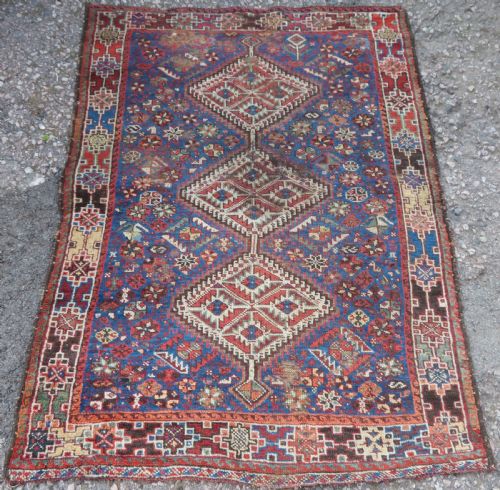
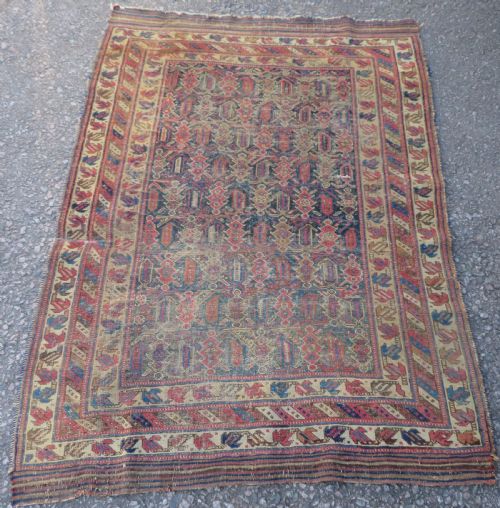
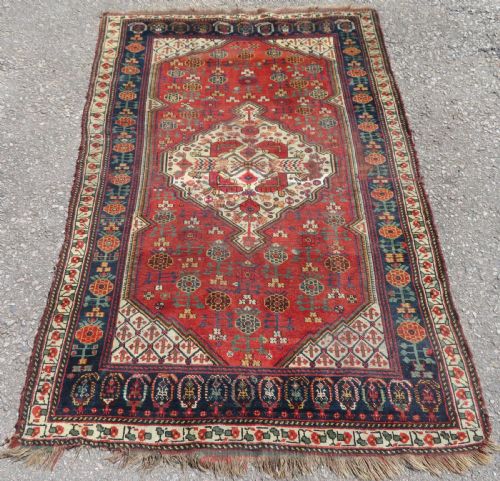
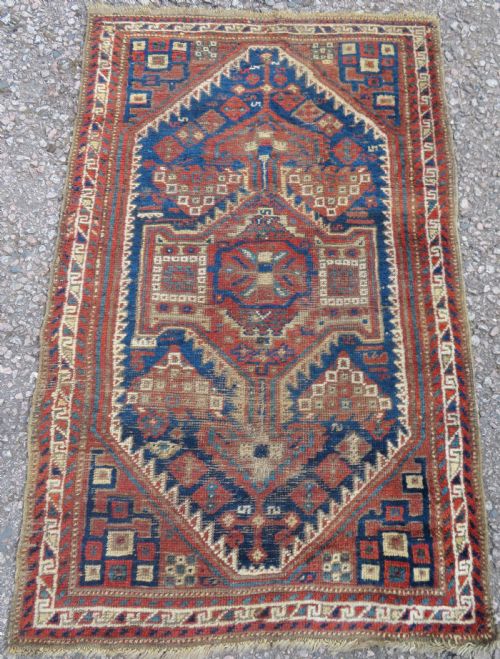
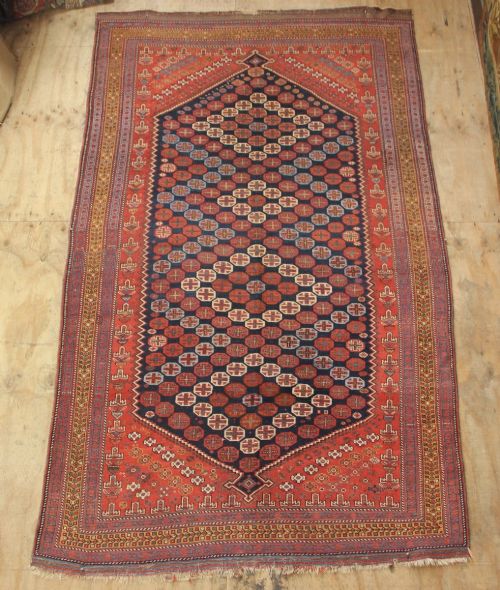
A south persian tribal carpet encompasses hand-knotted nomadic and village floor coverings made across the Fars and Kerman provinces by confederacies such as the Qashqai, Khamseh, and Afshar. These pieces span from the late nineteenth century through the mid-twentieth century and appear as room-sized carpets, runner rugs, and smaller area formats.
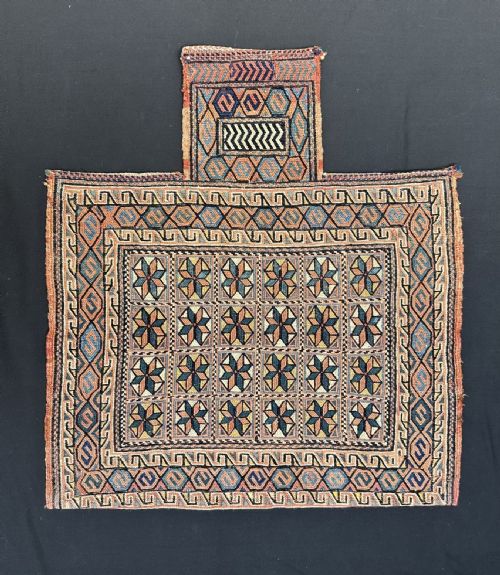
Buyers frequently encounter specific tribal attributions in the listings, including Neiriz, Baharlu, and Kashkuli subgroups. Utility bags and salt-bags also surface alongside standard rugs, demonstrating the diverse textile production of these southern groups.
Evaluating Quality and Execution
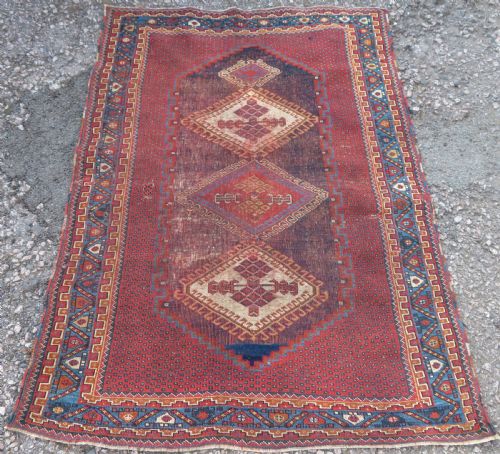
Quality rests in the precision of the tribal geometry and the depth of the natural dyestuff palette used by the weaver. Finer knot density and better preservation of the original pile separate top-tier examples from heavily distressed pieces.
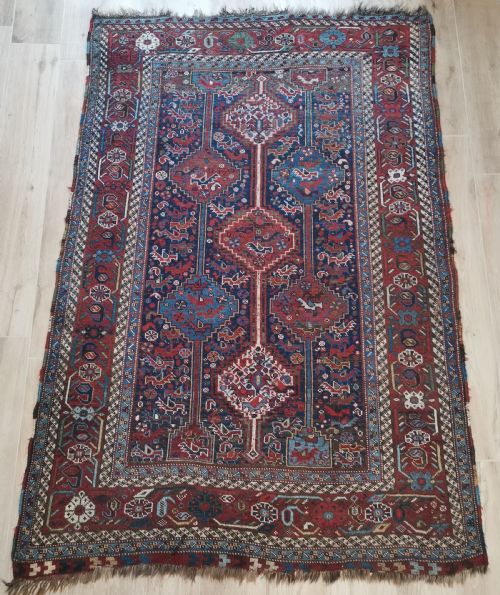
The sophistication of the design layout, whether featuring repeating medallions, tree of life motifs, or complex field patterns, dictates the distinction between standard village production and exceptional collector pieces.
South Persian Tribal Carpet Retail Price Guide 2026
Typical asking prices for south persian tribal carpet among the pieces listed under this phrase on Sellingantiques today, from the lower quarter to the upper quarter. They describe what is for sale here now, not the wider market.
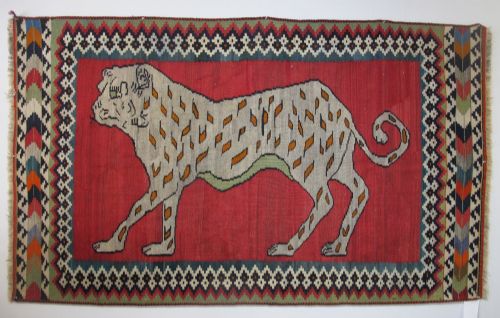
Nomadic weavers occasionally included tiny, abstract animal figures and rogue knots in their carpets, playfully defying strict geometric symmetry.
The South Persian Tribal Carpet Glossary
- Afshar
- A tribal group hailing from the Kerman province known for distinctive geometric rugs and utility bags. Their weaving often employs deep blues and rich reds.
- Khamseh
- A confederation of Arab, Basseri, and Turkic tribes in south-west Persia. Their carpets typically display intricate repeating patterns and bird or animal motifs.
- Qashqai
- A major tribal confederacy in Fars province celebrated for finely knotted rugs and kilims. They frequently utilise vibrant colour combinations and bold medallion designs.
- Natural Dyes
- Colourants derived from plants, insects, and minerals used before the introduction of synthetics. They produce nuanced shades that age with a characteristic patina.
- Kelleh
- A long, narrow format of carpet traditionally suited to specific room dimensions in Persian domestic architecture.
South Persian Tribal Carpet: Frequently Asked Questions
How do I identify an Afshar rug?
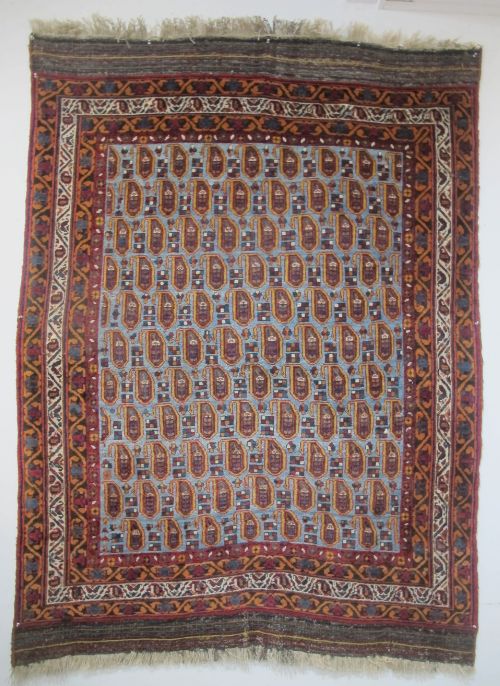
Afshar rugs originate from the Kerman region and often feature stiff geometric layouts, boteh motifs, and rich indigo grounds. They frequently display specific regional traits associated with Neiriz or Bardsir.
Examining the weave reveals a sturdy structure using hand-spun wool and natural dyes characteristic of south Persian tribal production.
What is a Khamseh carpet?
A Khamseh carpet is produced by the confederated tribes of Fars province, historically blending Arab and Turkic weaving traditions. These pieces often incorporate small, repeating motifs and multiple borders.
Their wool tends to be dense and heavy, designed to withstand the practical demands of nomadic life.
How should I care for an antique tribal rug?
Antique wool rugs require gentle maintenance, including regular vacuuming without a beater bar to protect the hand-knotted pile. Professional cleaning suited for natural dyes preserves the integrity of the fibres.
Keeping the textile out of direct sunlight prevents the natural colours from fading over time.
What distinguishes Qashqai weaving?
Qashqai textiles are noted for inventive geometric designs, including stepped medallions and stylized animal or human figures. The weavers utilise supple wool and saturated palettes.
Salt-bags and flat-woven kilims also form part of this tradition, showing high technical skill in slit-weave and knotted construction.