





Soumak Weave Wall Hanging
These soumak weave wall hanging pieces bring rich tribal textiles into modern interiors.
Soumak Weave Wall Hanging
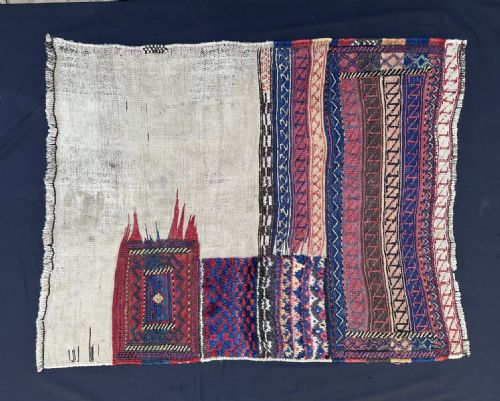
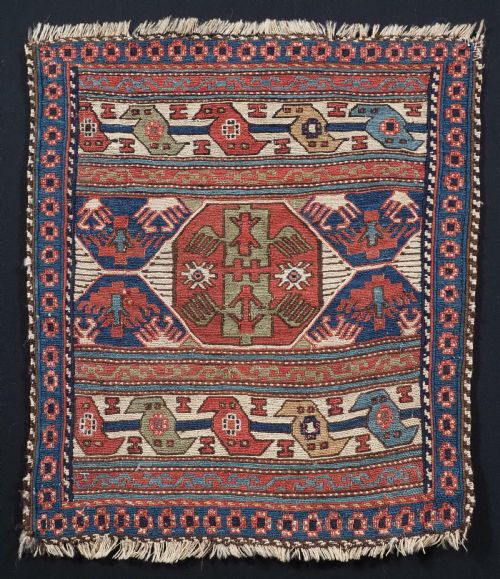
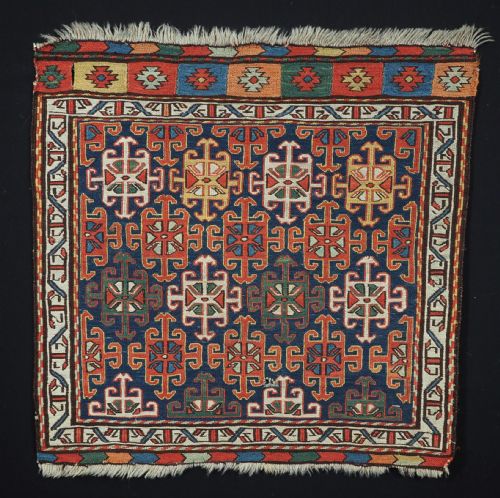
A soumak weave wall hanging brings together nomadic textile art from Persian, Caucasian, and Anatolian traditions, repurposed for modern display. When you search for a soumak weave wall hanging, you find flat-woven panels, storage bags, and fragments originally made by tribal groups.
The pieces listed here lean heavily toward nineteenth-century bag faces and panels created by nomadic confederacies. Shahsavan, Qashqa'i, Lori-Bakhtiari, and Afshar makers produced these colourful textiles for functional storage in tribal camps.
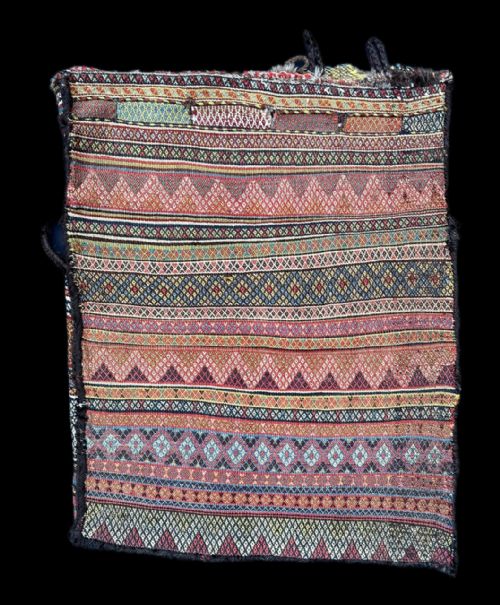
Most examples appearing now take the form of square or rectangular fragments, often adapted from larger saddle bags or storage containers known as khorjin or mafrash. Collectors mount these flat textiles to display the intricate pattern work at eye level.
Materials and Construction
Nomadic weavers relied on hand-spun wool for the structure and face of each textile, frequently paired with cotton foundations. Natural dyes and vegetable colourants created deep reds, blues, and golds that soften gracefully with age.
The soumak technique itself involves wrapping weft threads over and under warp threads in a specific herringbone or chevron pattern. This creates a dense, durable face with a smooth front and loose threads trailing on the reverse.
Nomads wove protective bird and dragon symbols into storage bags, hoping to ward off the evil eye while keeping household gear tidy.
Judging Quality and Execution
Quality rests in the tightness of the weave and the clarity of the motifs. Tightly packed wrapping creates a firmer textile that holds its shape cleanly when mounted.
The complexity and execution of tribal motifs, such as stylized birds and dragons, dictate the visual strength of the piece. Subtle shifts in natural dye lots add depth to the colour field.
Shahsavan Nomads·Lori-Bakhtiari Nomads·Afshar Tribe
The Soumak Weave Wall Hanging Glossary
- Soumak
- A flat-weave textile technique where weft threads are wrapped over and under warp threads before returning across the row. This method produces a durable fabric with a textured face resembling embroidery.
- Khorjin
- A traditional double saddle-bag used by nomads for transport and storage. Surviving bag faces often become wall hangings after the central connecting panel wears away.
- Mafrash
- A large rectangular storage chest panel woven in soumak or pile techniques. These panels feature bold geometric designs suitable for display.
- Vegetable Dyes
- Colourants derived from plants, roots, and insects used before synthetic dyes dominated the market. They yield rich, organic tones that age with distinct character.
- Warp
- The stationary vertical threads stretched on a loom that form the structural skeleton of the textile. Wefts are woven through these foundation threads.
Soumak Weave Wall Hanging: Frequently Asked Questions
How do I hang a textile safely?
Mounting a flat textile requires distributing the weight evenly across the top edge. A conservation-grade sleeve or gentle stitching to a fabric-covered backing board prevents distortion.
Avoid using direct clips or pins that puncture the historic wool and cotton fibres. Professional framing behind UV-filtering glass also protects natural dyes from fading.
Are these pieces authentic antiques?
The listings span the nineteenth century and early twentieth century, originating from nomadic groups in Persia, the Caucasus, and Anatolia. Hand-spun wool and traditional vegetable dyes confirm their period manufacture.
Wear patterns and irregularities in the weave reflect genuine nomadic utility rather than modern factory production.
What is the difference between soumak and pile carpets?
Soumak is a flat-weave technique where coloured weft threads wrap around warp threads without knotted tufts. This creates a thinner, firmer fabric with a distinct textured face.
Pile rugs use individual knots tied to the warp, creating a fuzzy surface rather than the crisp geometric lines typical of soumak weaving.