
Nomadic Tribal Woven Textile
A nomadic tribal woven textile carries the hand and movement of pastoral makers across Persia, Central Asia, and Afghanistan.
Nomadic Tribal Woven Textile
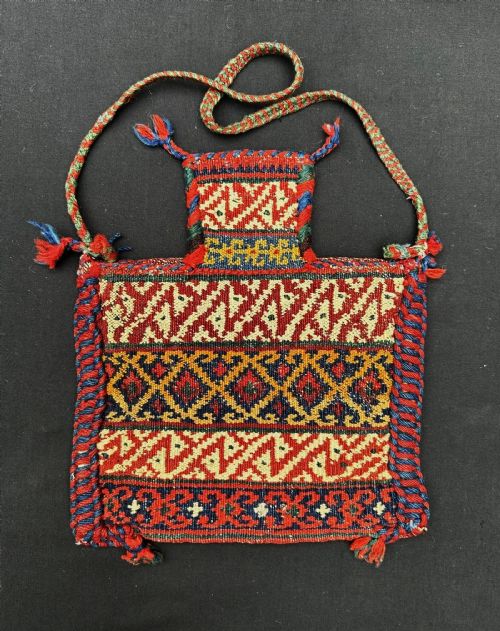
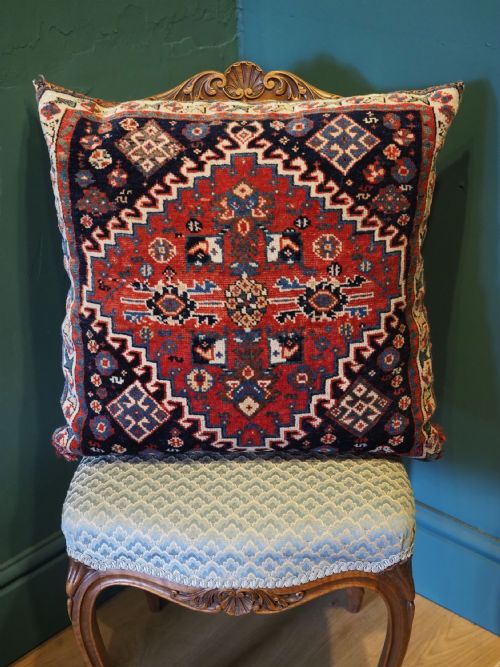
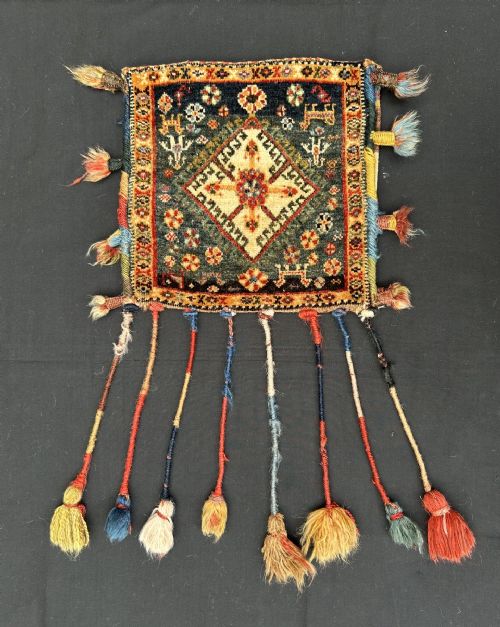
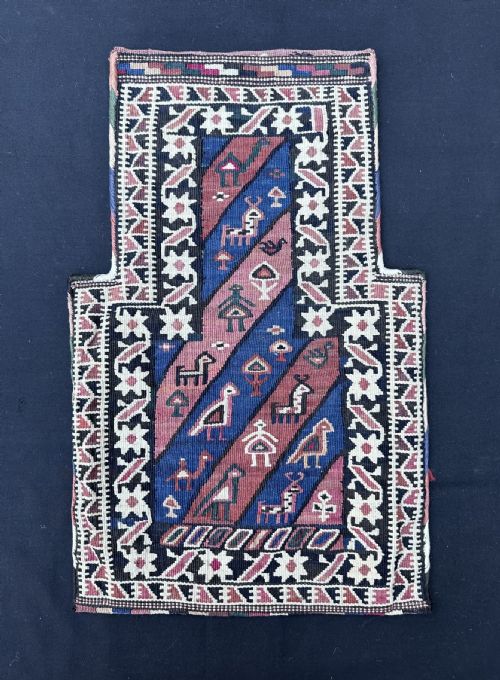
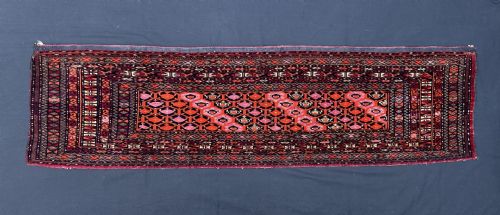
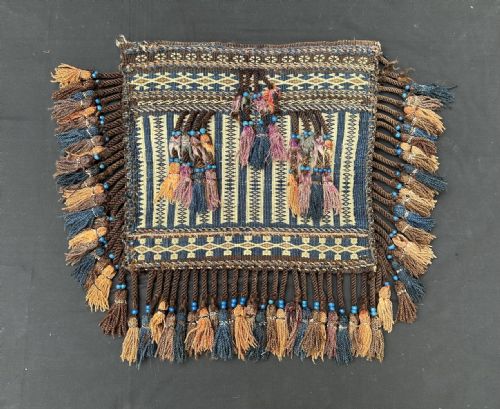
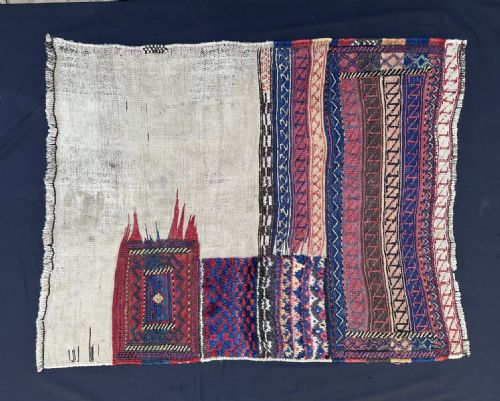
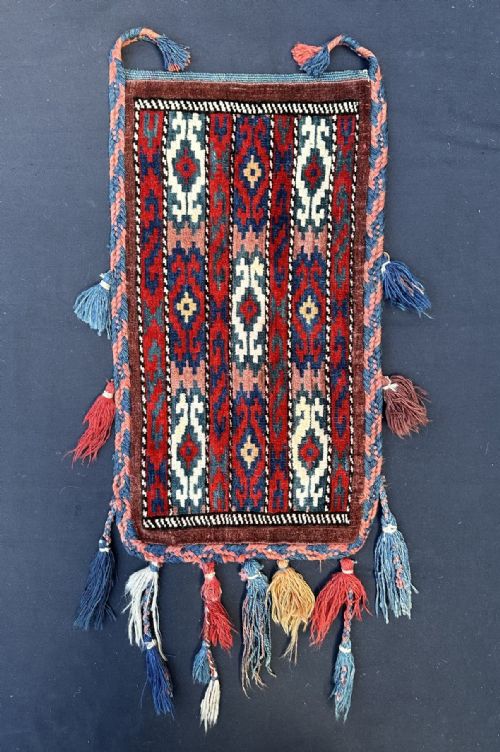
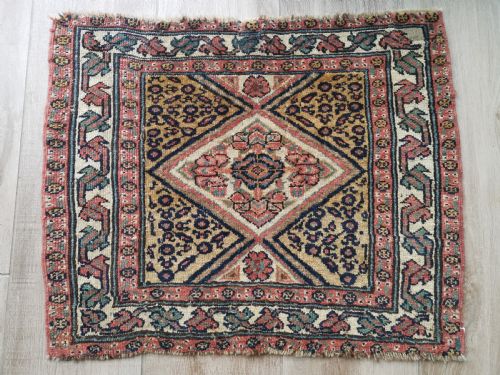
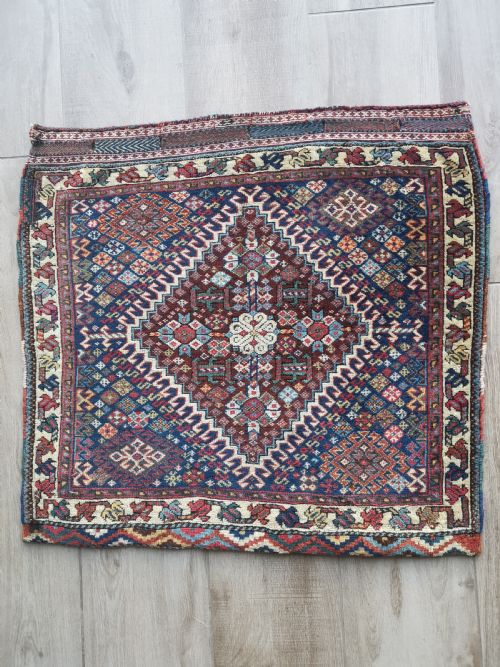
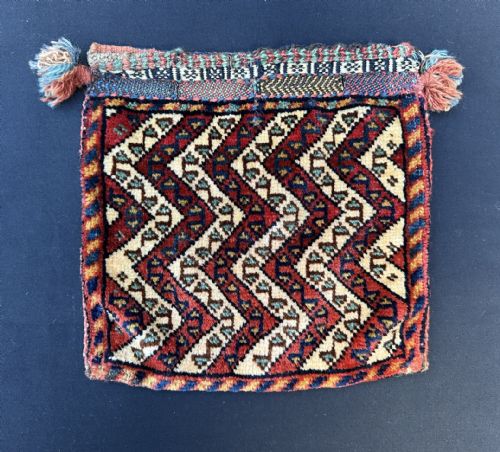
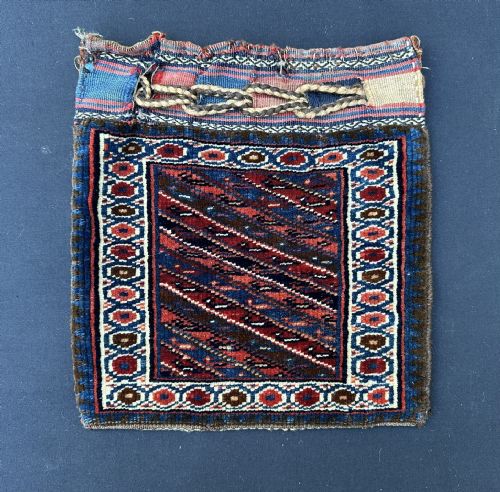
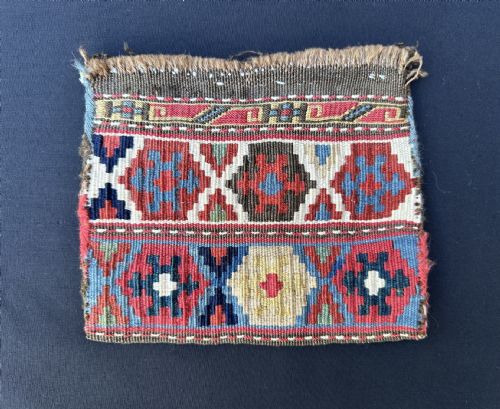
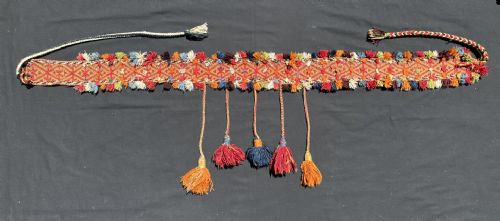
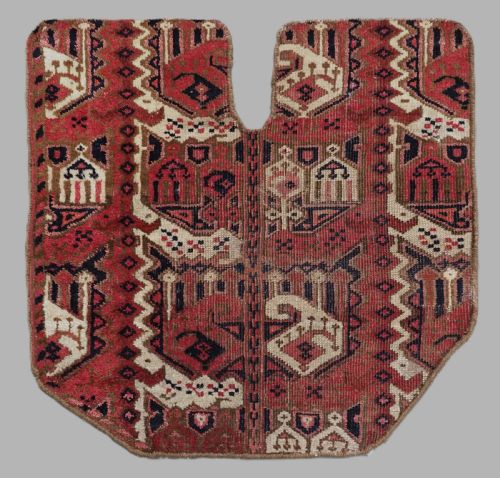
A nomadic tribal woven textile represents functional pieces made by pastoral communities, including utility bags, salt bags, saddle covers, animal trappings, and floor spreads. These items originate from specific regional groups such as the Qashqai, Baluch, Afshar, and various Turkmen tribes across Persia and Central Asia. The selection on this page centres heavily on nineteenth and early twentieth-century utilitarian weaves rather than large workshop carpets.
Makers produced these woven objects for daily nomadic life, utilising them for storage, transport on animals, and household furnishings. Common specific forms include the kap, jollar, torba, and various vanity or tobacco bags created by regional sub-tribes. Each piece reflects the particular utilitarian requirements and aesthetic traditions of groups inhabiting regions from the Fars province to the Trans-Caspian steppes.
Factors of quality and execution
Quality in these textiles depends upon the tightness of the weave, the clarity of the tribal patterns, and the integrity of the natural dyes used by the maker. Finer execution shows in the precise alignment of geometric motifs and the supple handling of the wool foundation.
The survival of original elements such as tassels, side cords, and complete backings elevates the integrity of a piece. Greater expressiveness in tribal iconography and the depth of the natural dye palette distinguish the finest examples.
Some salt and tobacco bags retain stray desert sand embedded deep within their dense wool foundations from travels across nineteenth-century steppes.
The Nomadic Tribal Woven Textile Glossary
- Kap
- A storage bag or tent bag produced by Turkmen and other tribal groups for domestic organisation. These pieces typically feature distinct gul motifs and were hung inside the yurt.
- Sofreh
- A flat-woven spread or cloth used for preparing dough, serving meals, or handling bread within the nomadic household. They often display minimalist geometric fields without a central medallion.
- Jollar
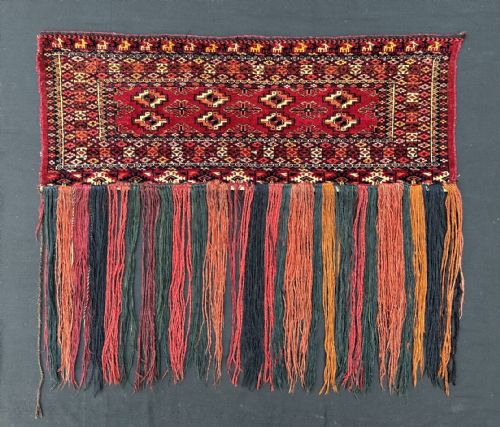
- A long, horizontal bag face or trapping used across Turkmen tents for storage or decoration. The proportions are distinctly wider than they are tall.
- Asmalyk
- A pentagonal trapping hung on the flanks of a camel during wedding processions and tribal ceremonies. They are celebrated for their elaborate design structures.
- Torba
- A small storage bag utilised inside the nomadic dwelling for personal items or utensils. These frequently display primary tribal guls and careful secondary borders.
- Bagface
- The decorative front portion of a utilitarian storage bag that has been separated from its plain plainweave back. Collectors prize them for displaying the complete primary design field.
Nomadic Tribal Woven Textile: Frequently Asked Questions
What are nomadic bags used for?
Nomadic communities utilised these woven bags to store salt, grain, tobacco, bedding, and personal belongings inside tents or during seasonal migrations.
They also fashioned specialised trappings and covers for horses, camels, and donkeys as part of daily transport and ceremonial processions.
How do I care for a tribal textile?
Protect antique wool textiles from direct sunlight to prevent natural dye fading, and vacuum them gently using low suction without a rotating brush bar.
Keep the wool clean and dry, avoiding excessive moisture and storing them flat or rolled rather than folded along crease lines.
How are different tribes identified?
Tribal attribution relies on specific structural characteristics, wool qualities, colour combinations, and repeating geometric motifs unique to each confederation.
For instance, Turkmen groups frequently employ distinct octagonal guls, while Qashqai weavers utilise specific animal and plant symbols within deep red and blue palettes.
What is a bagface?
A bagface is the ornamented front panel of a utilitarian storage sack, separated from its plain wool or kilim back over decades of use.
Collectors often frame or display these panels as independent flat textiles because they preserve the complete decorative scheme of the original piece.