


Solid Silver Table Dish
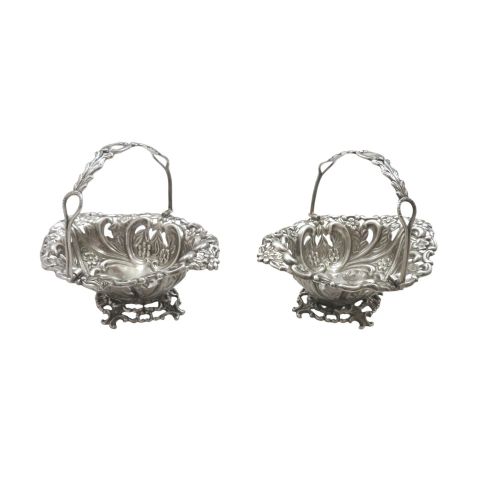
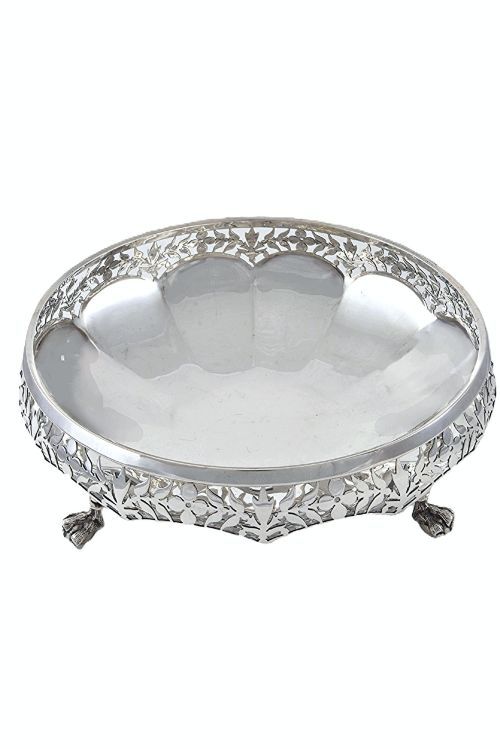
A solid silver table dish brings weight and shine to any surface, ranging from pierced Edwardian baskets to heavy Victorian bowls.
Solid Silver Table Dish
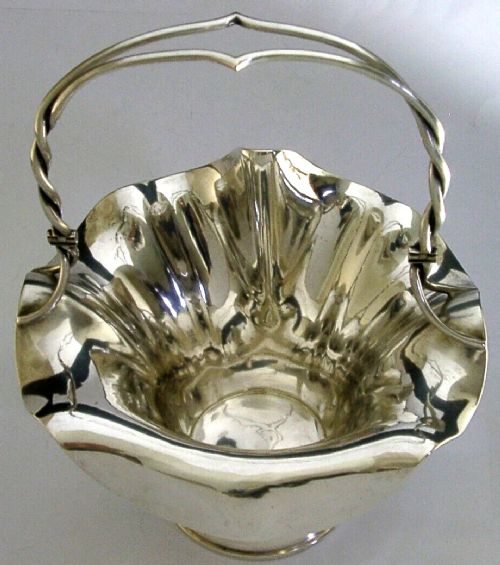
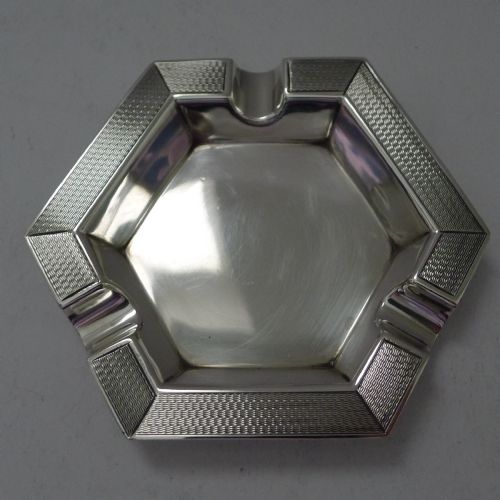
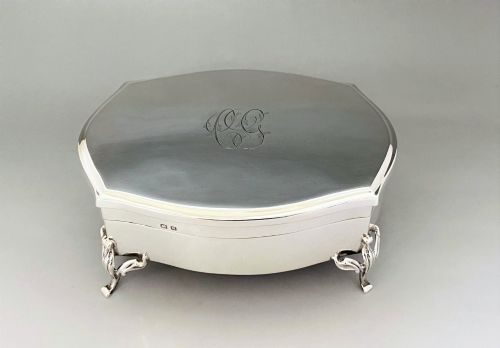
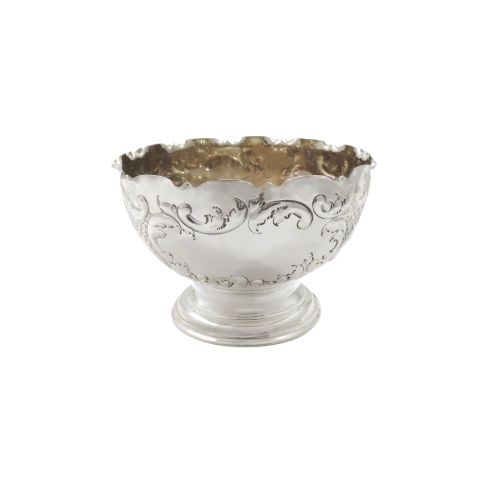
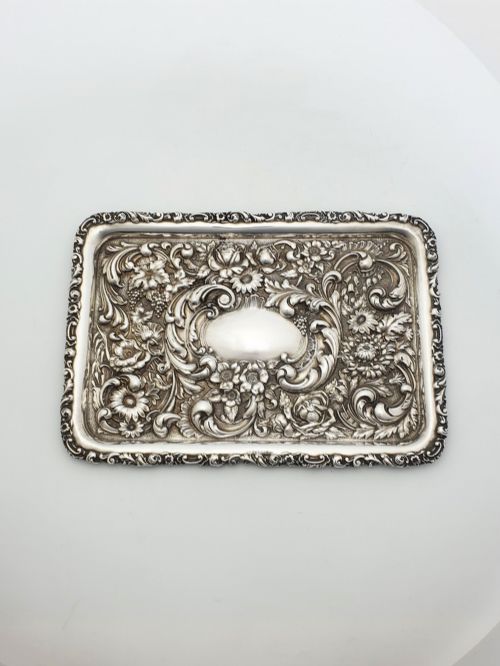
A solid silver table dish encompasses a variety of forms designed for display and service, including open bowls, shallow trays, and handled baskets. These objects frequently appear from the Victorian and Edwardian eras, alongside pieces bearing George V and Art Deco designs.
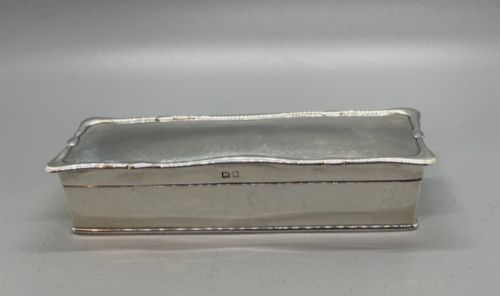
The selection ranges from small bonbon dishes and pill boxes to large pedestal centerpieces and shaped bread dishes. Many of these items serve specific functions like holding trinkets or salt, while others stand alone as decorative centerpieces on a table or desk.
How they were made
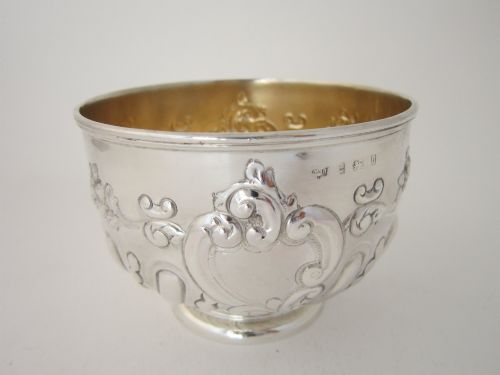
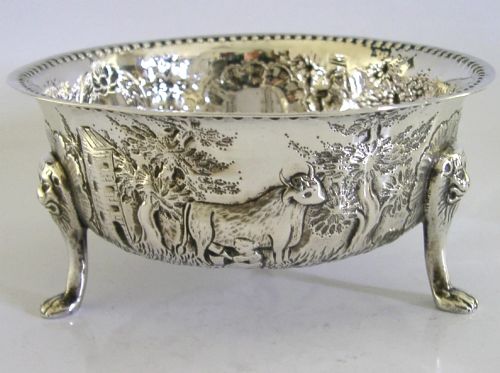
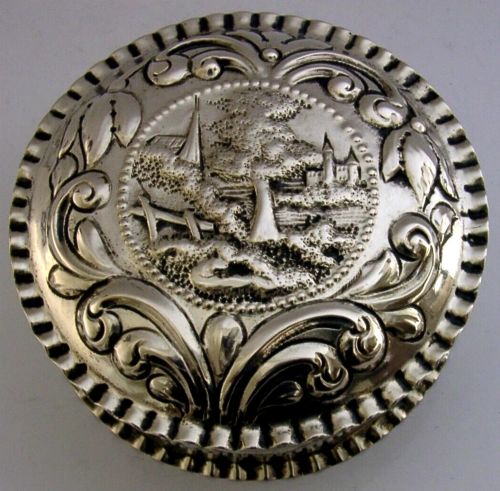
Silversmiths shaped these pieces using sterling silver, solid silver, and occasionally silver gilt or vermeil, sometimes combining the metal with cobalt or cut glass liners. Techniques involve hammering, piercing, casting, and repoussé work to create textured floral or geometric patterns.
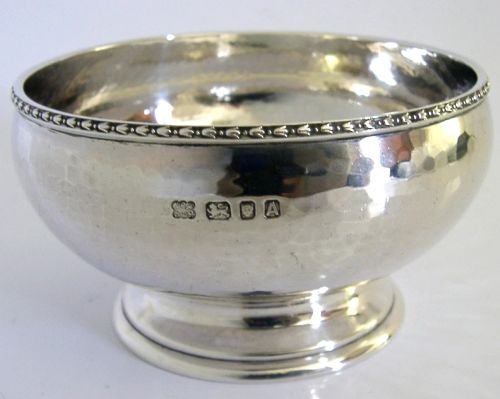
Maker marks, town hallmarks, and date letters stamped into the silver record the origin and year of creation. Pierced lattice details and heavy cast borders demonstrate the precise metalworking skills applied across Georgian, Victorian, and later workshops.
Solid Silver Table Dish Retail Price Guide 2026
Typical asking prices for solid silver table dish among the pieces listed under this phrase on Sellingantiques today, from the lower quarter to the upper quarter. They describe what is for sale here now, not the wider market.
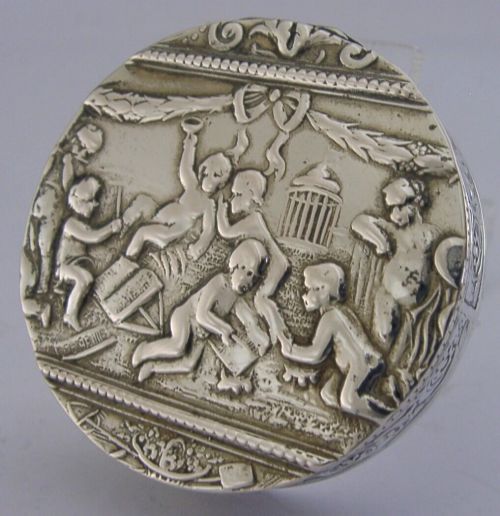
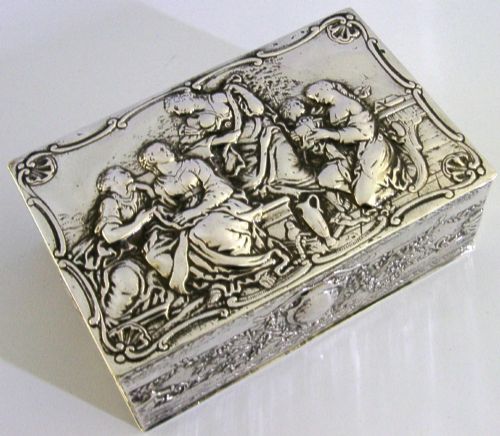
A cast cherub scene box brings miniature winged figures directly onto the tabletop.
What varies in quality
The quality of a table dish rests on the thickness of the silver gauge and the crispness of the chased or repoussé decoration. Heavy, substantial metalwork provides a tactile solidity that lighter stamped pieces lack.
Design complexity also separates standard items from exceptional examples, seen in intricate hand-piercing, figural repoussé scenes, and the inclusion of original glass liners or matched pairs.
William Neale·Fenton Brothers·William Bateman·Edward Farrell·Elkington & Co·Henry Williamson Ltd·Roberts & Belk
The Solid Silver Table Dish Glossary
- Sterling silver
- An alloy containing a high proportion of pure silver mixed with small amounts of other metals to increase durability. This standard metal forms the foundation of most antique tableware.
- Repoussé
- A metalworking technique where the smith hammers the silver from the reverse side to form a raised design on the front. This method creates decorative floral and scroll patterns on bowls and trays.
- Pierced
- A method of cutting decorative openwork patterns through the silver sheet. Lattice and geometric cutouts are common in baskets and bonbon dishes.
- Vermeil
- Sterling silver plated with a thin layer of gold. This finish adds a warm tone to the interior of bowls and salts.
- Hallmark
- A series of official marks stamped on silver items to indicate the maker, standard of purity, assay office, and year of manufacture. These stamps provide the primary documentation for dating a piece.
Solid Silver Table Dish: Frequently Asked Questions
What is a solid silver table dish used for?
These items serve multiple functional and decorative purposes around the home. Smaller vessels hold trinkets, pills, or jewellery, while larger bowls and baskets display fruit, bread, or sweetmeats.
Heavier centerpieces sit on dining tables or sideboards as standalone ornaments. Their robust construction allows them to handle daily use while maintaining a bright metallic appearance.
How do I care for solid silver?
Regular dusting with a soft cloth prevents tarnish accumulation on display surfaces. When cleaning becomes necessary, use a dedicated silver polish and a soft sponge to preserve the fine details of repoussé work.
Avoid abrasive materials that scratch the surface or wear down thin areas of silver. Storing pieces in dry environments reduces moisture exposure and slows oxidation.
How can I tell the period of a silver dish?
Assay office hallmarks and date letters stamped directly into the metal provide the exact year of production. Stylistic clues also help identify the era, such as the heavy floral repoussé of Victorian pieces or the clean geometric lines of Art Deco items.
Maker marks link specific pieces to known silversmiths and manufacturing firms active during particular decades. Comparing the weight, form, and decorative motifs against documented examples confirms the period.
What is the difference between a dish and a bowl?
Dishes generally feature a shallower profile with a wider base, making them suitable for holding smaller items or serving flat foods like bread. Bowls possess greater depth and curved walls designed to contain loose objects or liquids.
Both forms utilise similar manufacturing techniques like piercing and repoussé. The terminology often overlaps depending on the specific proportions of the antique object.